


Why Are Hotel Carpets So Gaudy?
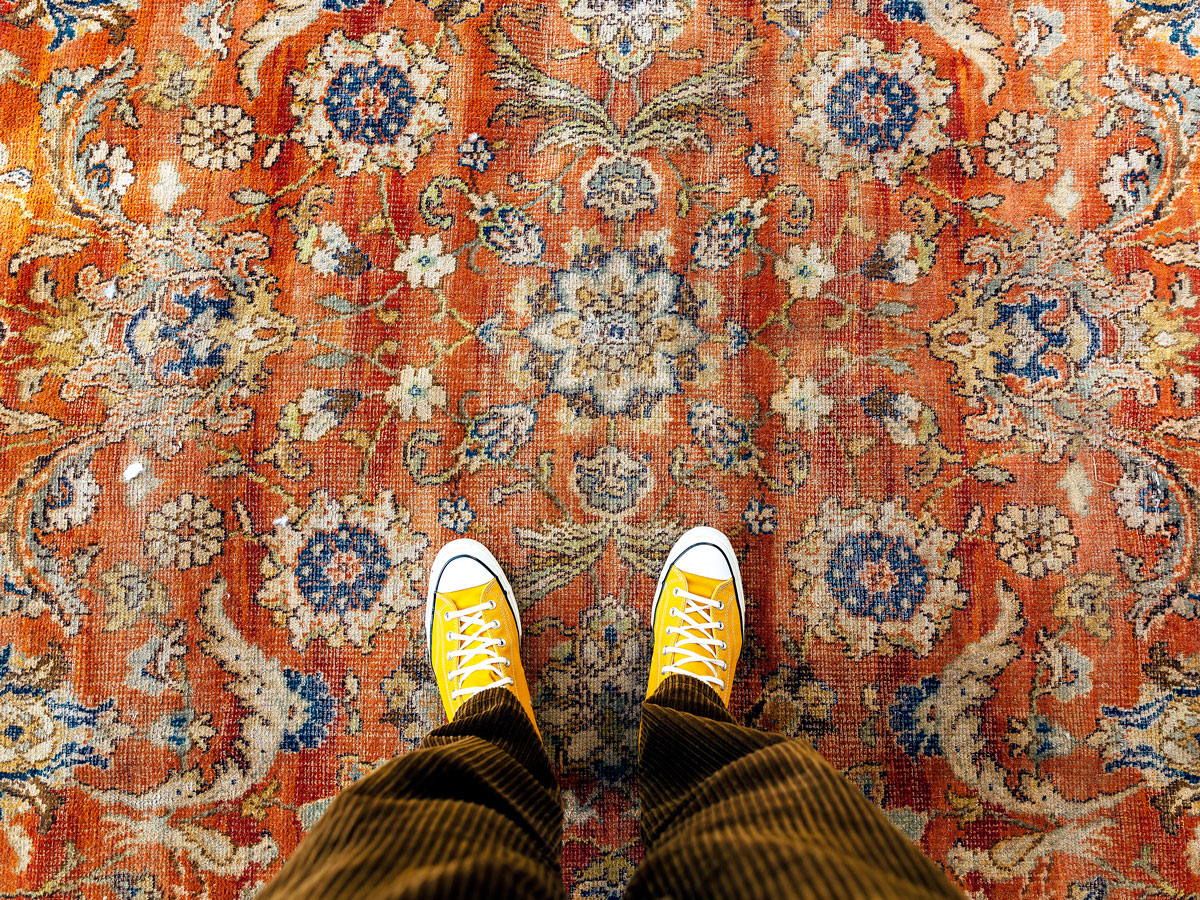

Most hotel carpets aren’t designed to be deliberately eye-catching, but that doesn’t mean there’s not a lot going on from a visual standpoint. The role of resort floor coverings is to move guests from the elevator to their room in cushioned comfort, and to soften the noise from footsteps and suitcases. However, in many hotels, a lot more thought goes into those seemingly random juxtapositions of patterns and clashes of color. The rationale behind such gaudy rugs usually comes down to two factors: psychology and practicality. Here’s the real reason you frequently see such busy and colorful carpets in hotels.
Color Covers Up
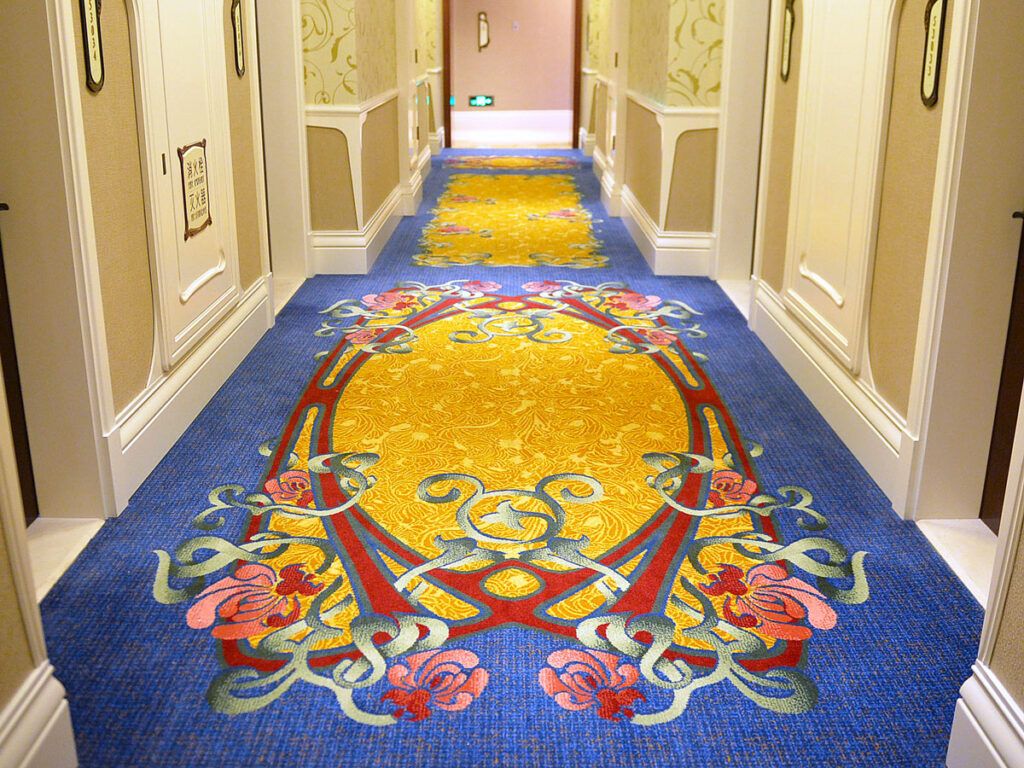
A plain, cream-colored carpet may shout “quiet luxury,” but it also broadcasts every spilled coffee, sloshed cocktail, and tracked-in trail of mud that comes its way. By contrast, a busy pattern of bold colors will help disguise the majority of spills and stains.
Patterns Hide Patches
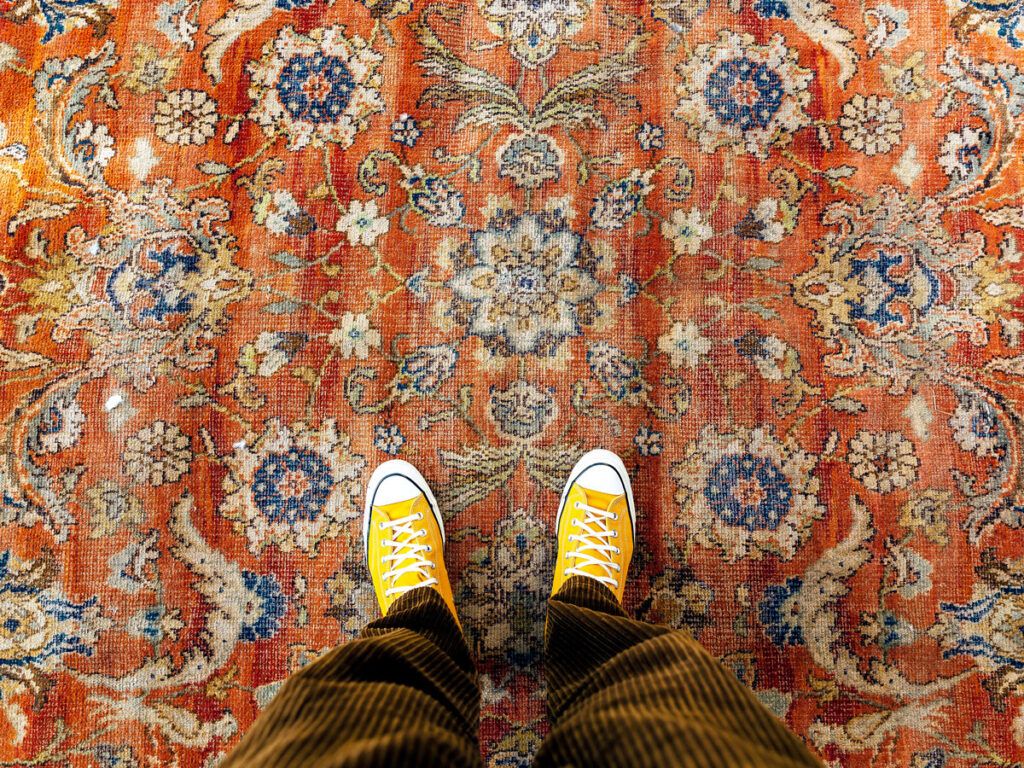
Stains are only the beginning. Hotel flooring sees a lot of foot traffic, and heavy wear shows up sooner on plain surfaces than on patterned ones. Valets lugging roller bags and wheeling heavy trolleys — not to mention hundreds or thousands of guests taking the same short path to the pool — can leave even newly installed carpeting looking tired and threadbare. Flashy colors and patterns help hide this, extending the life of the flooring.
Setting the Scene
Carpeting has a psychological impact on guests as well. Soft colors and simple patterns encourage relaxation, while warm tones (reds, oranges, and yellows) create an inviting atmosphere. A mix of bright hues and hectic designs — like the kind you often see in casinos — keeps guests stimulated and energized, encouraging gamblers to keep going, going, going.
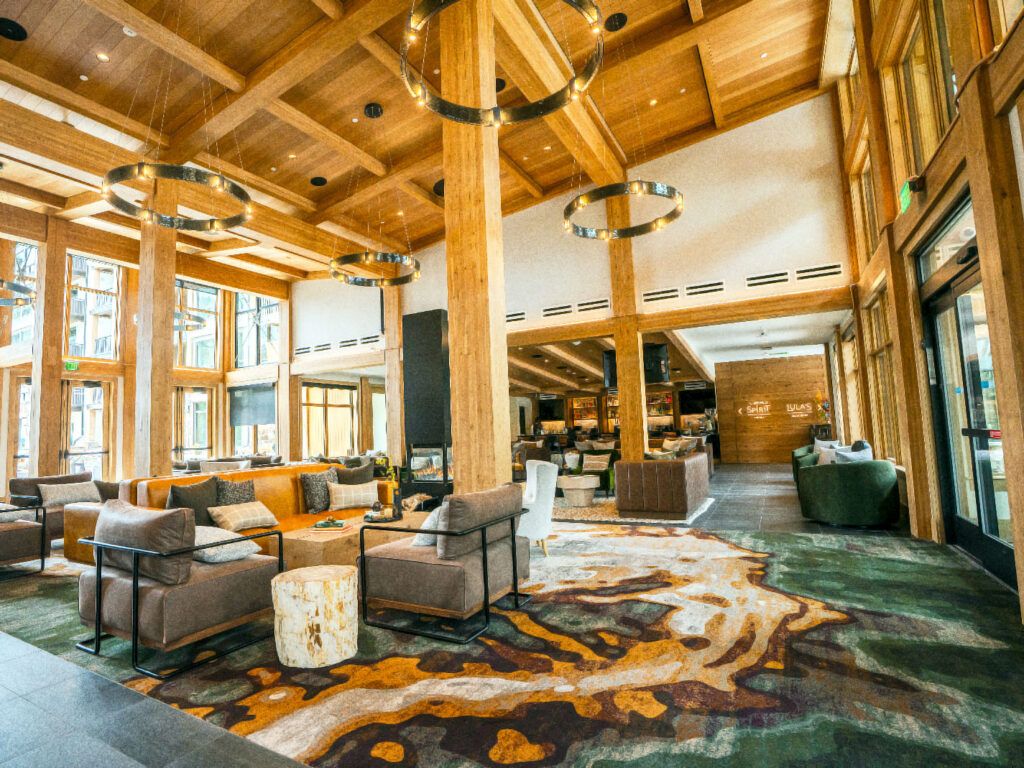
Some properties also use flooring to tell a story as a continuation of their brand.The newly opened Kindred Resort in Keystone, Colorado, for example, opted for a custom carpet (pictured above) whose pattern draws directly from an aerial view of the surrounding mountains. “We embraced a design that tells a story,” Raya Roll, the resort’s director of marketing, shared. “Our carpeting draws inspiration from the topography of Keystone and the historic Argentine Mine, inviting our guests to discover the rich heritage of the area.”
The Press Hotel in Portland, Maine, also uses its carpeting as an extension of its story. Set in the 1923 building that once housed the Portland Press Herald, the Press Hotel now runs old headlines across its corridor walls. The type tumbles downward and spills onto the carpet, where a scatter of loose letters covers the floor. (The designers pulled the content straight from the newspaper’s own archives.)
But perhaps no hotel has committed to the floor-as-personality concept more than the historic Greenbrier Resort in White Sulphur Springs, West Virginia. A post-World War II refresh by designer and interior decorator Dorothy Draper built the resort’s entire look around roughly 30 miles of carpeting, featuring oversized florals, saturated colors, and bold contrasts. The rhododendron and cabbage-rose motifs are even sold as wallpaper and fabric in the resort’s shop. (The former is the state flower of West Virginia, while the latter was a trademark of the designer.)
And proving that crazy carpets aren’t just the provenance of hotels, Portland International Airport in Oregon produced a floor that became famous for being a floor. The airport’s teal carpet, designed in 1987, abstractly rendered the airport’s intersecting runways as viewed at night by air traffic controllers in the tower. Travelers began photographing their feet on it, the #pdxcarpet hashtag drew more than 20,000 posts, and the pattern was added to socks, coasters, T-shirts, and bike helmets — becoming a beloved symbol of hometown pride. When the worn carpet was finally pulled up, businesses salvaged sections to sell as framed squares, floor mats, and more.
More from our network
Daily Passport is part of Inbox Studio, an email-first media company. *Indicates a third-party property.