




Why Are Hotels So Much More Expensive Now?
Why Are Hotels So Much More Expensive Now?
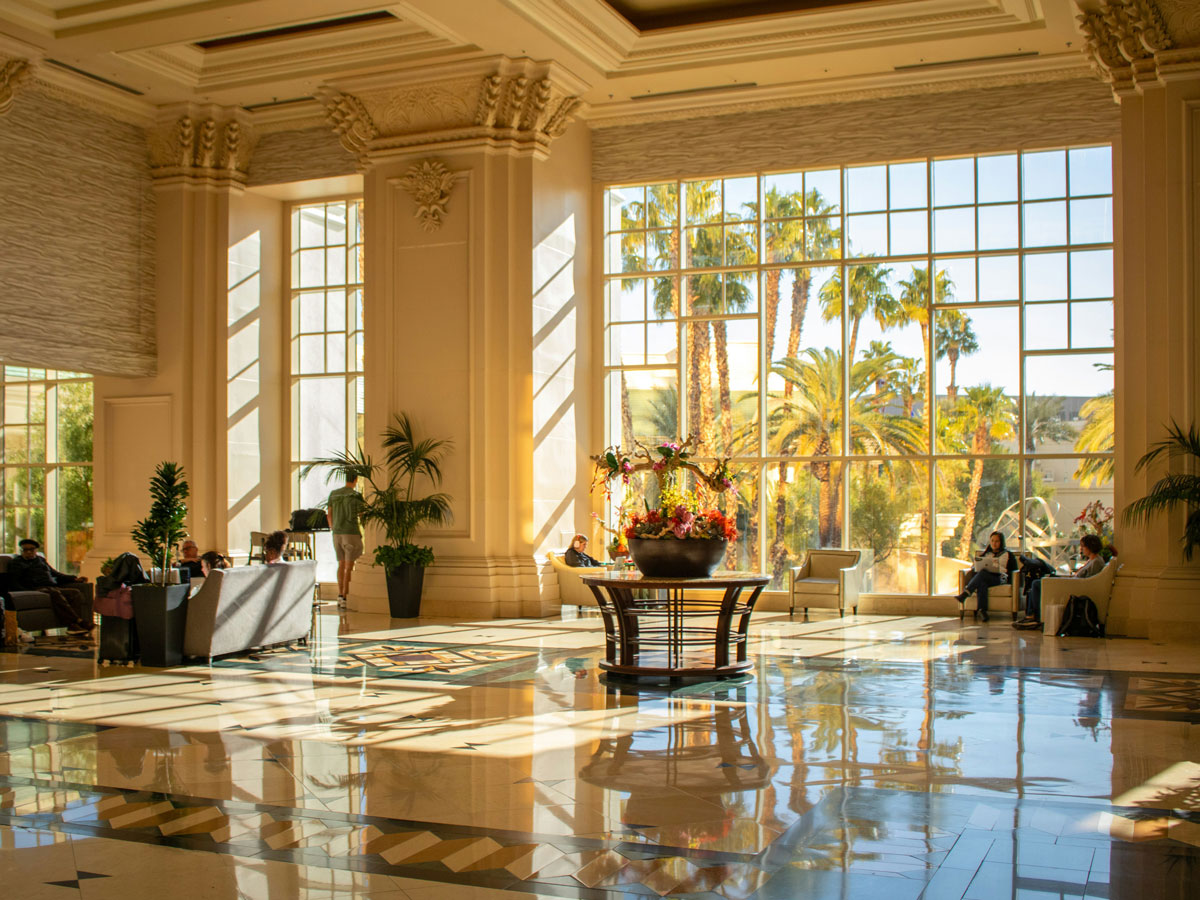

There was a time when a four-figure hotel bill got you a sprawling suite at a renowned property. But these days, $1,000 a night might not even get you in the door at some luxury hotels, where it’s common to pay upwards of $2,000 or $3,000 a night for an entry-level room in some in-demand locations. If you’ve traveled recently, you’ve probably noticed that hotel prices have risen across the board. In fact, they jumped, on average, more than 7% from 2025 to 2026 alone. But the luxury end of the hotel market has seen even higher increases. Aside from a general rise in the cost of living, is there a reason why luxury hotels are more expensive than ever? Turns out, there’s more to it than you think.
Wealthy Travelers Are Still Spending

When travel reopened after the pandemic, many people were eager to make up for missed vacations. That surge of demand, known in the industry as revenge travel, helped hotels — especially higher-end hotels — raise their rates. They found that customers continued booking even as prices kept climbing.
A 2025 report found that the number of hotels worldwide with an average daily rate of at least $1,000 nearly tripled between 2019 and 2024, rising from 179 properties to 499. At the same time, the global population of high-net-worth individuals grew by about 3% in 2024, and their combined wealth increased by more than 4%. These travelers have a major influence on the luxury market, accounting for an estimated 70% of global luxury travel spending and helping to sustain the demand for high-end accommodations.
There’s Only So Much Luxury To Go Around
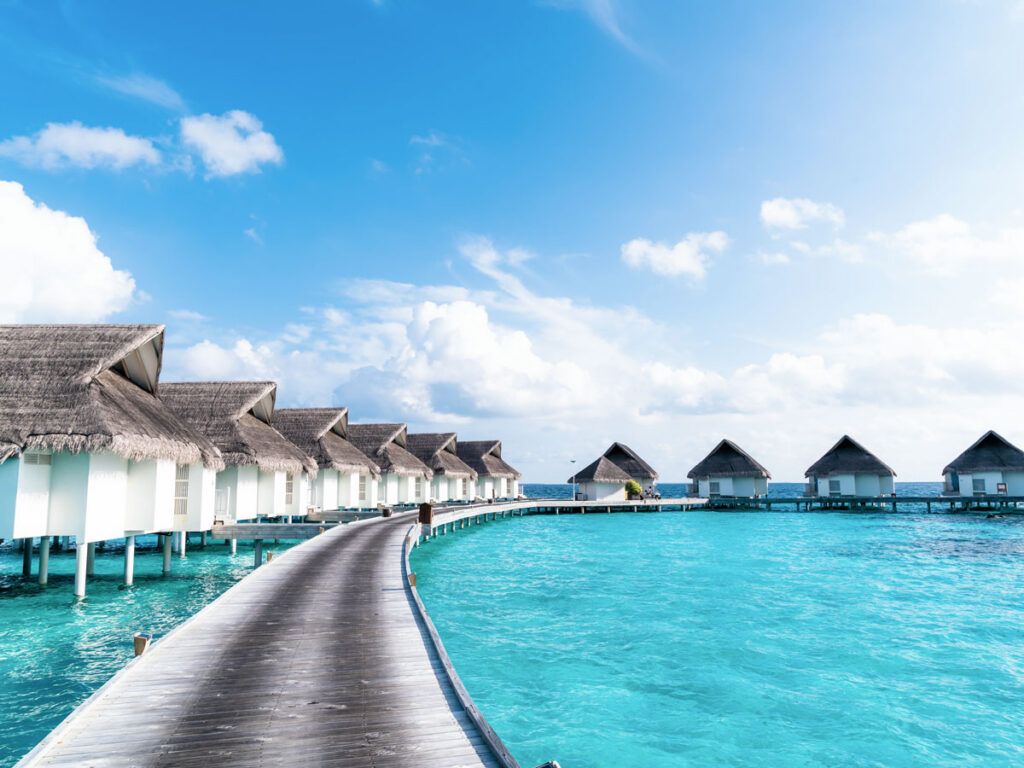
Hotels can sometimes add rooms, but they can’t manufacture more prime real estate, and building a new luxury hotel takes a lot of time and substantial investment. Even after construction begins, it can take years for a new hotel to open. In sought-after destinations such as the Maldives, demand can outpace the supply of rooms.
That scarcity gives established luxury hotels some pretty strong pricing power to dynamically price rooms when travelers are competing for a limited number of accommodations during peak season.
Selling an Experience

At a budget hotel, guests primarily just want a clean, comfortable place to sleep. Luxury travelers may be paying for something more — namely, amenities that make a trip feel exclusive and effortless. Think: private plunge pools, Michelin-starred restaurants, or an on-site spa offering trendy, high-end treatments.
Hotels have increasingly leaned into these experiences not only to distinguish themselves, but also to justify higher prices. Wellness is a popular example: Equinox Hotel New York offers a Sleep Lab experience priced at around $1,700 per night, catering to guests who want not just a comfortable bed, but an entire room made for sound sleep. The hotel also offers personal training, recovery treatments, and curated dining, among other luxurious amenities.
Inflation Is Also a Factor
Even the wealthiest travelers haven’t been entirely insulated from the inflation affecting the rest of the travel industry. Hotels have faced higher labor costs and staffing challenges, along with rising expenses for food, utilities, insurance, maintenance, and construction. According to one industry expert interviewed by Travel + Leisure, those costs are up around 30% since 2020. These expenses can be even more substantial at luxury properties, where extensive amenities and top-notch, attentive service require more people and resources.
Raising room rates is one way to offset those expenses. Higher operating costs help explain why hotel prices have risen across the board, and the luxury segment’s relatively price-tolerant clientele gives that market more room to pass some of those increases along to guests.
The Gap Is Getting Wider

While some travelers are hunting for deals, taking shorter trips, or choosing more affordable properties, others are booking increasingly expensive accommodations.
Like the broader economy, the luxury hotel market is becoming increasingly K-shaped, a term that describes a widening divide: Wealthier people continue to prosper (or move upward, like the top line on a “K”), while everyone else struggles to keep up. In the luxury hotel market, that means affluent travelers keep spending on high-end stays while more price-conscious guests pull back.
Even within a luxury property, the demand isn’t equal across every price point. Entry-level rooms may sit empty, while suites and private villas sell much more quickly at higher rates. Whether or not a luxury hotel stay is in your budget, it’s worth considering just how much the price reflects a genuinely exceptional stay. You may find that you’re paying a very high premium simply because enough other people are willing to pay it, too.
Featured image credit: © Zoshua Colah/Unsplash.com
More from our network
Daily Passport is part of Inbox Studio, an email-first media company. *Indicates a third-party property.