





The Reason Planes Fly at 35,000 Feet
The Reason Planes Fly at 35,000 Feet
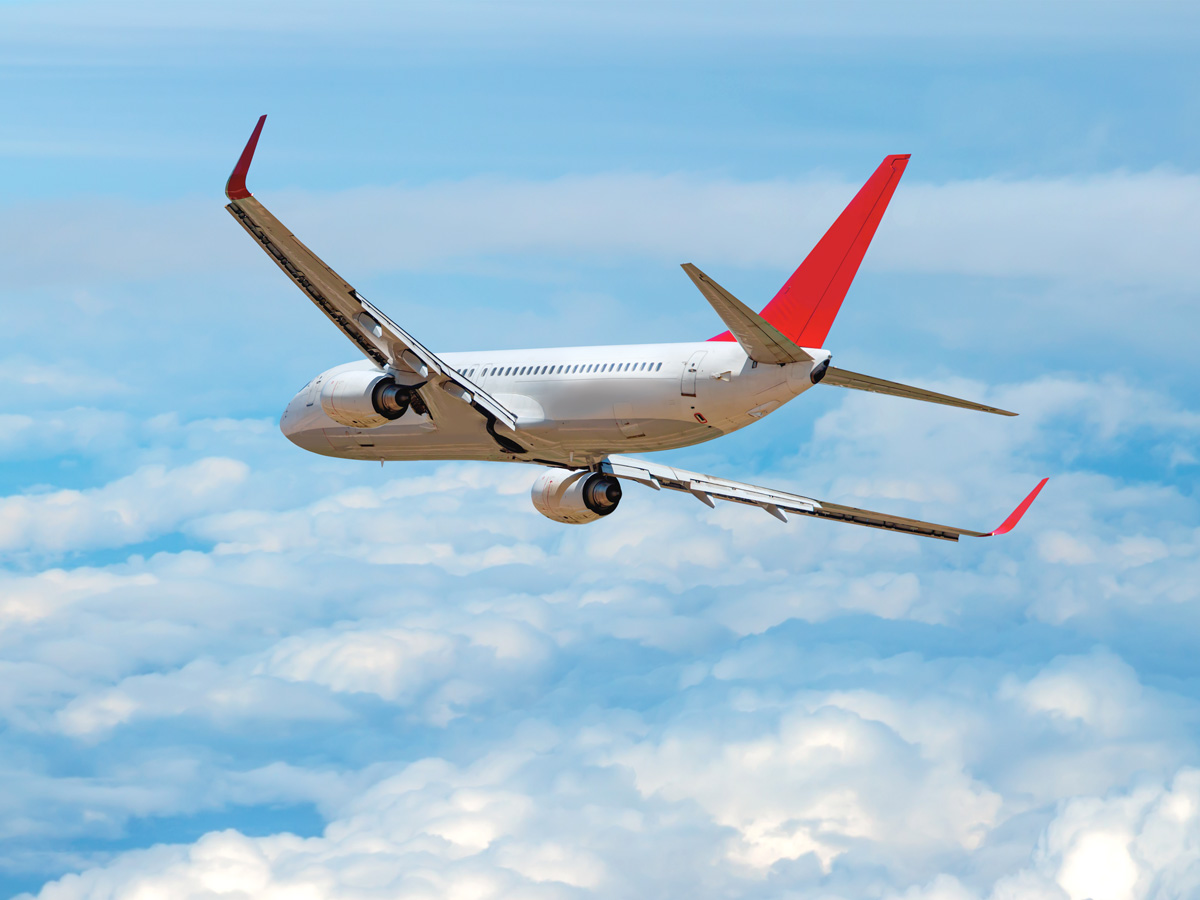

To blackjack players, 21 is the magic number. If you’re a student taking an exam, 100 is the target to shoot for. But for pilots, 30,000 to 40,000 is the sweet spot — feet up in the air, that is. If you’ve ever glanced at the interactive map feature on your seatback screen midflight, you’ve likely noticed the plane cruising along at an altitude somewhere in that range — and rarely above it. This is no coincidence.
Airing Out the Facts
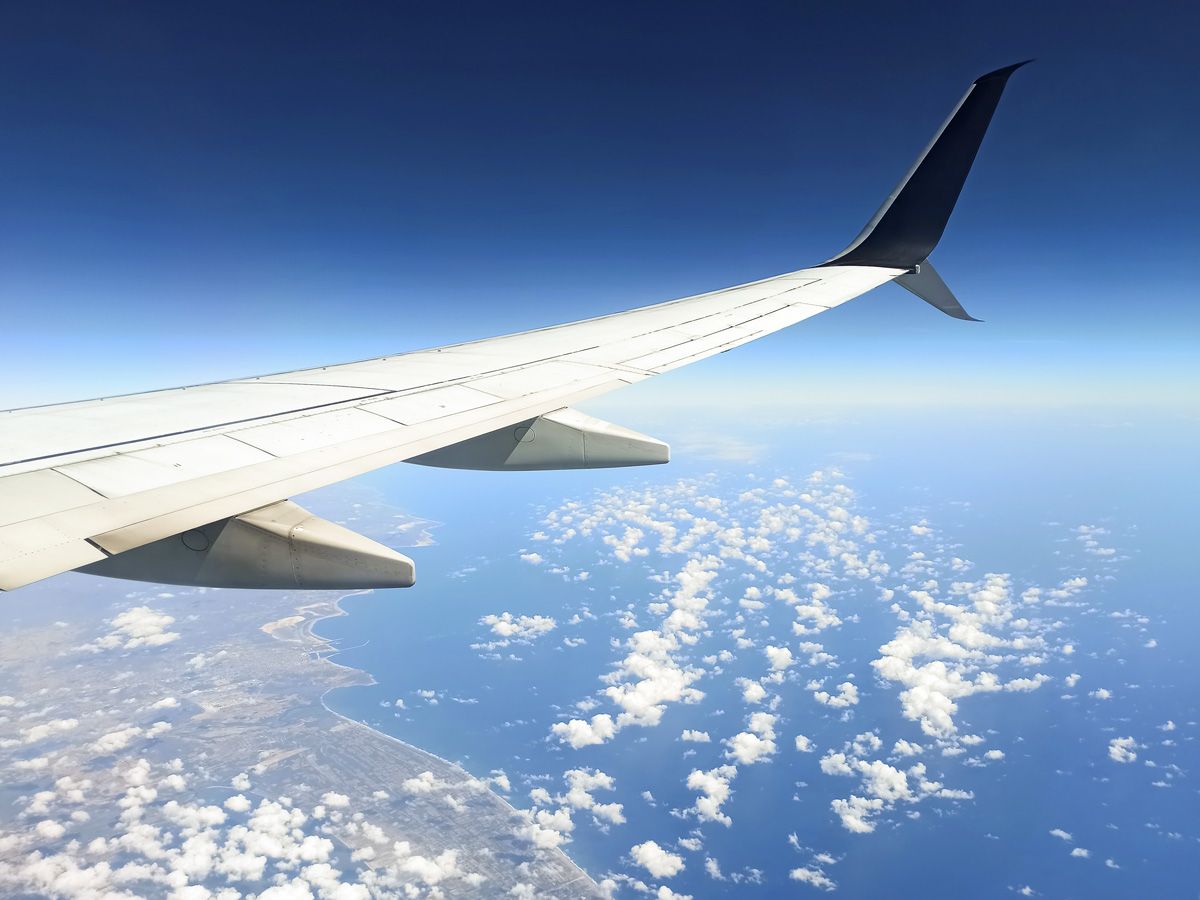
Most commercial airliners cruise at an altitude between 30,000 and 40,000 feet above sea level. That isn’t to say they can’t go higher, though — Boeing 767s, for example, can fly up to 43,000 feet, certain private business jets can go beyond 50,000 feet, and the famed Concorde had a maximum cruising altitude of around 60,000 feet above sea level.
One of the main reasons why 30,000 to 40,000 feet is the preferred cruising altitude is the thinness of the air at those heights. Air density at 35,000 feet is 25% of the air density at sea level, which allows planes to fly more efficiently. In addition, the higher the altitude, the less air resistance (known as drag) there will be. As pilot Gary Coxe told Travel + Leisure, that “allows planes to maintain speed with less fuel consumption, boosting overall flight range.”
Cruising at those altitudes also lessens the risk of the plane being impacted by severe weather. An altitude of 35,000 feet is roughly the point at which the troposphere, the atmospheric layer closest to Earth, starts transitioning to the stratosphere, the layer above that. The troposphere is where most weather occurs. By flying toward the upper limit of the troposphere, planes are more likely to avoid flying through thunderstorms.
This altitude doesn’t just benefit the pilots and the plane — passengers also enjoy less turbulence at 35,000 feet compared to flying through thicker air closer to the ground. This is why you typically notice more turbulence during takeoff, ascent, descent, and landing.
Flying Higher
You might wonder why planes don’t fly even higher — say, 40,000 or even 50,000 feet — if it means thinner air and a theoretically smoother journey. As it turns out, there’s an upper limit from an efficiency and safety standpoint. Airplanes burn more fuel while ascending than they do while cruising, which can cancel out the efficiency gains of cruising a few thousand feet higher. After all, 35,000 is considered to be good enough, so why waste more gas?
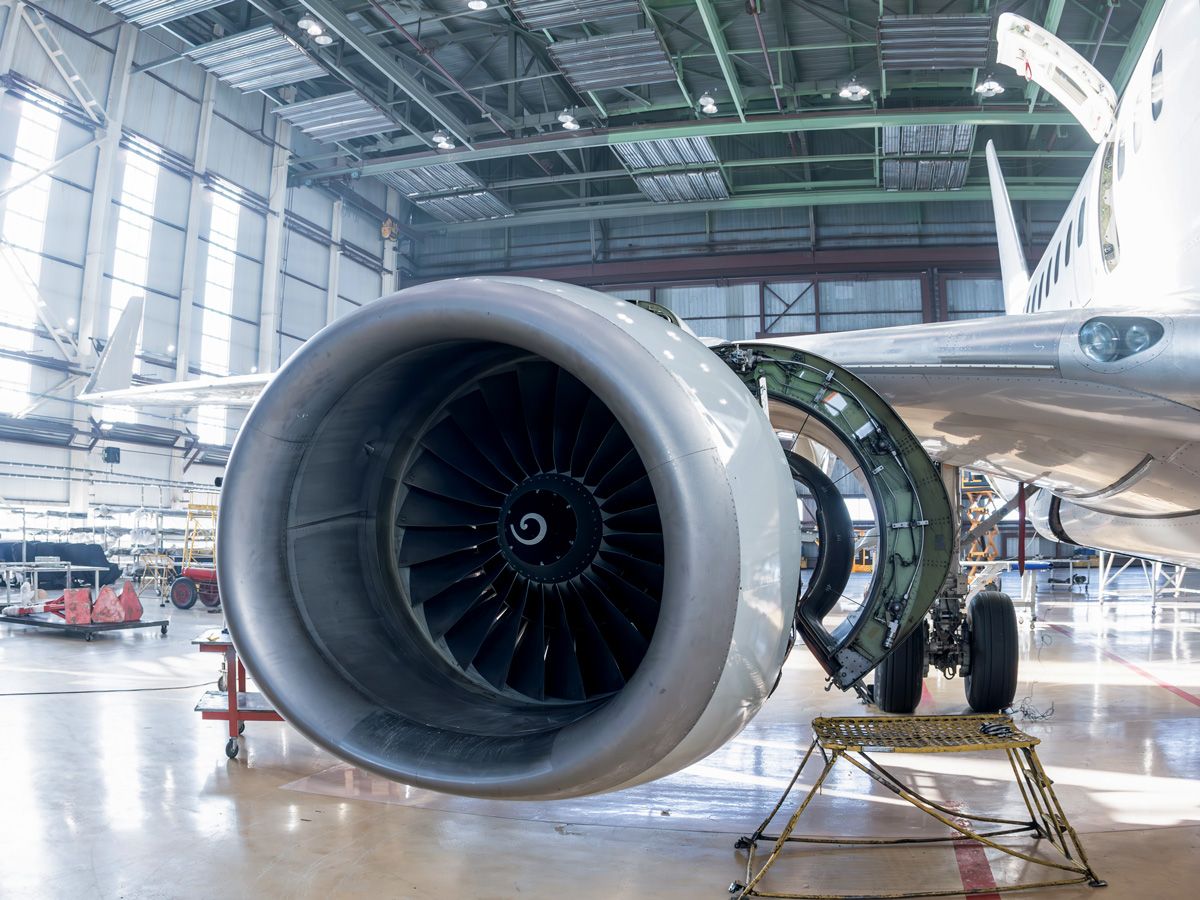
A more important reason is safety. Planes avoid higher cruising altitudes because there’s less air density at those heights, meaning there are fewer oxygen molecules. Planes require oxygen to create combustion in their engines and generate thrust and lift over the wings. If planes were to fly at around 50,000 feet, for example, there is too narrow a margin between the speed required to generate enough lift to avoid a stall and the maximum speed an aircraft can fly without creating dangerous aerodynamic effects like shock waves over the wings. This is why aircraft manufacturers set a maximum service ceiling at which each model can safely fly.
There’s also the question of emergency oxygen supply. If the cabin were to suddenly depressurize, for everyone’s safety the plane would have to make an emergency descent to around 10,000 feet, which would take significantly longer from a higher altitude such as 50,000 feet.
That said, unlike commercial airliners, business jets typically cruise between 41,000 and 45,000 feet, with some jets capable of exceeding 50,000 feet. Such jets are able to reach those heights due to their lightweight nature (which requires less thrust to generate lift) combined with optimized engines that waste less fuel reaching cruising altitude. Another reason why private jets cruise at higher altitudes is to avoid commercial plane traffic. If they flew at 35,000 feet, they’d have to contend with navigating around larger commercial planes.
Other Examples
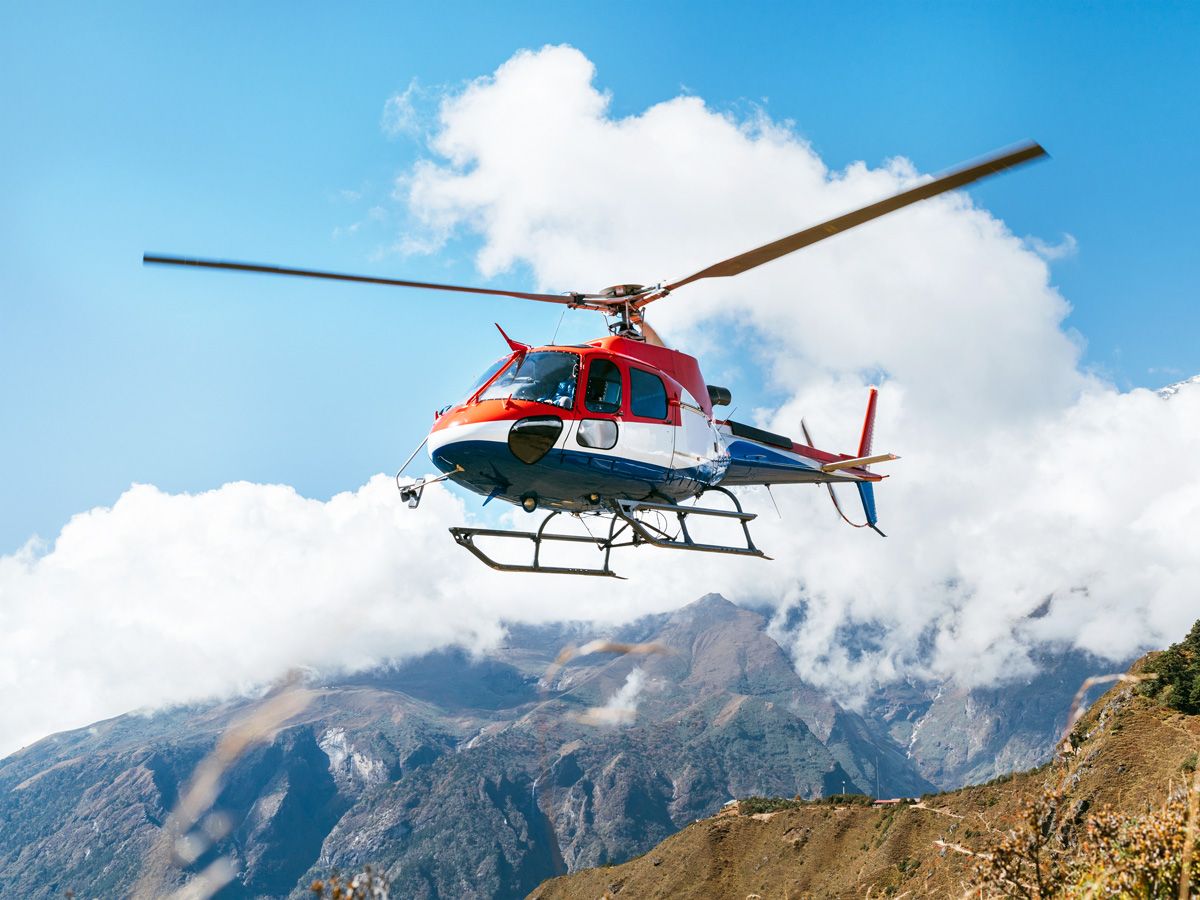
There are several types of aircraft that cruise at altitudes tens of thousands of feet lower than commercial jets. Standard civilian helicopters, for instance, typically max out at about 10,000 to 15,000 feet. They don’t have the capability to fly higher. This design choice is intentional, as helicopters are often used for purposes that require clearer views of the ground, such as sightseeing, search-and-rescue missions, or traffic reports.
Small civilian aircraft usually cruise at altitudes up to 15,000 feet. These small airplanes simply aren’t equipped with the pressurization systems or high-thrust engines needed to fly at higher altitudes.
Lastly, turboprop planes, which rely on engines that combine jet and propeller engine technology, can efficiently cruise at altitudes between 20,000 and 30,000 feet. While they are less common among U.S. airlines these days, you can find them with airlines such as Canada’s Porter Airlines, WestJet, and Air Canada, which all operate the Bombardier Dash 8. These types of planes have the capability to use small runways of regional airports that can’t handle larger commercial airplanes. A turboprop plane benefits from cruising above some, but not all weather, and these airplanes can avoid a good chunk of turbulence at those heights.
Featured image credit: © murat4art—iStock/Getty Images
More from our network
Daily Passport is part of Inbox Studio, an email-first media company. *Indicates a third-party property.