





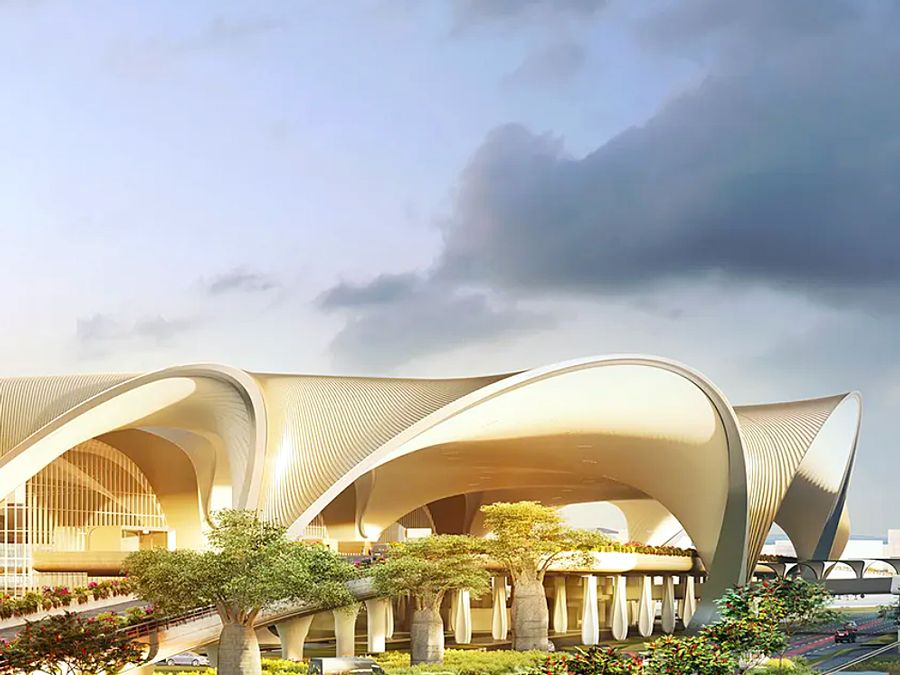
The World’s 7 Most New Beautiful Airport Terminals
The World’s 7 Most New Beautiful Airport Terminals
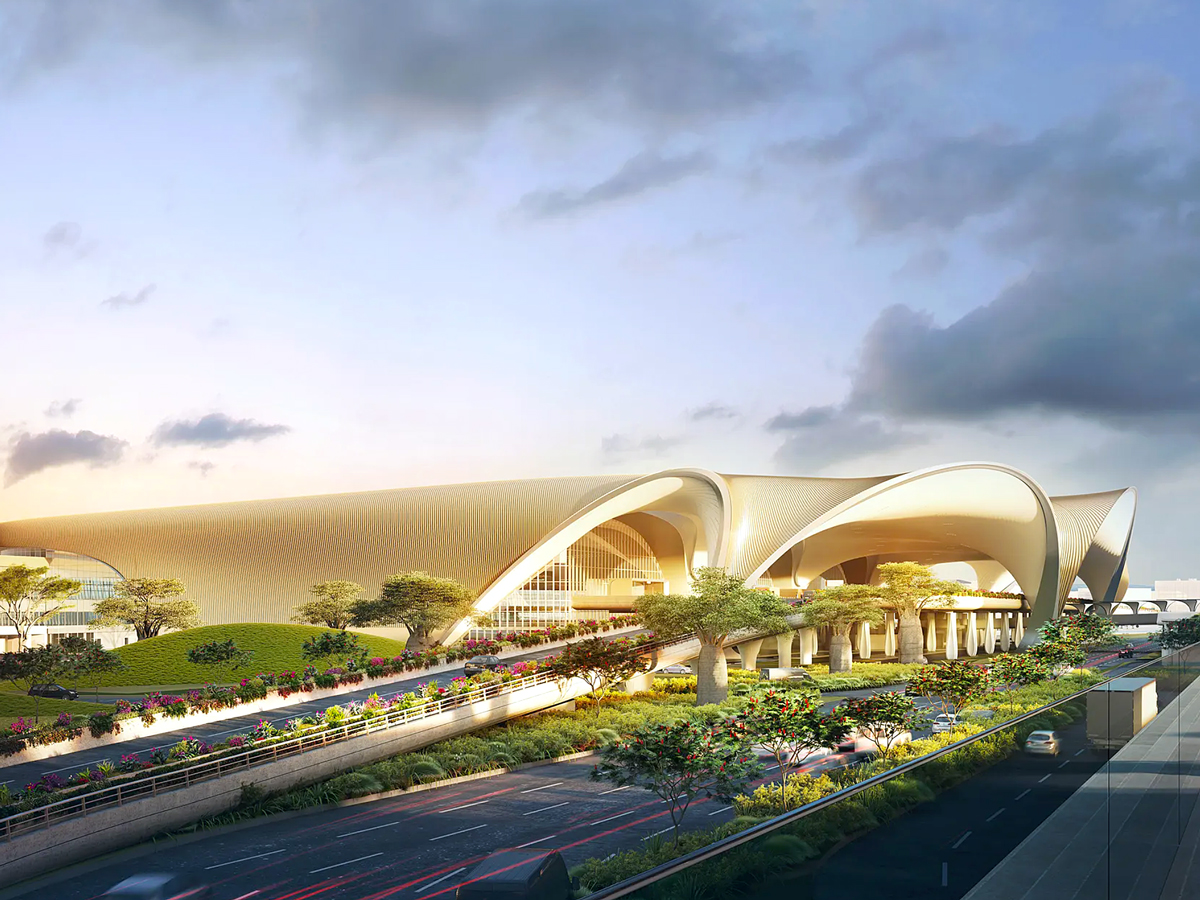

What makes an airport pleasant to travel through? While functionality and efficiency obviously matter, aesthetics also play a role. Some of the world’s busiest airports have invested time and money to make the visitor experience more enjoyable. It’s this attention to detail in amenities, décor, and architecture that makes some airports stand out from the pack.
The Prix Versailles world architecture and design awards bestow an annual honor to newly opened or recently renovated structures that innovate, reflect local heritage, value sustainability, and showcase creativity — deeming a select few the “world’s most beautiful.” Take a look at seven beautiful new terminals that impressed the judges this year.
Guangzhou Baiyun International Airport – China
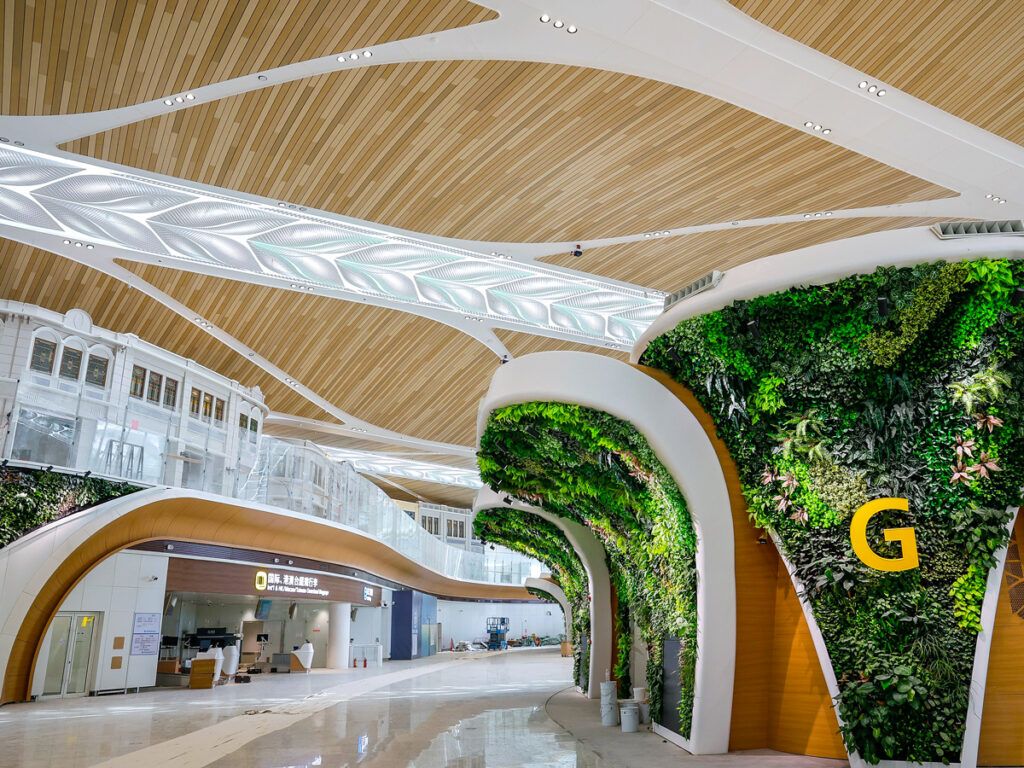
In China, Guangzhou is nicknamed the “Flower City” thanks to a history of cultivation that dates back around 2,000 years. It’s apt, therefore, that its airport’s new Terminal 3, opened in late 2025, gets its design inspiration from the fluid lines of the natural world.
A highlight is its eight-petal roof, the ideal complement to the terminal’s indoor and outdoor gardens, including a botanical garden containing rare species. Equally impressive is the adoption of cutting-edge technology at this major transit hub. Features that streamline check-in, security, and passenger transfers should make this airport easy to navigate. And whether you’re flying or not, you can access a panoramic open-air viewing platform, the first of its kind in China.
Lokapriya Gopinath Bardoloi International Airport – India
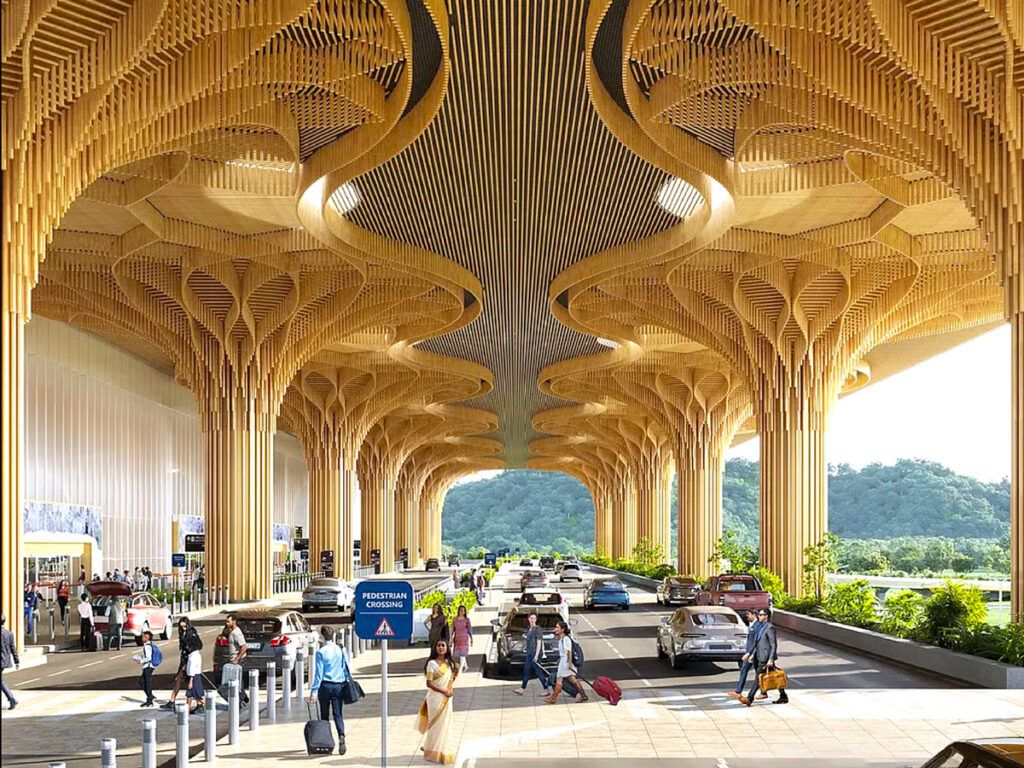
The breathtaking addition of the nature-themed Terminal 2 breathes new life into this regional airport that serves Guwahati, the largest city in northeastern India. The striking architecture references the extraordinary biodiversity found throughout the state of Assam; bamboo sustainably harvested from the airport’s hinterland has been used extensively in construction.
Abundant references to Assam’s state flower also provide a nod to its surroundings, not least in the columns resembling the foxtail orchid that feature in both departures and arrivals. The theme extends to arriving passengers, who pass through an immersive “sky forest” after they land. Design elements spotlighting traditional Assamese Japi hats bring another local element into the terminal.
Navi Mumbai International Airport – India
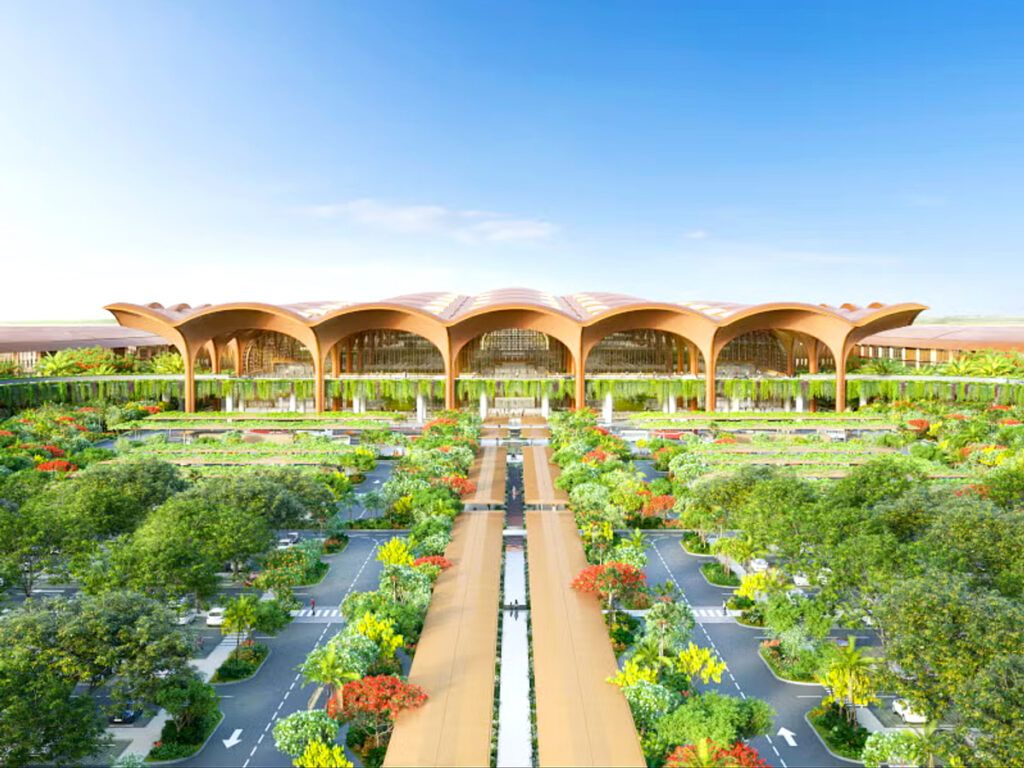
Lokapriya Gopinath Bardoloi International isn’t the only Indian airport to be singled out for praise by Prix Versailles this year. Navi Mumbai International’s Terminal 1 is another worthy recipient of the “world’s most beautiful” accolade.
Inspired by the curves of a lotus flower, the terminal’s fluid lines (the work of Zaha Hadid Architects) create a magnificent first impression, as the roof seems to float above the terminal building. Inside is just as jaw-dropping — curvaceous columns draw the eye upward, while digital artwork on circular screens injects bold colors alongside a dash of Bollywood-inspired energy.
Techo International Airport – Cambodia
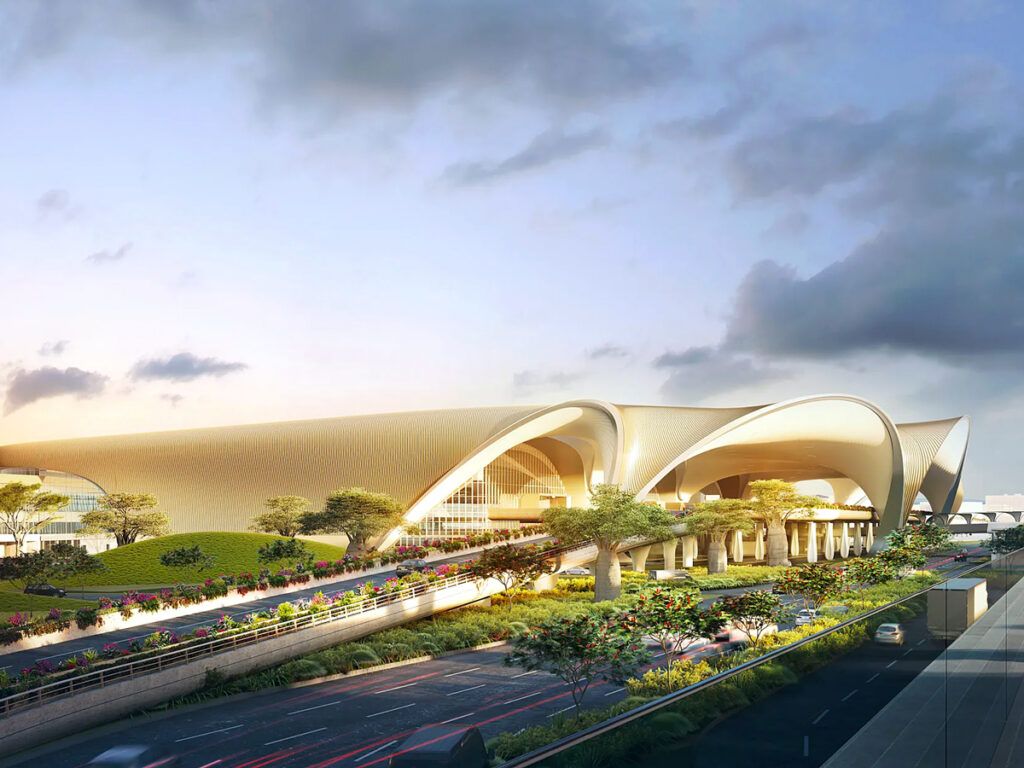
Many visitors to Cambodia will pass through Phnom Penh’s Techo International Airport, located just beyond the southern fringes of the capital. This modern airport was designed by Foster + Partners and draws heavily on its surroundings, resulting in a strong sense of place.
Leafy mature rumduol shrubs (a native species) soften the edges of the treelike pillars that support the airport’s roof, while lattice-shrouded skylights flood the space with dappled light. Departing passengers will be reminded of the palaces and temples they’ve visited, both in the airport’s architecture and the sculptures that adorn it.
Frankfurt Airport – Germany
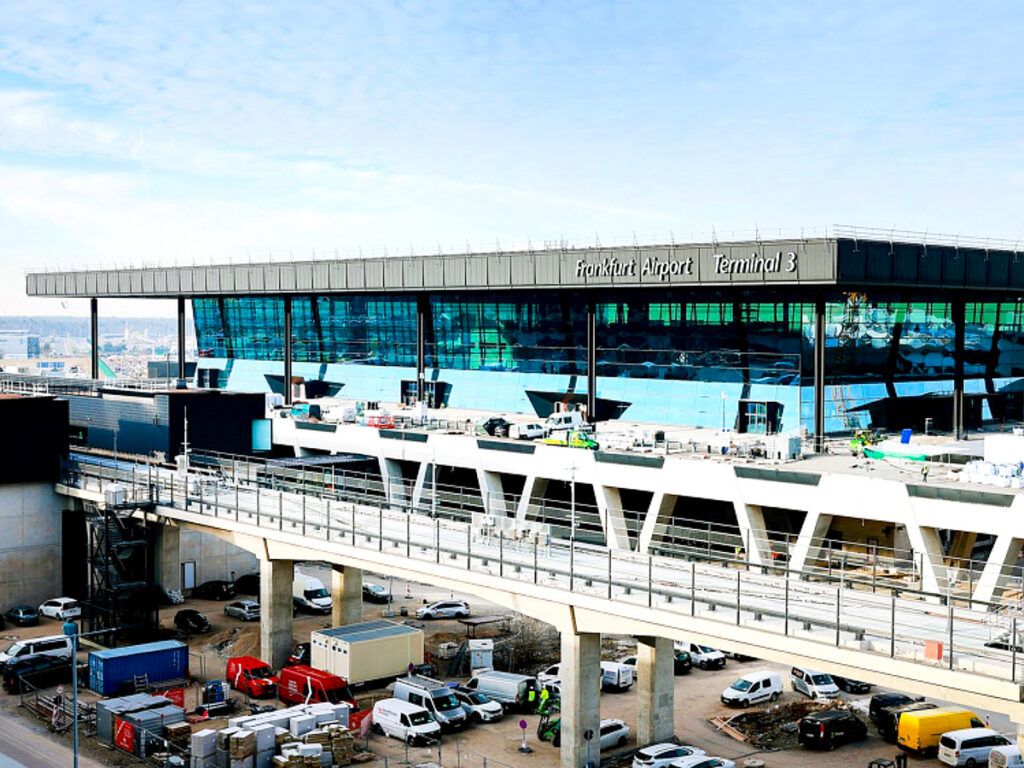
Christoph Mäckler Architekten, the firm behind Frankfurt Airport’s new Terminal 3, aimed to create easily recognizable pathways through Germany’s largest airport. It did so using the form of a beetle as inspiration: Travelers check in at the insect’s head, pass through shops and restaurants as they move through its body, and board their aircraft on piers resembling legs. Within this light and airy layout, the terminal mimics streets and squares, providing a familiar template that even first-time users should find instinctive rather than confusing.
Pittsburgh International Airport – Pennsylvania
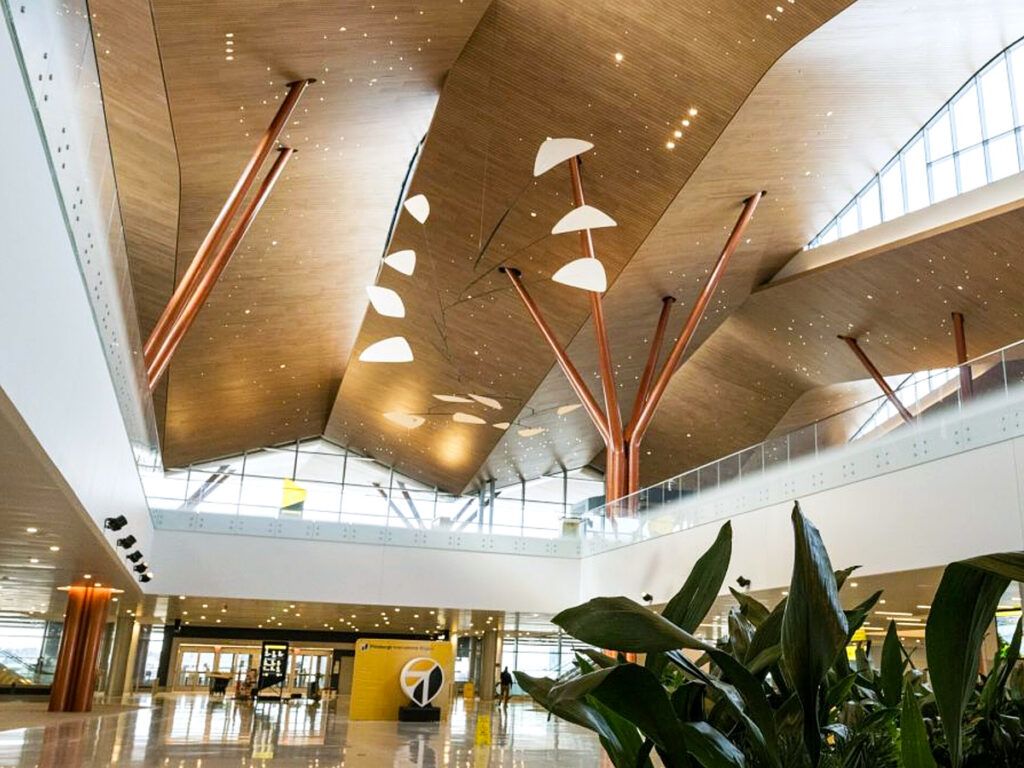
Two U.S. airports made the Prix Versailles list this year, the first of which is Pittsburgh International’s $1.7 billion transformation unveiled in late 2025. The work of Gensler and HDR in association with Luis Vidal + Architects, the reimagined airport reflects its Pennsylvania setting throughout.
The exterior is modeled on the building’s mountain backdrop, with outdoor terraces showcasing native flora. Meanwhile, its interior channels the state’s forested areas through wooden ceilings and treelike columns. But the airport doesn’t just look good — it works better, too. Gone is the outdated people mover; the new layout halves the time it takes to go from curbside to the departure gates.
San Diego International Airport – California
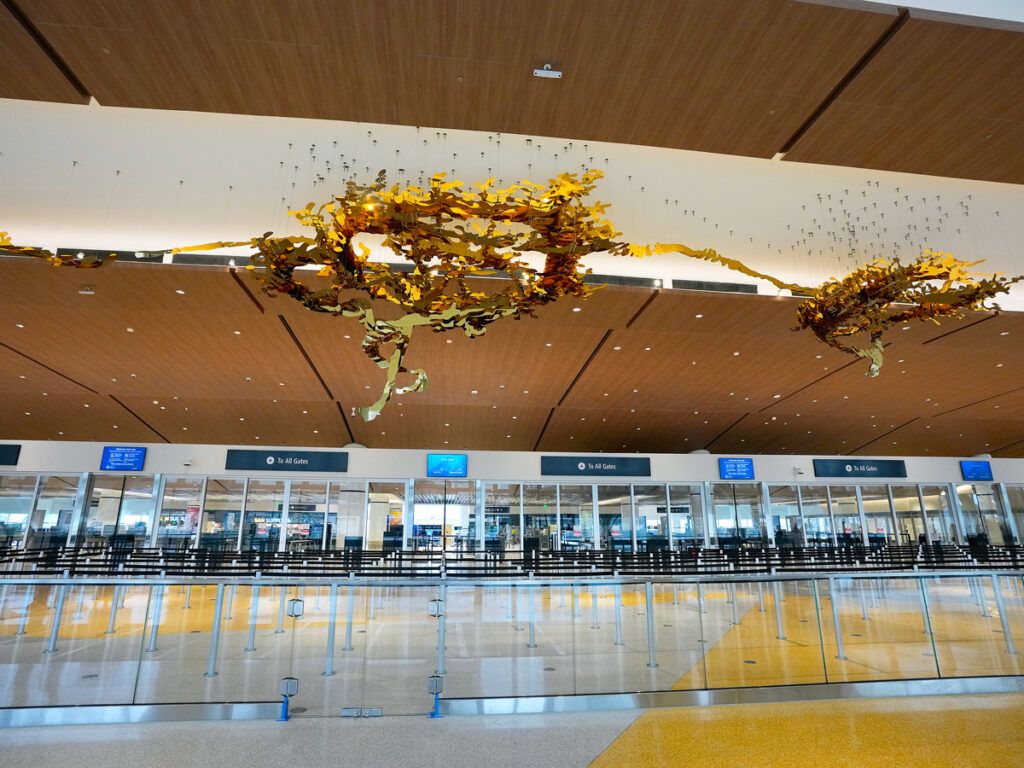
San Diego International Airport’s glorious redesigned Terminal 1 also captured the imagination of the Prix Versailles judges. Another product of the Gensler team, this contemporary construction makes a powerful first impression, thanks in part to a 15-foot-high pink jellyfish installed at the entrance.
Art, architecture, light, and layout have been thoughtfully combined to evoke the sun, sea, and canyons that locals know well. Where else would an airport’s façade — comprising waves, fins, and curved glass panels — become a piece of art in its own right? Close up, the design cleverly reveals subtle clues on how to navigate the building intuitively, which are communicated through accent colors, tile patterns, and changes in ceiling height.
More from our network
Daily Passport is part of Inbox Studio, an email-first media company. *Indicates a third-party property.