





What Flying Really Cost in the 1950s and ’60s
What Flying Really Cost in the 1950s and ’60s

Travelers today can compare dozens of airlines, watch for sales, and choose from a range of fare options to fly somewhere. But in the 1950s and ’60s, air travel was not yet a common mode of transportation for many Americans. At the time, the airline industry was built around high fares and limited competition. On paper, prices from the ’50s and ’60s look low, but what did it really cost compared to now?
Airfare Was Set by the Government

Until the late 1970s, commercial airlines in the United States operated under strict federal regulation. The Civil Aeronautics Board (CAB), created in 1938, controlled commercial aviation in the U.S., including what airlines flew which routes and how much flights cost. The system was designed to ensure reliable service across the country, but it also meant travelers had fewer choices when it came to finding cheaper flights.
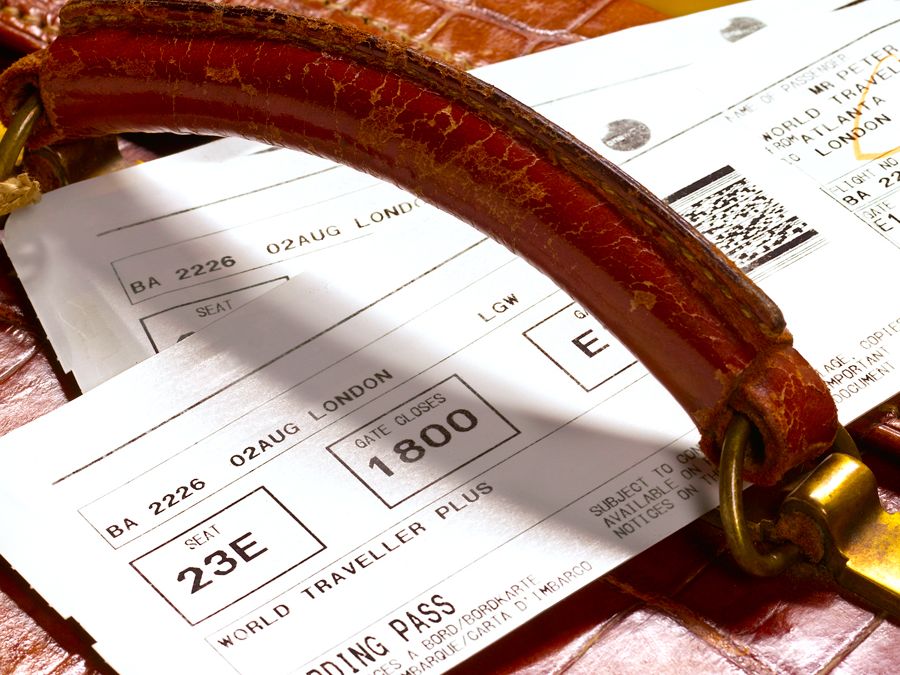
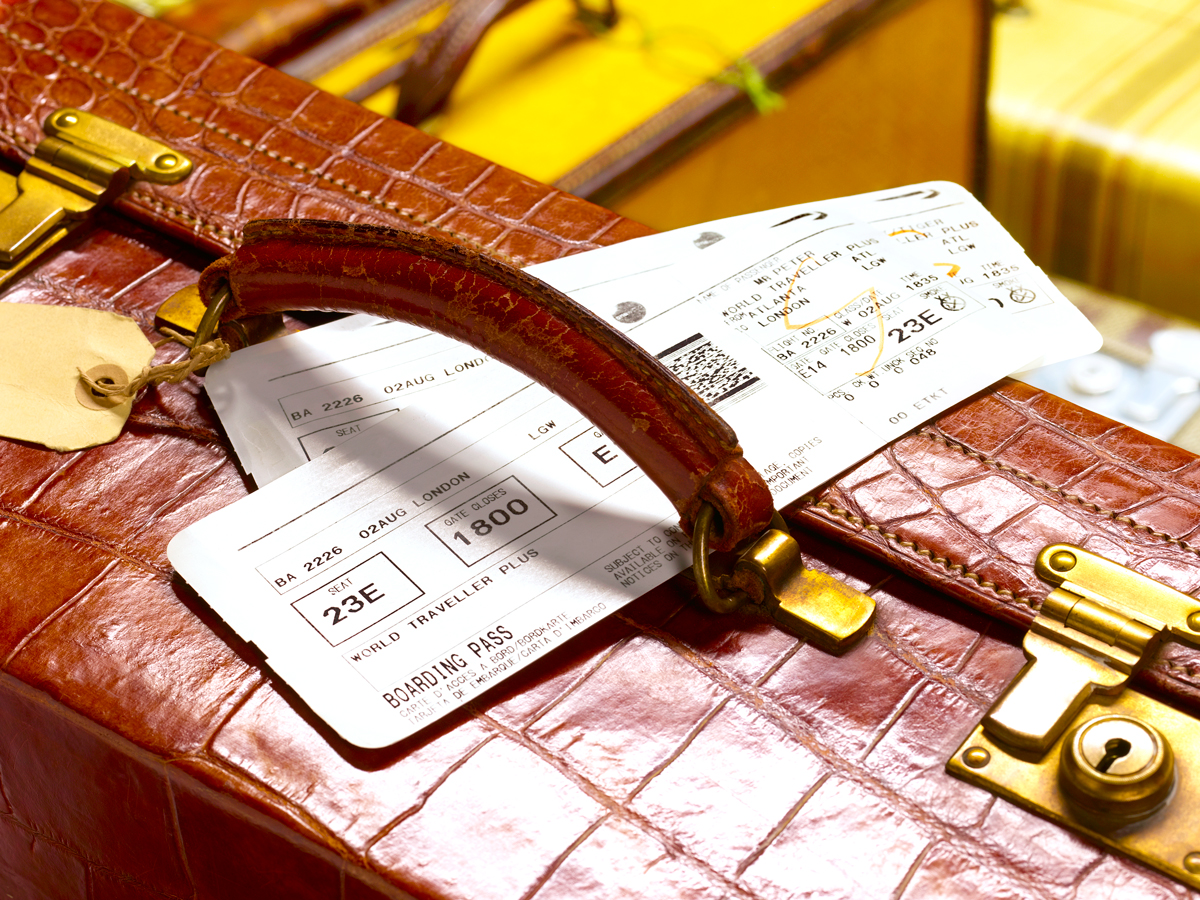
The price of flying reflected that. In 1961, for example, a coach ticket from New York to Los Angeles cost travelers $152.46 one way, including federal transportation tax and a jet surcharge. A round-trip journey cost over $300 — more than $3,300 in 2026 dollars. Similarly, in 1960, Life magazine advertised a 17-day Pan Am jet economy trip from New York to London for $350 round-trip — that’s just shy of $4,000 today.
Flying Wasn’t for Everyone

Even as jet aircraft such as the Boeing 707 dramatically reduced travel times beginning in the late 1950s, high ticket prices remained a barrier to entry for most people. In 1960, the median U.S. household income was about $5,600 a year. A $300 round-trip flight represented more than 5% of that annual income for just one traveler. For a family vacation, the costs multiplied quickly, and that was before adding accommodations and meals.
For many Americans at the time, long-distance travel was still more likely to happen by car or train, and simple vacations such as camping were quite popular. Even though airline passenger numbers quadrupled throughout the jet age (between 1955 and 1972), flying was still far from routine. It would take another major industry shift before air travel became accessible to much of the middle class.
Deregulation Changed Everything
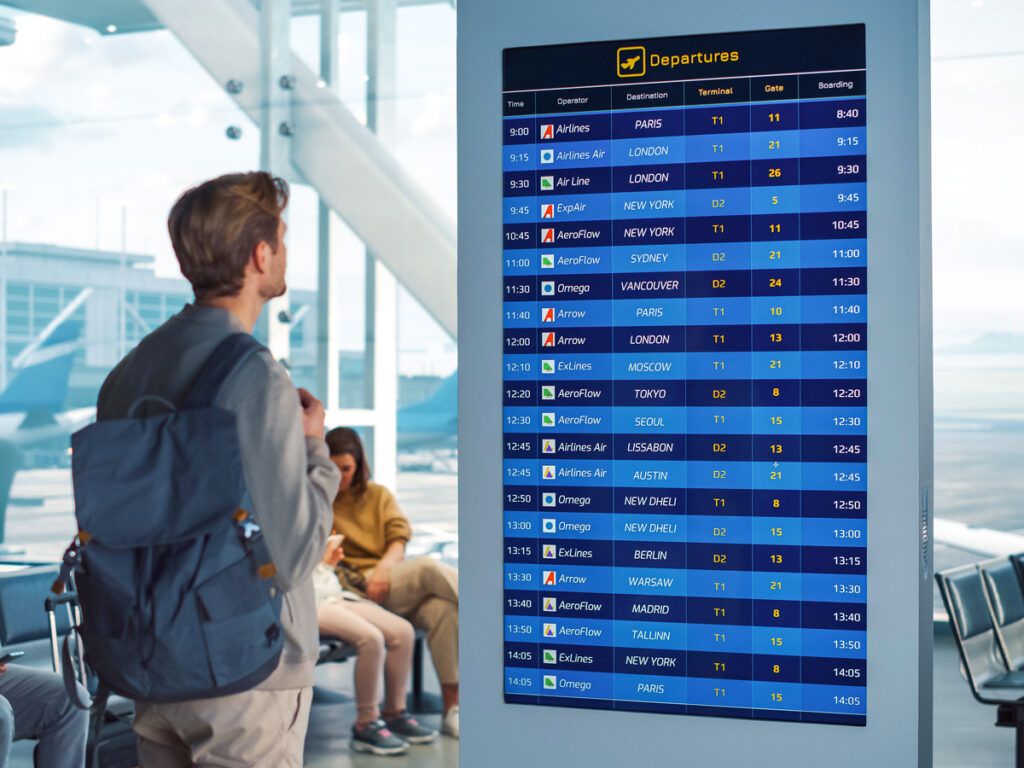
That shift came in 1978 with the Airline Deregulation Act. The law gradually removed the federal government’s control over routes and fares, allowing airlines to compete directly with one another. Carriers could enter new markets, offer discounted tickets, and adjust prices based on demand. The change did not happen overnight, but the long-term impact was substantial.
In 1979, shortly after deregulation began, the average domestic round-trip airfare was the equivalent of about $700 today. By 2016, that average had dropped to roughly $350 (about $485 now). Airline fees also increased during that period — rising from the equivalent of about $1.65 per passenger in 1979 to more than $22 by 2016 — but even with those costs included, flying is now far cheaper than it was during the regulated era.
Competition intensified throughout the 1980s and beyond. Newer low-cost carriers focused on keeping fares down, while online booking and fare-comparison tools eventually transformed buying a plane ticket from a major financial decision into something many travelers could do with a few clicks.
Cheaper Flights Mean Compromises — and Opportunities
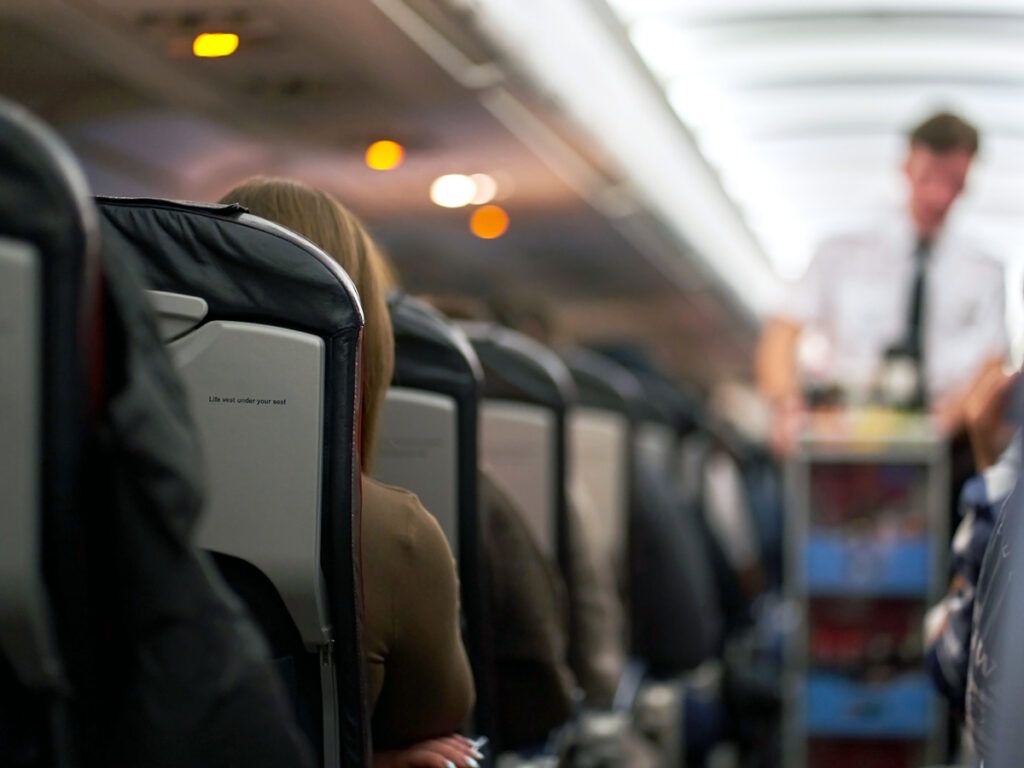
The golden age of flying is often remembered for its comfort. And in many ways, those memories are accurate. Seats were larger, meals were more elaborate (and free), and airlines placed greater importance on service. But those comforts came with a trade-off. Beyond the fact that far fewer people were able to afford the experience, the flights were often not direct, taking upwards of 15 hours from New York to London. (Today it’s about half that.)
The little luxuries of the past may be looked upon fondly, especially as we now squeeze into tighter seats and pay extra for services such as checked bags. But today, air travel is not only much faster and more convenient than in the past, but also much more accessible, with many people being able to afford opportunities that would have seemed impossibly lavish not even a century ago.
Featured image credit: © Peter Dazeley—The Image Bank/Getty Images
More from our network
Daily Passport is part of Inbox Studio, an email-first media company. *Indicates a third-party property.