



This State Gives Its Residents a Dividend Check Every Year
This State Gives Its Residents a Dividend Check Every Year
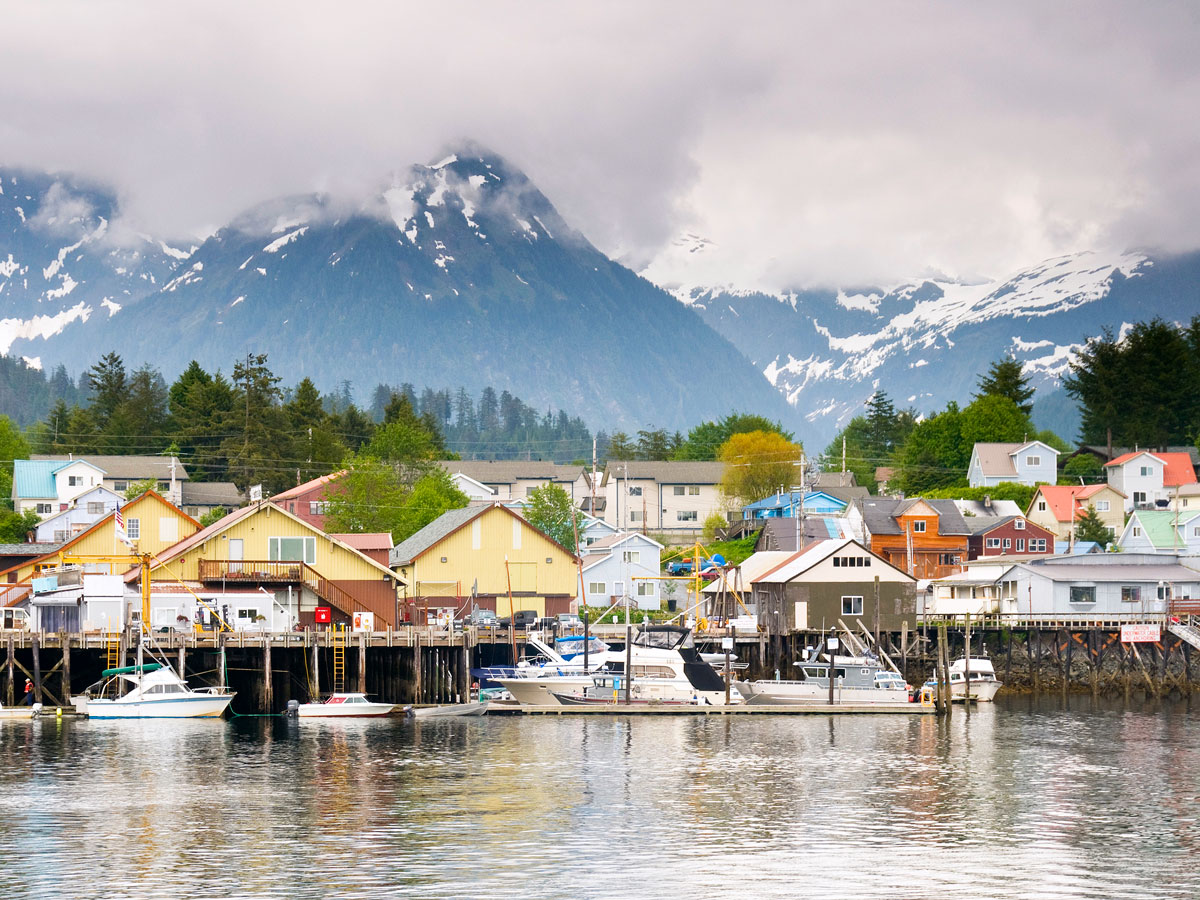
Alaska is known as the “Last Frontier,” a vast wilderness of deep fjords, jagged peaks, majestic glaciers, and remote towns built around the oil industry, fur trading, and fishing. The state also has one of the world’s most unusual economic policies. Every year, Alaska residents receive a slice of the state’s oil wealth — no strings attached. Let’s take a look at the fascinating history of this idea, exactly who benefits, and the knock-on effects for travelers visiting Alaska.
An Idea That Changed Alaska
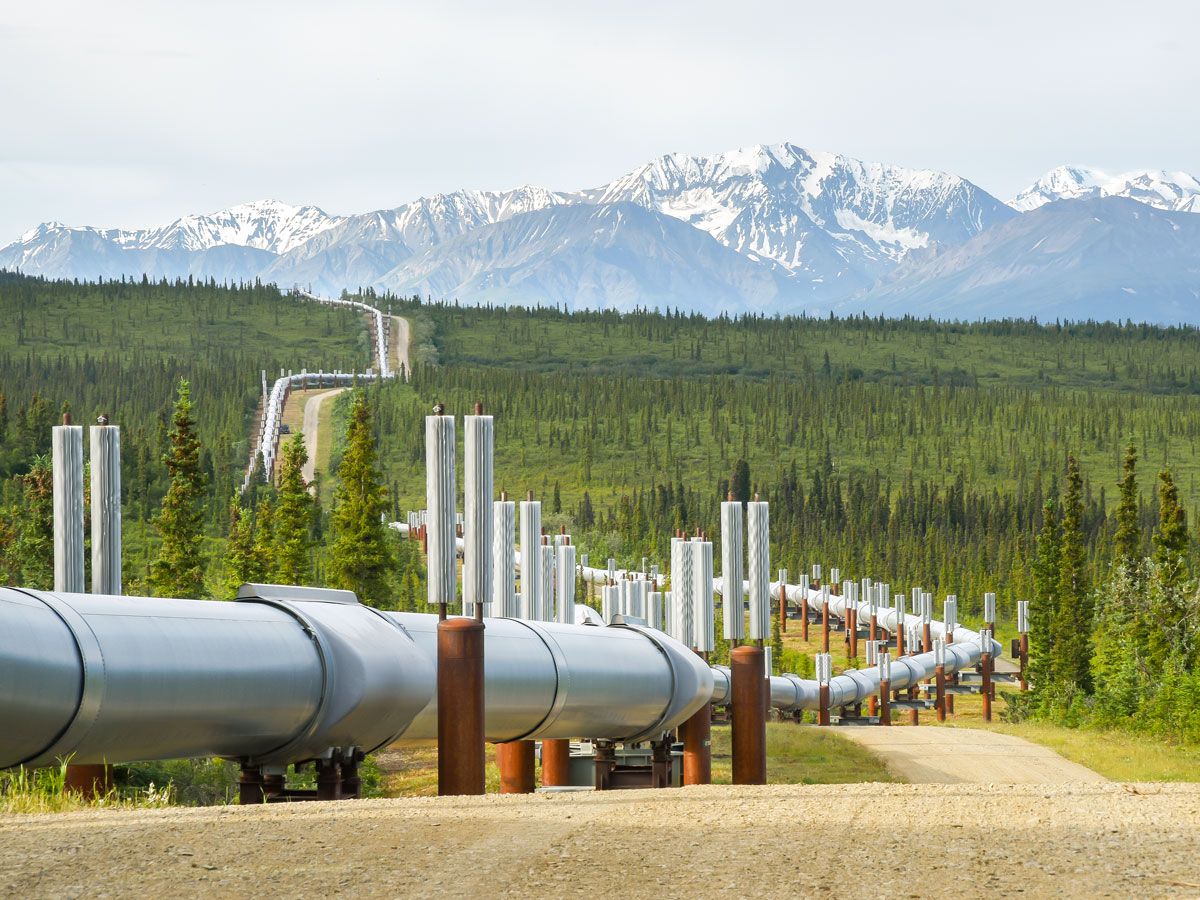
In 1867, U.S. Secretary of State William Seward finalized a deal to pay Russia $7.2 million for the Alaskan territory. Many mocked the decision, calling it “Seward’s Folly,” with the view that the remote territory was little more than a barren wasteland. For decades, the region functioned mainly as a fur trading outpost, but that changed in 1896 with the short-lived Klondike gold rush. However, even by the 1960s, Alaska remained sparsely populated, with its economy relying on commercial fishing and a growing military presence.
A huge shift in Alaska’s fortunes occurred in 1968, when an estimated 9.6 million barrels of recoverable crude oil were discovered in Prudhoe Bay, triggering a job boom as well as global interest in Alaska. Oil money became the catalyst for a radical idea: the announcement of the state-owned Alaska Permanent Fund following a 1976 vote. Essentially, it’s a long-term investment fund fueled by oil revenues, with the goal of every Alaskan benefiting from an annual dividend.
The Arrival of the Dividend

Although the concept was simple, the path to the first Alaska Permanent Fund Dividend (PFD) wasn’t altogether straightforward. In 1980, lawmakers approved legislation proposing that all adult Alaska residents should receive $50 for every year they had lived in the state since 1959. However, the U.S. Supreme Court ruled it unconstitutional because it created an unfair preference for long-term residents. In response, the state Legislature passed a law guaranteeing equal payments to anyone living in Alaska for at least six months. In June 1982, qualifying Alaskans were the lucky recipients of a $1,000 check.
One of the core philosophies behind the dividend fund was to reframe how resource wealth could be shared. Rather than seeing oil riches disappear into government accounts, Alaskans would reap the rewards of the natural resources extracted from their land. For many people, it’s viewed not as a government handout or welfare, but more akin to shared ownership and return on a valuable public asset. The idea is simple: When a place prospers, those who call it home should, too.
Who Actually Gets a Check? And How Much?

Though the original rule required six-month residency, the current eligibility requirement was established in 1990. To receive a dividend, applicants need to be an Alaska resident for an entire calendar year and have intent to remain indefinitely. They must be physically present in the state for 180 days out of the year and not hold any other state or country residency. Everyone from children and adults can claim a dividend check. (Child payments are directed to a nominated custodian until the child turns 18.)
The annual payout isn’t a fixed amount; rather, it can rise or fall according to several factors. These include how many residents qualify and apply on time, along with the performance of the Alaska Permanent Fund’s investments. The highest dividend amount to date is $3,284, paid in 2022, and the lowest was $331.29 in 1984. In 2025, the amount will be an even $1,000.
The Bigger Picture
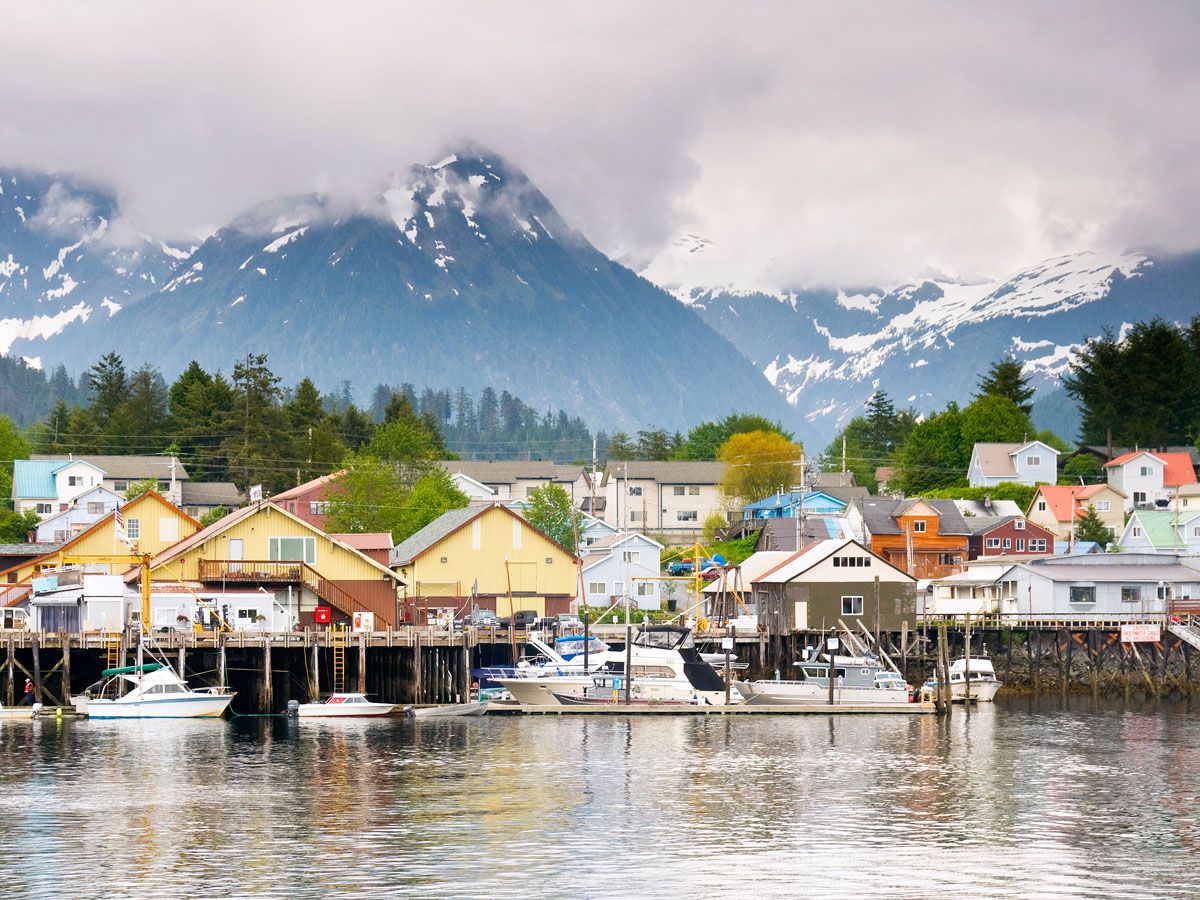
For many Alaska residents, the PFD is more than just a yearly windfall — it’s a reliable financial boost that can significantly improve their quality of life. In a state where many towns and communities are remote and seasonal work is common, the extra cash can help cover winter heating and travel expenses, among other year-end bills. Local business owners can feel a boost, too, with shops and restaurants able to stock up and potentially serve more customers. Studies have found that it also has helped to reduce poverty levels among Indigenous populations and more vulnerable Alaskans.
Benefits for Tourism
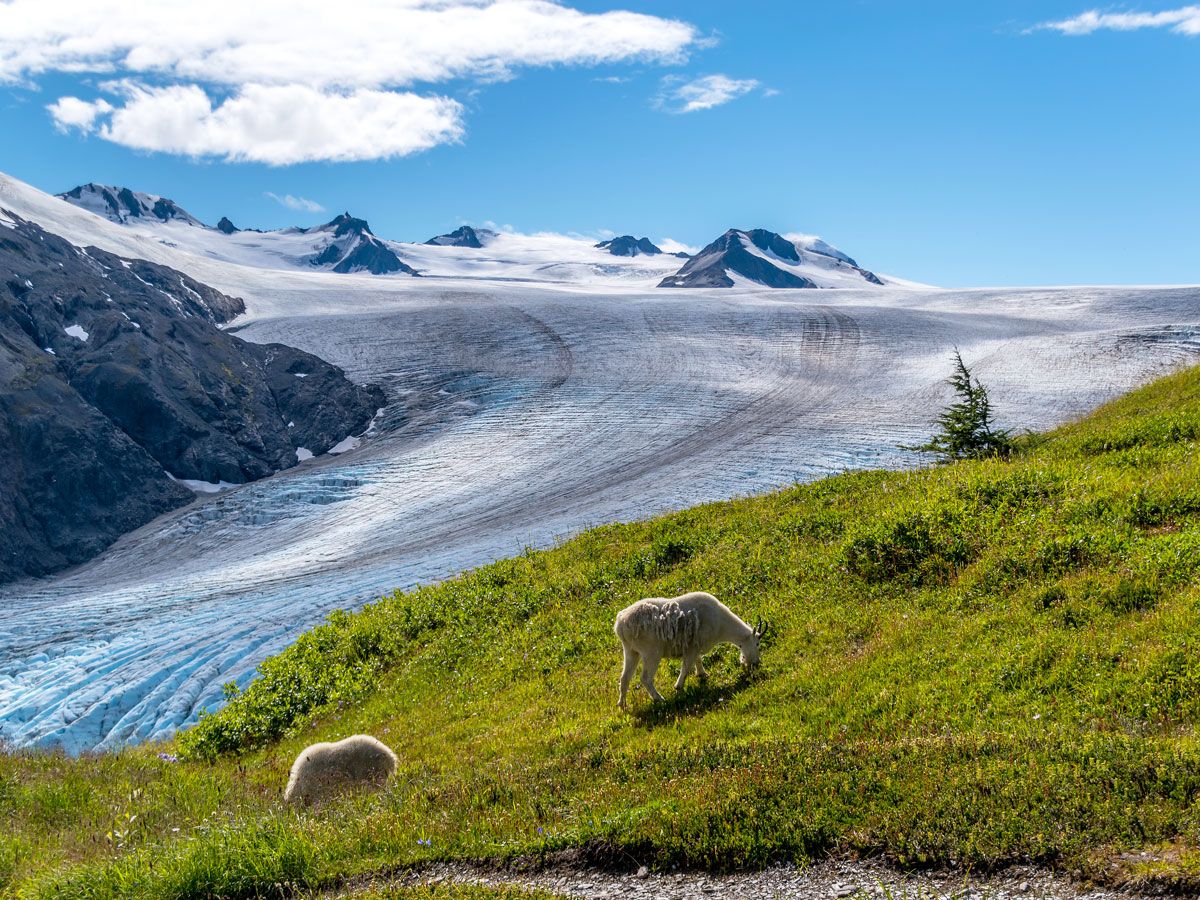
While big cities like Anchorage are a big draw, Alaska’s tourism map also runs through small towns that often have to operate in extreme conditions. While the dividend doesn’t directly impact the state’s travel industry, it can provide a welcome bonus to the people and communities who run it, especially in these more remote corners.
For example, in Seward, a major gateway to Kenai Fjords National Park, local operators might have a stronger financial footing to reopen earlier in spring. Year-round residents in Healy can use the funds to increase the availability of guides for hiking, biking, dog-sledding, and snowmobiling in Denali National Park and Reserve. Similarly, Homer, located on Kachemak Bay, is better equipped for running halibut fishing charters and tours to Kachemak Bay State Park thanks to the dividend checks that local operators receive.
More from our network
Daily Passport is part of Inbox Studio, an email-first media company. *Indicates a third-party property.