






What To Do if You Get Downgraded on a Flight
What To Do if You Get Downgraded on a Flight
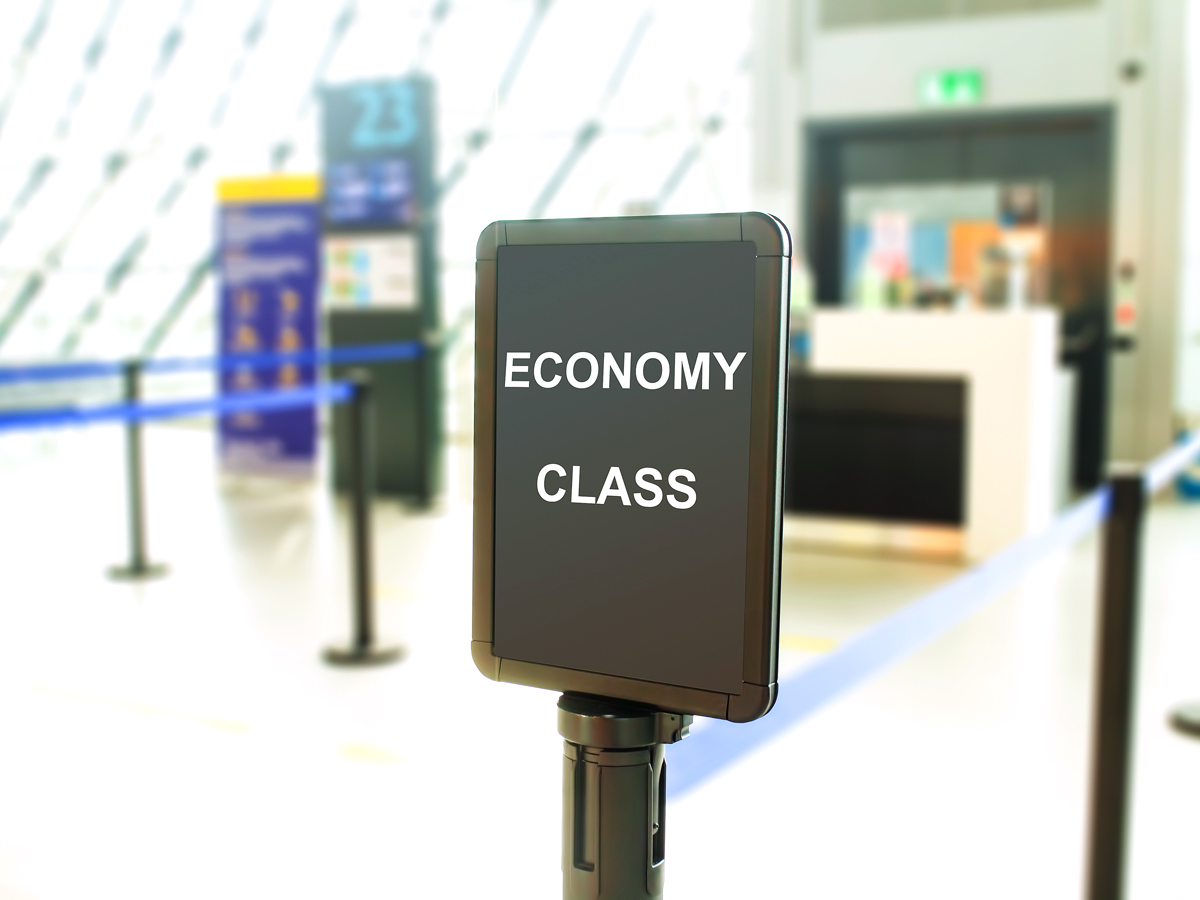

You’ve been checking your flight itinerary for weeks and finally scored a great upgrade offer. But one minute, you’re looking forward to extra legroom and a glass of wine before takeoff, and the next, right before you board, you find your seat has been given away and you’re back in coach. You’ve been downgraded — and though it’s rare, airlines do really do this, even if you bought a premium fare from the beginning. Here’s what to do when it happens and what you’re entitled to.
What It Means To Be Downgraded
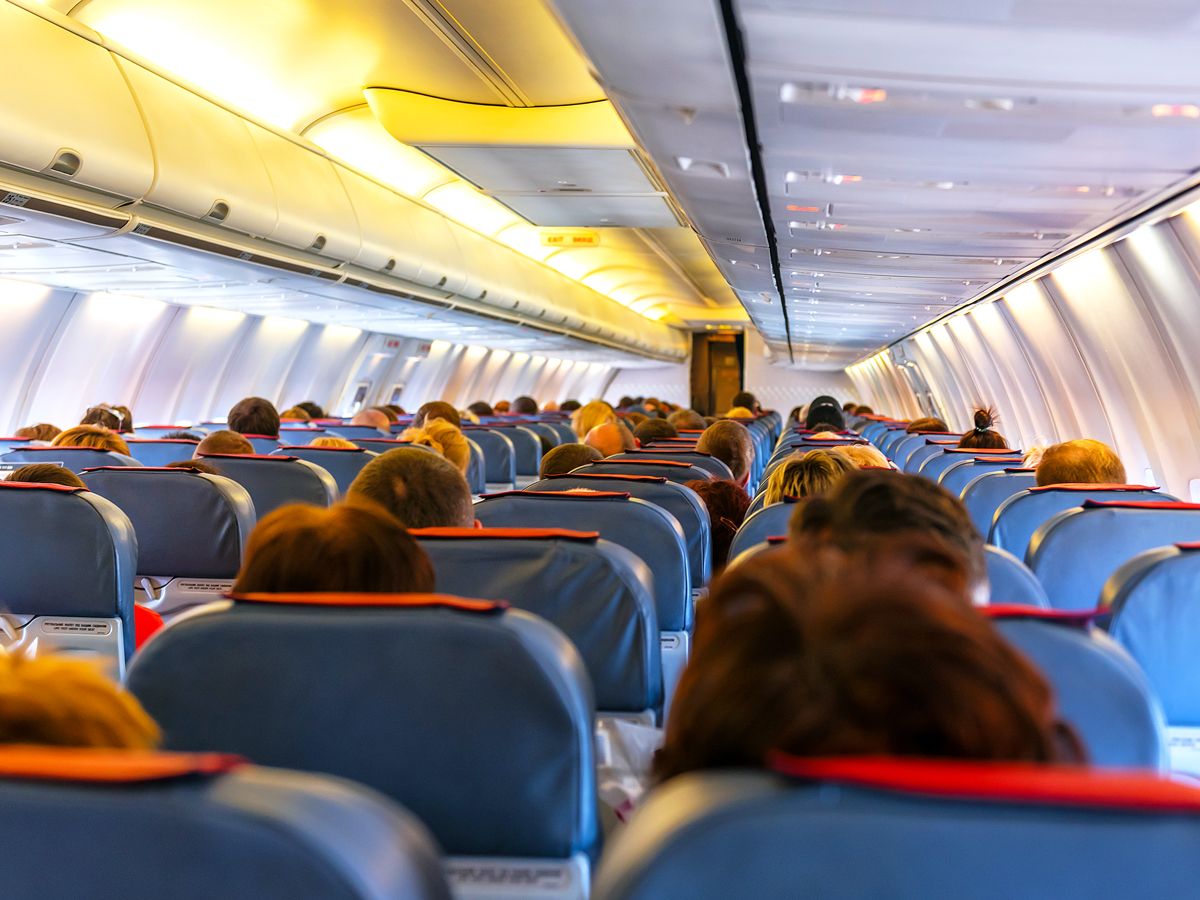
There’s a key difference between getting downgraded and having your seat changed from an aisle seat at the front of the economy-class cabin to a middle seat at the back of the plane. While you might consider that a downgrade in your experience, in travel terms, “downgrade” refers specifically to being involuntary bumped from a higher class of service to a lower one.
In the example above, you’re still seated within the same cabin, so airlines don’t owe you any compensation. Per their contracts of carriage, airlines don’t guarantee a specific seat assignment within the same cabin. But if you’re moved, for instance, from Delta Comfort to Main Cabin, or from United Polaris (long-haul business class) to Premium Plus (premium economy), that constitutes a downgrade.
Why You Might Be Downgraded
There are several reasons an airline may need to move you out of the seat you paid for. The most common is overbooking a flight, according to Anton Radchenko, CEO at AirAdvisor, a company that helps passengers claim compensation for flight disruptions. In an interview with CNN, he shared this was the reason he had been downgraded twice in the past.
Other reasons might include a last-minute aircraft swap to a model with a smaller first-class cabin, a broken or inoperative seat, or an off-duty crew member who requires the seat to commute to their next assignment.
In some cases, you may be downgraded due to operational reasons — for instance, missing your connecting flight after your inbound flight arrived late. If the next available flight doesn’t have any seats remaining in the cabin you booked, you may be reaccommodated in a lower class of service than the one you paid for.
How Do Airlines Decide Whom To Downgrade First?

Each airline has a specific process for how they determine who will be downgraded. While these policies aren’t usually published, AirAdvisor notes that “their decision is based on a combination of a passenger’s status as a frequent flyer, their seating class, and when they checked in.”
To avoid the chance of a downgrade happening, check in for your flight as soon as it opens and be sure you’re at the gate on time before boarding starts. It also pays to hold elite status with an airline, as those passengers tend to be last to be downgraded. You might even consider a more expensive fare, as those who purchase lower fares have higher odds of being bumped. It’s generally also more likely the airline will bump solo passengers to avoid splitting up companions and families.
Keep in mind, however, that downgrading is relatively rare — and you have options if it does happen — so paying more to reduce the likelihood of something that’s already unlikely may not be worth it.
What Are Your Rights if You’ve Been Downgraded?
According to the U.S. Department of Transportation, passengers who are downgraded to a lower class of service are entitled to a refund. If you choose not to travel or accept an alternative form of compensation from the airline (such as travel credits or vouchers), you can get a full refund of the price you paid, which is due back to your credit card within seven days after you reject the airline’s offer.
If you choose to still fly on a downgraded segment, airlines are required to refund you the difference between the original fare you paid and the downgraded fare. Importantly, the fare difference should be calculated based on the time you originally booked, not the time you were downgraded. Beyond that, the DOT doesn’t stipulate airlines offer you anything else, but some carriers may offer miles or a voucher as a goodwill gesture.
If you’re traveling within Europe, however, downgrades are handled a bit differently. Under what’s known as EU 261, a broad set of regulations around flight disruptions, airlines in Europe are required to refund between 30% and 75% of the ticket price for involuntary downgrades, based on the distance of your flight.
Why It’s Important To Be Proactive

As we’ve already noted, downgrading is rare. But if it happens to you, it’s important to act quickly and be proactive about receiving the compensation you deserve.
Ideally, the airline will notify you of the situation, but it’s also a good idea to regularly check your itinerary details before the departure date. If you notice you’ve been moved to a lower class of service, take action immediately — the sooner you reach out to the airline, the higher the likelihood they’ll be able to reaccommodate you in a premium seat on another flight within a reasonable time frame.
If you find out at the gate, speak with the gate agent or customer service desk about your options. Sometimes, an airline’s app or website may show you alternative arrangements, which you should book as quickly as possible before other customers take them. In either case, make sure you get written confirmation of the downgrade and hold onto your boarding pass, which you may need in order to get a refund.
If you still choose to fly and are owed a refund, you may have to seek it out yourself on the airline’s website (for example, Delta’s refund request form). And even though U.S. airlines aren’t required to provide anything beyond the refund of the fare difference, it doesn’t hurt to ask for additional compensation and explain your reasoning with your request.
More from our network
Daily Passport is part of Inbox Studio, an email-first media company. *Indicates a third-party property.