





20 Traditional Holiday Foods From Around the World
20 Traditional Holiday Foods From Around the World

Nothing brings people together during winter’s dark months like food, and the holidays are a perfect excuse for celebratory feasts with friends and family. While there are universal favorites — think eggnog, pumpkin pie, gingerbread — many countries and specific regions have their favorite foods and drinks. Whether celebrating Thanksgiving, Christmas, Hanukkah, a few days off work, or none of the above, don’t miss a chance to expand the menu and enjoy a few of the world’s favorite holiday dishes.
Lefse – Upper Midwest
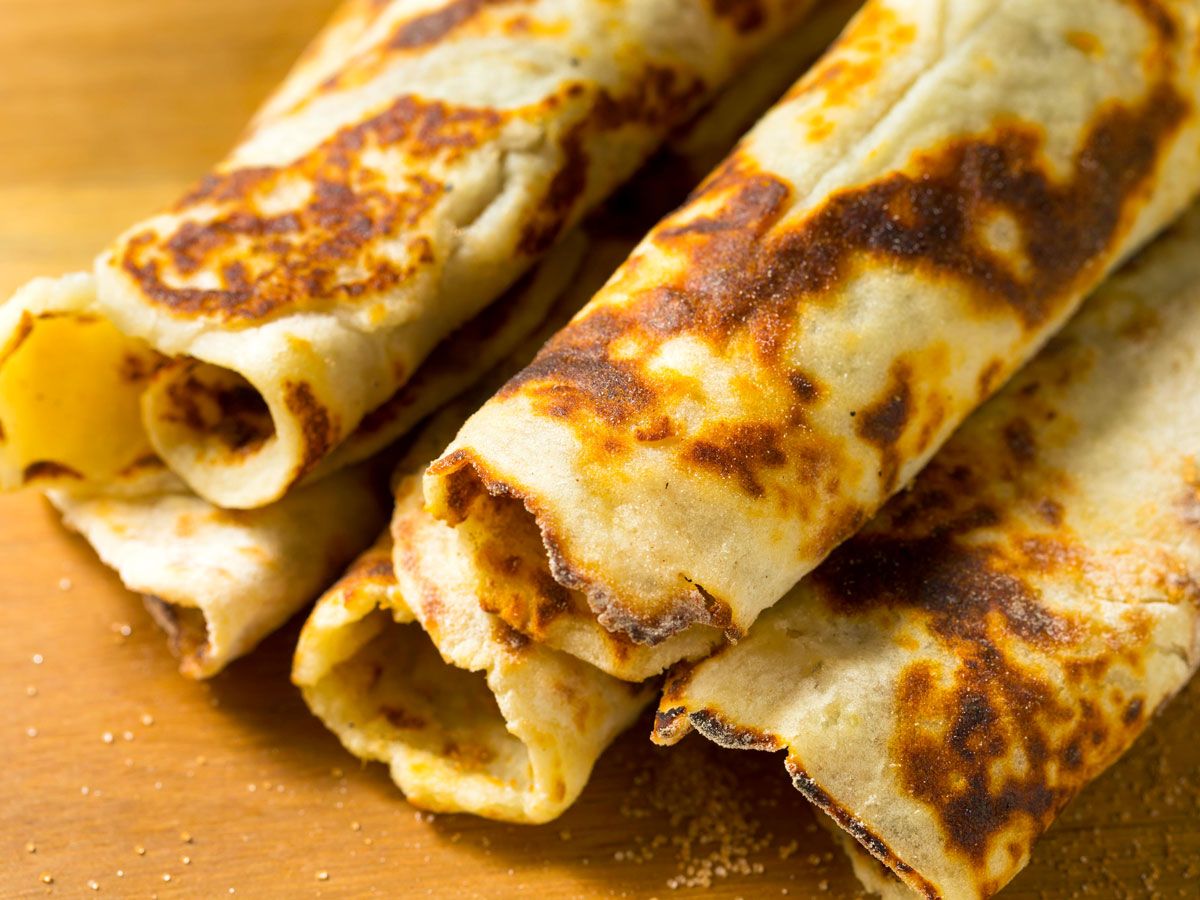
Norwegians who settled in America’s Upper Midwest brought their own traditional culinary favorites, including lefse (pronounced “lef-suh”), which is particularly popular at Christmas. Similar to a tortilla or a crepe, these tender flatbreads are made from chilled mashed (or riced) potatoes, bound with a scant amount of flour and a bit of fat (usually butter, but sometimes lard or cream). The dough is then thinly rolled into circles, and quickly browned on a griddle. Smeared with butter and spread with lingonberry jam, sprinkled with cinnamon sugar, or rolled around meat and eggs, lefse is a staple of holiday tables in states like Minnesota, North Dakota, and Wisconsin.
Coquito – Puerto Rico

Whatever you do, do not call it eggnog. Although Puerto Rico’s beloved holiday tipple does have some similarities to eggnog, this rich and creamy punch often contains no eggs at all. Each family has their own (usually closely guarded) recipe, but the basics of coquito (which translates to “little coconut”) are generally evaporated milk, sweetened condensed milk, cream of coconut, and unsweetened coconut milk. Then it’s time to tinker with the spices (cinnamon, star anise, maybe a little nutmeg or clove) and, finally, the rum. Puerto Rico produces some of the world’s best, but non-alcoholic versions still get into the spirit by using a dash of rum extract, or omitting it altogether.
Fondue Chinoise – Switzerland
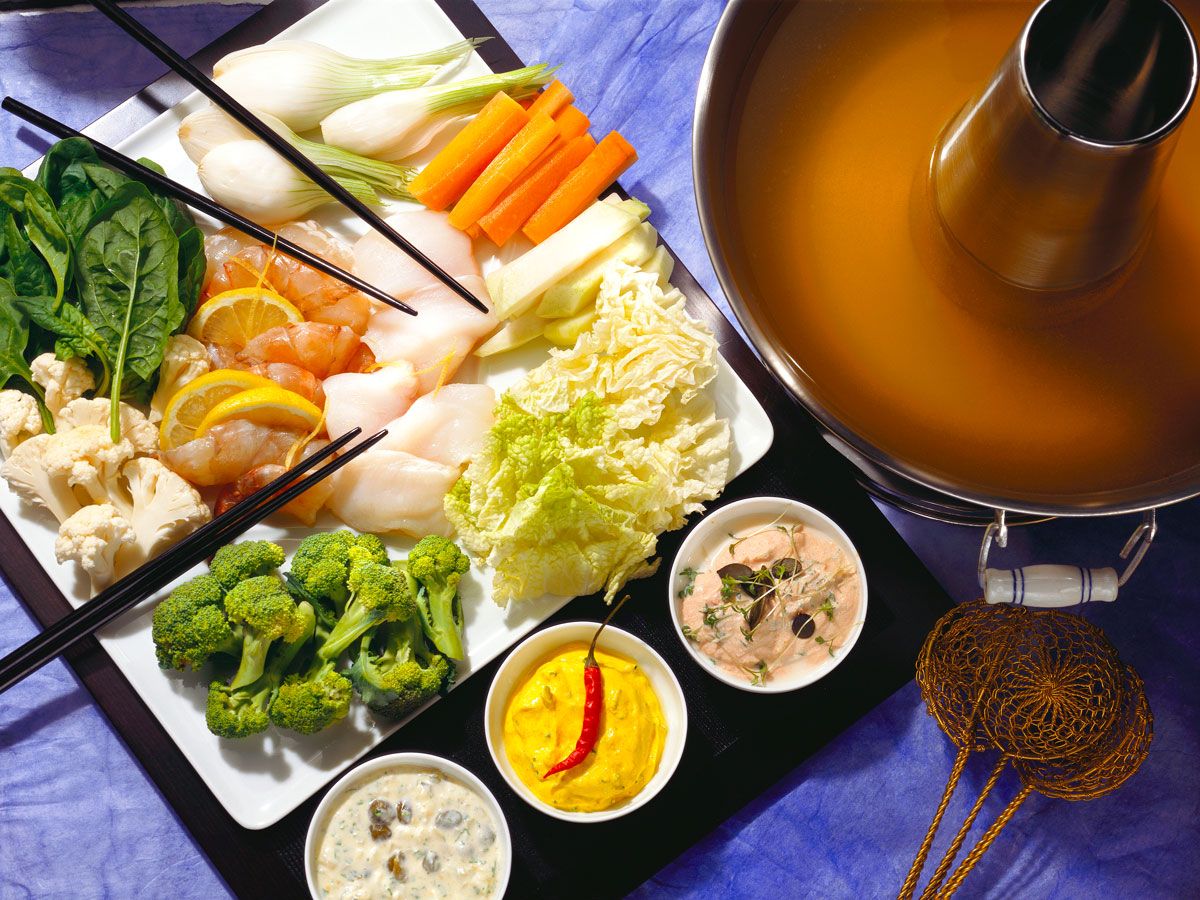
Christmas in Switzerland signifies the beginning of fondue season, which lasts from Christmas to New Year’s, and Fondue chinoise is a highlight. To make this meat fondue with dipping sauce, first, boil some beef broth and mix in some seasonings (bay leaf, cloves, thyme, and rosemary are popular) for flavor. Let the concoction boil for about an hour, and before you’re ready to start dipping, add a shot of cognac. All dipping ingredients are served raw, with people around the table using forks to cook the raw meat and vegetables in the boiling broth. Once your forkful is cooked to your liking, dip into one — or a few — of the various sauces and enjoy. Popular sauces include cocktail sauce, curry sauce, and tartar sauce.
Black Cake – The Caribbean
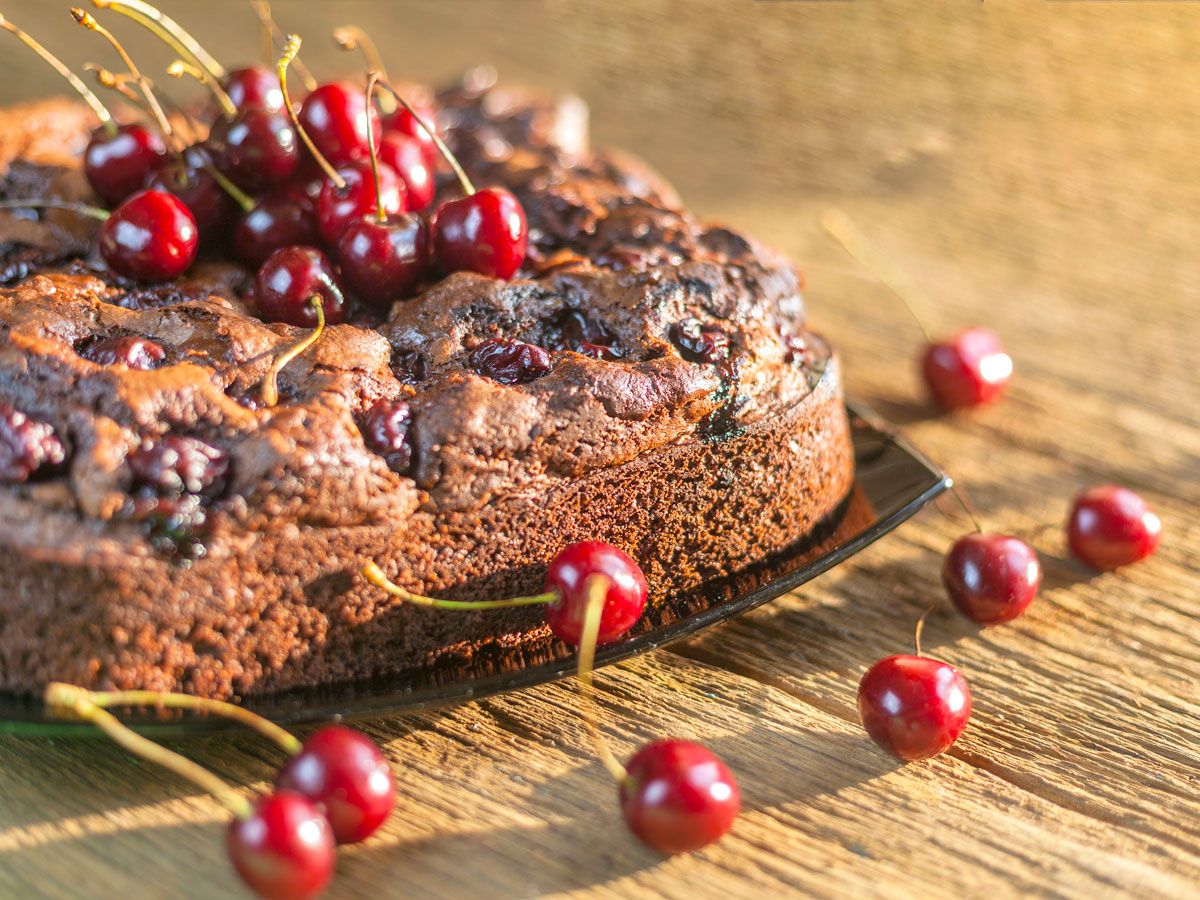
Fruit cakes aren’t uncommon during the holiday season, but Caribbean black cakes take things to a whole different dimension. Across the Caribbean, dried fruits are soaked for months — sometimes up to a year — in dark rum and cherry brandy. Come baking time, they’re ground into a rough paste (no alien green fruit hunks here) and combined with burnt sugar and spices to create an insanely rich, darkly delicious treat that’s worth the wait.
Latkes – Eastern Europe
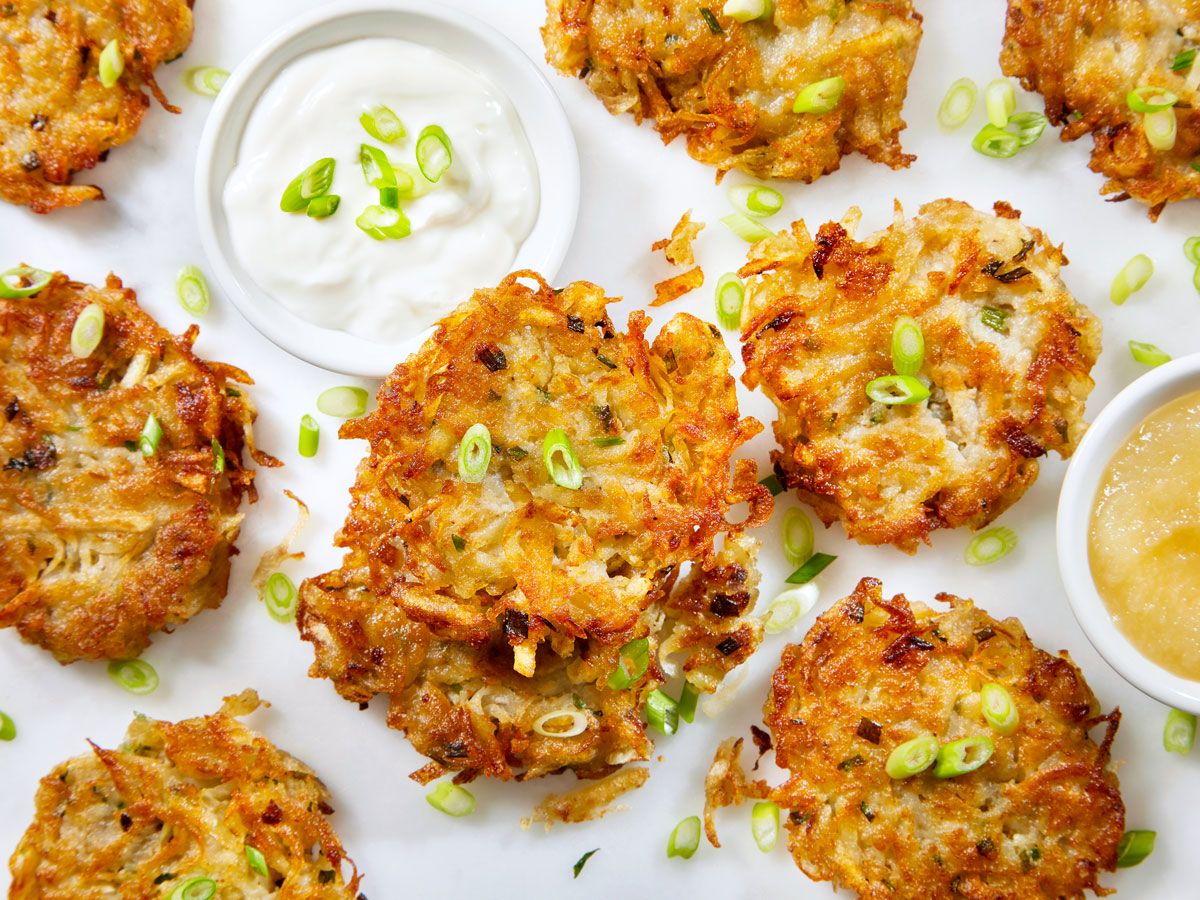
You don’t need to observe Hanukkah to appreciate these divinely crisp fritters, a highlight of the Jewish Festival of Lights. Originating in Eastern Europe (where potatoes were a cheap and plentiful peasant staple) and popular in the U.S. and elsewhere, latkes are grated potatoes enhanced with onion and bound with an egg and breadcrumbs or matzoh. Shallow-fried in oil, they emerge from the pan creamy on the inside but with an appealing, crunchy exterior. Serve with sour cream, applesauce, or both.
Lechon – The Philippines
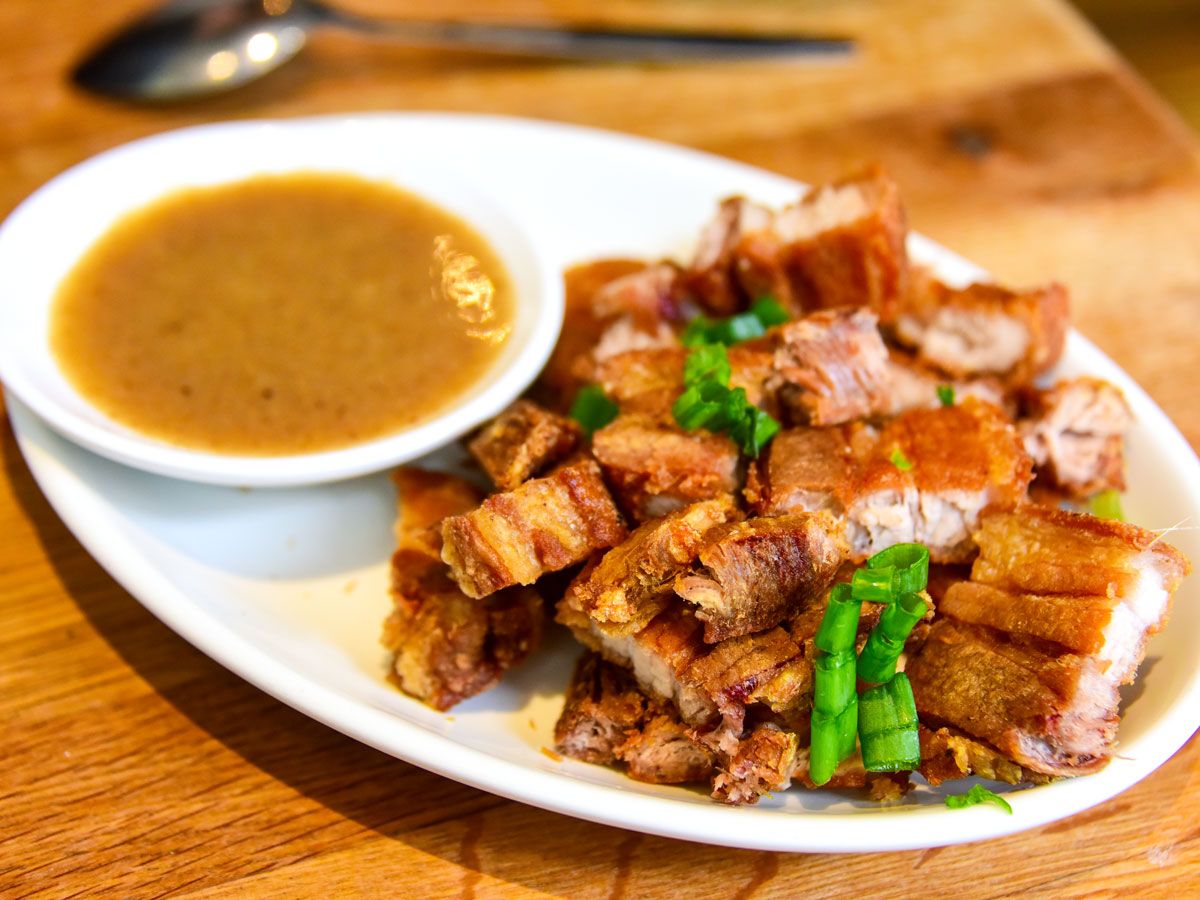
When the late, great Anthony Bourdain proclaims something “the best pig ever,” it should be accepted as fact. While whole roast suckling pigs make appearances on menus around the world (and around the year), Filipinos have taken lechon to new levels. Stuffed with aromatics like lemongrass and basted with coconut water before roasting, lechon has skin as crisp as Christmas candy canes and moist, deeply flavored flesh.
Pavlova – Australia and New Zealand
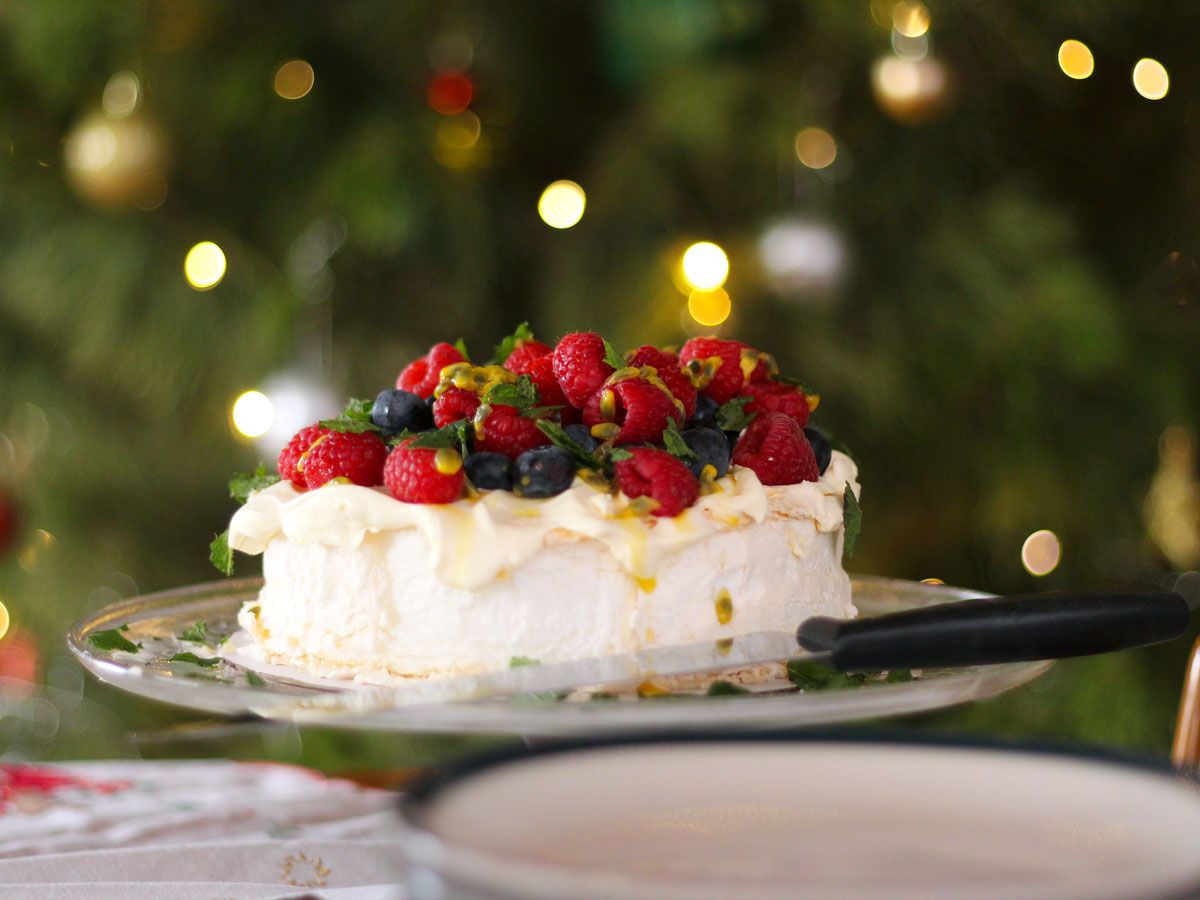
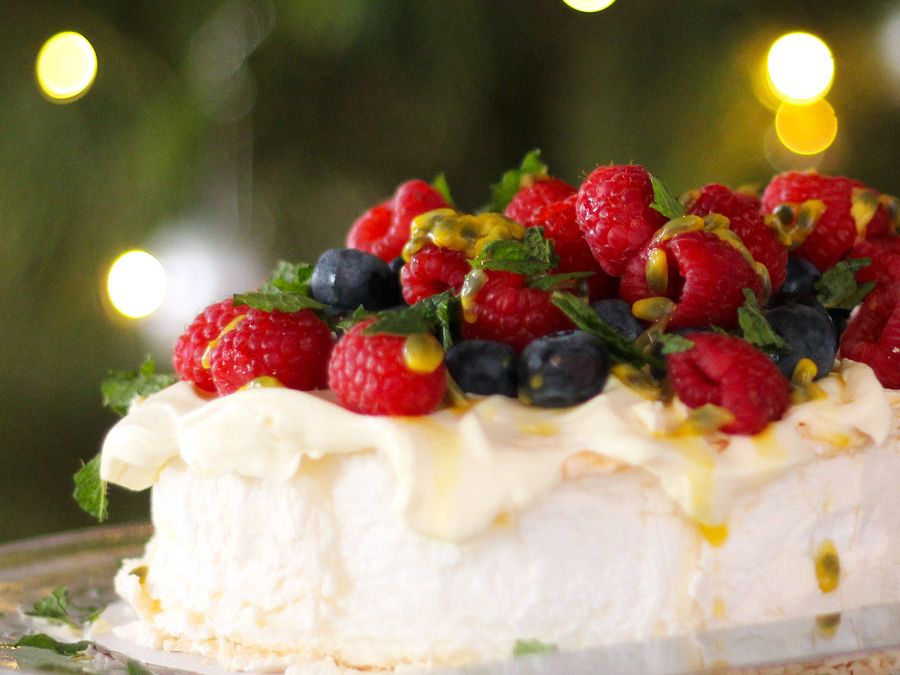
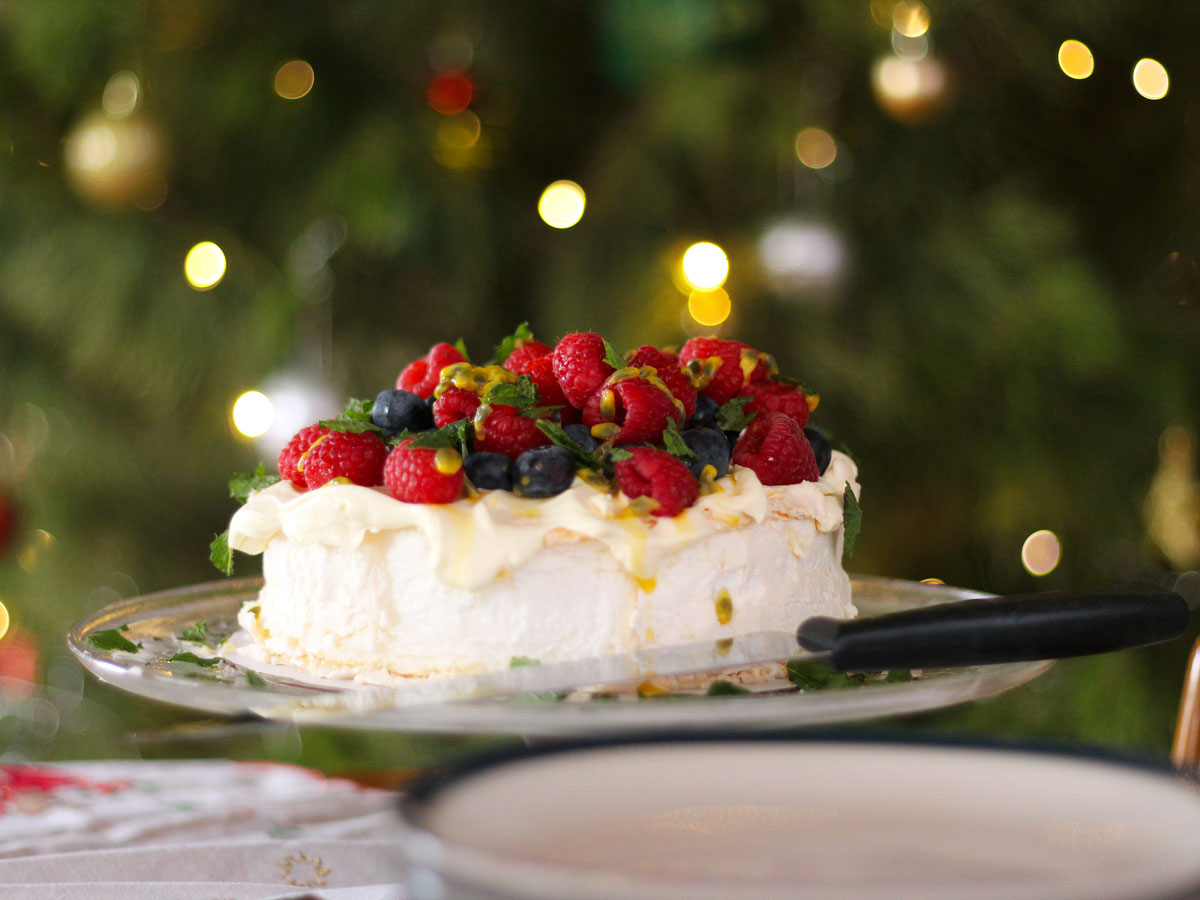
While the Northern Hemisphere shivers its way through the winter solstice season, it’s summertime on the Southern side of the equator. Santa wears sunscreen and holiday dishes lean lighter, as in the case of pavlova. A popular holiday treat in Australia and New Zealand, this crisp meringue confection is marshmallow-soft on the inside and topped with sweetened whipped cream and fruits like mango, passionfruit, and kiwi.
KFC – Japan
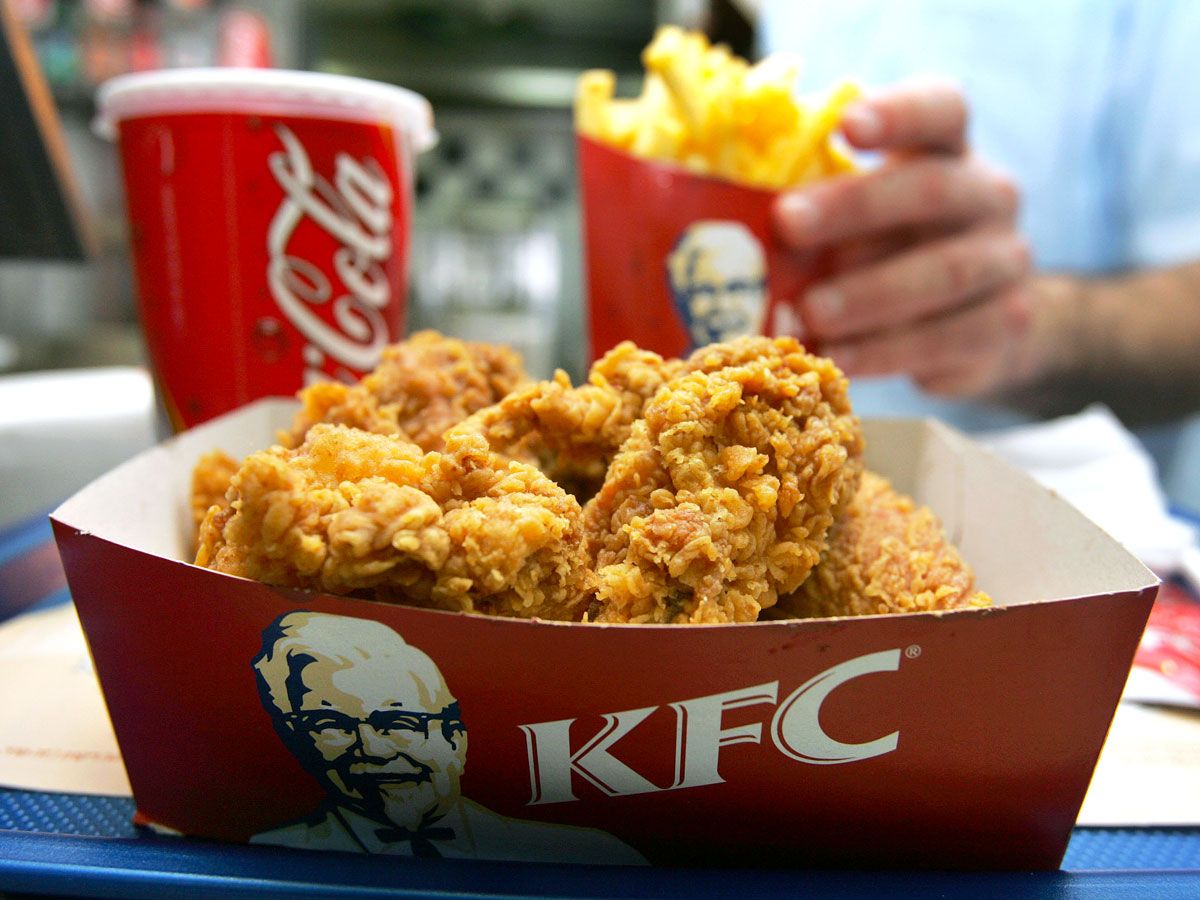
Yes, that KFC. What started in the 1970s as a clever marketing campaign is now a beloved (and tasty!) holiday tradition in Japan. Families across the country order their Kentucky Fried Chicken “Party Barrels” early, and for many, Colonel Sanders is as integral to Japanese Christmas celebrations as Santa-san. Please pass the coleslaw.
Baccalà – Italy
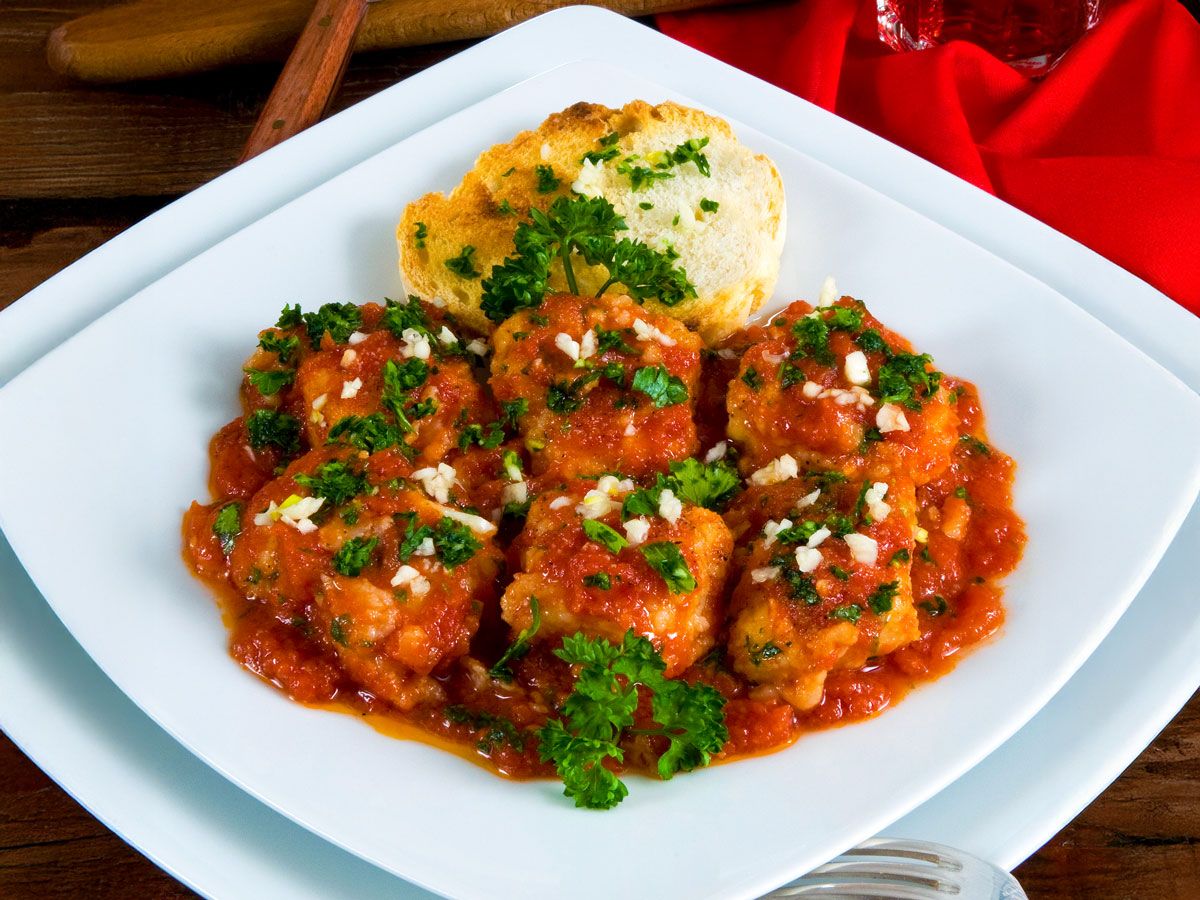
In Italy, Christmas Eve is known as La Vigilia (“The Vigil”) — a day for skipping meat in favor of feasting on seafood. While Italian-Americans have turned this tradition into the no-holds-barred Feast of the Seven Fishes (more on that below), things remain (slightly) more restrained in the Old Country. A sure bet on the menu is baccalà, salted cod served fried, with linguine, or in a savory stew of tomatoes, olives, and capers.
Yebeg Wot – Ethiopia
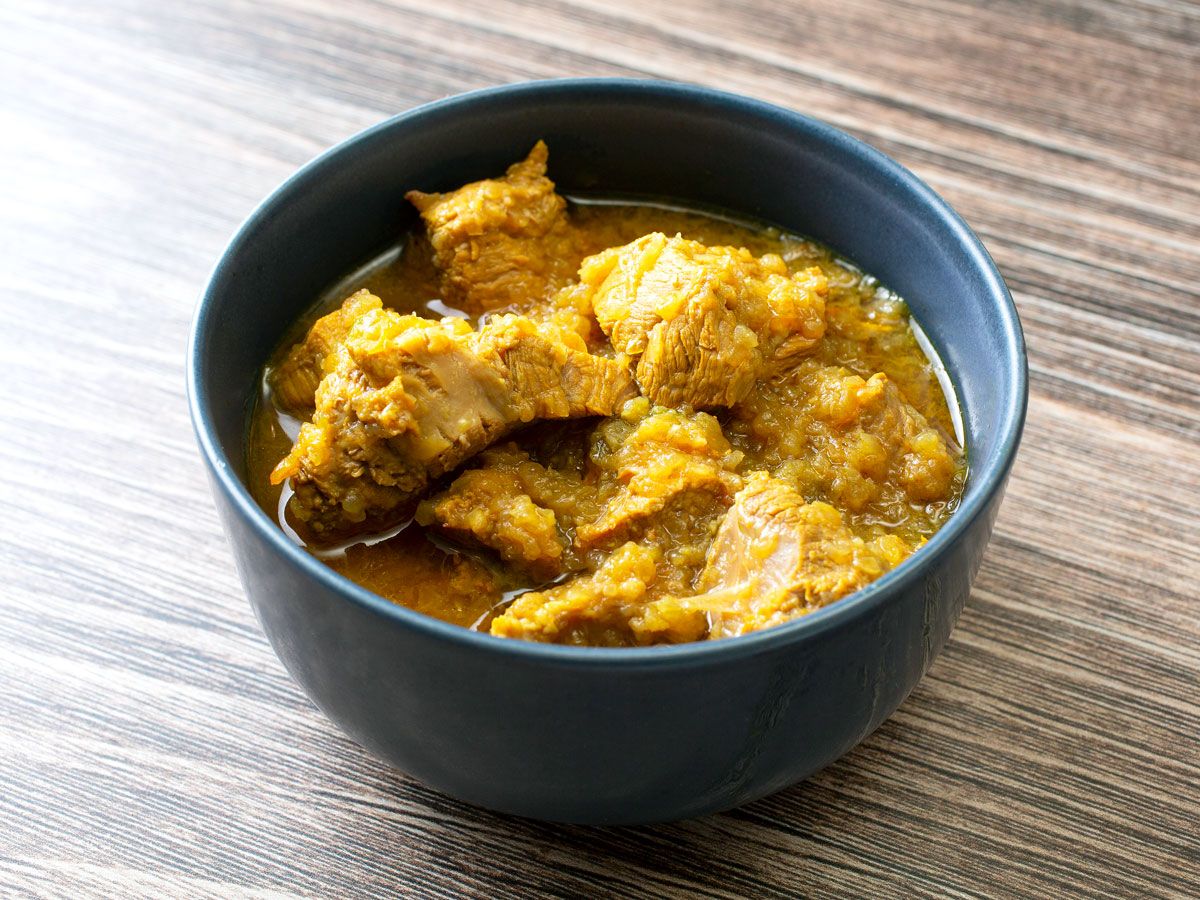
Lamb is a holiday favorite in Ethiopia, especially in the form of this rich and buttery stew. Many Ethiopians observe Tsome Nebiyat (“Fast of the Prophets”), eating but one meal a day for the 43 days leading up to Ganna (Ethiopian Christmas), which is observed on January 7 in the Orthodox tradition. Spiced with berbere and redolent with garlic and ginger, yebeg wot is usually served alongside spongey, nutty injera bread with a host of other accompaniments.
Julbord – Sweden
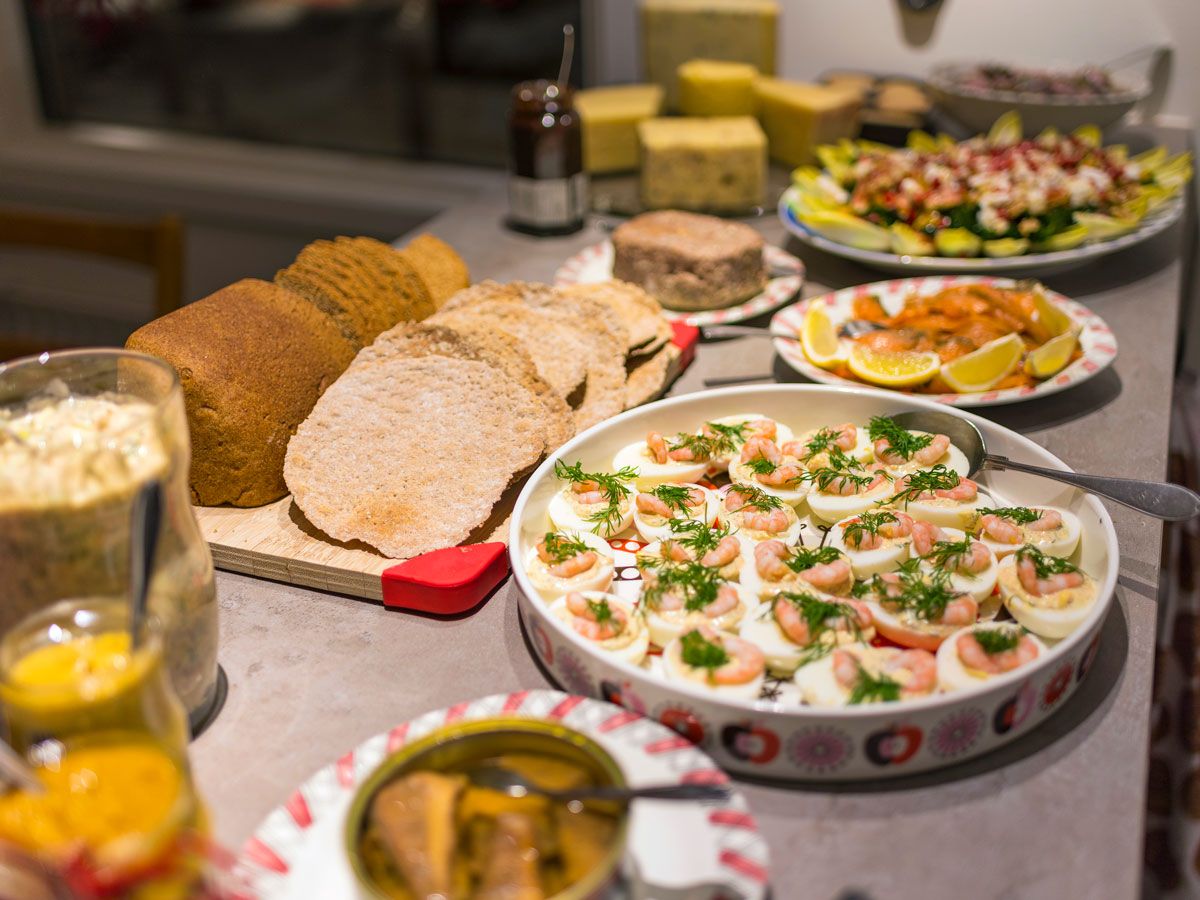
Two words: Pace yourself. In Sweden, the typical Julbord (“Yule table”) holds enough delicacies for all 12 days of Christmas. There’ll be glögg (mulled wine) to warm up guests, and fish such as cured salmon and pickled herring, accompanied with dense rye bread. Ham is pretty much a given, along with an assortment of cold meats and possibly pâté. Then it’s off to the hot dishes — meatballs, creamed potatoes, sausages — before a multitude of desserts. Don’t say we didn’t warn you.
Tamales – Mexico
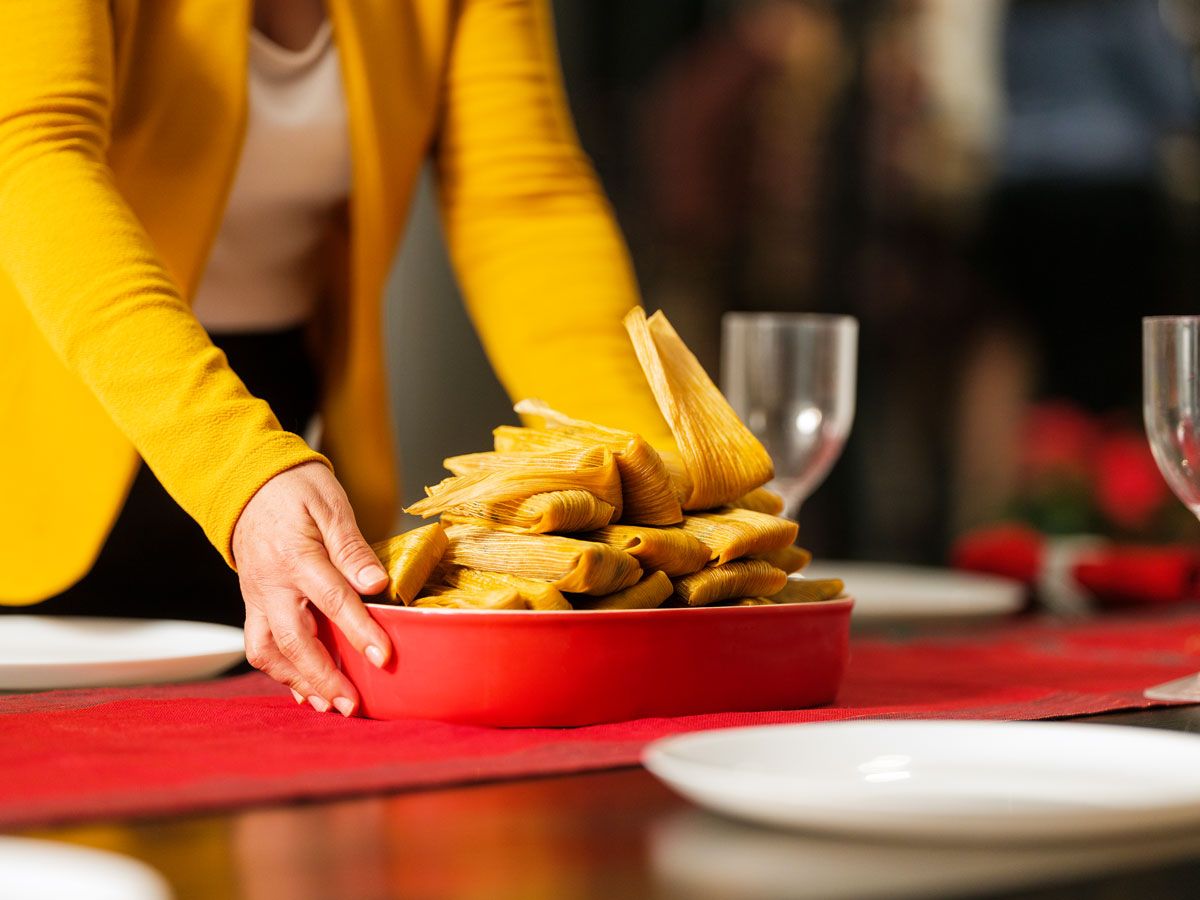
Mexicans observe the holiday season from December 12 (the Feast of Our Lady of Guadalupe) all the way through Three Kings’ Day on January 6, and tamales put the “más” in Christmas. You can never have too many cooks in the kitchen when making these tasty packages, and tamaladas (tamale parties) are a great way to prepare enough for the crowd. Fillings from pork to cactus are blanketed in corn masa, then secured in corn husks (or plantain leaves) before steaming.
Weihnachtsgans – Germany
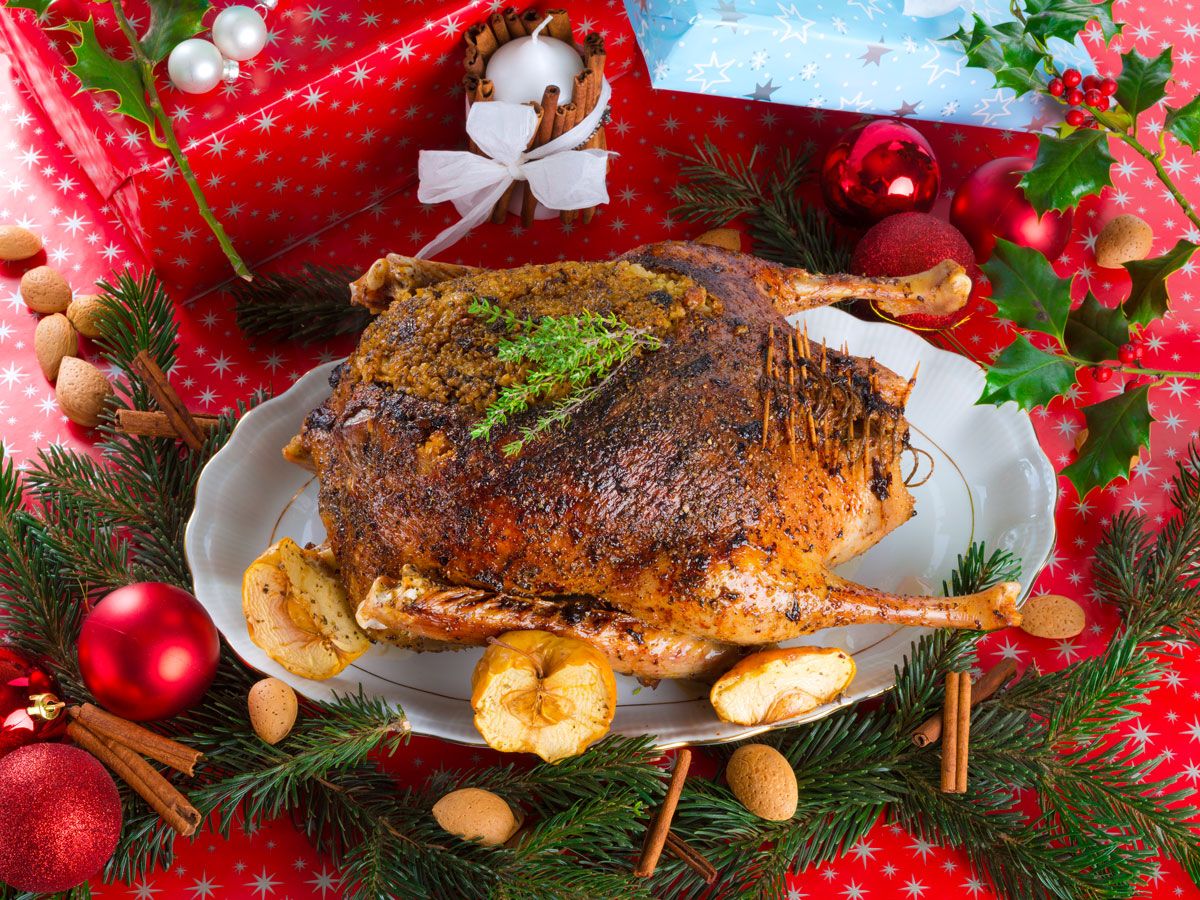
Let’s (not) talk turkey: When it comes to fowl, Germans will opt for goose (or duck) every time. Roasted to golden perfection, Weihnachtsgans boasts moist rich meat and crispy skin and renders a surprising amount of yummy fat (which you can save for roasting potatoes). Fluffy dumplings and red cabbage braised with currant jelly and apples round out a festive holiday meal, but be sure to save room for a slice of stollen (sweet fruit bread).
Hangikjöt – Iceland
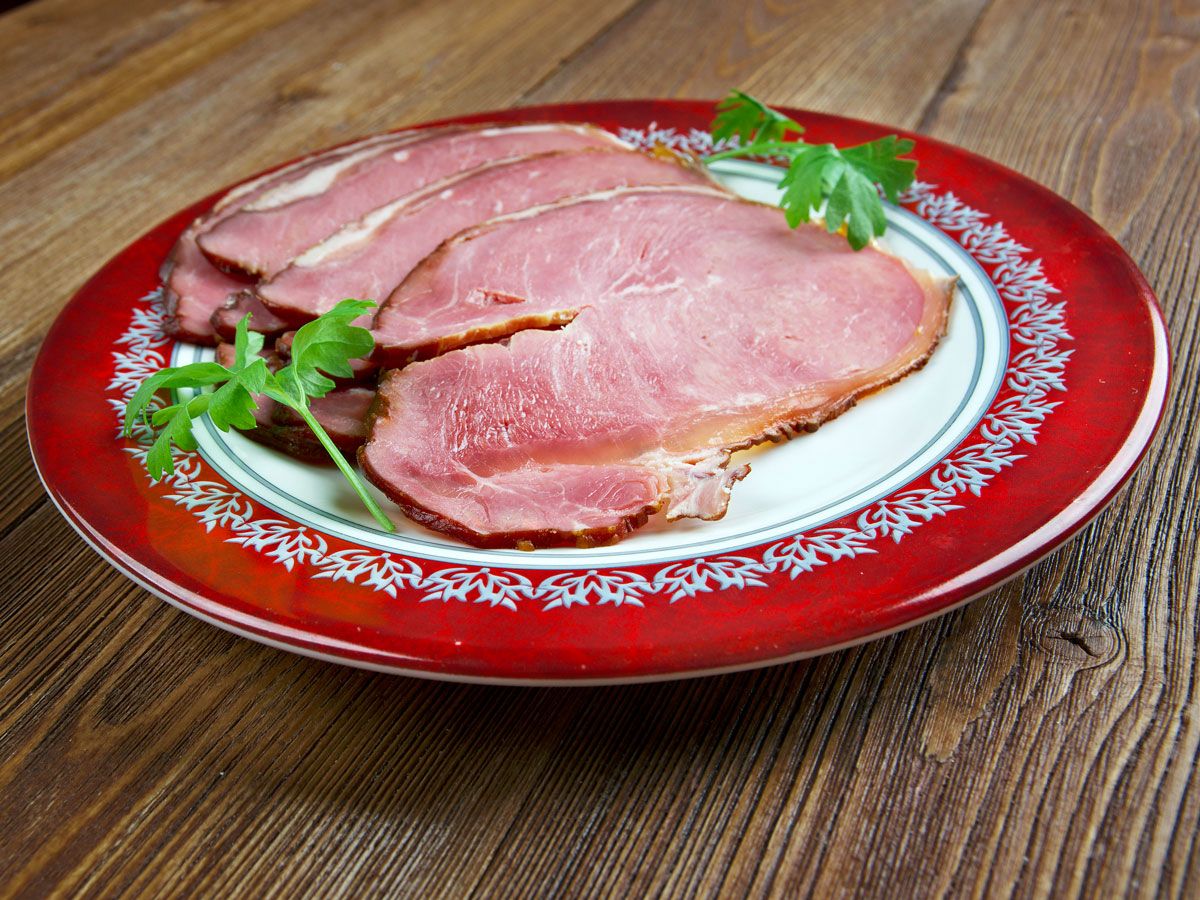
You could make kiviak, stuffing a seal skin full of hundreds of birds and letting it ferment seven months before slicing and serving, as they do in Greenland. But perhaps a more accessible holiday specialty is hangikjöt (hung meat), found in neighboring Iceland. This salted, slow-smoked, and boiled lamb is a Christmas tradition, served with potatoes, peas, cabbage, and white sauce. Follow with thin and lacy Laufabrauð cookies for dessert.
Tang Yuan – China
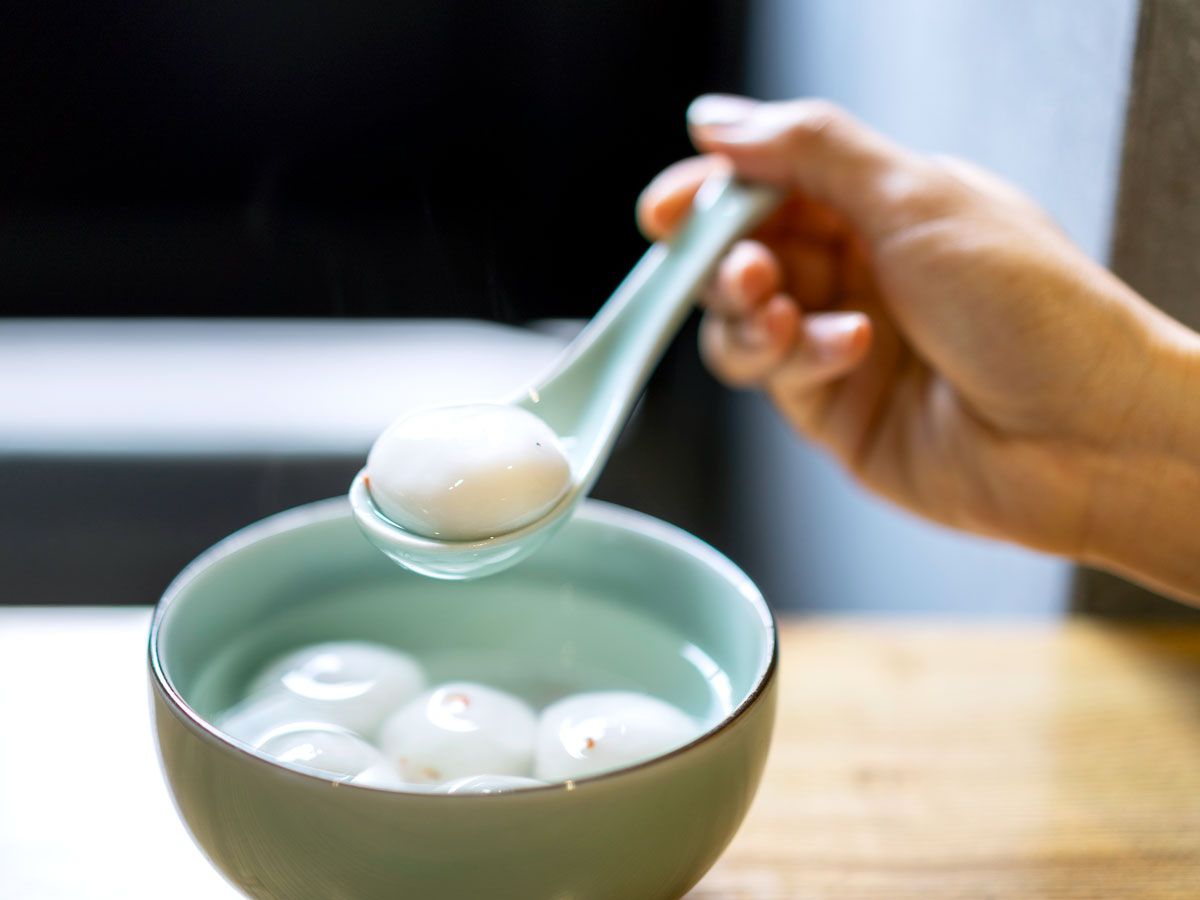
The Dōngzhì, or Winter Solstice Festival, is one of the most important holidays in China and East Asian countries, and tang yuan is an integral part of many feasts. First, glutinous rice flour is rolled into dumplings, colored with natural ingredients or food dyes. Then, they can be prepared plain or stuffed with sweet or savory fillings before being simmered in a sweet ginger broth.
Tourtière – Québec, Canada
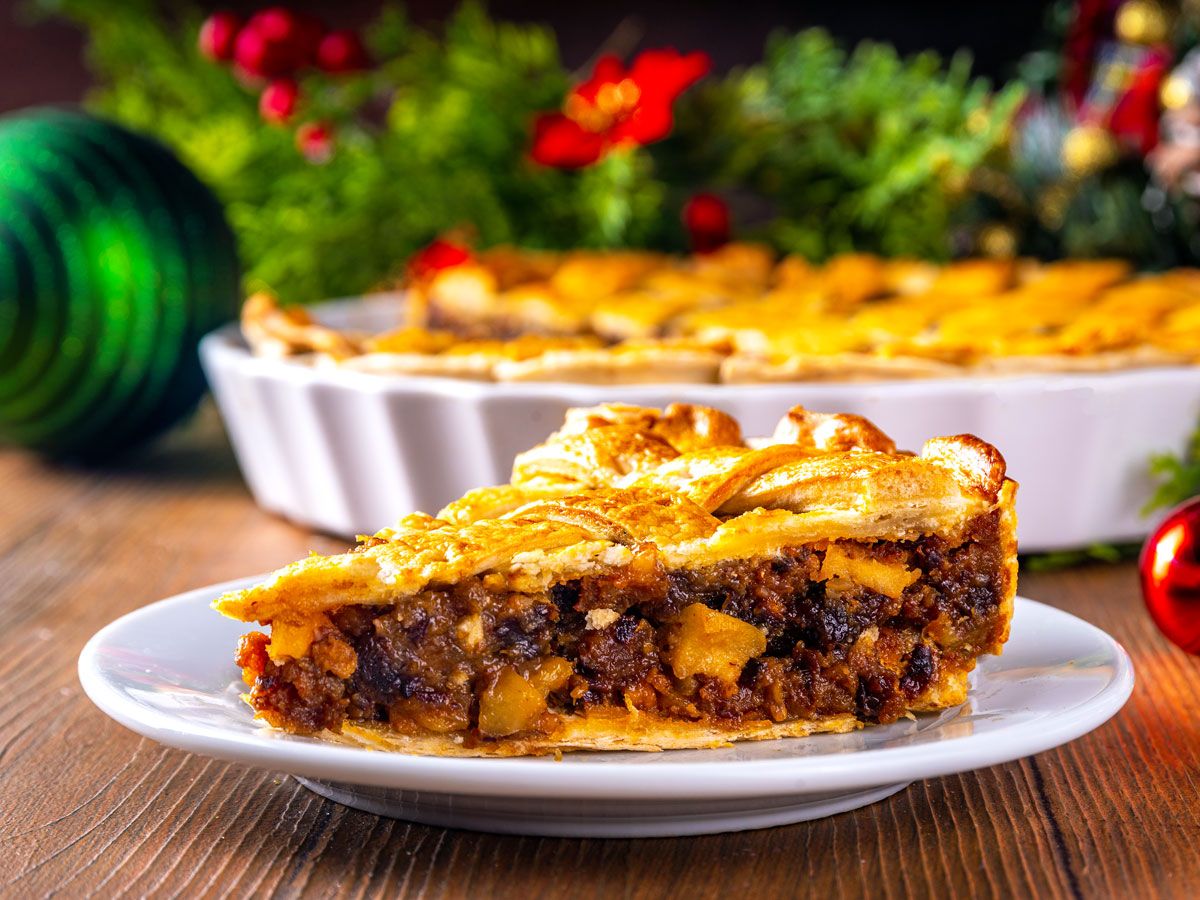
This popular Quebecois dish is a special favorite at Christmas and New Year’s — many even swear by a slice for Christmas breakfast. Ground meat (often pork and beef, but pork and game is not uncommon) and potato are spiced with a blend of pepper, clove, nutmeg, cinnamon, and ginger and then baked in a buttery rich puff pastry.
Kutya – Ukraine
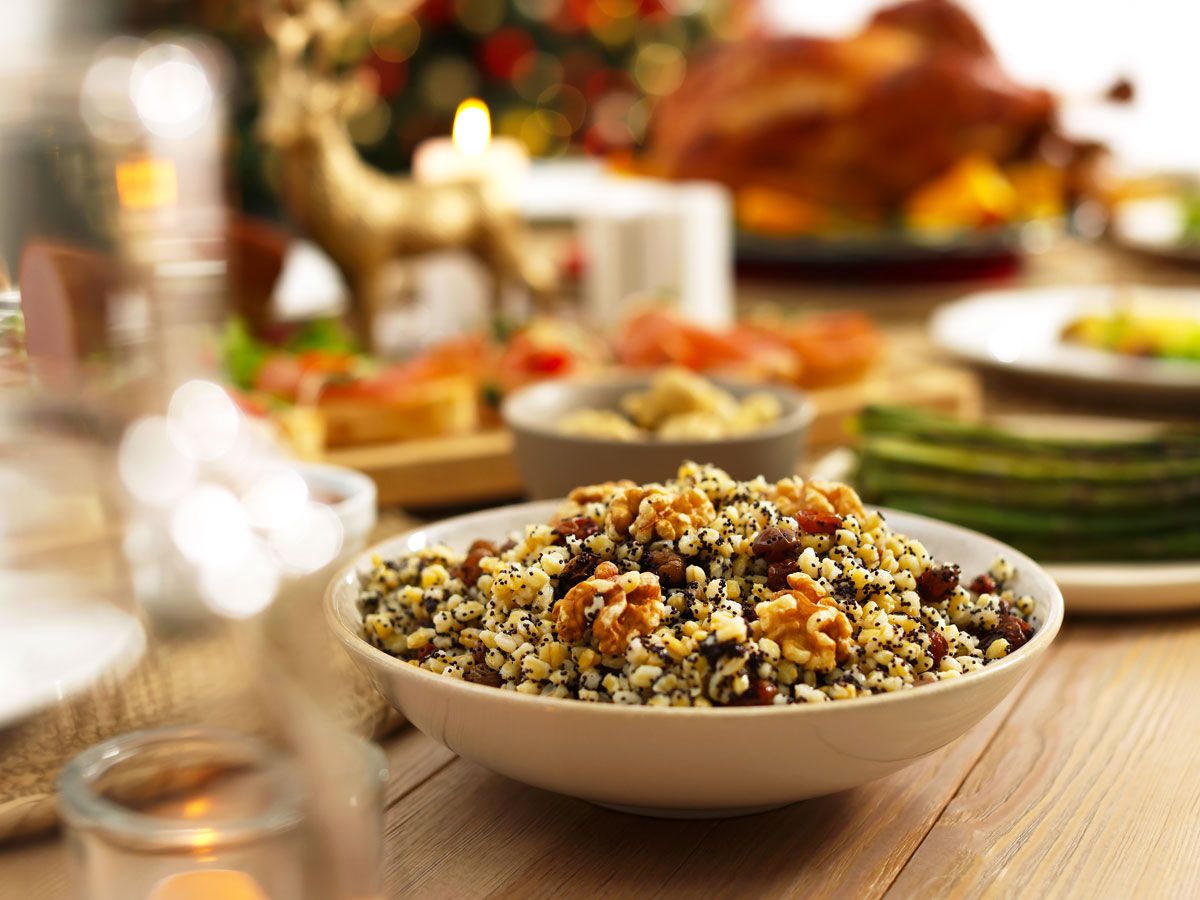
This pudding is a Christmas Eve staple, which is celebrated on January 7 by Orthodox Christians in Eastern Europe. Cooked winter wheat berries are soaked overnight with poppy seeds, dried fruits (usually raisins and figs), milk, honey, chopped almonds, hazelnuts, and walnuts to create a hearty and sweet dessert while waiting for St. Nicklaus.
Fesenjān – Iran
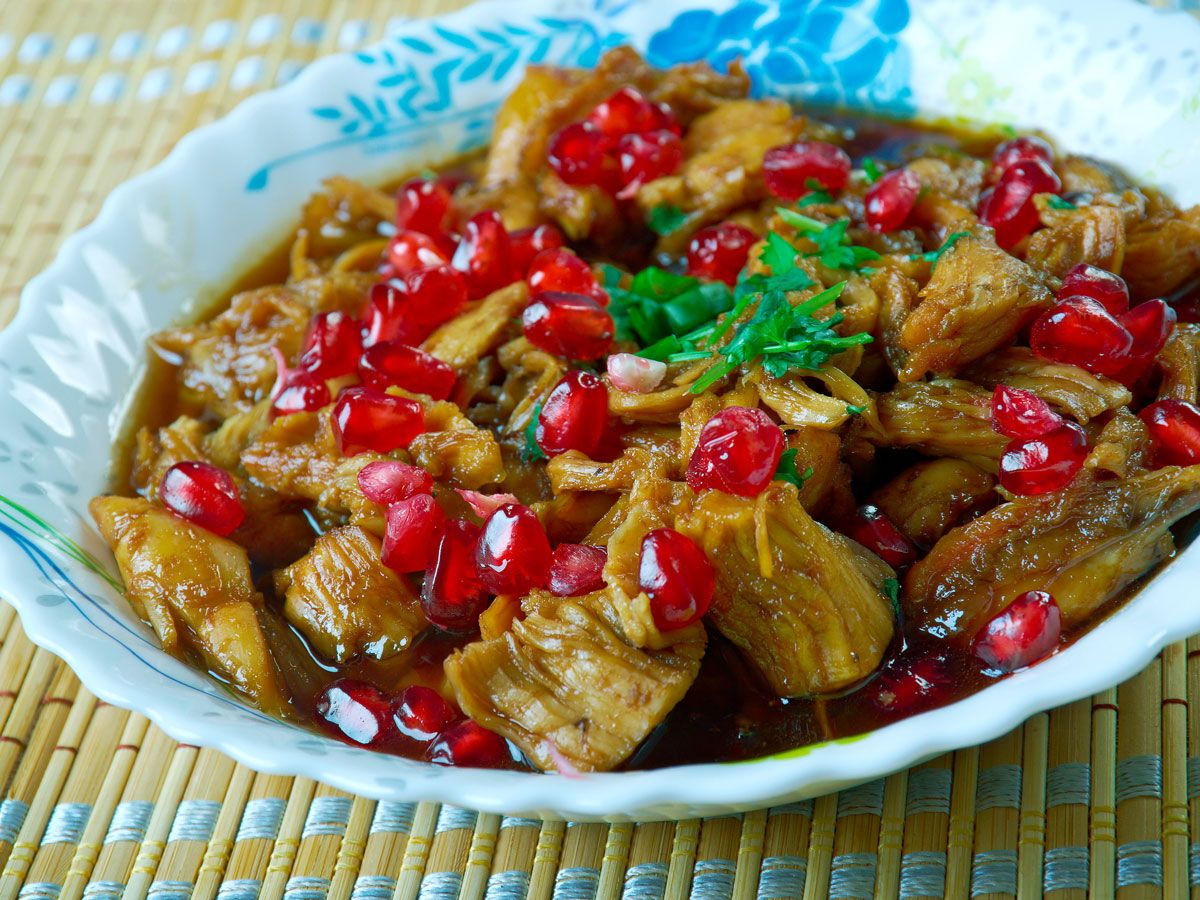
Persians welcome the winter solstice with Shab-e Yalda, the longest night of the year, and khoresh-e fesenjān takes pride of place at many a feast. This warming stew is traditionally made with chicken (vegetarians may substitute eggplant or mushrooms) and thickened with ground walnuts and pomegranate paste.
Bûche de Noël – France
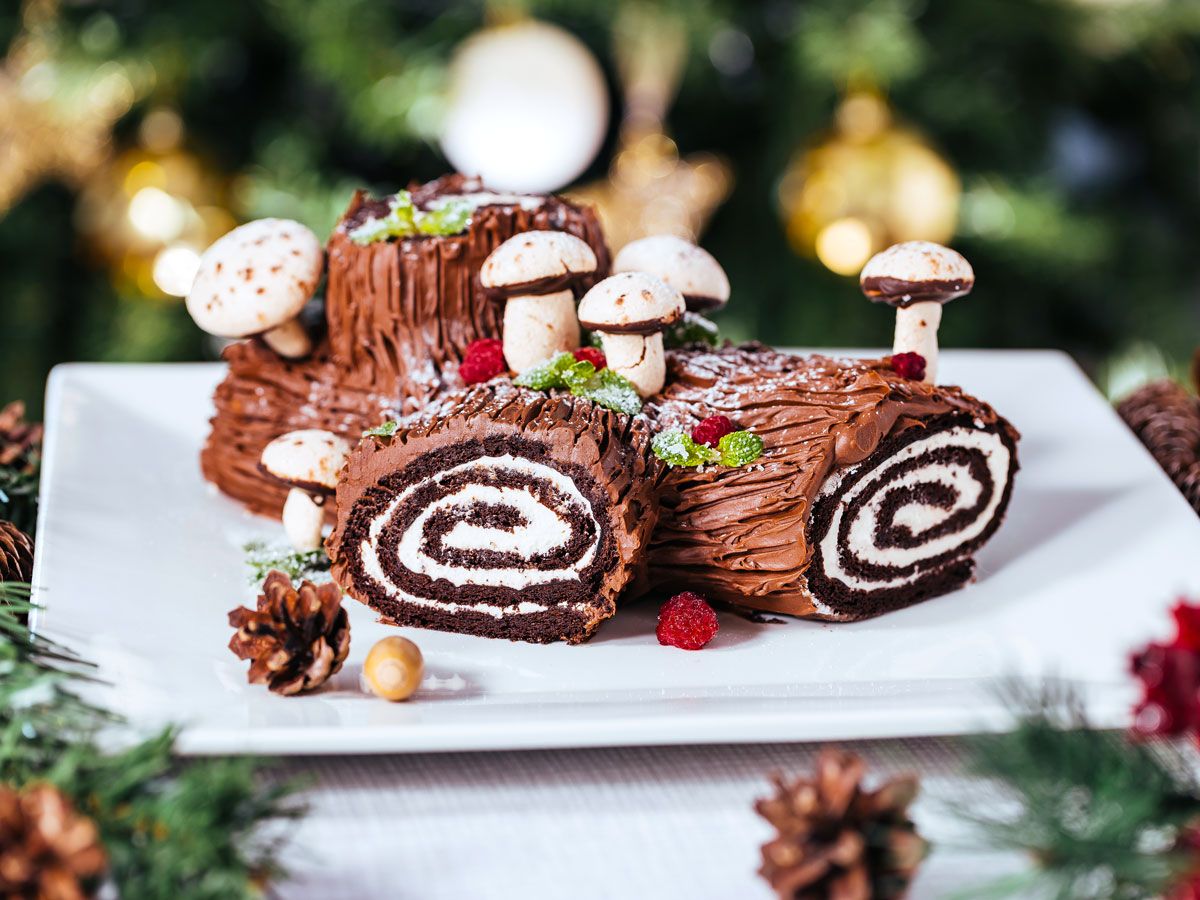
Chocolate is also the most popular (but by no means the only) flavor for Bûche de Noël (“Yule Log Cake”). This decadent and decorative cake is as much a part of Christmas in Paris as Père Noël himself. Sponge cake is slathered in buttercream and then gathered into a roulade (roll) before being frosted with rich ganache. When decorated (meringue mushrooms are a must), it’s a sweet representation of the traditional fireplace Yule log.
Feast of the Seven Fishes – New Jersey
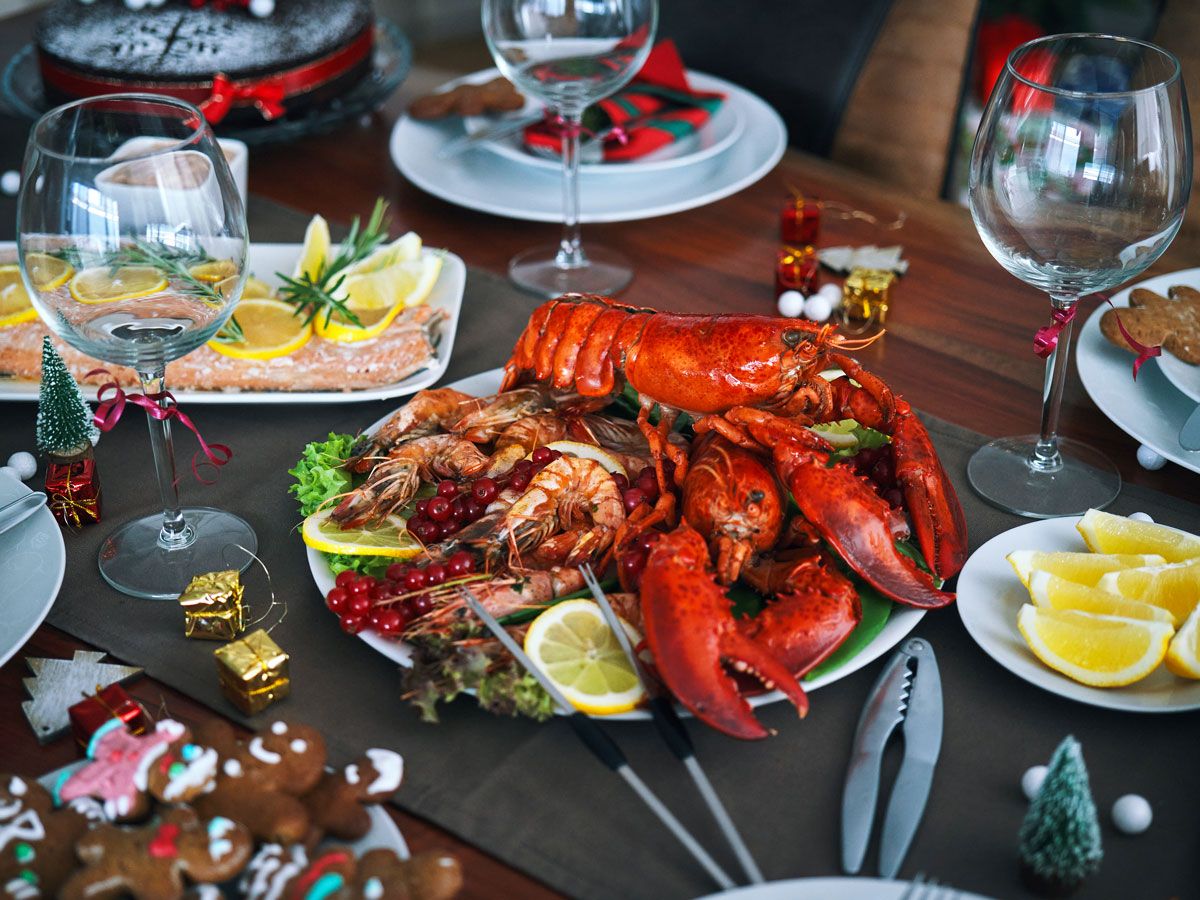
Italian immigrants to New Jersey and other parts of the country (especially in the Northeast) continued the Christmas Eve tradition of La Vigilia in abundant American fashion. This magnificent seafood feast features fish, shellfish, and fried delicacies such as calamari, smelts, and artichokes. Often served after a visit to Midnight Mass, the Feast of the Seven Fishes may include baccalà along with seafood pasta and a hearty stew like cioppino. In New Jersey, the Italian tradition has only grown more popular, and many restaurants open their doors to hungry guests with expansive menus featuring elegant offerings such as lobster and caviar.
More from our network
Daily Passport is part of Inbox Studio, an email-first media company. *Indicates a third-party property.