





Italian Cuisine Just Won Its First-Ever UNESCO Designation
Italian Cuisine Just Won Its First-Ever UNESCO Designation

Italian food has long been a global favorite — there are few places on the planet these days where you can’t find a pizza — but the country’s rich cuisine has just received an exciting new honor. In 2025, UNESCO, the United Nations’ cultural agency, added Italian cuisine to its Representative List of the Intangible Cultural Heritage of Humanity. While other specific foods — such as Arabic coffee, Ukrainian borscht, and Neapolitan pizza — have previously been honored, Italy is the first country to have its entire cuisine recognized as a unique heritage. Below, find out what went into the decision and discover a few of the most delicious places to mangia bene in Italy.
Years in the Making
The designation comes after years of lobbying by Italy, which has sought to combat counterfeit olive oil and other products and recipes that often pretend to be representative of authentic Italian cuisine, even if they aren’t produced in Italy. (A recent outrage was sparked by jars of Belgian-made sauce that calls itself “carbonara” but contains pancetta instead of the canonical guanciale, or salt-cured pork jowl.)
In the announcement, UNESCO recognized Italian cuisine not only for its varied traditions, long history, and global influence but also as a “means of connecting with family and the community, whether at home, in schools, or through festivals, ceremonies and social gatherings.”
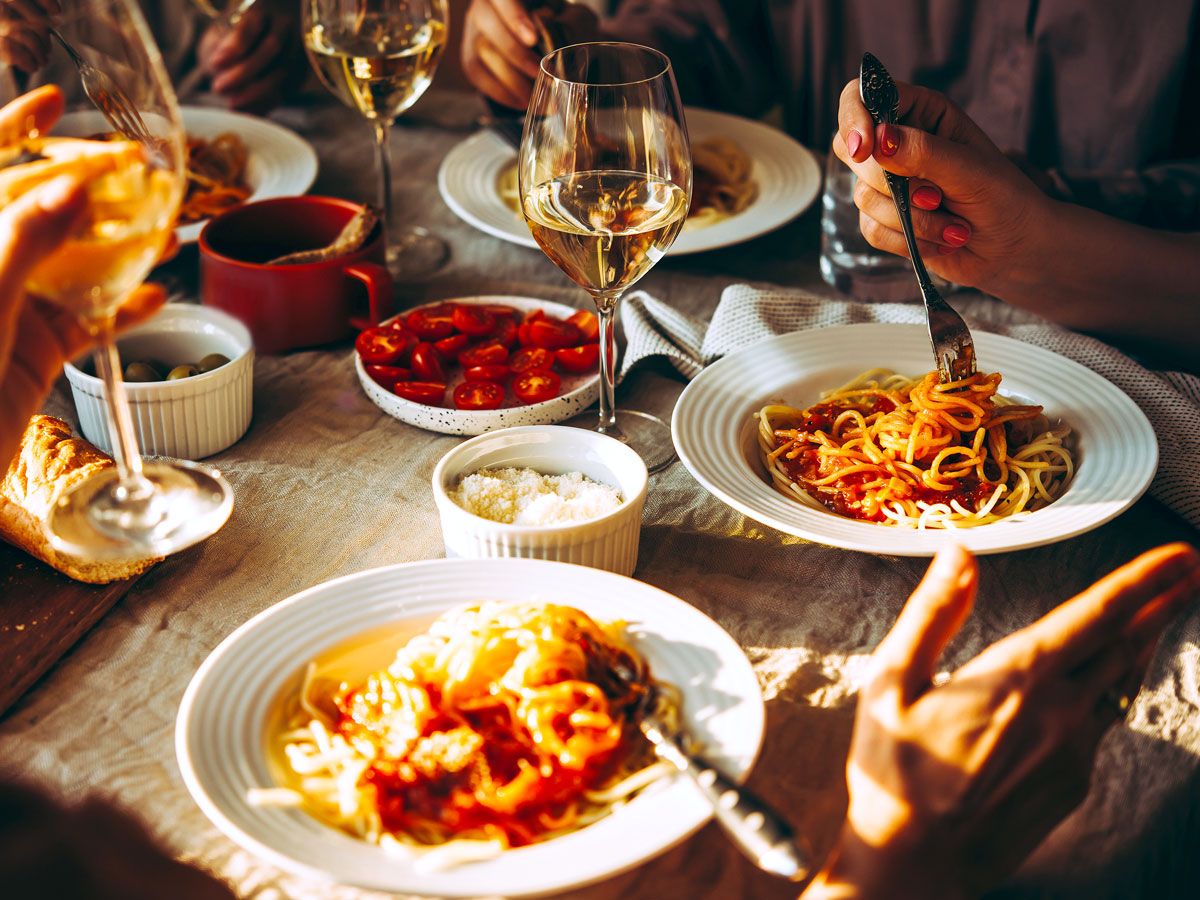
The flavors of Italy vary from region to region — and even village to village. But no matter where you travel in Italy, you’ll find the entire nation prides itself on recipes and techniques that are passed down from generation to generation, and perhaps the only thing anyone can agree on is that their nonna’s version is the absolute best. From north to south, here are a few of the must-try regional highlights.
Emilia-Romagna
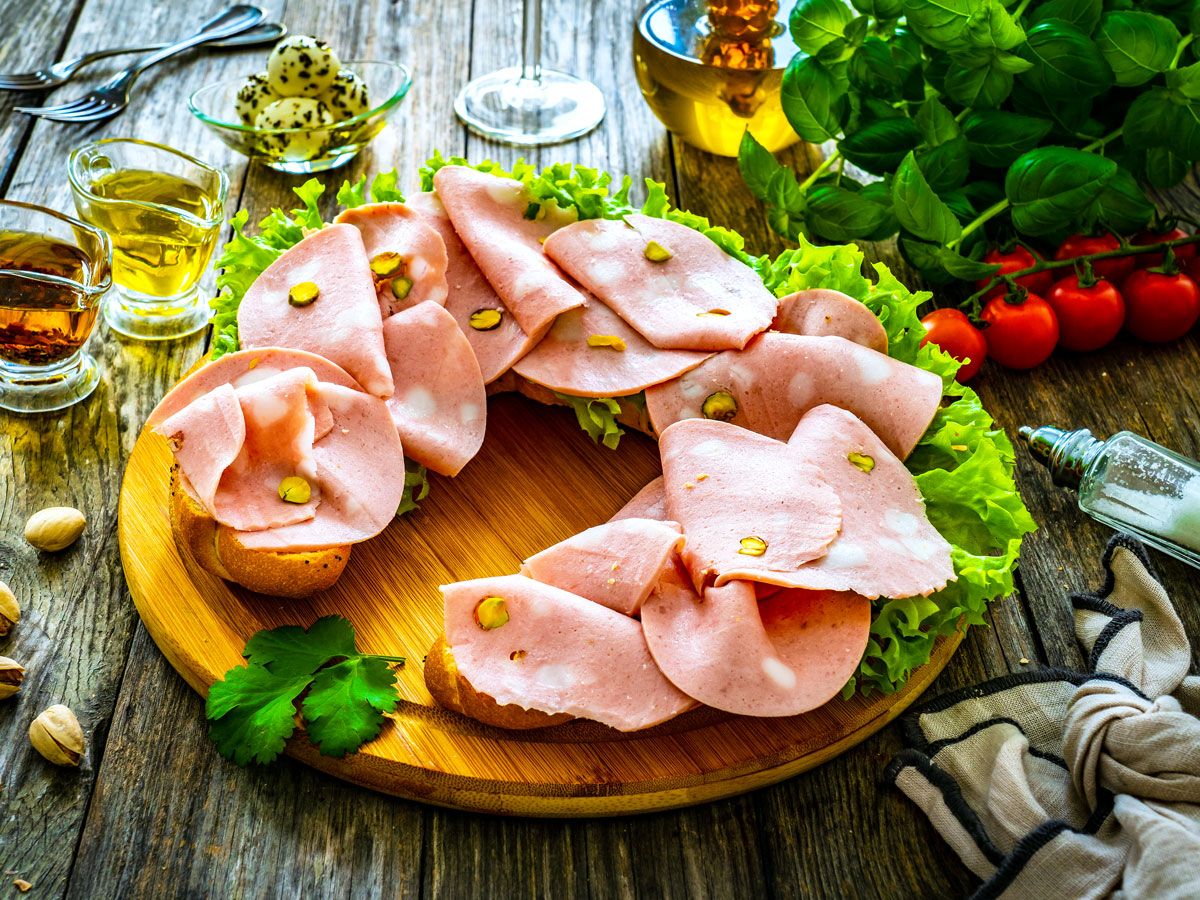
Italy is divided into 20 traditional regions, each with its own culinary identity, but many of its most globally recognized ingredients come from Emilia-Romagna. Located in the northern part of the country between Florence and Bologna, this is the ancestral home of umami-packed Parmigiano-Reggiano cheese, sweetly tangy Aceto Balsamico di Modena (balsamic vinegar), and the delightfully savory ham known as Prosciutto di Parma. Visitors in Bologna, the region’s largest city, can feast on pistachio-studded mortadella (which is as far from Oscar Mayer as you can get), along with hand-pulled tortellini and tagliatelle, all best accompanied by the region’s refreshing Lambrusco sparkling wine.
Piedmont
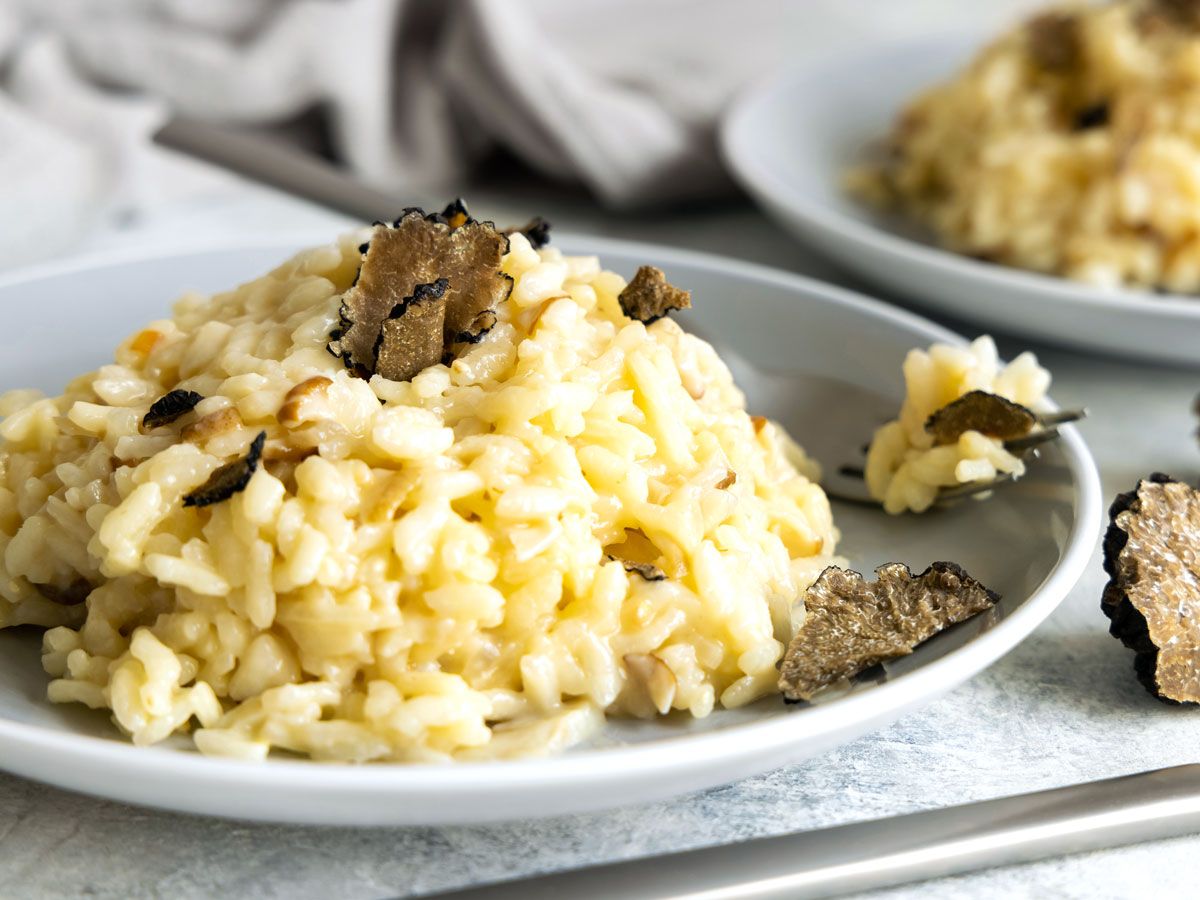
While diamonds may be more expensive, white truffles are precious gems in their own right, and nowhere are they more celebrated than in this region in northwest Italy. Arborio rice grows in abundance in the Po River valley, and a creamy risotto al tartufo combines two of Piedmont’s most delicious ingredients. Wine lovers will rejoice in the region’s rich, full-bodied Barolos, while those with a sweet tooth can indulge in desserts featuring Piedmont’s delectable hazelnuts. Italy is also the birthplace of the “Slow Food” movement, so slow down and feast at one (or more!) of the region’s 30-plus Michelin-starred restaurants.
Lazio
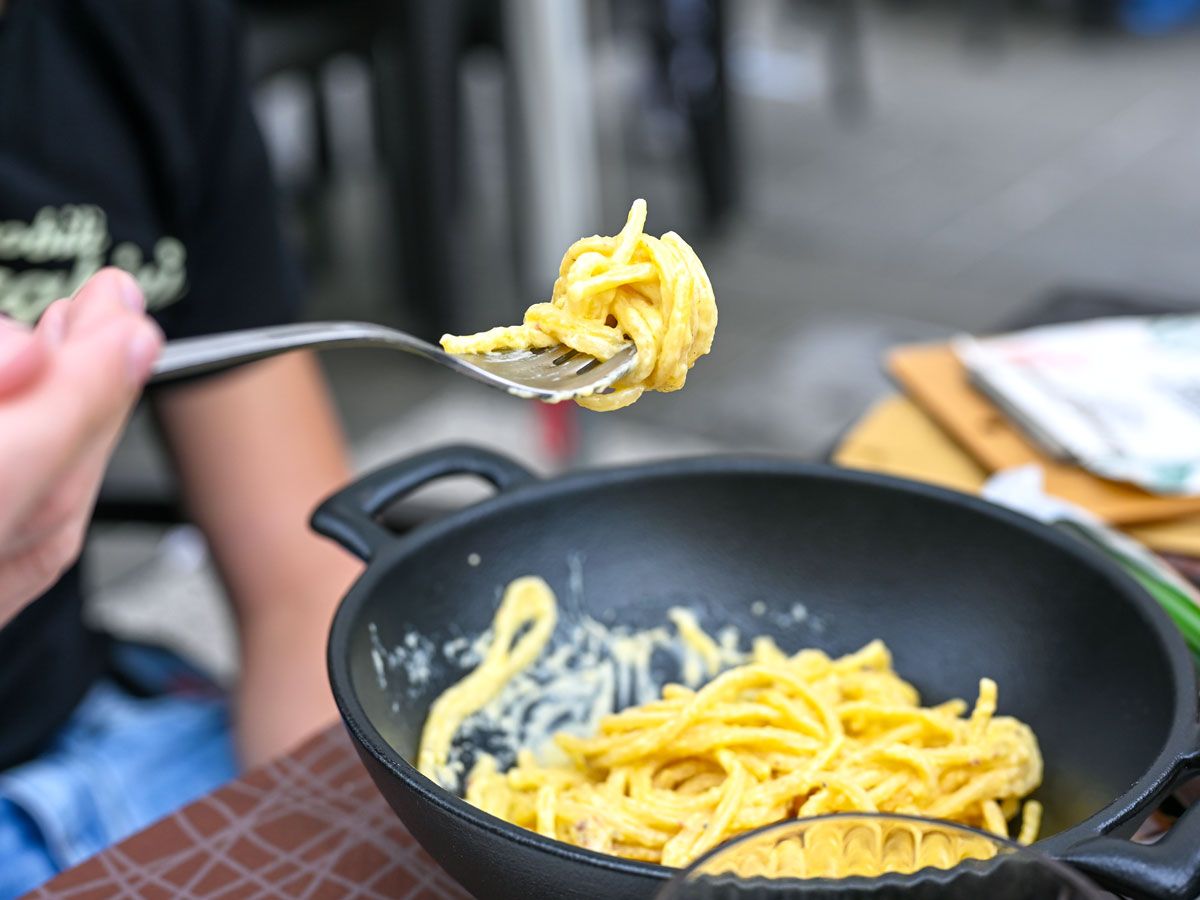
Home to the nation’s capital, Rome, and located in the central-western portion of the Italian peninsula, Lazio bursts with flavors. Visitors to the Eternal City will find a plethora of dazzling dishes, including four classic pastas: carbonara, amatriciana, cacio e pepe, and gricia. Simple yet sublime, they embody what many consider to be the pinnacle of Italian cuisine. Another can’t-miss treat is carciofi alla giudia. Born in the city’s historic Jewish ghetto, these crispy deep-fried artichokes need nothing more than a sprinkle of salt. Lazio is also famed for its meat dishes, such as saltimbocca (prosciutto and sage-wrapped veal) and succulent porchetta.
Campania
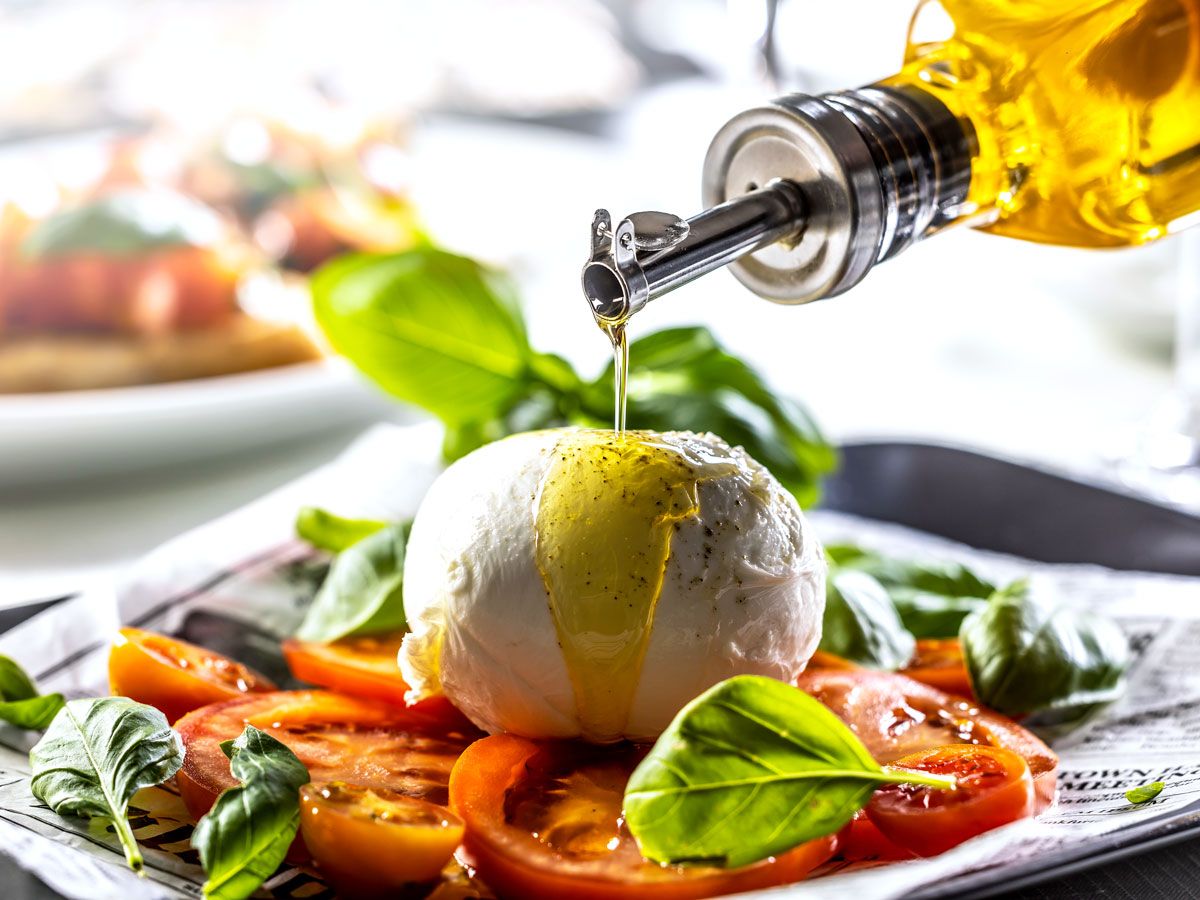
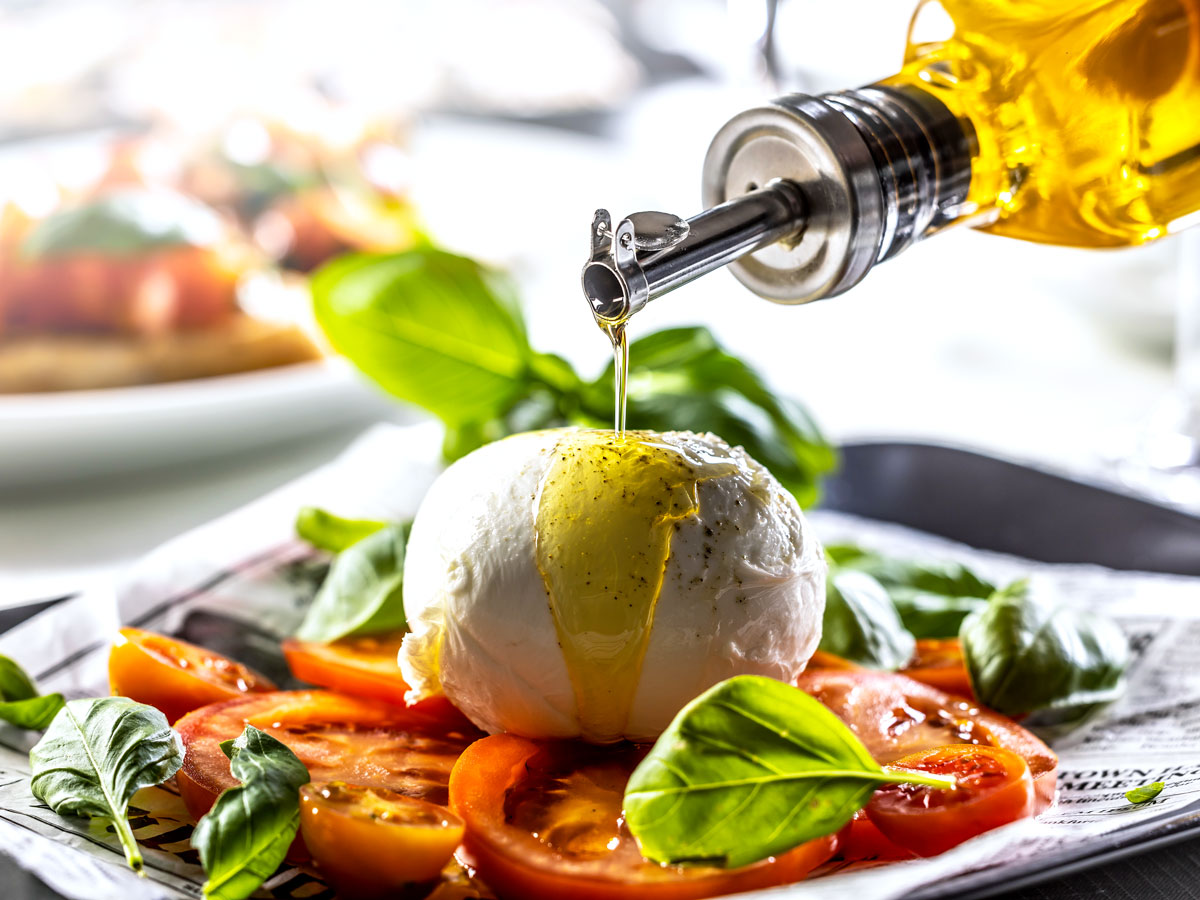
Naples is world-renowned for its wood-fired Neapolitan pies, but Campania offers much more than pizza. Here, visitors will find creamy Mozzarella di Bufala Campana, a buffalo milk cheese that pairs delightfully with fresh tomatoes, basil, and olive oil for a classic caprese salad. The lemons along the Amalfi Coast are considered among the best in the world, and in Campania their essence is captured in limoncello, a sweet and refreshing liqueur that makes the perfect ending to any meal.
Sicily
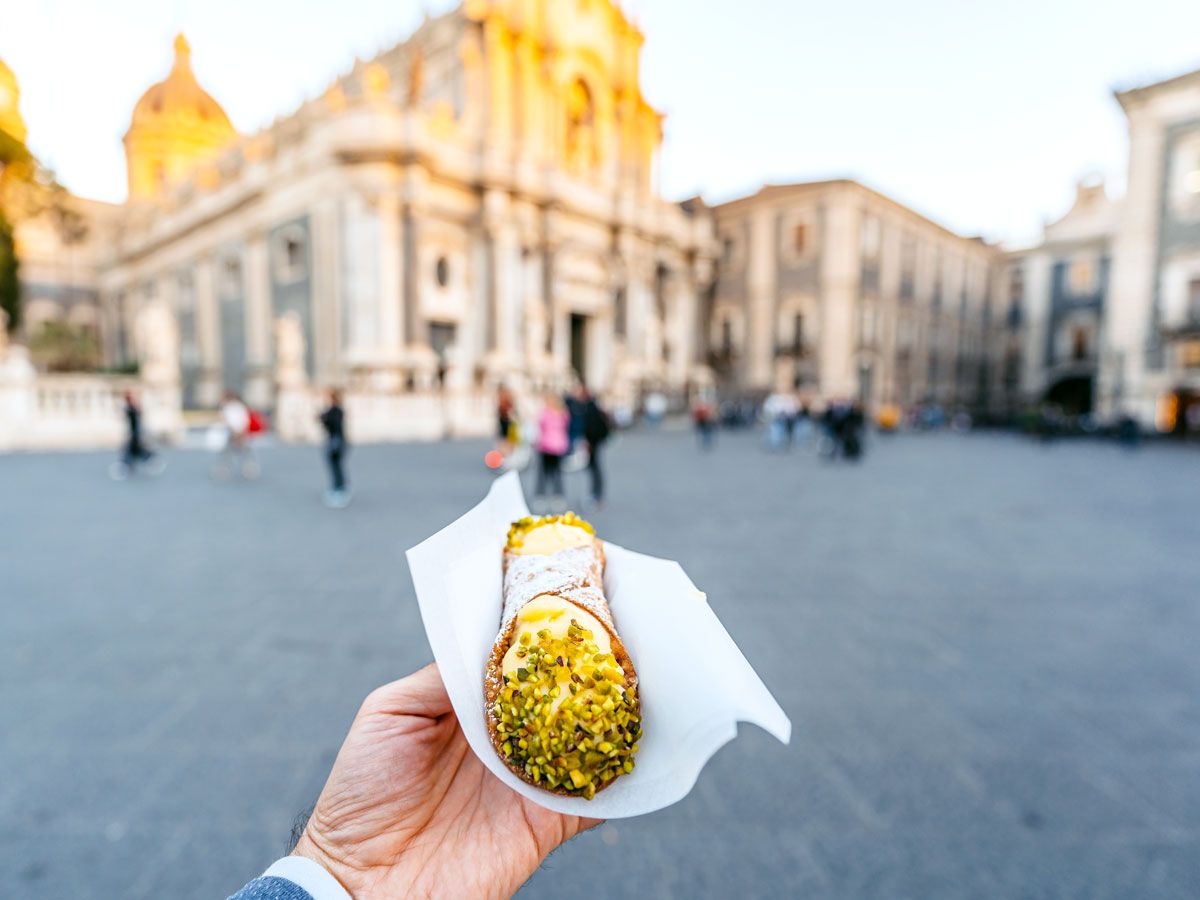
The dishes from Sicily burst with seafood and spice, filled with color and flavors found nowhere else in the country. The island’s rustic and robust cuisine benefits from Greek, Arab, and Spanish influences — to name only a few — and marries traditional Italian ingredients with other Mediterranean flavors to create a unique blend of flavors. Street food is especially beloved: Look for vendors offering arancini (rice balls stuffed with meat, cheese, or vegetables), panelle (chickpea fritters), and coppo di fruttare — paper cones filled with fried calamari, shrimp, and just-caught local fish. Sicily is also known for its sweets (cannoli being a favorite), while the crisp, minerally wines made from grapes grown on the slopes of Mount Etna attract attention from connoisseurs around the world.
More from our network
Daily Passport is part of Inbox Studio, an email-first media company. *Indicates a third-party property.