





The 5 Items TSA Agents Always Check
The 5 Items TSA Agents Always Check
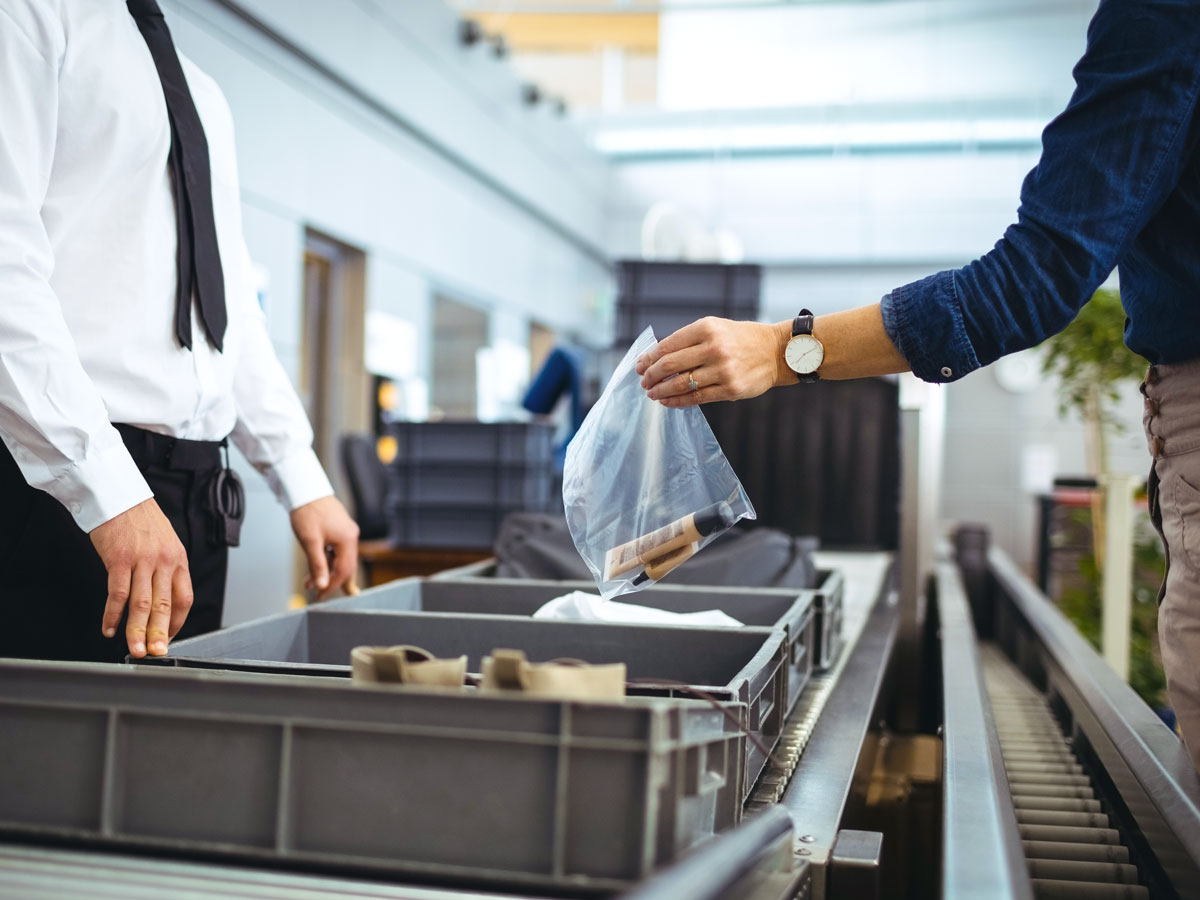

When your luggage is scanned at the airport checkpoint, there are certain items that tend to catch the attention of TSA officers. It’s not that these items are necessarily hazardous or prohibited; in fact, it’s quite often the opposite. But given the limitations of X-ray scanners, some innocuous objects are frequently mistaken for something more dangerous, so they require additional visual inspection to ensure everyone’s safety. Here’s a look at five common items that the TSA typically flags and why.
Books

The TSA’s website states that books often require additional screening. Part of the reason for this concerns the fact that books contain paper, an organic material that appears as an orange block on X-rays. When viewing an X-ray image, an officer may see limited detail and have no way to discern harmless organic material from something possibly hazardous (such as a block of explosives or drugs hidden inside the book).
Larger books or several books stacked together may also be flagged. This is because the more pages there are, the denser the X-ray image will appear. Those dense images may obstruct the officer from being able to clearly see everything inside your luggage, so further visual inspection may be needed.
Spices

When you’re traveling abroad, it’s tempting to pick up local spices that may be hard to acquire at home. And while the TSA permits powdered spices and dried herbs, these items also may raise eyebrows at the security checkpoint. Their granular and powdery consistency may be difficult to discern from illicit drugs or explosives, so an officer may pull you aside to visually inspect them.
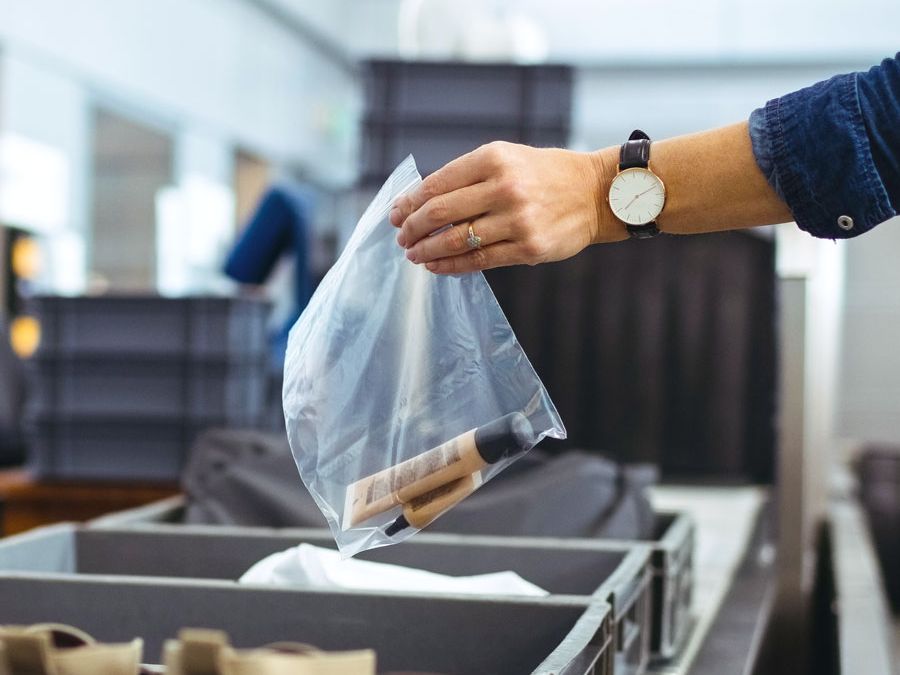
This guidance also applies to protein powder, ground coffee, powdered makeup, or any organic objects that X-ray scanners detect. For this reason, it’s a good idea to keep dried or powdered items inside separate clear bags that you can remove prior to sending your luggage through the scanner.
Certain Medications

The TSA permits unlimited amounts of medications in pill or solid form, both in carry-on and checked luggage. The agency does not require you to show a prescription or to keep your medicine in pill bottles (though some states may have individual laws concerning this). All medication will be X-rayed, but passengers can request a visual inspection if they prefer.
As for liquid medications, the TSA normally imposes a strict 3.4-ounce liquid limit, but some liquid medications are actually permitted in your carry-on, even if they exceed the limit. However, you must declare any medically necessary liquids, gels, or aerosols to the agent prior to screening — or else your bag will be flagged.
Wrapped Gifts

When traveling with gifts, you may be tempted to get all your wrapping done at home before you head to the airport; however, this isn’t always a good idea. Many common gifts may trigger concerns at airport security, such as battery-powered toys, candles, perfumes, or electronics. While all of these objects are allowed past the checkpoint, they occasionally require further inspection. And if you’re pulled aside, you’ll have no choice but to unwrap any suspicious gifts to prove what’s inside, thus ruining your hard work.
To avoid these hassles, a TSA press release encourages passengers to use gift bags, which can be easily opened, or gift boxes with removable lids. The agency also singles out snow globes as a popular gift that people mistakenly pack in their carry-ons — many snow globes exceed the TSA’s 3.4-ounce liquid limit, so they should always be packed in checked luggage.
Unsealed Food
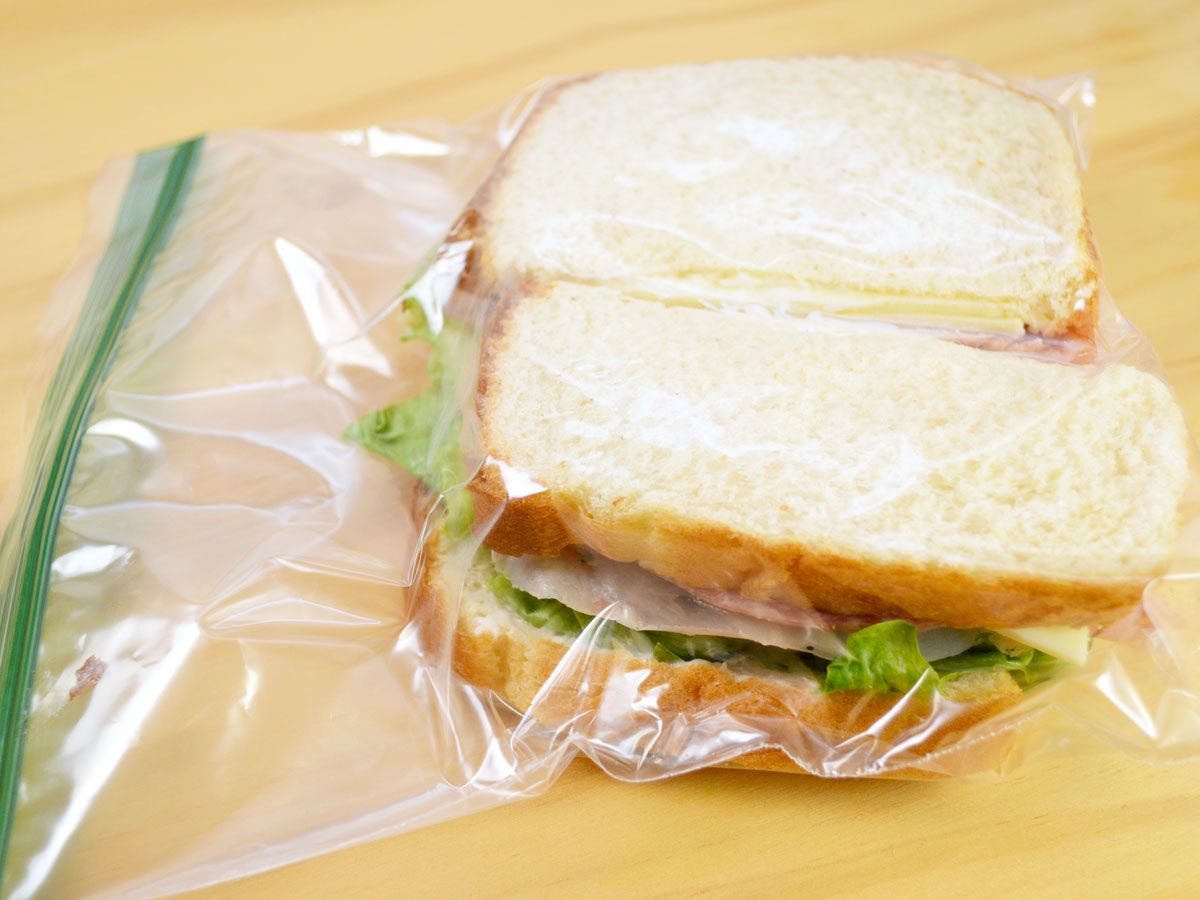
Many travelers bring homemade meals in their carry-on luggage, so that they don’t have to worry about expensive airport food or mediocre airplane meals. While solid foods are permitted by the TSA — especially if sealed — unsealed food can raise concerns because it could conceal prohibited items. For example, if a person is trying to smuggle drugs past security, they could potentially place them inside a sandwich, which would appear as a single mass of organic material on the X-ray scanner.
To make things easier when traveling with unsealed food, keep each item inside a clear plastic bag. This allows for easy access, making it simpler and quicker for TSA agents to inspect the food in question and clear it. Avoid wrapping food inside aluminum foil if possible. While foil is permitted by TSA, the metal may obscure the X-ray scanner and require an additional inspection.
Featured image credit: Wavebreak Media/ Adobe Stock
More from our network
Daily Passport is part of Inbox Studio, an email-first media company. *Indicates a third-party property.