
10 Former Country Names You’ve Never Heard Of
10 Former Country Names You’ve Never Heard Of
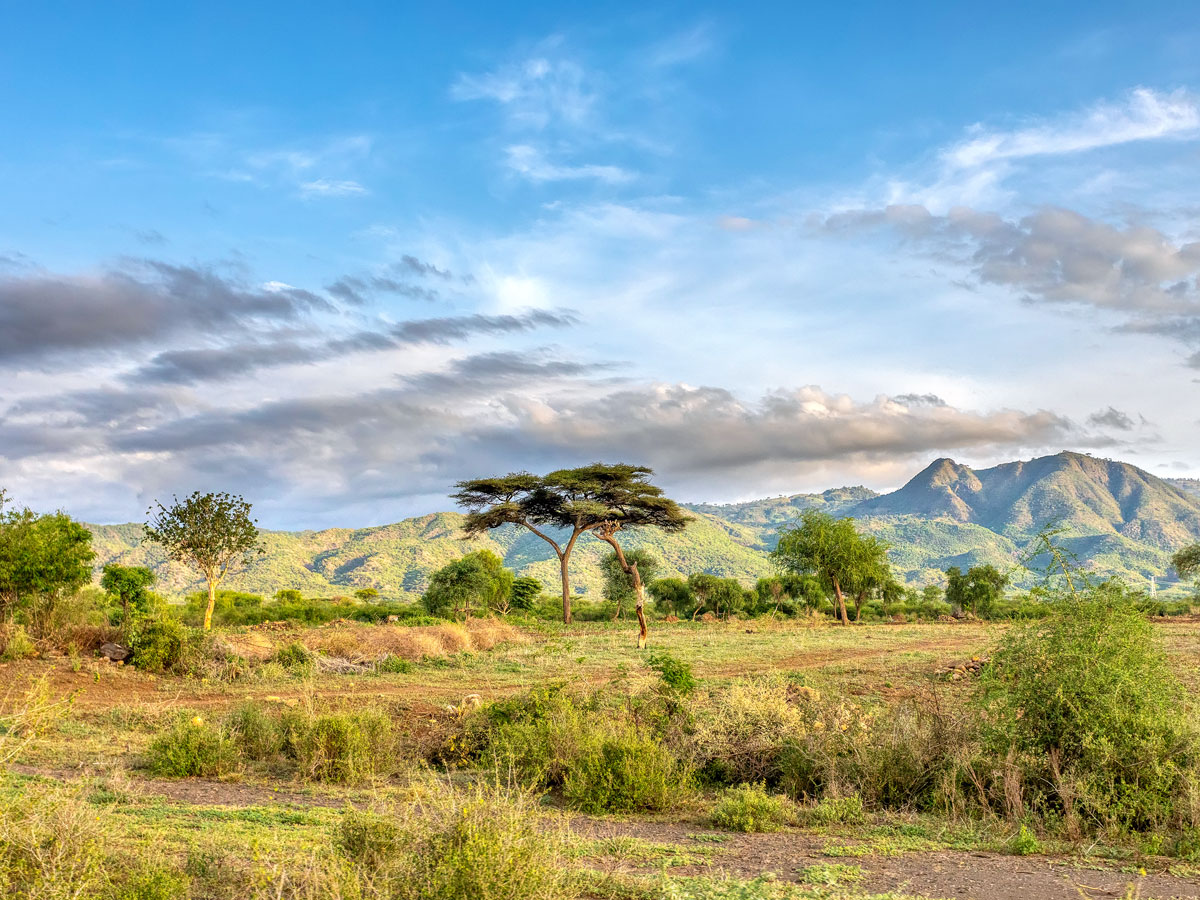

Fancy a flight to the Helvetia? How about the Batavian Republic? Throughout history, countries have changed their names for numerous political and cultural reasons. Here are 10 original country names we bet you’ve never heard of and the fascinating history behind them.
Helvetia
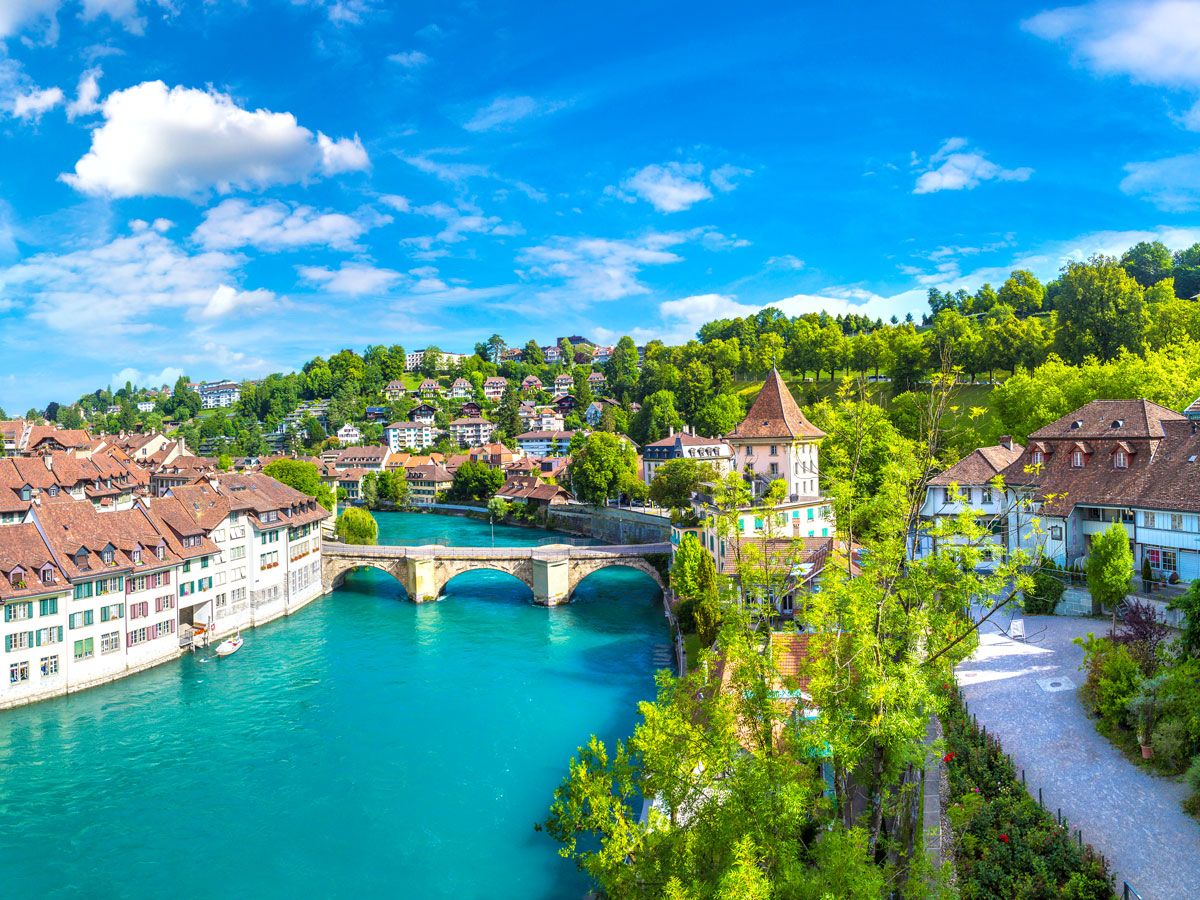
If you visit the country formerly known as Helvetia, be sure to try some of its famous chocolates and cheeses. Helvetia is the Latin name for present-day Switzerland, named after the Celtic Helvetii tribe who migrated to Switzerland during the reign of the Roman Empire. After Switzerland was conquered in the late 18th century, the French established the short-lived Helvetic Republic, which lasted from 1798 to 1803. Today, you’ll see a female figure and the word “Helvetia” on Swiss currency. The lady Helvetia is the personification of Switzerland, which is similar to Lady Liberty in the U.S.
Ceylon
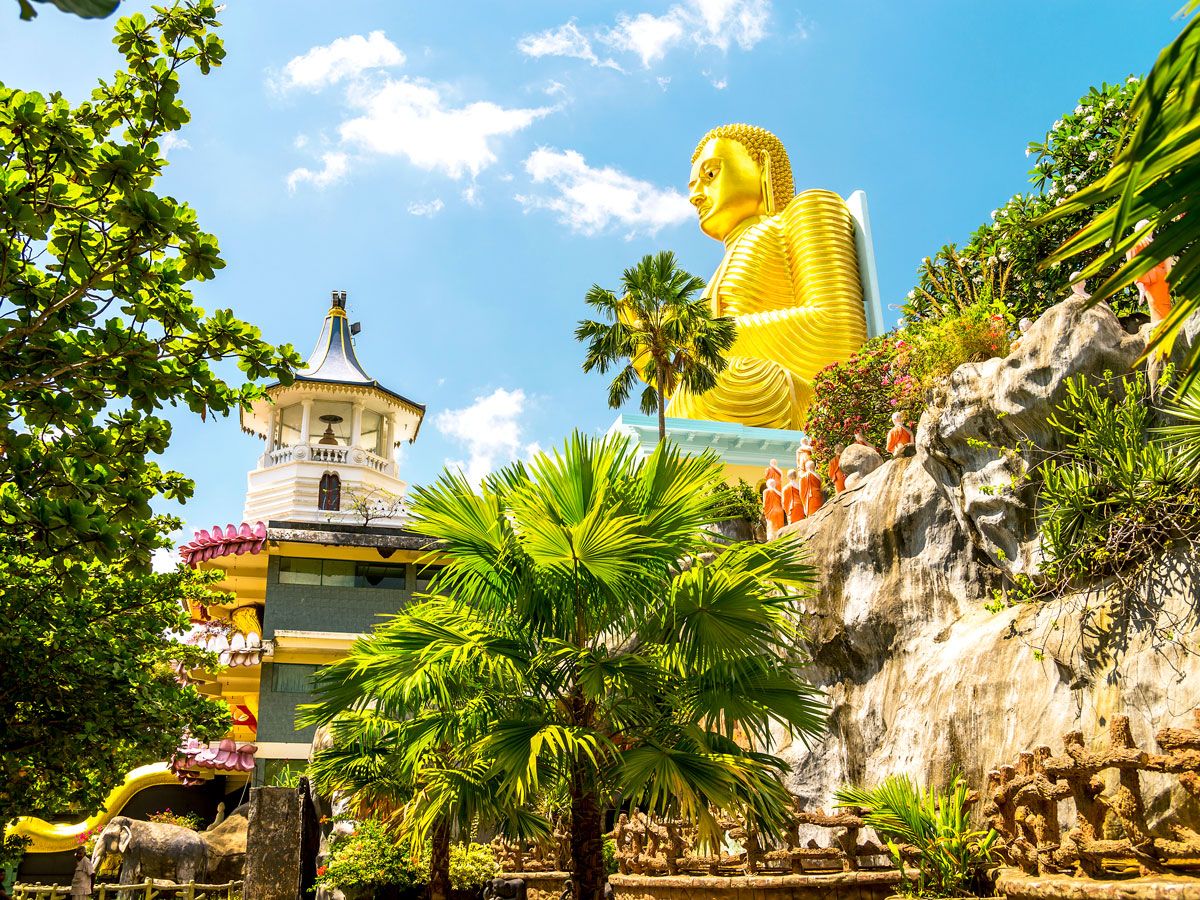
The teardrop-shaped island off the southern coast of India was known by early Arab and Persian traders as Serendib, which is the origin of the word “serendipity.” When the island was colonized by the Portuguese, it became known as Ceilão, which was anglicized as Ceylon. Ruled by colonial powers for centuries, the island finally gained independence from Britain in 1948. The island nation changed its name to Sri Lanka in 1972, but the name “Ceylon” is still commonly used in state institutions. One of the largest state-owned banks, for example, is still known as the Bank of Ceylon.
Bechuanaland
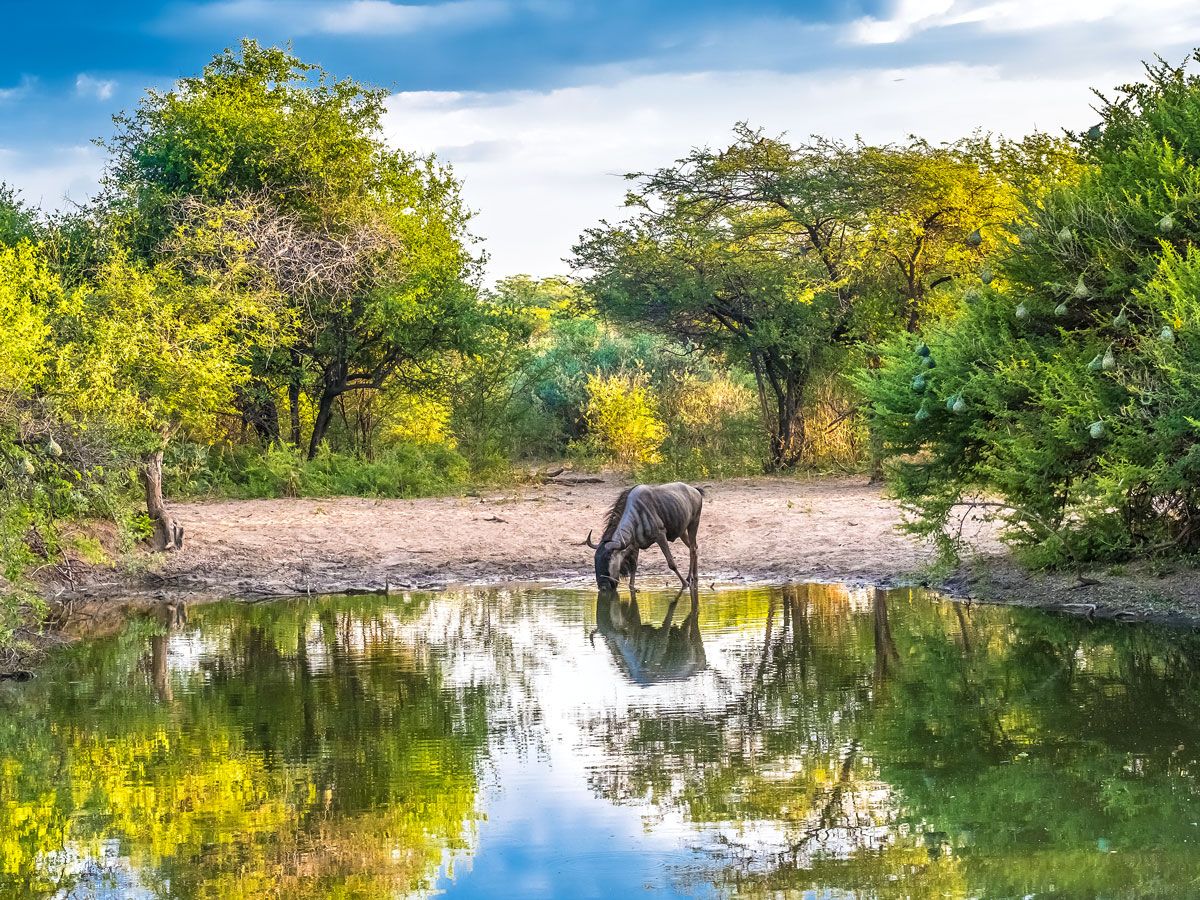
Before it was known as the Republic of Botswana, this region in southern Africa was a 19th-century British protectorate called Bechuanaland. During this time, diamonds were discovered in the country, and this critical find turned impoverished Botswana into one of the wealthiest countries in Africa. Today, the landlocked nation, which gained independence in 1965, is one of the most popular destinations for a safari vacation due to its lush Okavango Delta that attracts groups of migrating animals every summer.
Trucial States
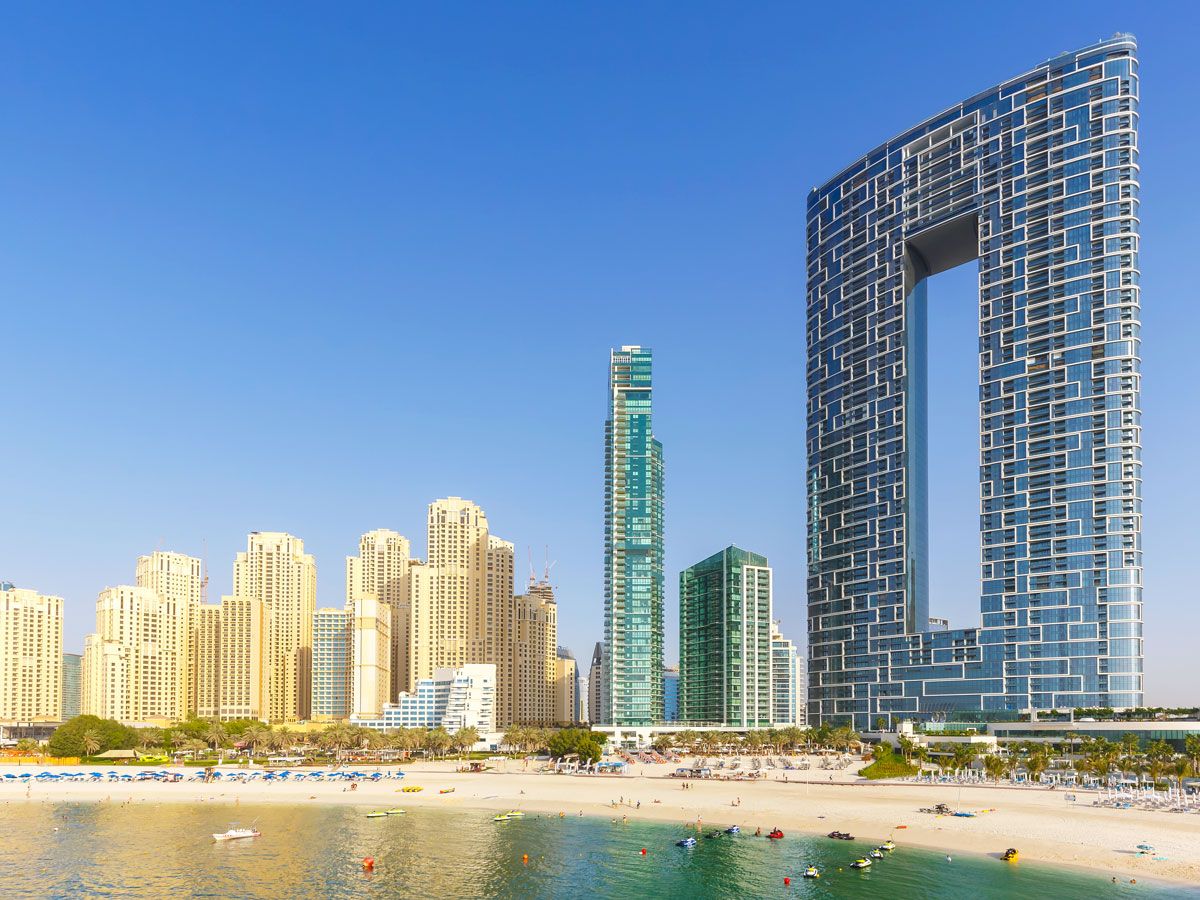
An ongoing series of peace agreements in the 1800s put the “truce” in the Trucial States and paved the way for the future unification of the United Arab Emirates. The seven city-states of Abu Dhabi, Dubai, Sharjah, Umm al-Qaiwain, Fujairah, Ajmanm, and Ra’s al-Khaimah formed their official federation in 1971. Today, Dubai is the most well-known city-state of the UAE and is home to the Burj Khalifa Tower, the tallest building in the world.
Siam
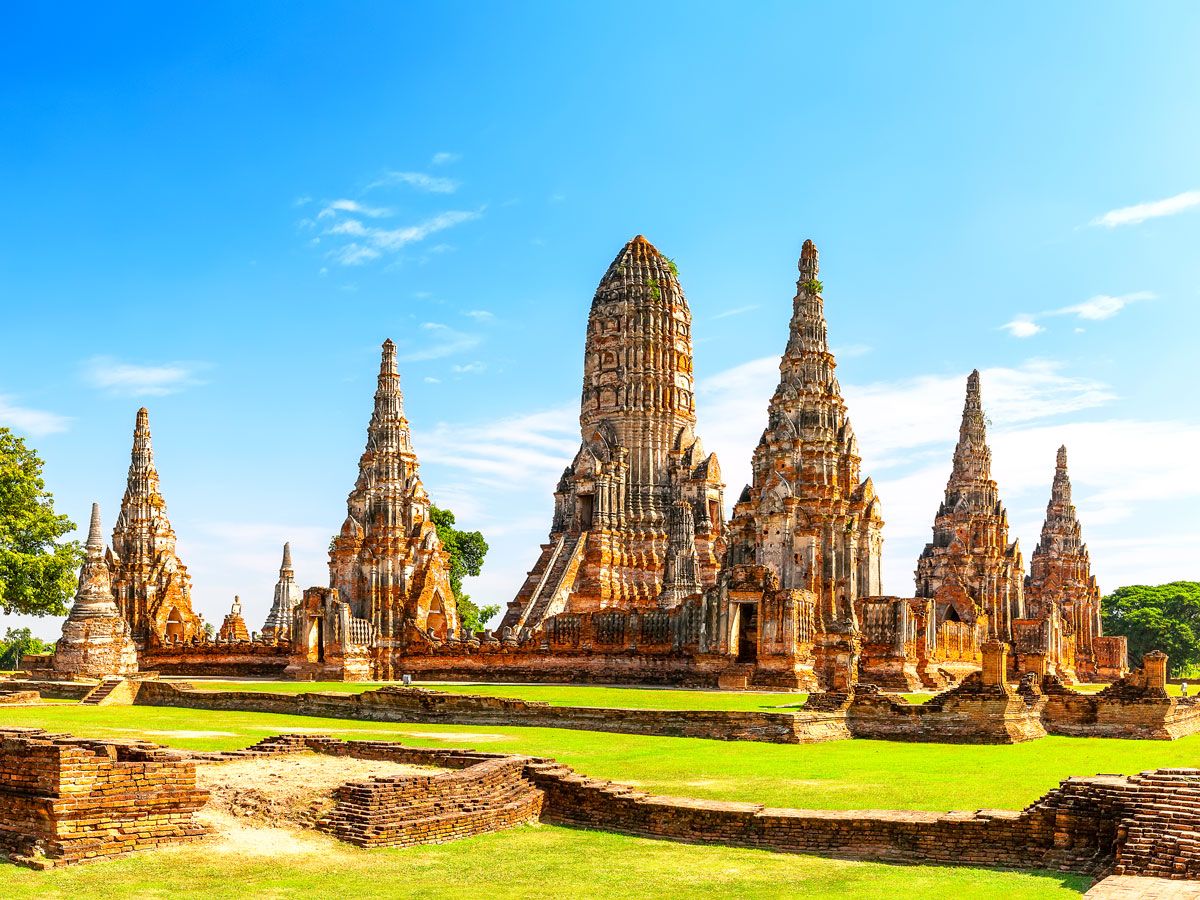
In 1939, the nation formerly known as Siam became Thailand. The name changed reflected a desire to assert a unique cultural identity apart from China. While you can see one version of the Siam of the 1800s in the Rodgers and Hammerstein musical The King and I, it’s worth getting to know the present-day country with its diverse cultural past. From the high-energy nightlife of Bangkok to the serenity of Phuket’s beaches, Thailand’s many attractions make it one of the world’s most popular tourist destinations.
Rhodesia
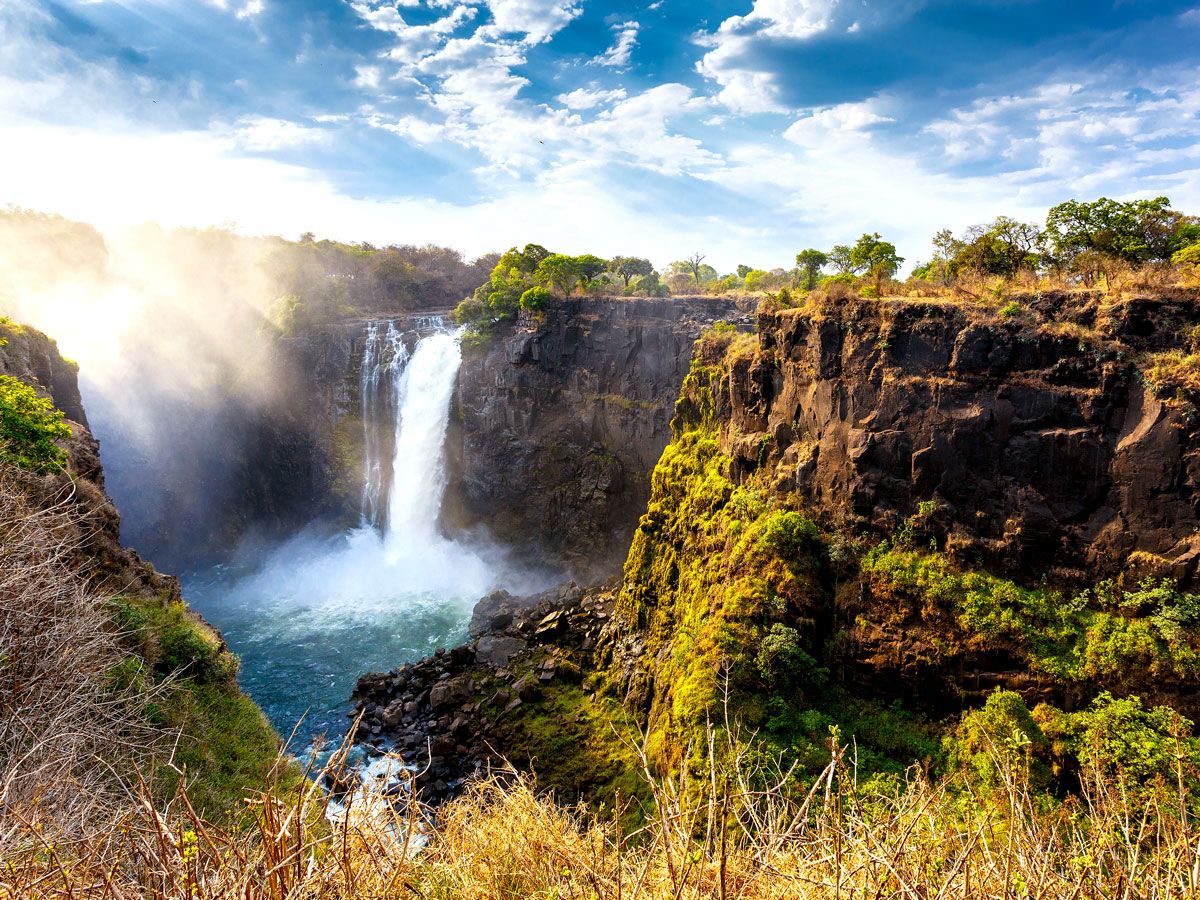
The British colonial territory of Rhodesia — located where the countries of Zambia and Zimbabwe are today — was named for its colonial administrator, Cecil Rhodes. In the 19th century, the region was exploited for coal, gold, and copper by the British South Africa Company. The territory was divided into Northern and Southern Rhodesia in the early 20th century, with the north (present-day Zambia) becoming a British protectorate and the south (present-day Zimbabwe) becoming a self-governing British colony. In the 1950s, these two territories joined with Malawi (then known as Nyasaland) to form the Federation of Rhodesia and Nyasaland. In 1964, Zambia gained its independence from Britain, while it would take Zimbabwe until 1980.
East Pakistan
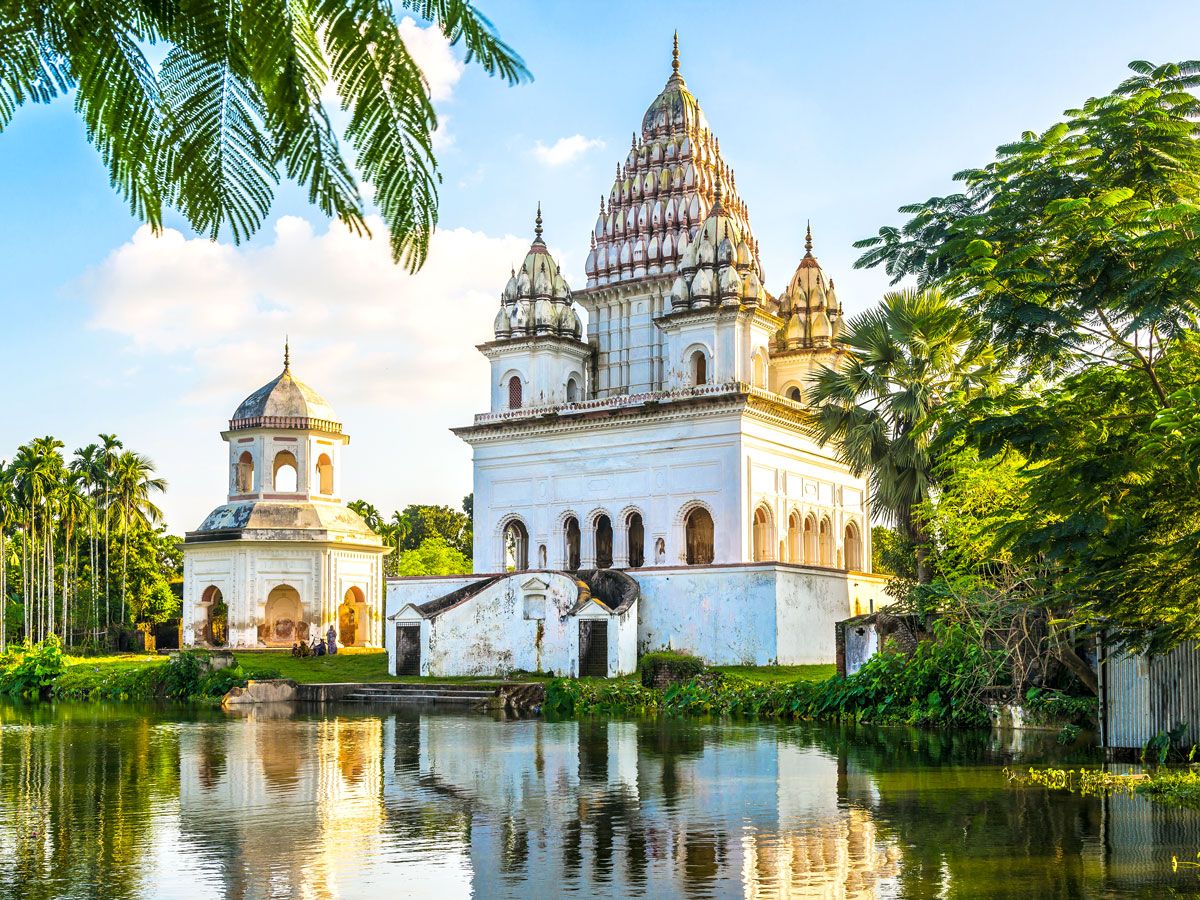
Following the Partition of India in 1947, Pakistan was divided into East Pakistan and West Pakistan, which had distinct cultural and geographical differences. After much turmoil, involving coups, crackdowns on democracy, and the overthrow of Pakistani leaders, East Pakistan seceded from Pakistan during the Bangladesh Liberation War, with help from India. The new country declared its independence from Pakistan on March 26, 1971, and became known by its present-day name, Bangladesh.
Zaire
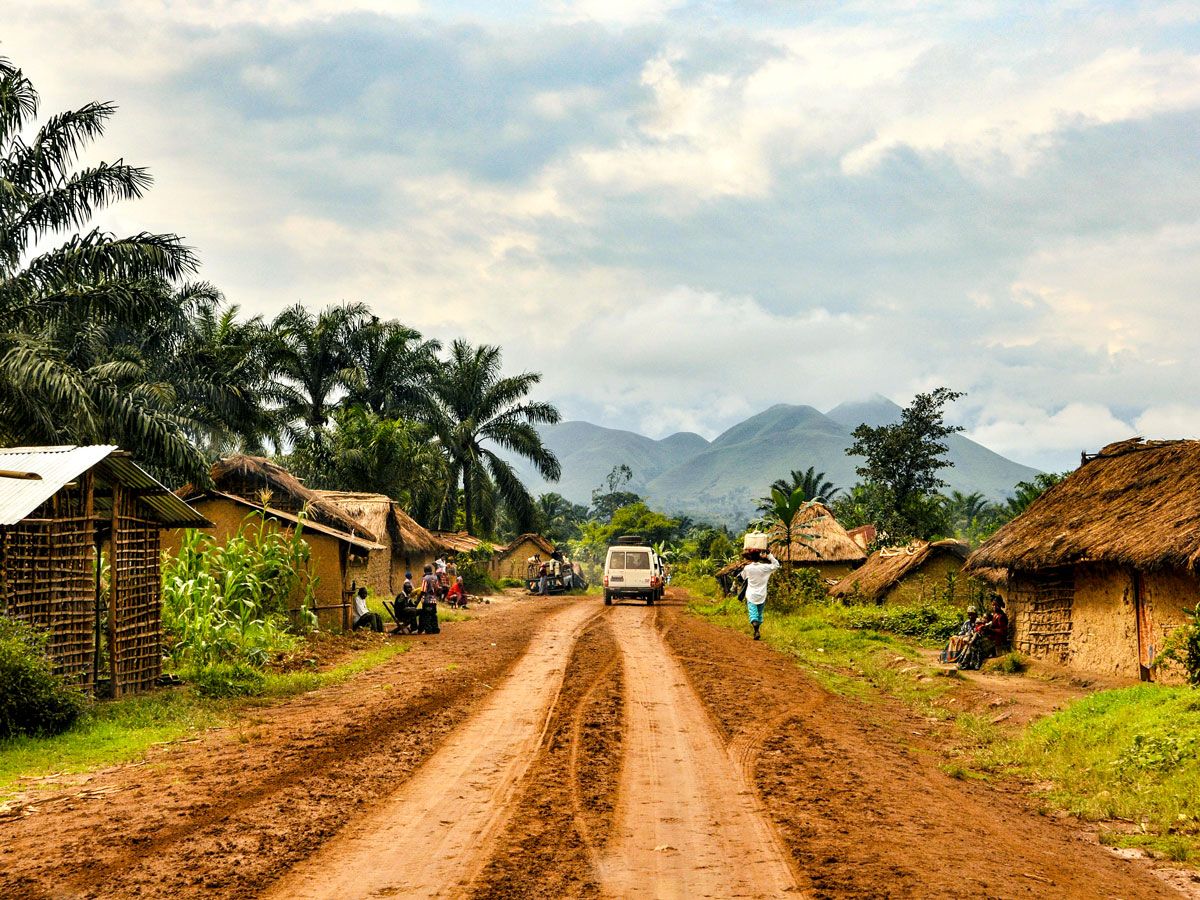
Before settling on its current name, the Democratic Republic of the Congo has gone by various others, including the Congo Free State, Belgian Congo, and the Republic of the Congo. In 1964, the name was changed to the Democratic Republic of the Congo, but in 1971 then-president Mobutu Sese Seko renamed it Zaire. The name came from a local term meaning “great river,” a reference to the Congo River. When Mobutu was overthrown in 1997, the nation’s name was changed back to the Democratic Republic of the Congo, as it remains today.
Abbysinia
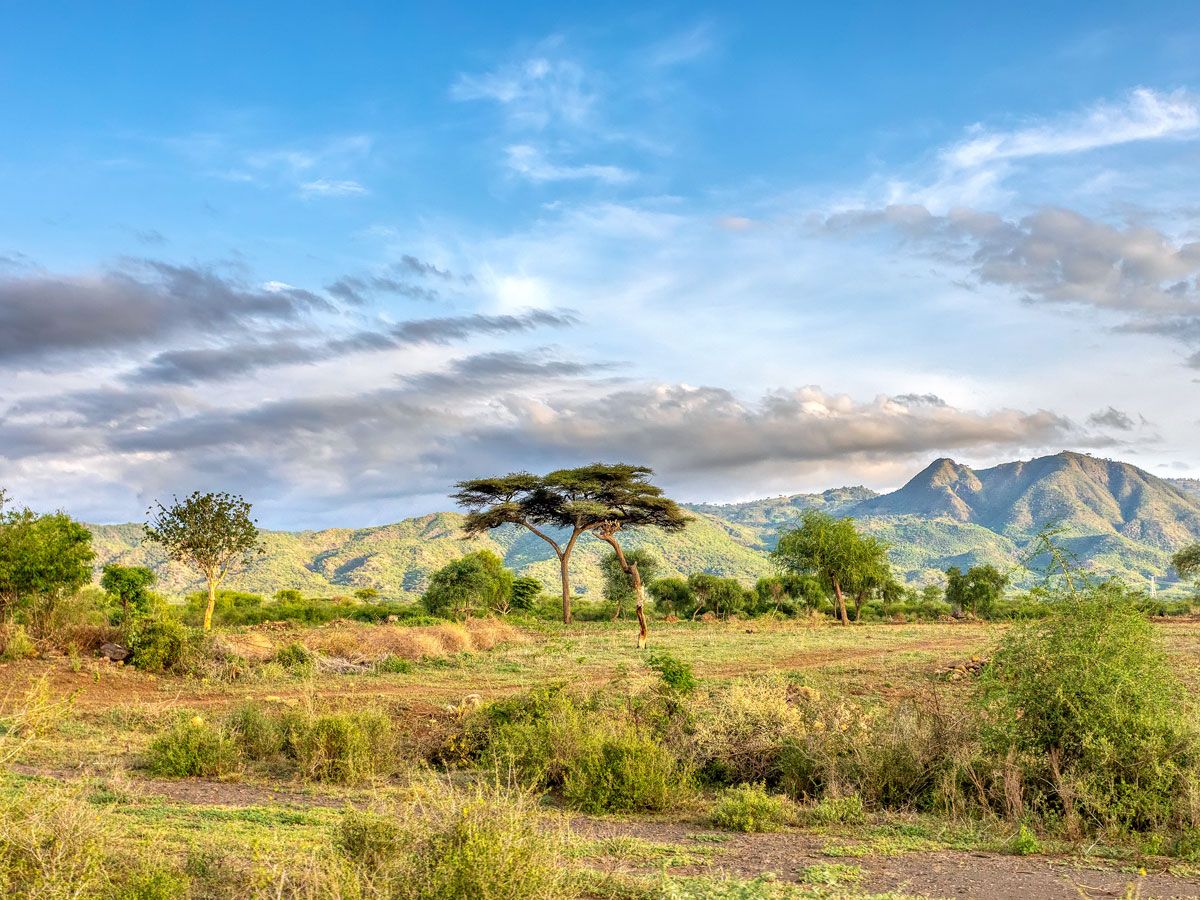
The Ethiopian Empire, which covered the northern part of what’s now Ethiopia, was also known as Abyssinia. The official switch to Ethiopia happened during World War II at the behest of Haile Selassie, the King of Ethiopia. However, the nomenclature has been debated: Some scholars have argued that the country has always been called Ethiopia, and Abyssinia was a name popularized by Arabs. The Ethiopian Empire lasted until 1974, when Haile Selassie was overthrown in a coup d’état.
Batavian Republic
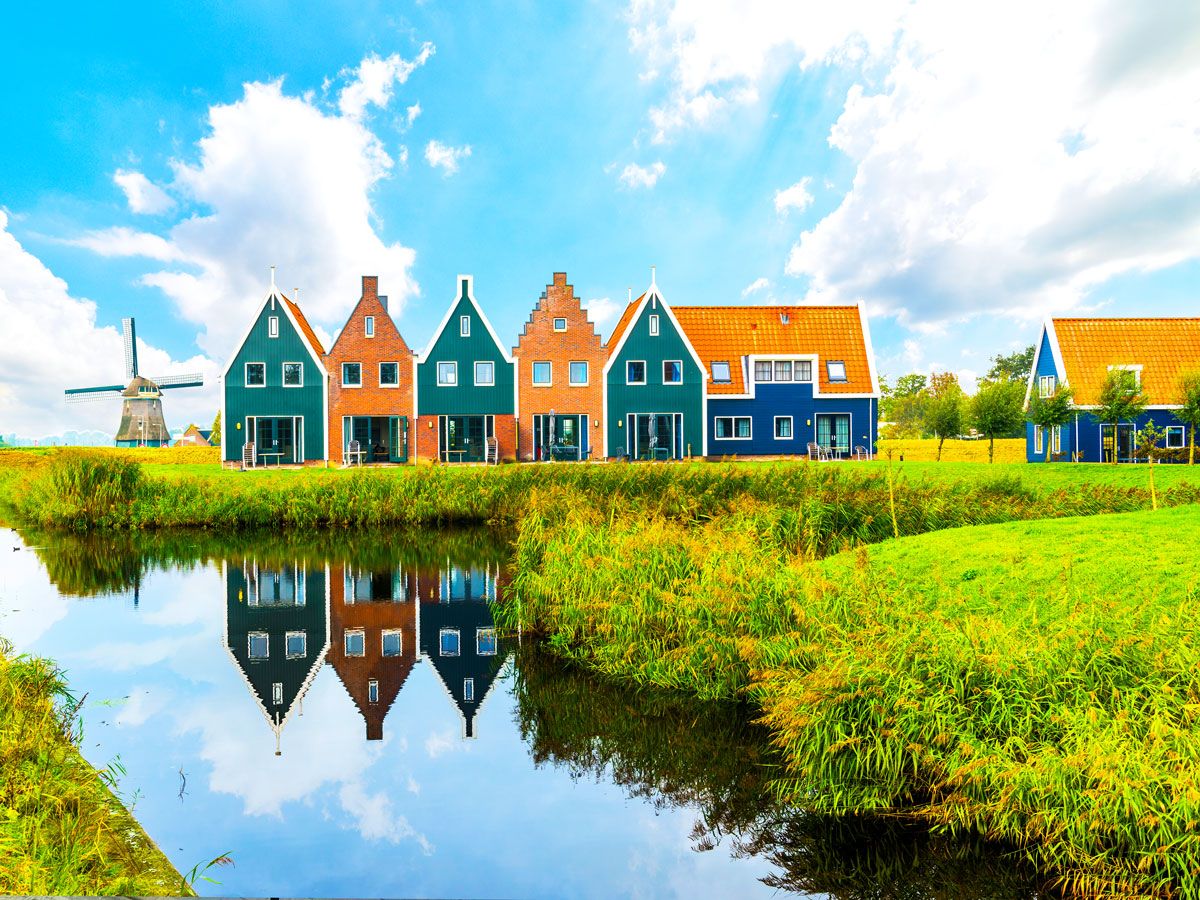
The Batavian Republic was short-lived and lasted just 11 years, from 1795 to 1806. Its name had ancient origins: “Batavian” references the Germanic Batavi tribe, whom the Romans conquered in 4 BCE. The tribe lived around the Rhine delta and prospered after being assimilated into the Roman Empire. After the Batavian Republic ended, the country became the Kingdom of Holland, which today we know as the Netherlands.
More from our network
Daily Passport is part of Inbox Studio, an email-first media company. *Indicates a third-party property.