





8 U.S. Regional Dishes You’ve Probably Never Heard Of
8 U.S. Regional Dishes You’ve Probably Never Heard Of

Many regional dishes have gone national — you can find a decent Buffalo wing practically anywhere — but others remain firmly rooted to their original locales. So, unless you stumble on a restaurant operated by a homesick transplant, you’re probably not going to find a proper jonnycake in Anchorage or a good garbage plate in L.A. Some dishes seem destined to remain in the places that created them and are best experienced there. Here are eight regional dishes you might not know, each of which is a delicious reason to book a trip.
Lefse – Minnesota
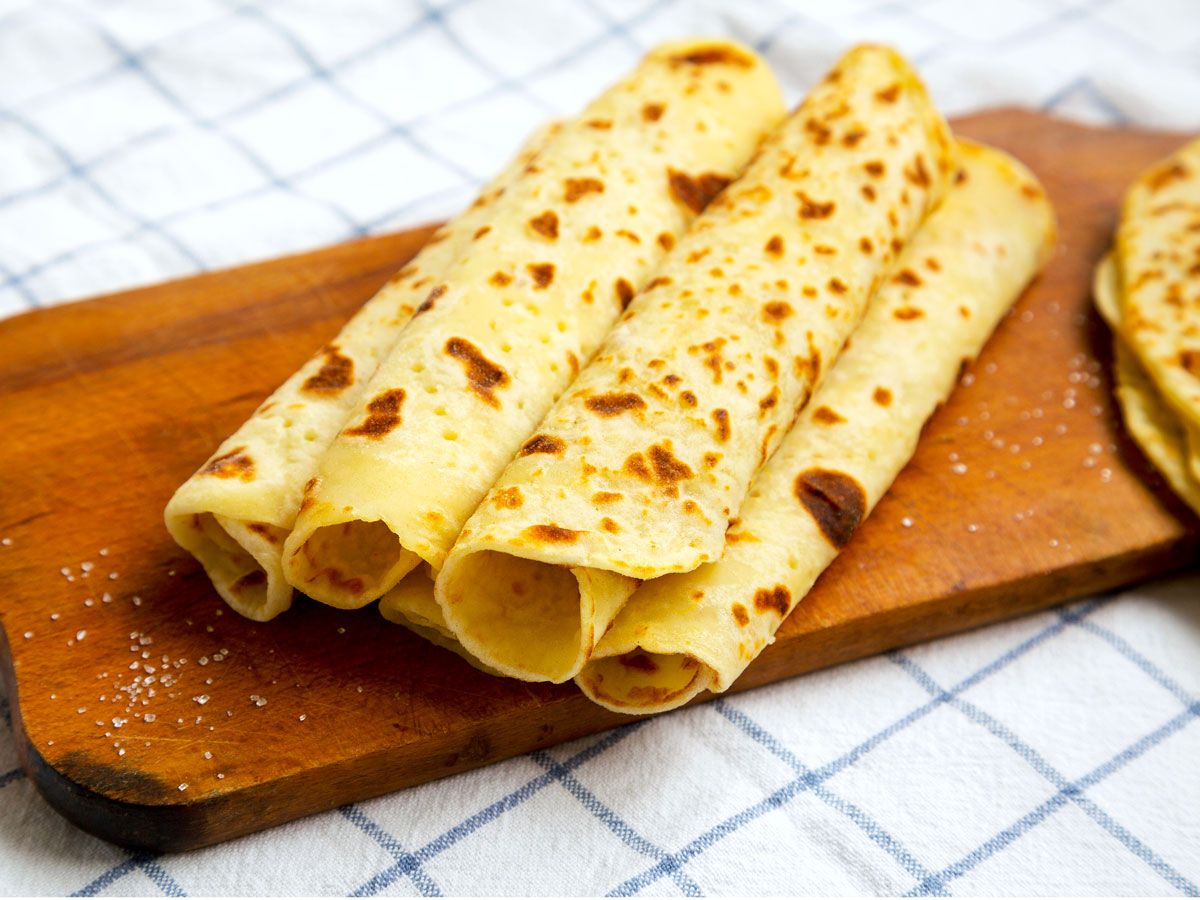
Norwegian immigrants introduced this whisper-thin flatbread to the upper Midwest in the 1880s. Making lefse is a Scandinavian ritual, and family recipes are closely guarded. The dish consists of riced potatoes, flour, and cream, which are mixed and then cooked on a griddle until freckled like a tortilla. Butter and cinnamon sugar are the classic accompaniments, but you can also enjoy lefse with smoked salmon, ham and cheese, or really any filling that strikes your fancy.
Lutheran church fellowship halls are a great place to find authentic versions, and the city of Fosston holds an annual Lefse Fest each November. If you can’t make it to Minnesota, Norsland Lefse ships nationwide.
Fry Bread – Southwestern U.S.
The beginnings of this dish come from tragic circumstances. In 1864, the U.S. government began the forced removal of the Navajo (Diné) people, marching thousands of men, women, and children hundreds of miles to an internment camp at the Bosque Redondo Reservation in New Mexico. The government supplied them with only meager staples such as lard, flour, and sugar, which the Diné transformed into a pillowy fried dough now known as fry bread.
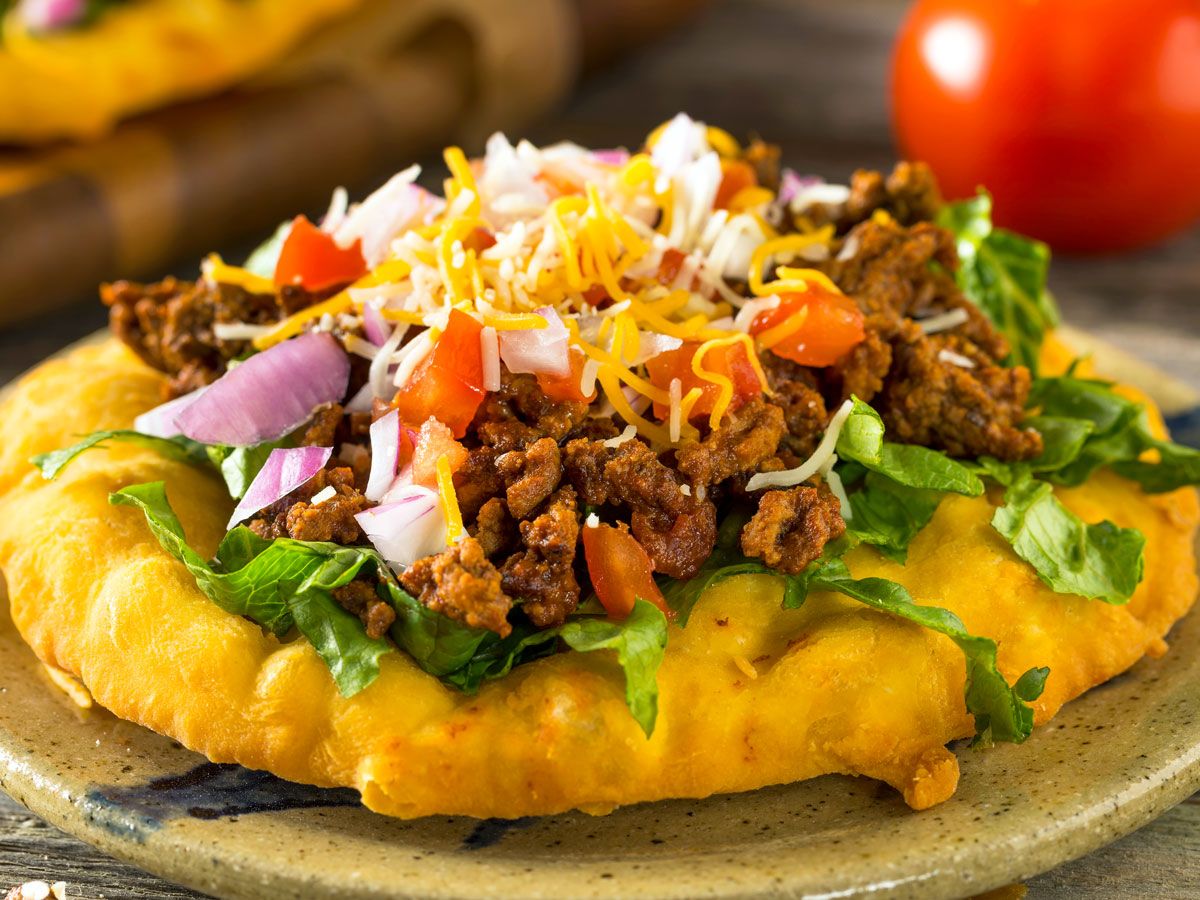
Today, these plate-sized discs are topped with ground meat and beans and garnished with lettuce, tomatoes, shredded cheese, and salsa. The dish was adopted by other tribes, and fry bread tacos remain a favorite across the southwestern U.S. In 2012, Phoenix’s Fry Bread House was honored by the James Beard Foundation.
Cioppino – San Francisco, California
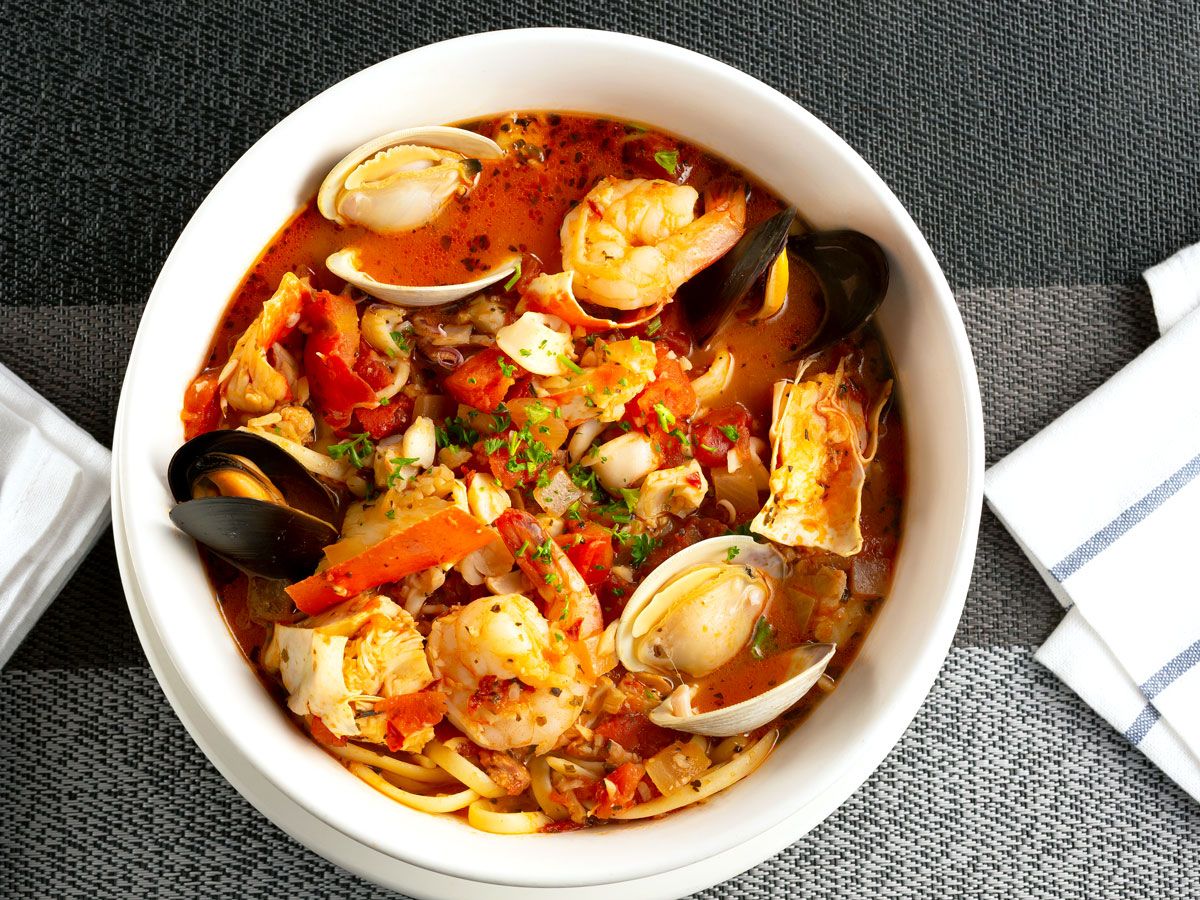
A true San Francisco treat, cioppino originated in the late 1800s when Italian immigrants created tasty stews reminiscent of the coastal soups of their homeland, utilizing briny bounty harvested from the city’s numerous piers and fishing boats. To make cioppino, a tomato-and-wine broth fragrant with herbs is packed with seafood of all sorts.
The first recipe was printed in a cookbook to benefit refugees of the 1906 earthquake and fires. Alioto’s, which claimed to be the first restaurant to offer cioppino, has sadly been demolished, but you can still get an exemplary bowl at Sotto Mare.
Jonnycakes – Rhode Island
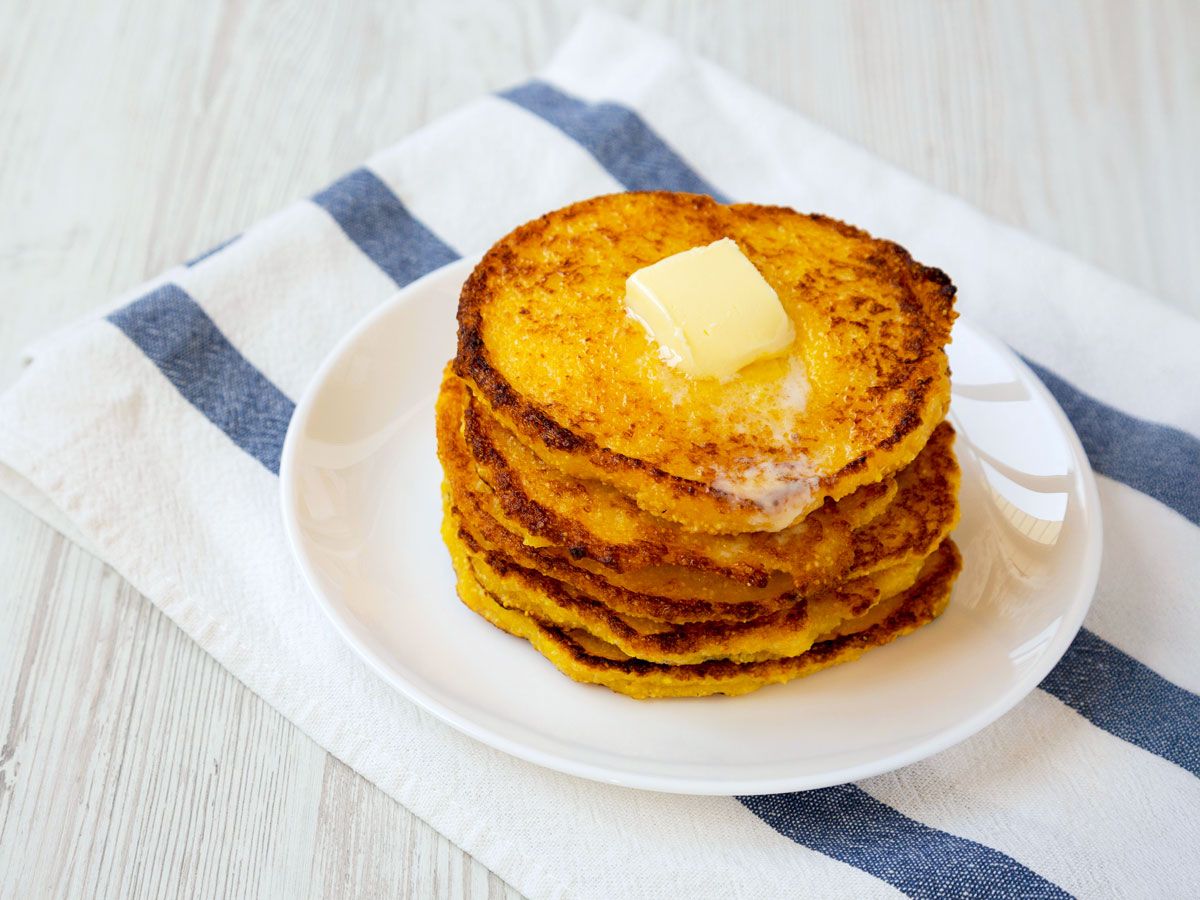
Purists insist on leaving the “h” out, but you’ll also find these cornmeal pancakes called “johnnycakes” — and even “journey cakes” — in the Ocean State. The arguments don’t stop at spelling: Should a jonnycake be thick or thin? Made with water or milk? Did it originate with colonists or the local Native American tribes? According to The New York Times, a state law enacted in the 1920s dictated that true jonnycake meal must come only from white cap flint corn that’s grown and stone-ground in Rhode Island.
While Rhode Island is the birthplace of the dish and it remains a beloved staple there, similar renditions have taken hold elsewhere, including in the Caribbean. If you’re looking to make your own version, you can purchase meal ground at a water-powered mill built in 1703 if you’re in Rhode Island, or order online from Kenyon’s Grist Mill in Usquepaug, which has been in business since 1696.
Pasties – Upper Peninsula, Michigan
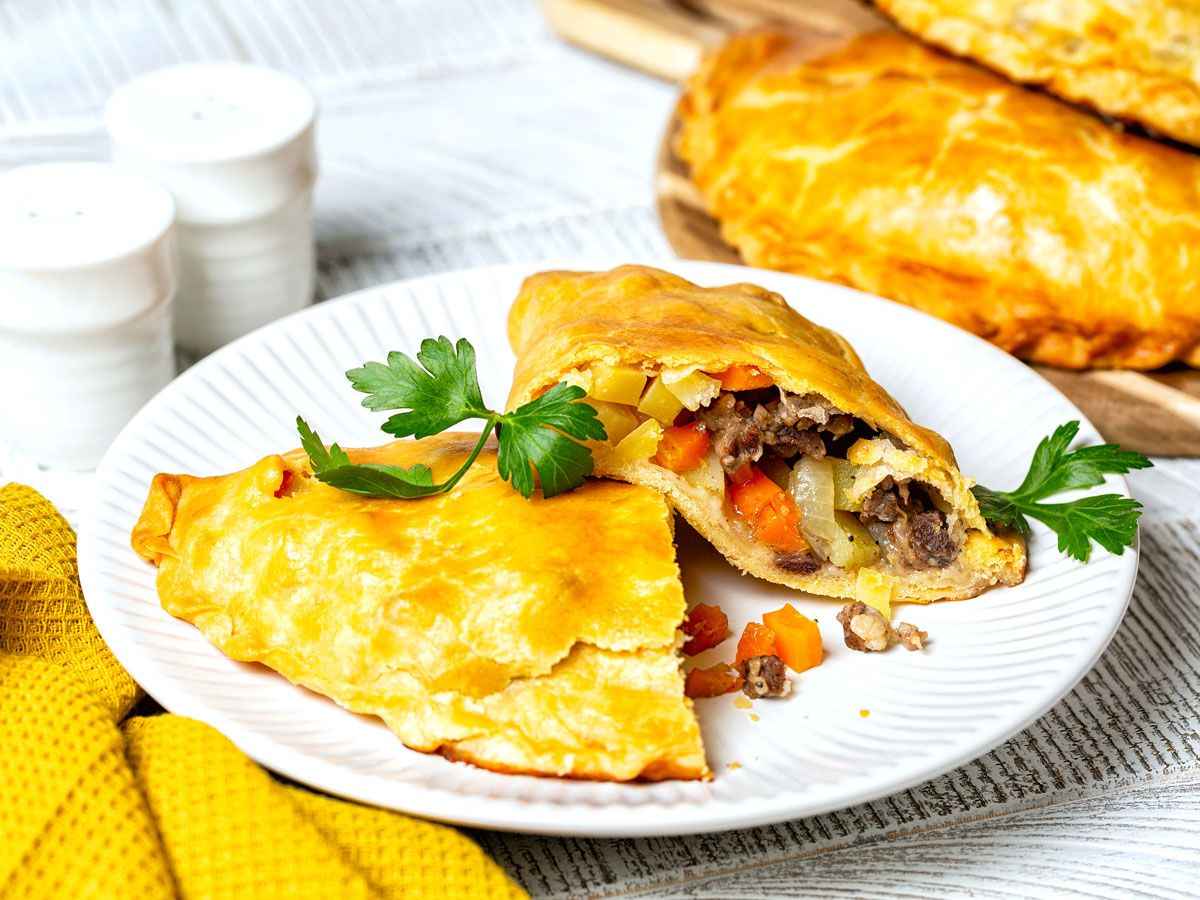
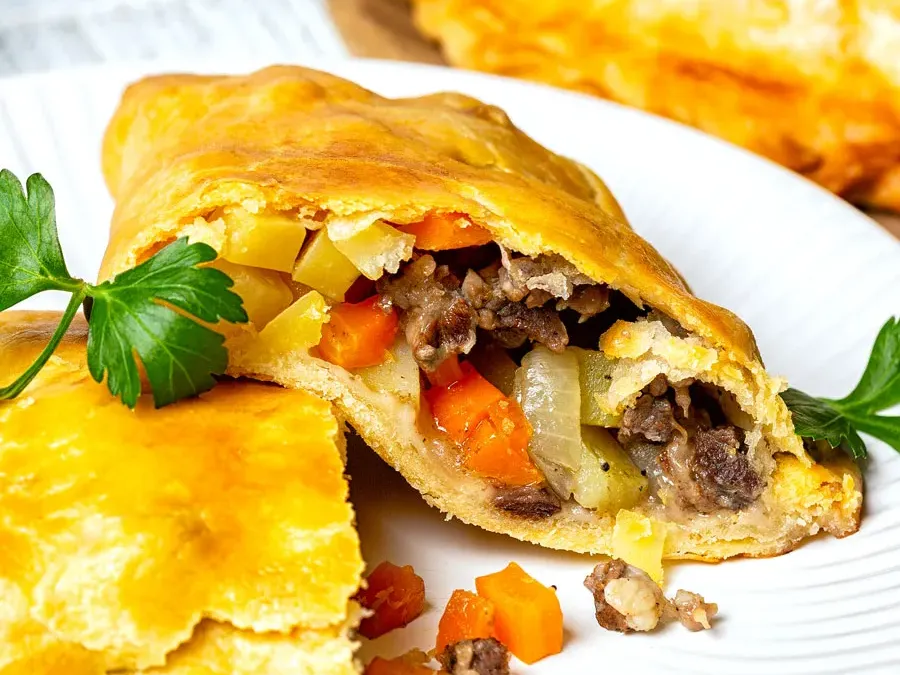
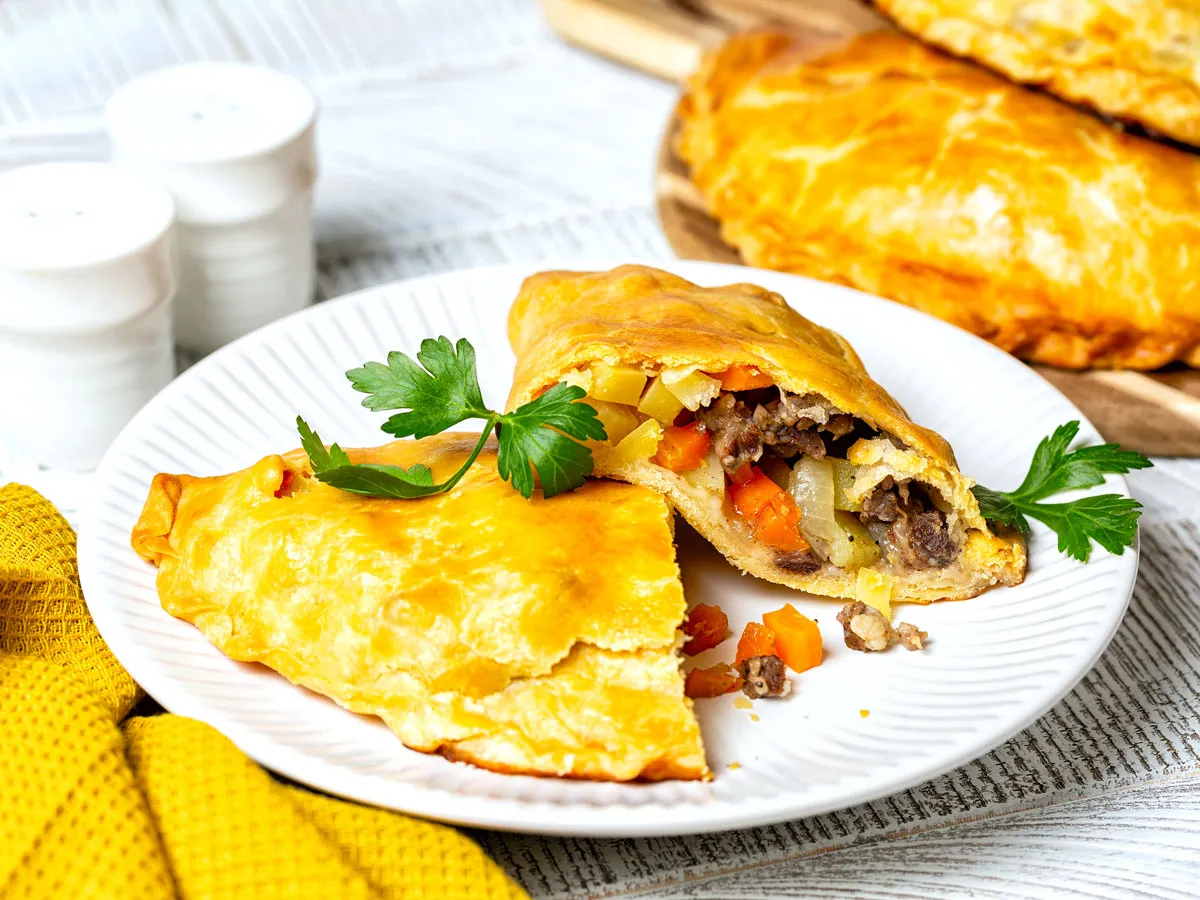
Handheld meat and vegetable pies can be found in cuisines around the world. They may be baked, fried, or steamed — think empanadas, panzerotti, pierogies, or jiaozi. But diners in Michigan’s Upper Peninsula swear their devotion to pasties, a savory pie that can have a variety of fillings (such as beef, potatoes, and onions) and that arrived courtesy of the Cornish immigrants who came to work in the region’s abundant copper mines in the 1840s.
The thick, crimped crusts create their own handles, which made for easy eating while working arduous underground shifts. These days, almost all of the mines are closed, but the “Yooper” love for pasties is still strong. Enjoy them at Lehto’s, a U.P. institution that has been serving pasties since 1947. (They ship nationwide, too.)
Pimento Cheese – South Carolina
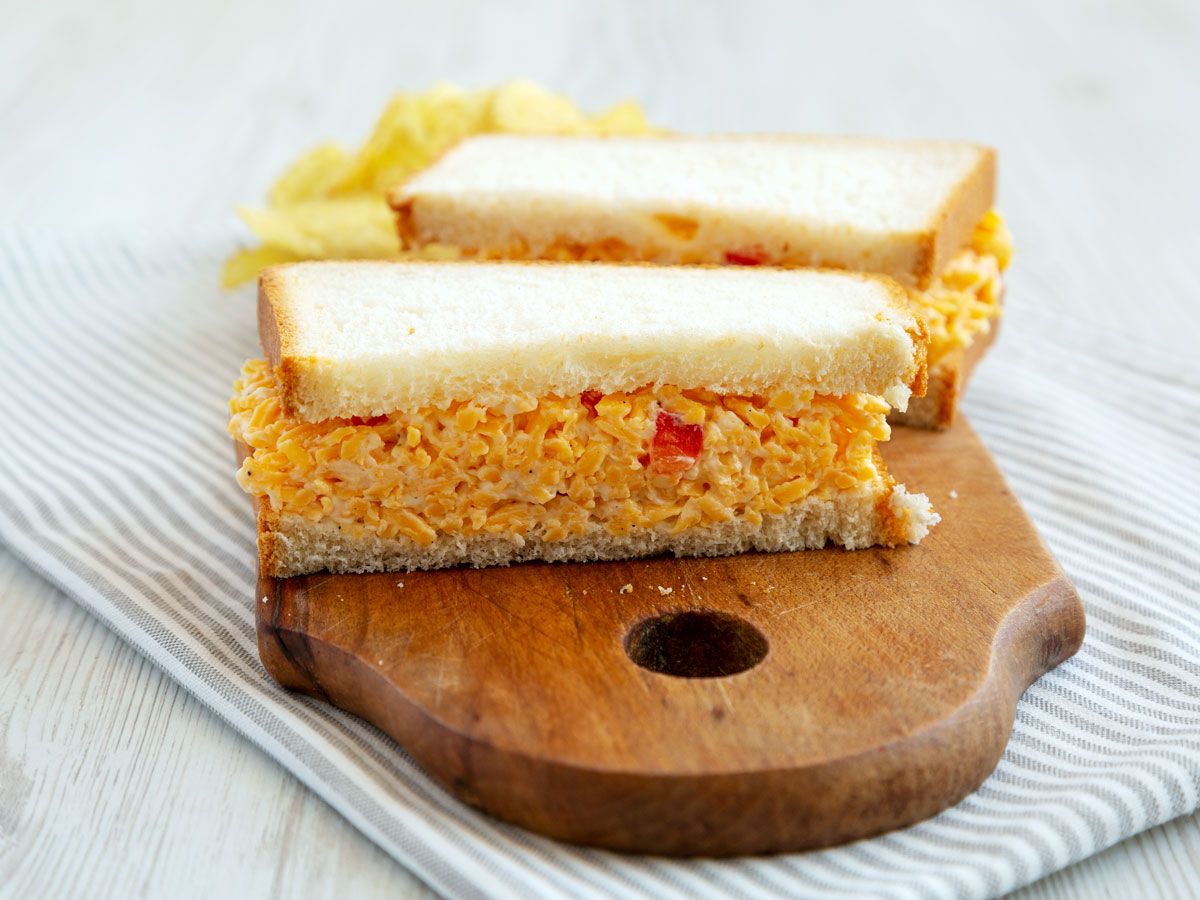
If sweetened iced tea is the “house wine of the South,” then pimento cheese is definitely its pâté. Whether slathered on a fancy cracker or piled thickly between slices of soft white bread — a perennial favorite at the Masters golf tournament — this tangy, creamy, cheese-and-pepper spread is a staple of picnics and parties.
Pimento cheese takes its name from pimiento, the Spanish word for a mild and sweet red pepper. The peppers are chopped and blended with cheddar and grated onion and, traditionally, moistened with South Carolina’s Duke’s Mayonnaise. Founder Eugenia Duke began selling pimento cheese sandwiches with her homemade mayo to soldiers at Camp Sevier in 1917. Find your favorite on Columbia, South Carolina’s Pimento Cheese Trail.
Garbage Plate – Rochester, New York
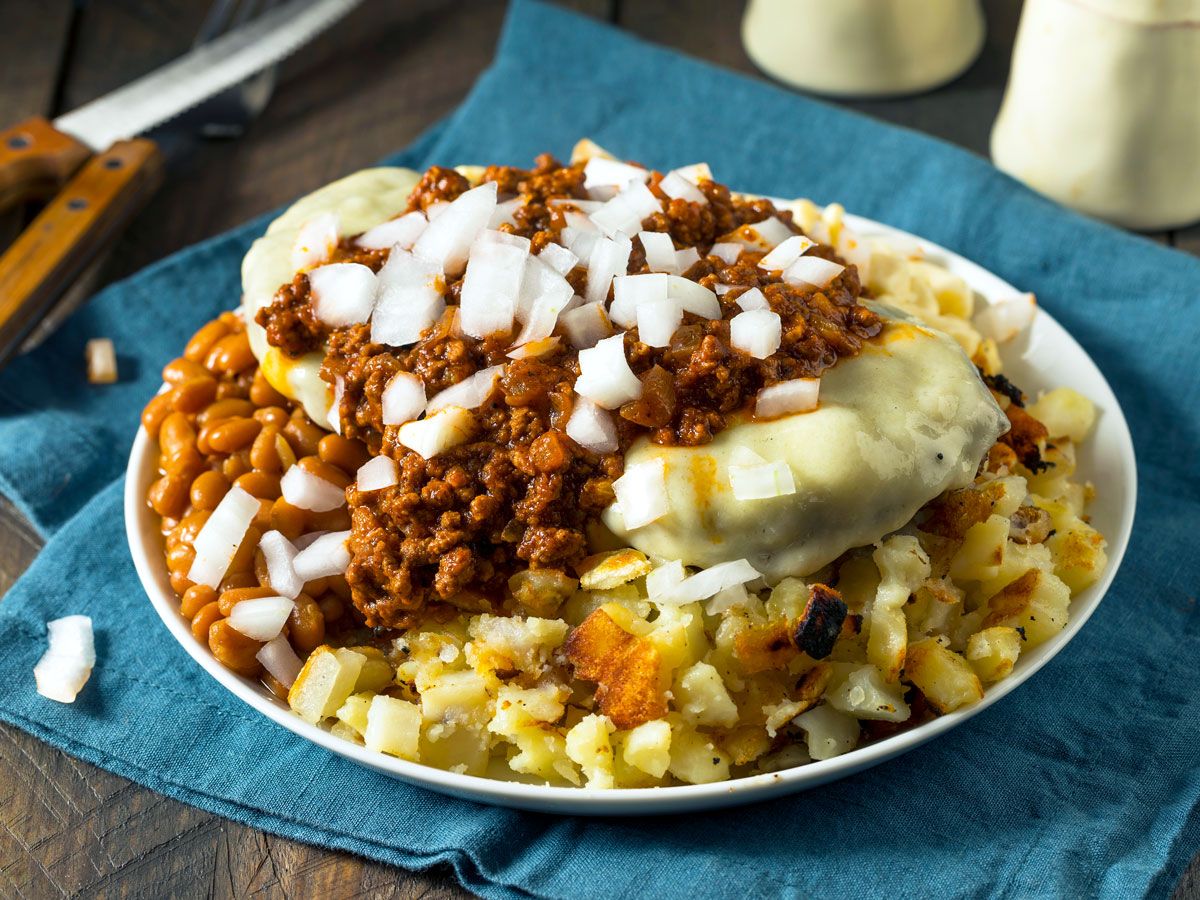
The name may be unappealing, but don’t let that fool you — the garbage plate is a beloved staple in Rochester. Since it’s trademarked by Nick Tahou, the original creator, you can order it as a “trash plate,” a “Rochester plate,” or even just a “plate” at all the other area restaurants that serve this dubious delicacy. The dish dates back to 1918, when hungry students from the University of Rochester asked Tahou for “the plate with all the garbage on it” when ordering the combination plate at his 24-hour-restaurant.
The platonic ideal of a garbage plate involves two hamburger patties served atop macaroni salad and fries (home or french), smothered in thin, spiced meat sauce, and scattered with mustard, chopped onion, and ketchup. Check out Nick Tahou Hots for the original, then try a plate at some of the many places that have expanded on the specialty.
Boiled Peanuts – Georgia
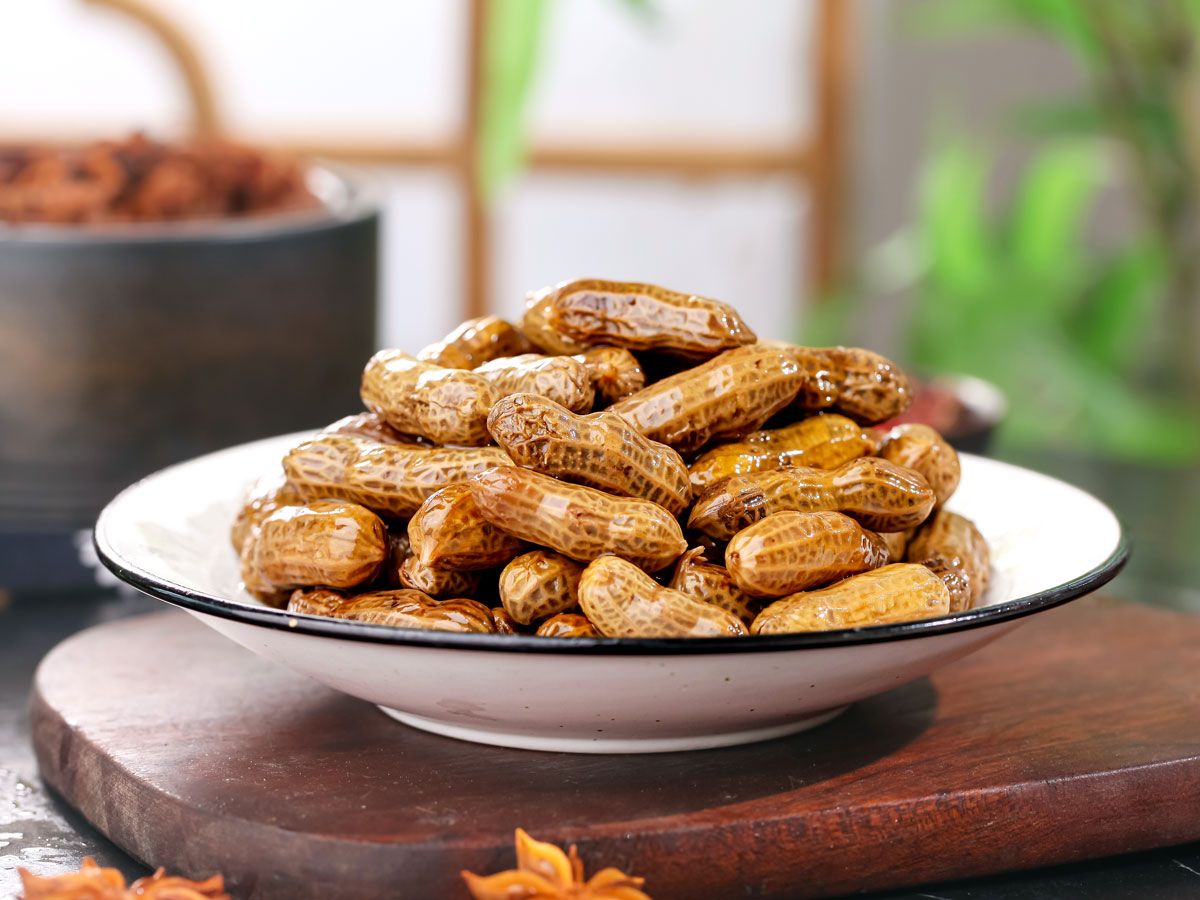
Some of the best snacks in the South are found at stands set up along back roads and byways. Unlike their crispy roasted counterparts, boiled peanuts are soft and salty, more like edamame than the hard-shelled snack found at ballparks and bars. And while you can find them elsewhere in the South, Georgia — the No. 1 producer of peanuts in the country — is the undisputed king of hand-lettered signs boasting “Boiled P-Nuts!” If you don’t happen to pass a roadside stand, you can make your own with nothing more than raw peanuts, water, salt, and time.
More from our network
Daily Passport is part of Inbox Studio, an email-first media company. *Indicates a third-party property.