





Why You Should Call (or Email) Your Hotel Before You Arrive
Why You Should Call (or Email) Your Hotel Before You Arrive


These days, most travelers make hotel reservations with a few simple clicks online and then simply show up at the front desk on the date of their reservation. But there are a few reasons why it might be worth it to call or email the hotel shortly before you arrive. It’s not to simply confirm that they have your reservation on file. (But if you’re arriving late at night, it’s a good idea to let them know you’re not a no-show.) Instead, it’s about customizing your upcoming stay and ensuring your needs are met. Discover some common scenarios when it’s helpful to contact the hotel in advance.
Accessibility Requests

Whether you book directly with the hotel or using a third-party service, you can typically request ADA-compliant accommodations. And while the odds are that the hotel knows to set one aside, for added peace of mind, it’s in your best interest to confirm that with a quick call or an email, according to the New York City tourism bureau. That way, if there’s a mix-up, you won’t show up only to be told the hotel mistakenly gave away all the ADA-compliant rooms before your arrival. Checking in with hotel staff a few days before your reservation allows ample time for the hotel to fix any potential snags, and gives you time to cancel your booking and find another hotel if necessary.
Another practical reason to contact the hotel is if you’re traveling with a baby and require a crib, or have an extra guest who requires a cot. Cribs and cots are limited at each hotel and typically assigned on a first-come, first-served basis. Contacting the hotel early may help you secure one before check-in. That way, you won’t have to worry about showing up the day of your booking and finding out that they already gave all the cribs and cots to other guests.
Special Requests

If you’re planning a trip for a special occasion — for example, if it’s someone’s birthday or an important anniversary — it can work out in your favor to let the hotel know. If you give them a few days notice, they may be able to leave, say, a complimentary bottle of Champagne or some chocolates in the room as a token of their hospitality. On the other hand, if you wait until you arrive to tell them, they may not have time to arrange such a gesture.
Furthermore, it never hurts to share your preferences, according to a hotelier interviewed by Reader’s Digest. You may be able to request a high floor or a quieter room, or even a more spacious suite that would otherwise remain unoccupied, if available. Doing this earlier than the day of your check-in is helpful, as it gives the hotel plenty of time to see if they can fulfill your request.
Who To Contact and When?
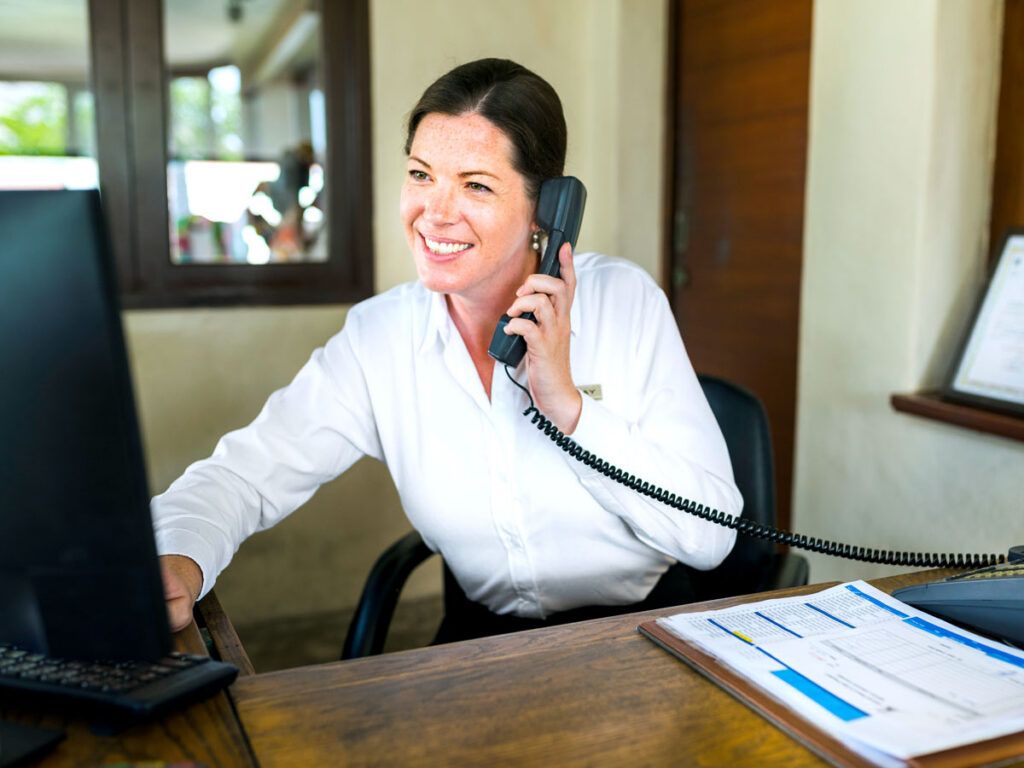
Importantly, you should always contact the hotel directly, even if you made your booking using a third-party site. Try reaching out at least two to three days before your arrival, as it allows ample time for the hotel to prepare for any request you make. If there’s an issue, this is also enough time for you to cancel the reservation and find a hotel that can meet your needs.
Typically, the best way to get in touch with the hotel is over the phone, as you’ll end up speaking with someone directly. However, many hotels also have dedicated customer service email accounts, so you can check the website to see if there’s an email address to contact. Lastly, many hotels have official apps that allow guests to message staff and make requests there. If you’re staying at a major hotel chain, download the app and see if you can message them there.
For all requests related to the room itself (e.g., a room with a view, reserving a cot) contact the front desk. They’re best suited to handle those requests promptly and efficiently. However, if your request is more experiential in nature, contact the concierge instead (if the hotel has a concierge on staff). The concierge should be able to handle matters such as booking a spa day or locking down a dinner reservation to celebrate a big occasion. You can typically reach the concierge by calling the front desk and asking to be transferred, or by using a dedicated email listed online.
More from our network
Daily Passport is part of Inbox Studio, an email-first media company. *Indicates a third-party property.