





What It’s Really Like To Work as an Air Traffic Controller
What It’s Really Like To Work as an Air Traffic Controller

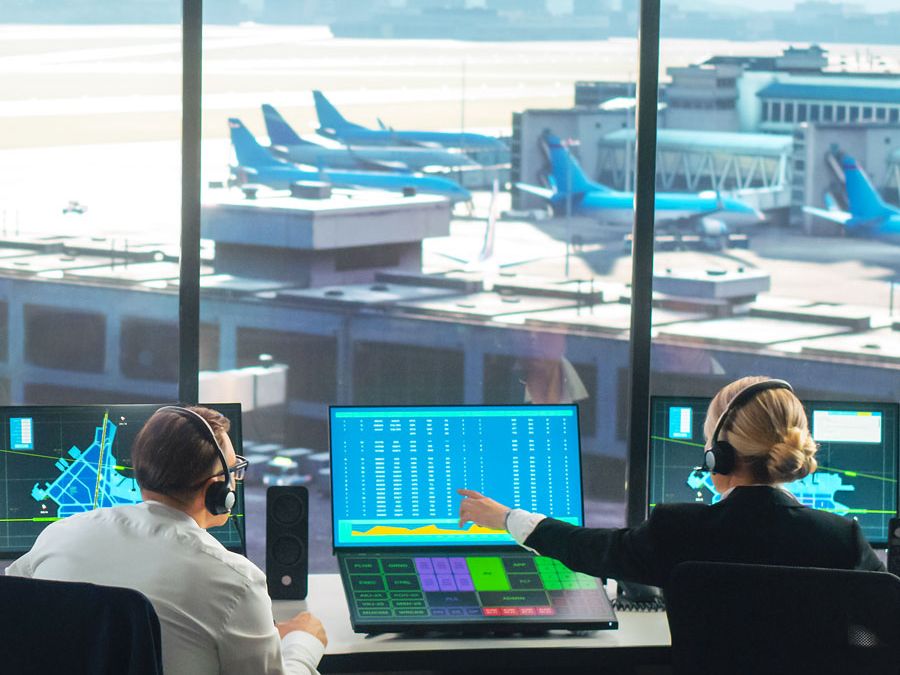
Air traffic controllers play a vital role in aviation safety, but how much do you really know about what goes on in the control tower? The people who do this job ensure the position of each plane doesn’t impact the flight path of another at any time and organize takeoffs and landings so that our airports can work as efficiently as possible. We spoke to air traffic controllers to go behind the scenes and find out what a day in their life is really like.
The Role of Air Traffic Controllers
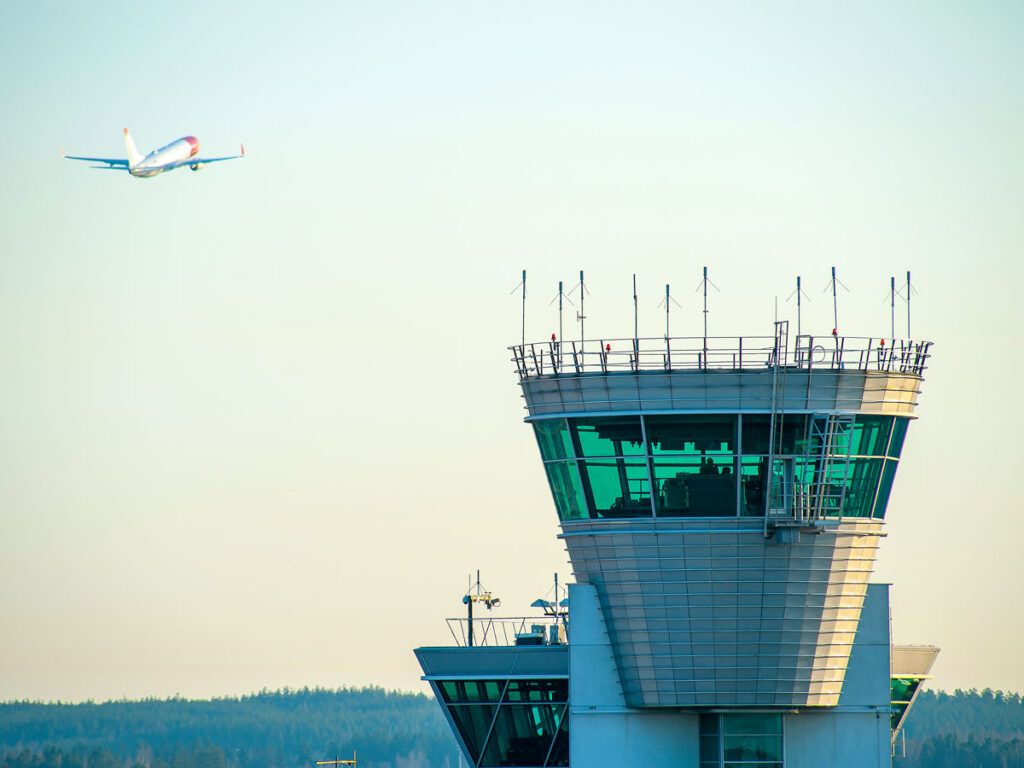
Air traffic controllers focus on keeping aircraft safe during takeoff and landing, and while taxiing or in the air. It’s their responsibility to ensure safe separation of aircraft, instructing pilots about where a plane needs to be and adjusting flight patterns as a response to unexpected events and emergencies.
As Nicky Patterson, tower and approach controller at the U.K.’s busy Manchester Airport, explains, “Think of it like this — a pilot is paid to get their passengers from A to B as fast and as safely as possible, and a controller is paid to ensure that as many planes as possible get from A to B safely. We bring order and efficiency to the skies. It is a team effort.”
Structure and Organization
You might assume all air traffic controllers work in the control tower you can see as you transit the airport, but that’s not always the case. In fact, some airports have a remote setup in which controllers are not physically present on site at all — their jobs are done from an off-site facility relying on cameras.
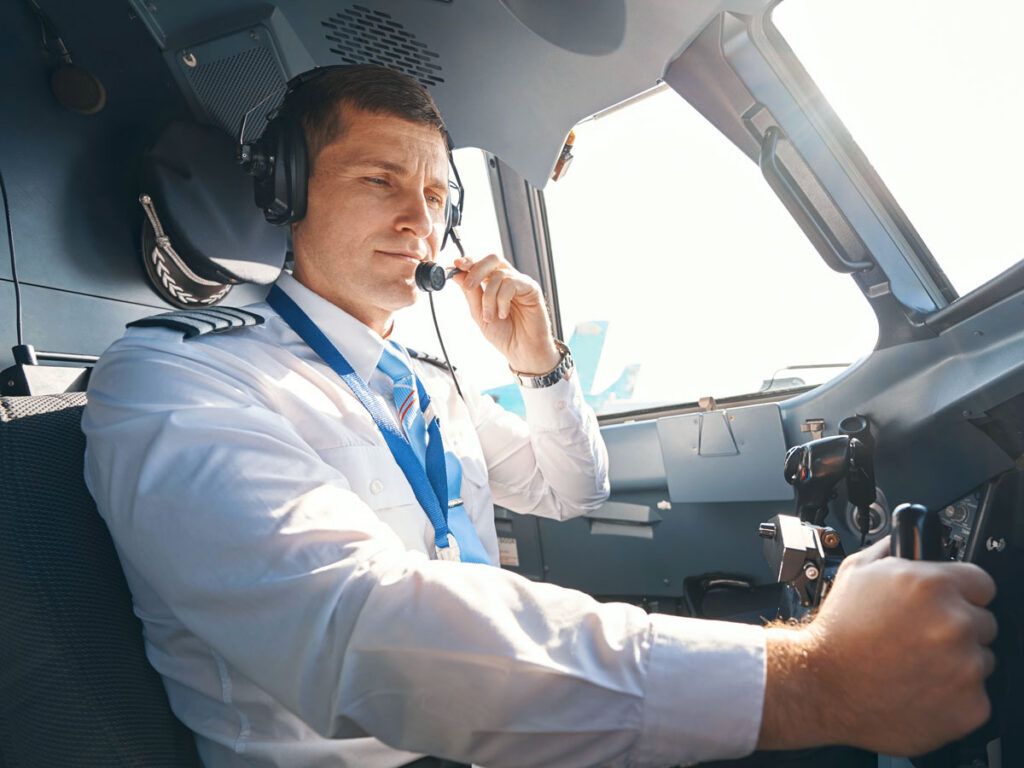
Broadly speaking, air traffic controllers work in three areas: tower, departure and approach, and en route. Each looks after the plane within a defined area, formally passing responsibility over to the next controller at its limit. On a long-haul flight, the pilot will liaise with many different air traffic controllers and experience many handovers as the plane continues its journey.
Air traffic controllers are employed by aviation authorities such as the FAA. In the U.S., there are 22 Air Route Traffic Control Centers (ARTCCs), which control aircraft at cruising altitude in precisely defined airspace areas. Within approximately 30 to 50 miles of the airport, air traffic controllers at TRACON (Terminal Radar Approach Control) facilities guide departures and arrivals. They hand over planes to ATCs in the airport control tower, who get the flight safely on the ground and around the airport.
Across the pond, the setup is similar but more fragmented, with multiple aviation authorities involved. For instance, NATS (National Air Traffic Services) is responsible for civil aviation traffic in the U.K., regulated by the Civil Aviation Authority, while the pan-European Eurocontrol is one of more than 40 bodies that cover the continent’s airspace.
How It All Works
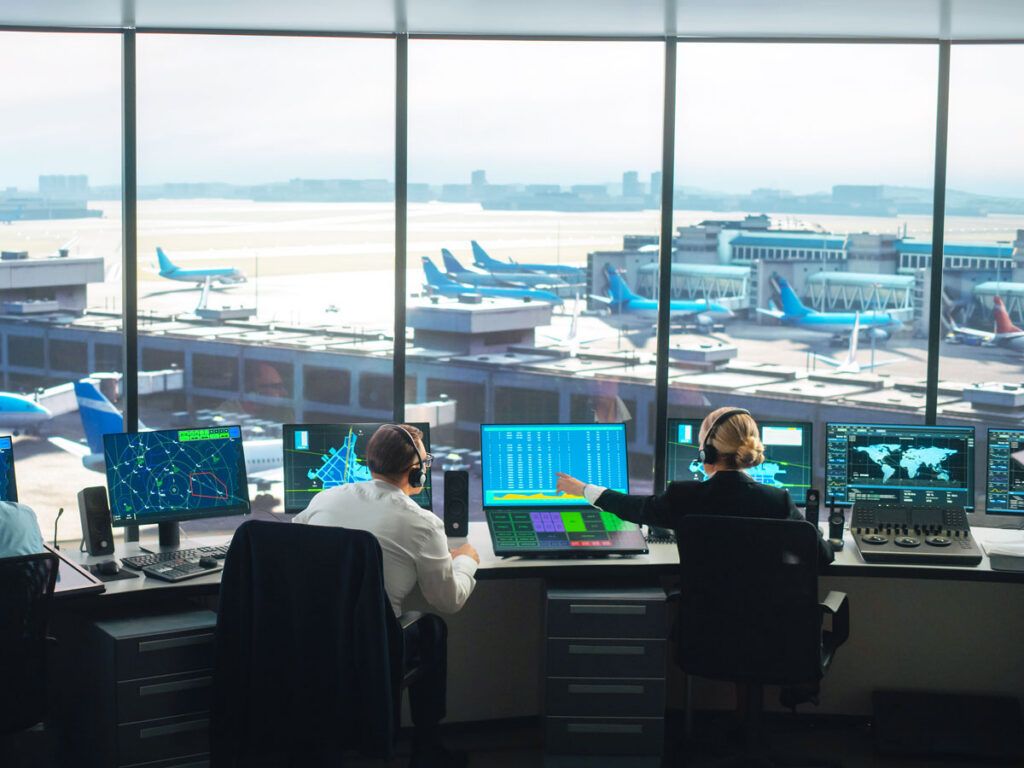
A single air traffic controller can deal with as many as 30 to 40 aircraft at cruising altitude at once. Each is identified by its own unique call sign, the aircraft type, route, and altitude. Traditionally this has been done using paper strips, but upgraded EFPS and EFS (electronic flight progress strips and electronic flight strips) are replacing the low-tech method. This is already in place in much of the U.K. and Europe, as well as some centers in the U.S. (part of the FAA’s ongoing NextGen modernization program).
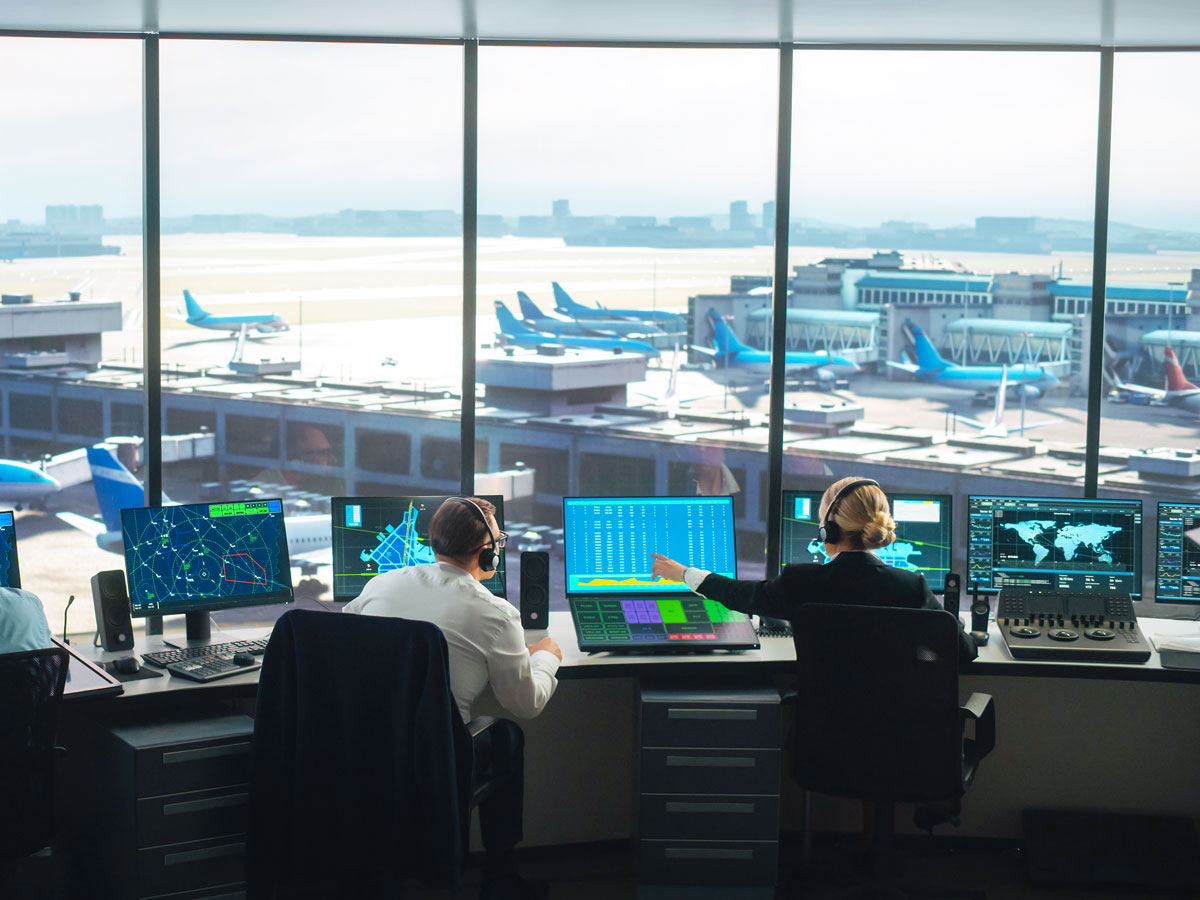
At the airport, the control tower houses a visual control room that gives air traffic controllers a 360-degree view of the airfield, though at larger airports — or when visibility is reduced (such as at night or in foggy weather) — it may not be possible to see everything. In such situations, surface movement is tracked by a combination of radar, multilateration, and satellite data. Known in the U.S. as Airport Surface Detection System Model X (ASDE-X), this tool helps prevent potential runway incursions and conflicts.
At the TRACON center, instructions are relayed to departing and inbound aircraft, including important positioning information such as headings to fly, levels to ascend or descend to, and permitted speeds during this part of the journey. This is what enables planes to line up and land in a controlled fashion, reaching the runway at safe intervals one after the other. Technological tools are utilized where available, but direct verbal communication via radio is also crucial.
A Day in the Life

A typical day for an air traffic controller starts with a briefing. Those beginning their shifts will be brought up to speed on anything that might impact flights, such as weather forecasts, local fireworks displays, runway or taxiway closures, or planned industrial action that might temporarily close airspace.
Shift patterns vary from airport to airport and from country to country. Ryan Lupton, watch supervisor at London Southend Airport, the U.K.’s fastest-growing airport, is contracted to work 50 hours over five days, followed by three days off.
“We cannot do more than two hours before a break of at least 30 minutes, though it’s more common to work 1.5 hours and have an hour off,” Lupton says. “We can’t work at all during a break; instead we read a book, play video games, or go for a walk — whatever we find restful.”
However, he confirms that the air traffic controller role is highly regulated wherever you work. Rest periods are strictly enforced because it can be a stressful job that requires intense concentration. In the U.S., for example, ATCs may not work more than 10 hours during a shift (including breaks), and must have 9 hours of rest before their next shift.
ATCs are different from flight dispatchers, who work for an airline and take various steps to ensure a safe and efficient flight, such as reviewing the crew, calculating fuel requirements, and putting together a flight plan that takes into account factors such as weight, altitude, weather conditions, and airspace restrictions.
Priority in the Skies
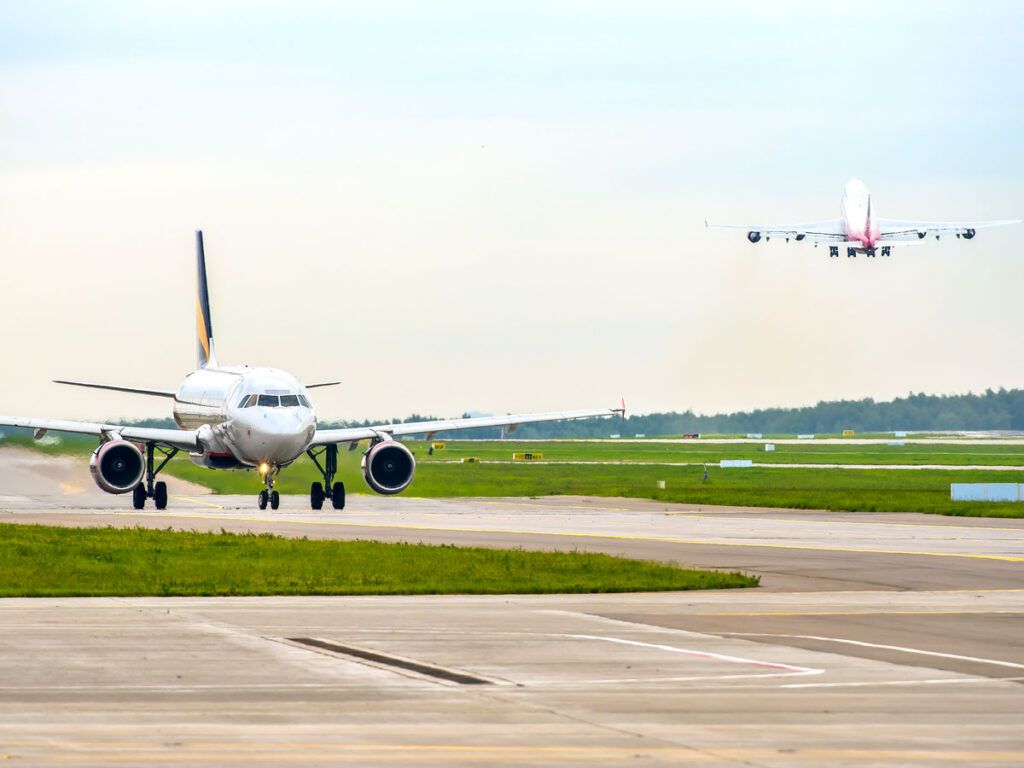
No matter where in the world it flies, Air Force One — the name of any plane the U.S. president is traveling aboard — has top priority over everything except an aircraft broadcasting a mayday message. In the U.S., airspace must be temporarily cleared to all other traffic to allow the president unhindered passage. In other circumstances, air ambulances, search and rescue teams, police helicopters, and flights carrying royalty or government officials can also take priority over scheduled passenger services or privately owned light aircraft.
Active military areas can impact the work of an air traffic controller managing civil aviation, too, particularly where these are located close to a large, busy airport. Though significant buffer zones are employed to keep aircraft around 1,000 feet or 5 miles apart, sometimes active communication is necessary to avert an incident.
Qualifications and Skills

In the U.S., the role of an air traffic controller is open only to citizens, and you’ll need to be younger than 31 years old if you’re just starting out. Becoming an air traffic controller is a multistep process. First, apply and qualify; next, pass an aptitude test (the Air Traffic Skills Assessment, or ATSA), then clear medical and background checks. Once you’ve reached that stage, you’ll receive an offer and be able to begin your academy training.
Though a solid grounding in math and English are essential, higher-level qualifications such as a university degree aren’t a prerequisite. You don’t even need to be interested in aviation, though it’s an asset for any air traffic controller working in an airport tower to be able to identify the type of aircraft they’re handling. Being a team player is a must, however, as is the ability to communicate effectively. And as conditions can change rapidly, the ability to stay calm under pressure and think on your feet are also vital attributes of any air traffic controller.
More from our network
Daily Passport is part of Inbox Studio, an email-first media company. *Indicates a third-party property.