





6 Surprising Laws That Can Get You in Trouble Abroad
6 Surprising Laws That Can Get You in Trouble Abroad

Traveling the world comes with its share of unwritten rules and etiquette. And while it’s important to respect cultural customs, it’s also wise to know when those expectations go beyond politeness and are actually enforced by law. What might seem like a harmless habit at home can carry real consequences elsewhere — even something as simple as taking a sip of water on the subway. Here are six instances where a little awareness of laws abroad can go a long way.
Vaping Can Get You Arrested in Thailand
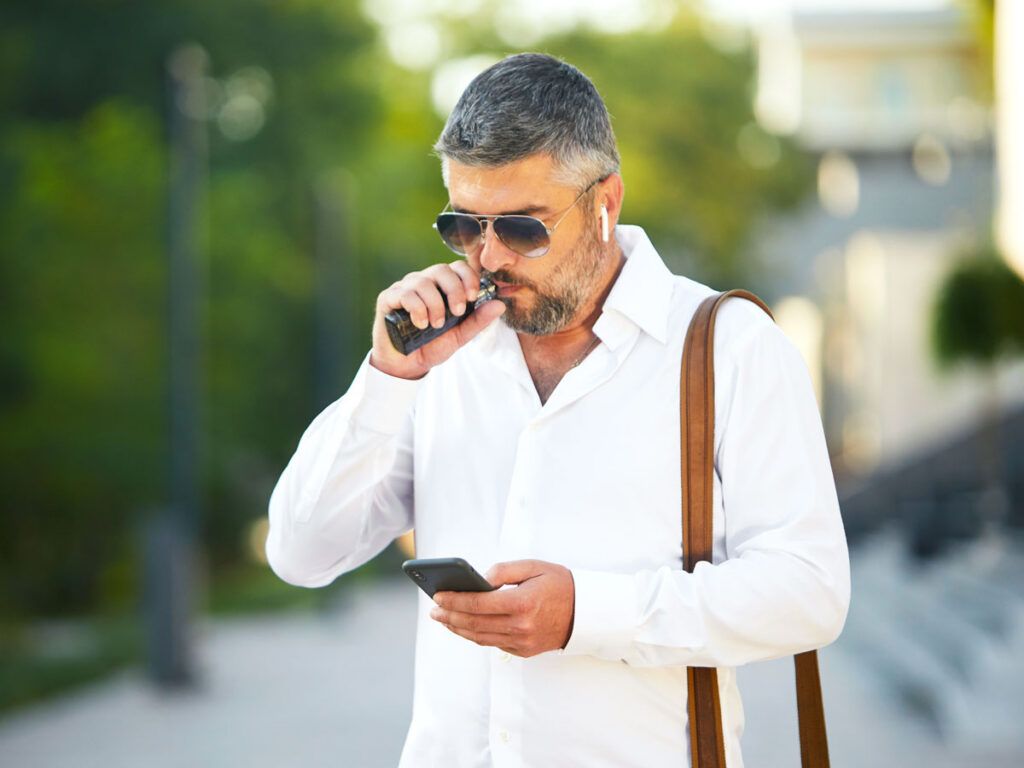
You might be used to reaching for a vape without thinking twice, but in Thailand, the habit can land you in serious trouble. E-cigarettes and vaping devices are prohibited; bringing one into the country or being seen using one can lead to confiscation, fines, and even possible jail time.
In early 2026, two Australian travelers learned the hard way just how seriously the ban is taken. After being approached by police officers for using vapes on the beach, the pair were taken to a police station and fined 40,000 Thai baht (about $1,250 USD). They were also warned that repeat offenses could lead to a potential five-year jail sentence. Thailand’s e-cigarette and vaporizer ban has been in place since 2014 for health reasons and to help prevent young people from taking up the habit.
In Japan, You’re Required To Carry Your Passport at All Times
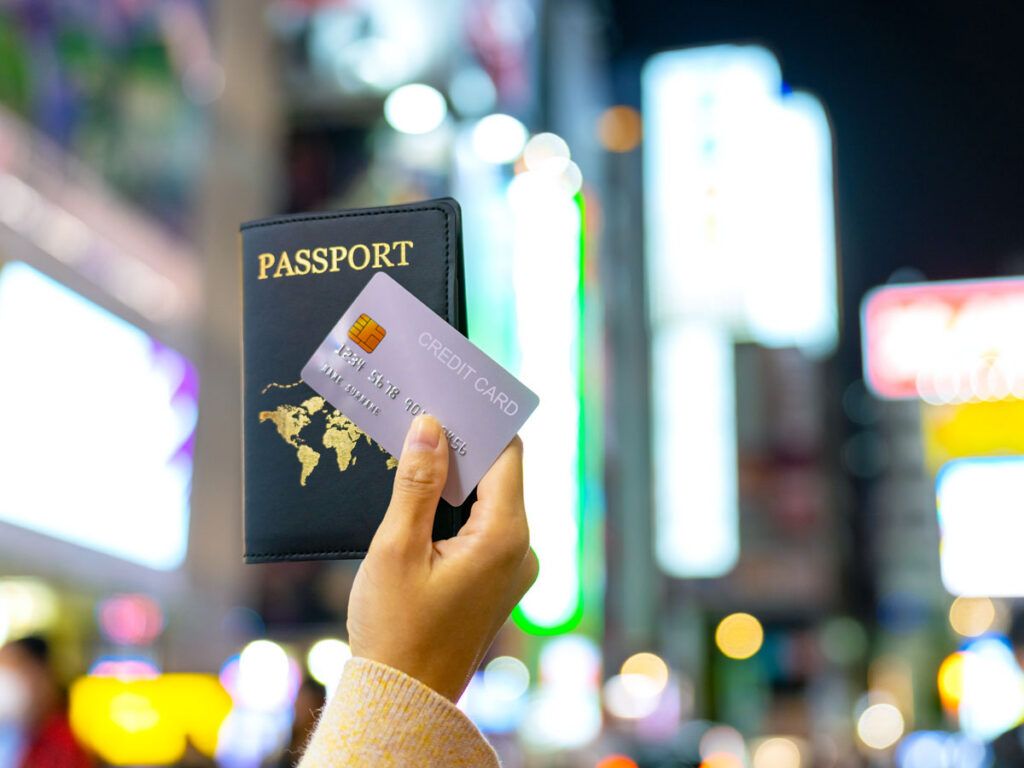
Carrying your passport while exploring a city can feel a little nerve-racking — the last thing you want to do is lose it. But if your usual habit is to lock it in a hotel safe, you’ll have to rethink that on your travels to Japan. Tourists are required to carry their passport on them at all times; spot checks can and do occur, and police have the authority to ask for identification.
If you don’t have a passport or residence card, you could face a fine of up to 100,000 yen (or about $630 USD), along with questioning as officers attempt to confirm your identity. In some cases, that means being taken to a police station until your details are verified. While this is typically resolved fairly quickly, Japan’s legal system does allow for detention of up to 23 days without being formally charged and without being able to make or receive any phone calls.
Don’t Eat or Drink on Transit in Singapore
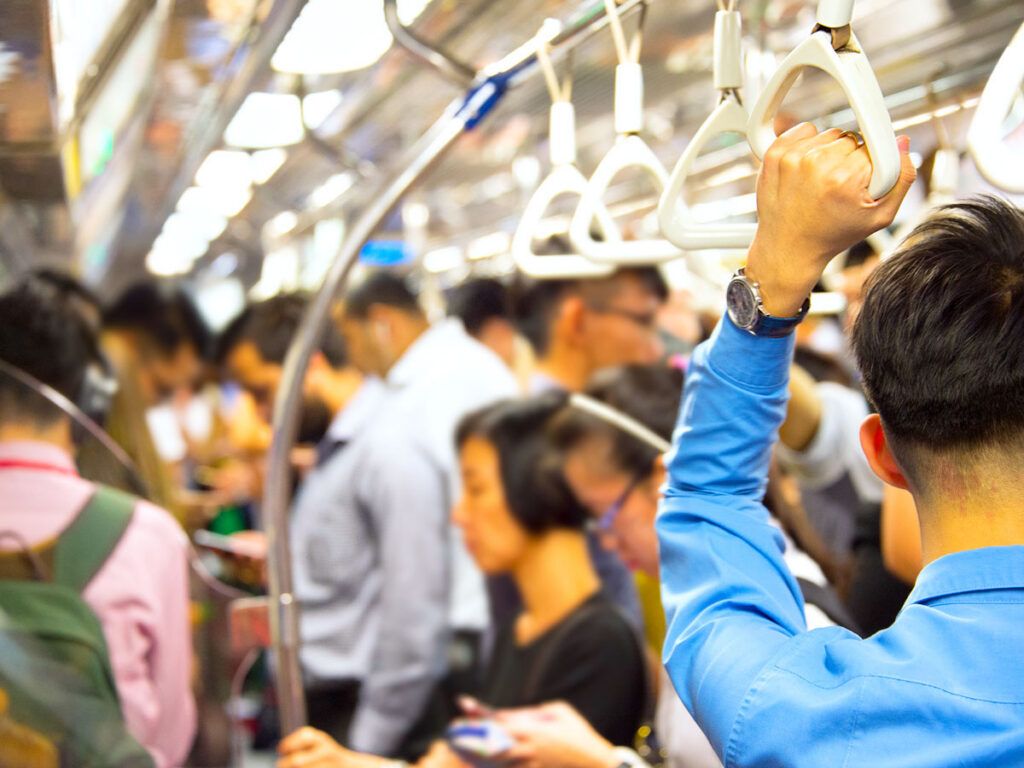
On Singapore’s metro system (the MRT), eating or drinking is strictly prohibited. The ban was introduced in 1987 and has been sustained as part of the country’s wider effort to maintain cleanliness. But if you think this applies only to foods that may be particularly pungent, think again: Consuming anything from snacks to bottled drinks (even water) is a no-go once you’re inside stations or on trains in Singapore.
So what happens if you’re caught? You could receive a fine of up to 500 Singapore dollars (about $400 USD) — even for a first-time offense. The rule is not without its detractors: In a memorable 2009 incident, a woman was fined for eating a small sweet in an attempt to mitigate motion sickness, leading to outcry. And as recently as early 2026, a heated debate broke out online over whether passengers should give fellow riders leeway instead of filming and shaming them.
Running Out of Gas Is Illegal on Germany’s Autobahn
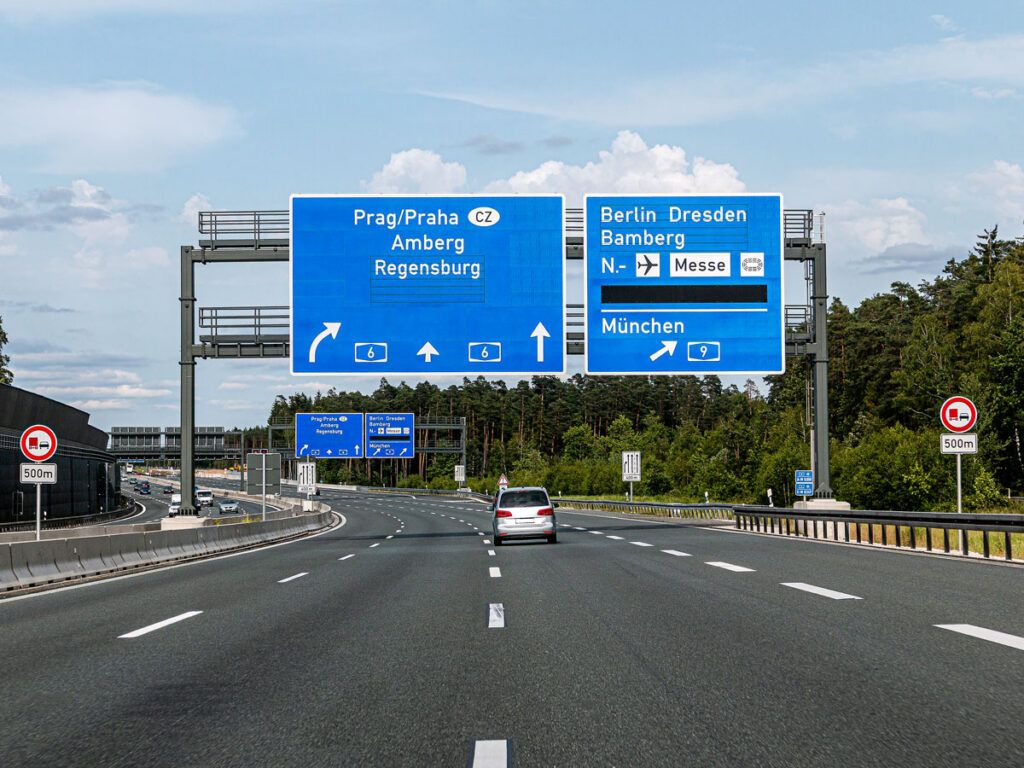
Germany’s famed highway system comes with pretty strict safety rules. That’s because the Autobahn network, which stretches over 8,000 miles, includes sections without speed limits, where vehicles can travel upwards of 80 mph. Stopping isn’t just inconvenient — it’s a serious safety risk. And if you happen to stop because you ran out of gas, it’s considered preventable negligence.
So what happens if you run dry? Stopping for less than three minutes can result in a fine of 35 euros (about $40 USD), while anything over three minutes is classed as parking on the highway and can lead to a 70-euro ($82) penalty. If any accidents occur as a result, the penalties could be much harsher, depending on the circumstances.
Camouflage Clothing Is Off-Limits in Barbados
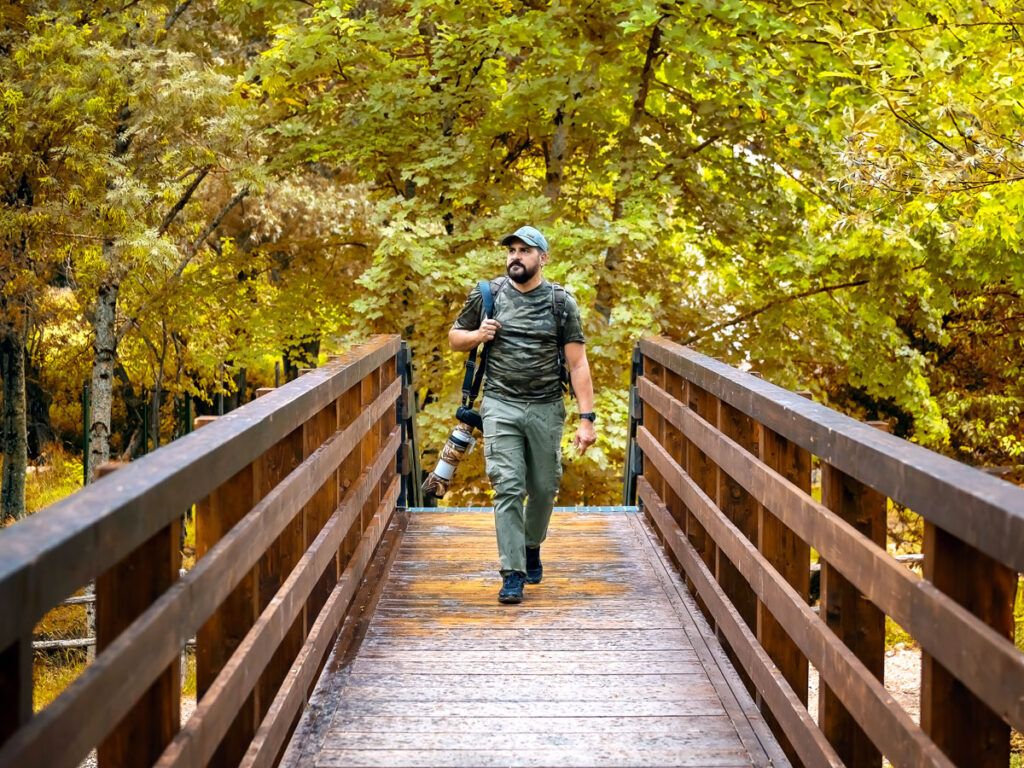
In Barbados, camouflage isn’t a fashion statement — it’s strictly reserved for the military. The restriction covers any military-style disruptive pattern material, regardless of color or design, and applies to everything from clothing to accessories such as hats, bags, and shoes. The rule aims to prevent confusion between civilians and members of the Barbados Defence Force. Similar laws exist in several other countries across the Caribbean, Africa, and parts of Asia.
The penalties can be quite significant: Offenders may face fines of up to 2,000 Barbadian dollars (about $1,000 USD), imprisonment for up to a year, or both. Customs officers can also confiscate the items on arrival, meaning travelers may be forced to change clothing before even leaving the airport.
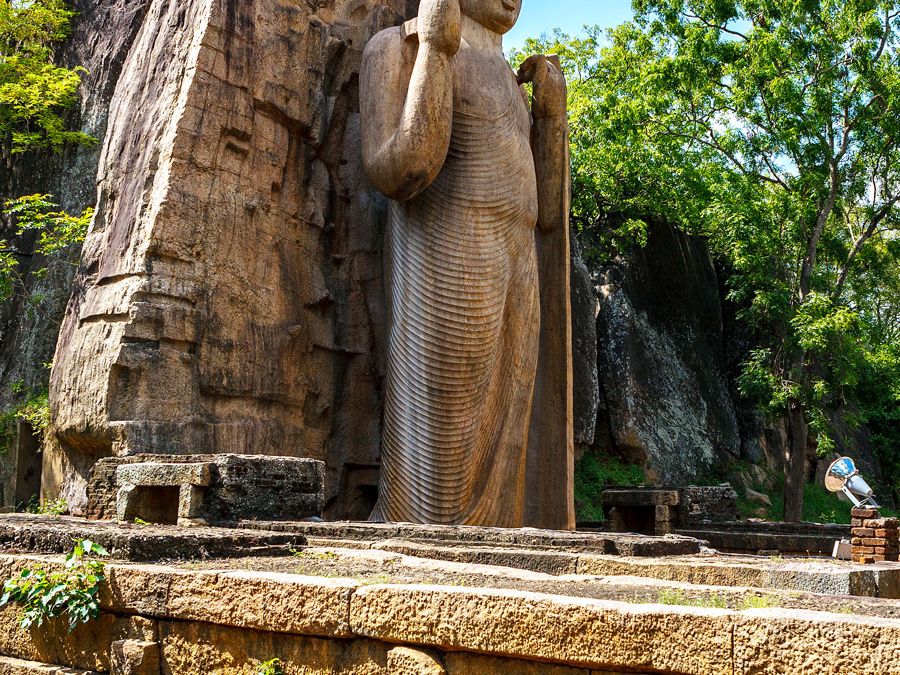
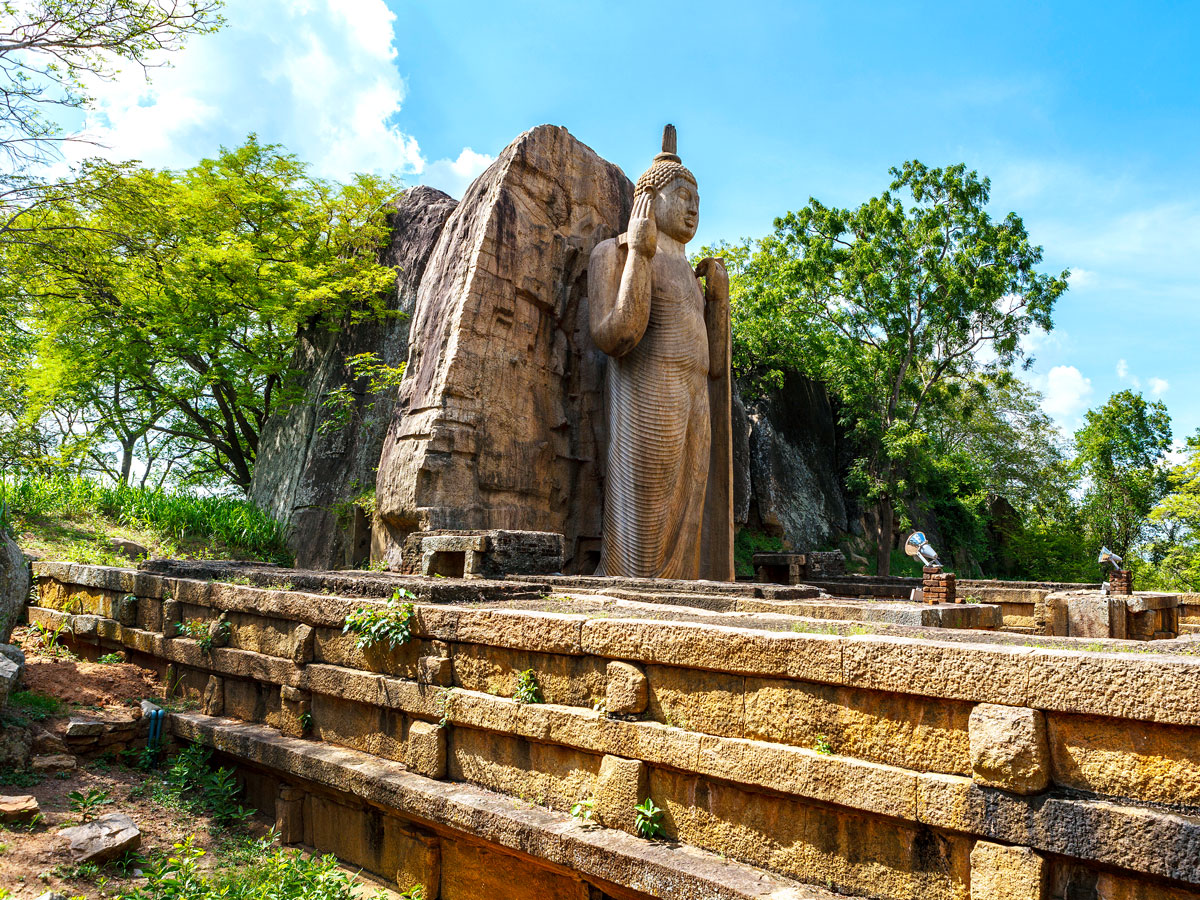
Be Careful Taking Photos With Buddha Statues in Sri Lanka
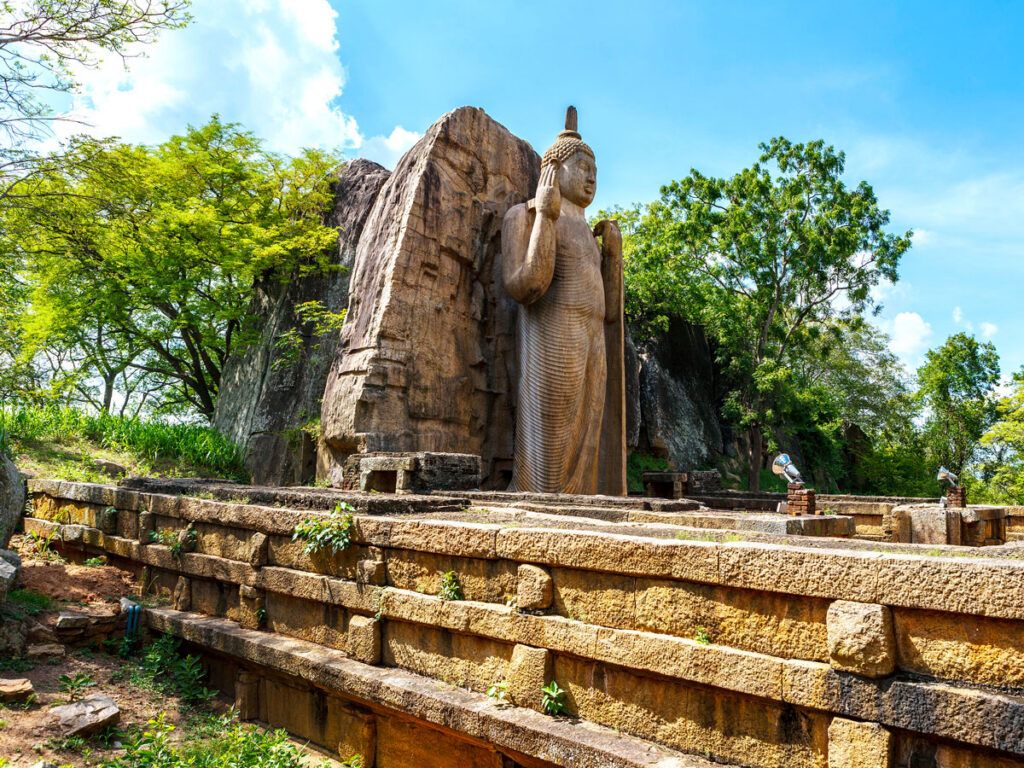
You might think you’re just capturing a simple travel memory, but posing with Buddhist statues could become a serious legal issue in Sri Lanka. The South Asian country’s penal code enforces strict rules around respect for religious imagery, and tourists can face fines, arrest, or even deportation for behaving disrespectfully around Buddha statues. That includes posing with your back to a statue, touching it, or taking selfies that are seen as inappropriate.
In one widely reported case from 2014, a British tourist was detained for three days and subsequently deported because of her Buddha tattoo. In 2012, another group of tourists from France were convicted and sentenced to six months in prison for pretending to kiss a Buddha statue in a photo. Although their sentence was suspended and they ultimately didn’t serve any time, a fine was served — as was a harsh lesson on being mindful of other countries’ cultures and laws.
More from our network
Daily Passport is part of Inbox Studio, an email-first media company. *Indicates a third-party property.