





What Happened to These Airline Perks?
What Happened to These Airline Perks?


It’s safe to say that air travel has changed a lot over the years. And in many ways, the changes have been positive. What once seemed unthinkable — for example, instantly connecting to free high-speed Wi-Fi on your mobile phone while 30,000 feet in the sky — is now commonplace. But there are also a few once-popular features that have quietly disappeared from airplane cabins in the past few decades. Let’s take a closer look at six bygone airline perks.
In-Flight Magazines

The first in-flight magazine, Clipper Travel, debuted aboard Pan American World Airways in 1952 and was named after the airline’s iconic Boeing 314 Clipper — aka the “flying boat.” After that, magazines became a fixture of seatback pockets across the globe, serving as a useful marketing tool and revenue generator for airlines.
But as tastes shifted toward digital media and the costs to print and carry magazines grew, in-flight entertainment evolved and the books fell victim to cost cutting starting in the 2010s. For U.S. airlines, the final nail in the coffin came in September 2024, when United Airlines stopped publishing itsHemispheres in-flight magazine after 32 years. Overseas, however, you can still flip through the pages of a magazine on some airlines, like KLM Royal Dutch Airlines, whose Holland Herald is the longest-running in-flight magazine currently in publication.
Listening to the Cockpit Radio
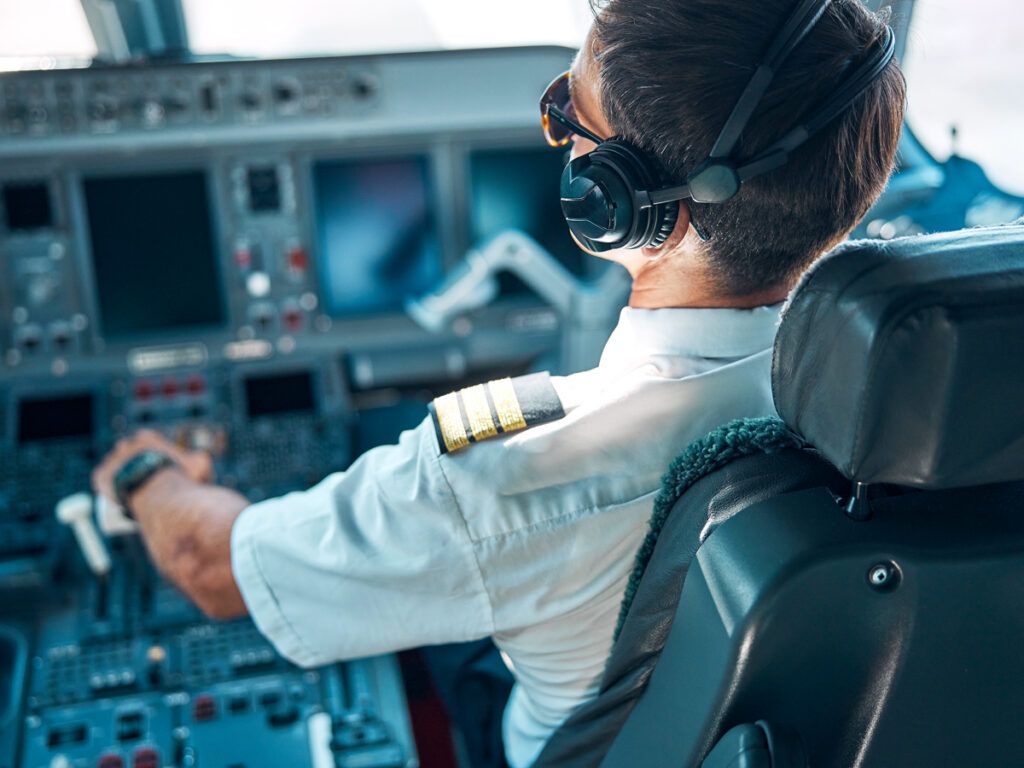
When I was growing up, my family often flew United Airlines, and my favorite feature of a United flight was the ability to plug my headset into the armrest console and tune in to the cockpit chatter between our flight’s pilots and air traffic controllers. Granted, this probably wasn’t one of the more popular audio channels, but for anyone with a casual interest (or in my case, full-blown enthusiasm) for the behind-the-scenes workings of air travel, United’s “From the Flight Deck” channel — a unique feature among airlines — was endlessly fascinating.
Over the years, however, the channel has become something of a relic. According to a 2025 interview with The Points Guy, while “From the Flight Deck” is technically still available on United, pilots have the ability to turn off the channel, and anecdotal reports suggest that’s exactly what most do these days. That said, if you’re interested in the inner workings of the cockpit, many pilots are still happy to offer a quick visit before or after the flight if they’re not busy (and if you ask politely).
Seatback Telephones
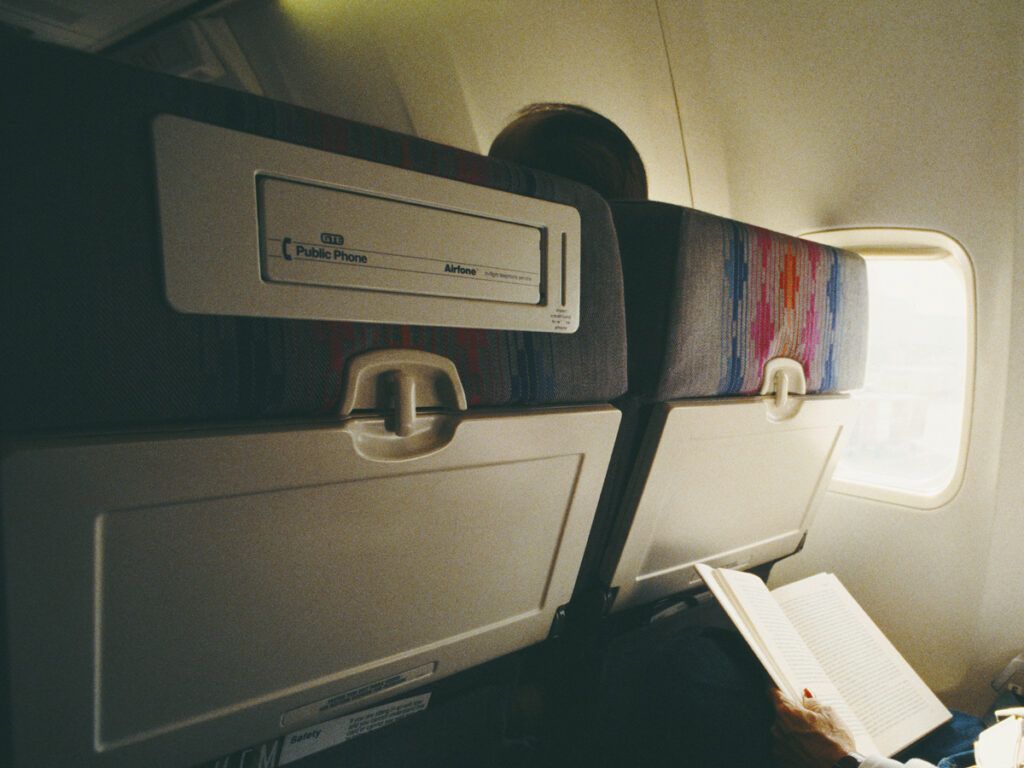
We’re now accustomed to toggling our smartphones to airplane mode, preventing us from making phone calls during a flight. But back in the day, you could dial someone from a bulky wired telephone installed in the seat in front of you. In the mid-1980s, airlines introduced the Airfone, which used an air-to-ground system and radio signals to allow phone calls from the sky. However, calls were expensive to make — sometimes as much as $10 per minute — and often unreliable. As a report in Time magazine said, “Their old-fashioned analog circuitry, vulnerable to interference, made many calls sound as if they came from Mars.”
Still, many airlines opted to install these in-flight phones, and technology somewhat improved in the 1990s. By 2001, over 60% of planes in the U.S. had them. But with the high cost to use them, in-flight phones never really took off, and the surging popularity of mobile phones in the aughts eventually led to their demise and removal from most aircraft.
Blankets and Pillows
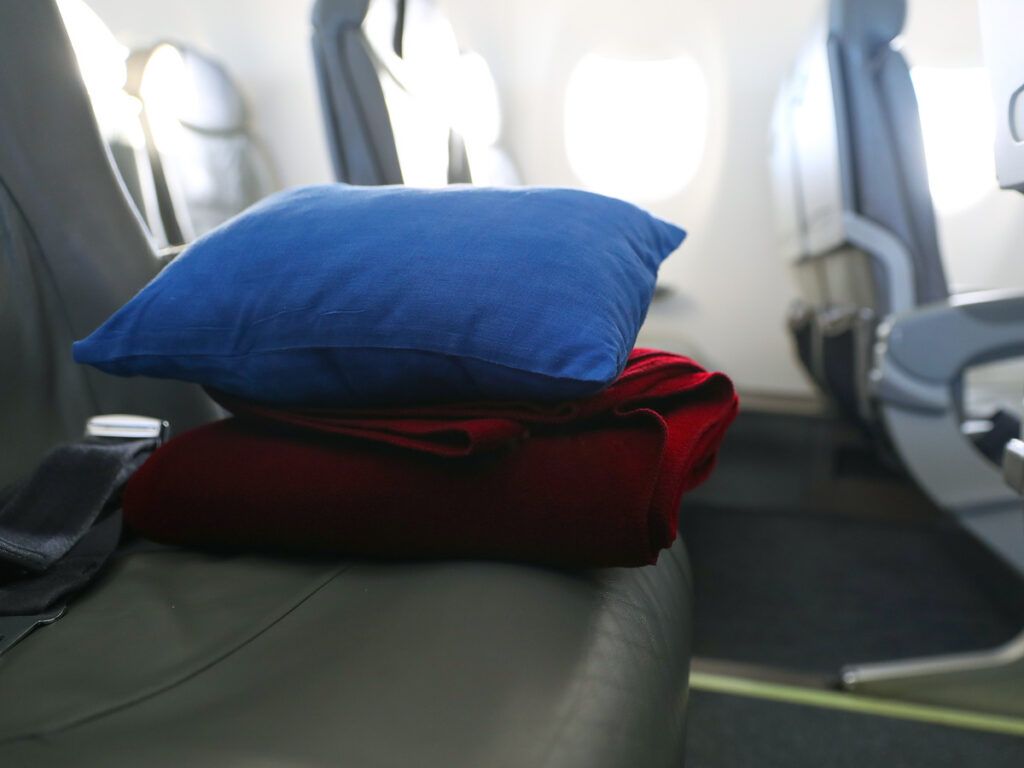
Airplane cabins can be notoriously cold, so boarding to find a complimentary blanket at your seat is a welcome sight for many flyers. But you probably want to pack your own just in case. While U.S. airlines used to offer complimentary pillows and blankets on most flights, even short domestic hops, that perk began to disappear in a wave of cost cutting following several rocky years for the airline industry in the 2000s (which also saw the elimination of free meals in coach).
American Airlines eliminated free blankets in 2010 but offered to sell an $8 blanket and pillow kit to economy passengers instead. Now, it’s not even possible to buy one on most airlines and most domestic flights. And even if you’re flying in first class domestically, you can’t count on receiving a free pillow and blanket on U.S. carriers, unless you happen to be flying on a red-eye or transcontinental flight. But some airlines, like United, will offer them to any passenger upon request.
A Mile Earned for a Mile Flown
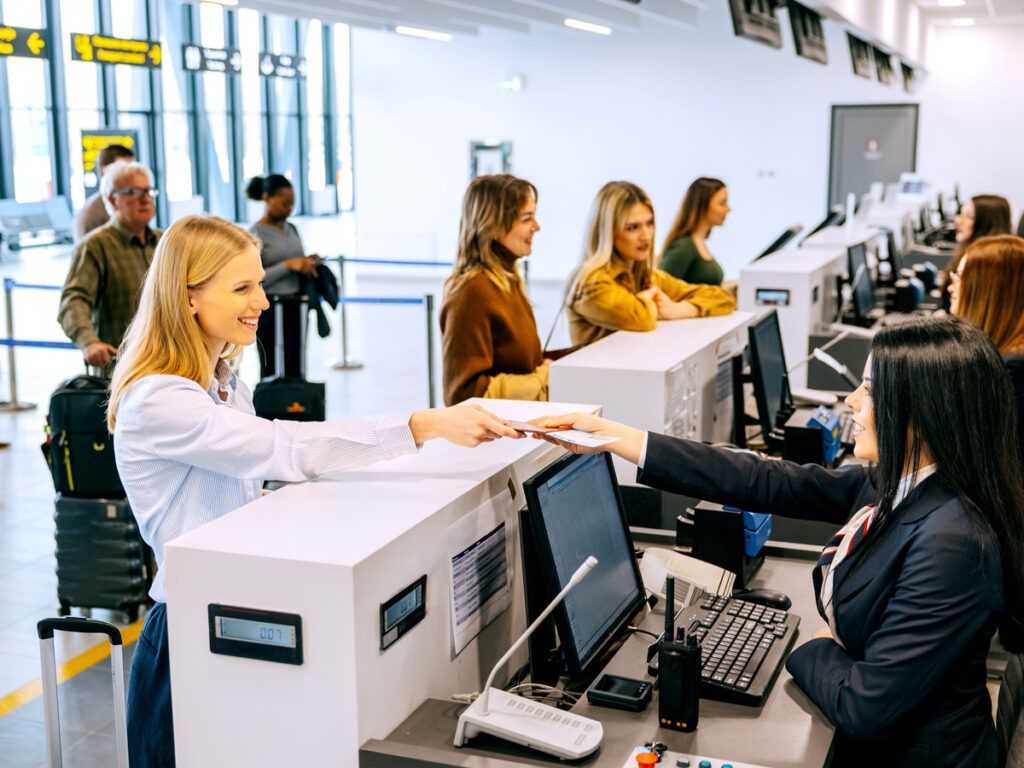
In 1979, Texas International Airlines created the world’s first frequent flyer program. These loyalty schemes are now major profit centers for airlines. As they’ve evolved over the years, frequent flyer programs have also become quite convoluted — you’d be forgiven for thinking you need an MBA to understand the ins and outs of how many points you’ll earn for each fare type, how to qualify for elite status, or which credit cards will help you earn that free trip the quickest.
When they first launched, the premise was simpler. Travelers were rewarded for flying with the airline based on the distance flown — a mile flown, a mile earned. These miles could then be redeemed later for fixed amounts to receive a free ticket.
By the 2010s, though, all major U.S. airlines shifted to a spend-based model, instead awarding miles or points based on the cost of a ticket rather than the number of miles flown. Airlines also eliminated award charts that let customers know how many miles they needed to redeem for each route. Now, award ticket pricing is largely dynamic, similar to how airlines price cash tickets. But you can also earn points from spending on credit cards and with dozens of other partner companies, such as Starbucks or Uber.
Generous Legroom
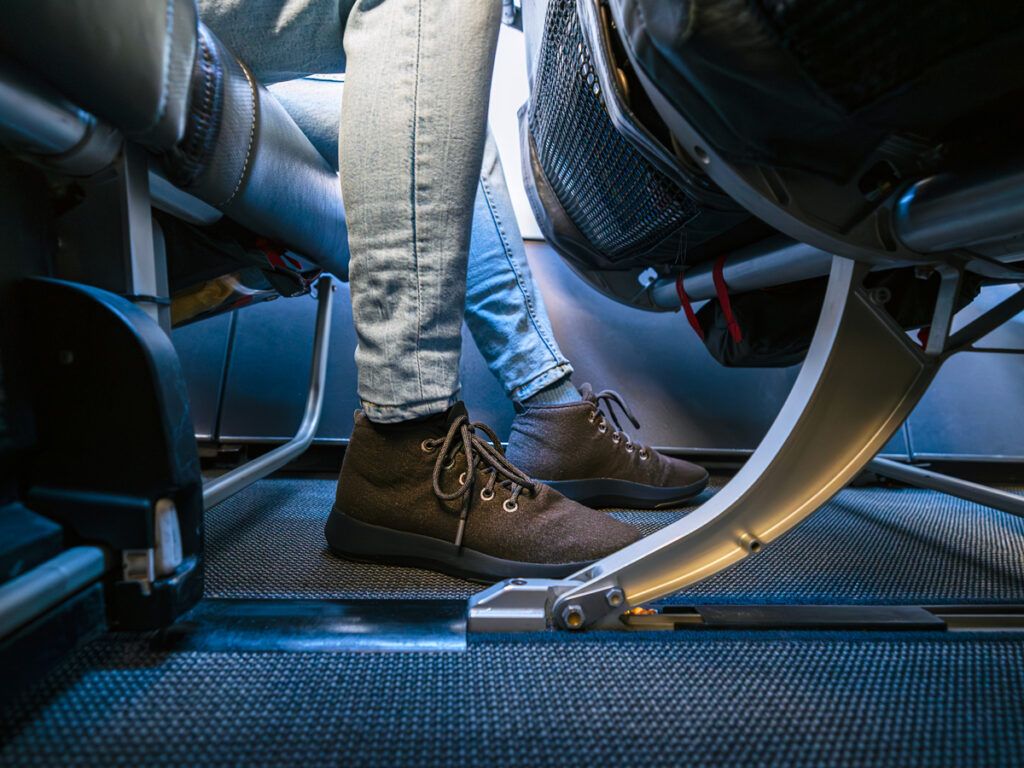
Before the deregulation of U.S. airlines in the late 1970s, flying was a luxurious — and expensive — affair. Not only were seats roomier, but passengers also had other spaces on board where they could spread out and relax, such as bars and lounges. As competition heated up and airlines competed more on price, however, they began to squeeze more seats onto planes to maximize profits.
But even in the 1990s and 2000s, they were more generous with legroom than they are today. Back then, the average seat pitch (the distance between rows) among major U.S. airlines in economy class was a minimum of 31 to 32 inches, but now 30 inches is standard on narrow-body planes — and budget carriers may have as little as 28 to 29 inches. (An inch or two less of legroom may not sound like a lot, but as someone who’s 6 feet, 3 inches tall, I can tell you it makes a noticeable difference in comfort.)
Airlines have also squeezed passengers in other ways. For example, when the Boeing 777 wide-body airliner was introduced in the 1990s, airlines configured the coach cabin with nine seats in each row. Now, almost every major airline has moved to 10-across seating, which cuts down on shoulder room and space to move around in the aisles.
And on narrow-body planes, many airlines have also opted for so-called SpaceFlex lavatories, which squeeze two lavatories into the space formerly occupied by the rear galley so airlines can add an extra row of seats. It’s all part of a greater trend to maximize every inch of space on the airplane, often at the expense of passenger comfort.
More from our network
Daily Passport is part of Inbox Studio, an email-first media company. *Indicates a third-party property.