






10 Airport Mistakes That Are Costing You Hundreds
10 Airport Mistakes That Are Costing You Hundreds


When planning a trip, most of us tend to prioritize finding affordable flights and accommodations. But sometimes, the airport itself can make some unexpected dents in the travel budget. Airports run on strict rules, limited options, and captive customers, and travelers are often pressured into paying extra for conveniences or to help keep the trip on track. From lesser-known airline rules to overpriced convenience purchases, here are 10 common airport mistakes that could be draining your bank account.
Arriving at the Airport Too Late

Running late to catch a flight doesn’t just add stress to your travels — it might end up taking a big chunk out of your wallet, too. Cutting it too close can mean you’re more likely to pay premium airport parking rates that you didn’t plan or budget for, or it could drive you to rely on more expensive transportation such as taxis or rideshares instead of public transit to get you there quickly.
Once inside the airport, the financial strain can continue. Missing a check-in deadline by even a few minutes can force passengers to rebook flights, pay same-day change fees, or purchase entirely new tickets. Some airlines, such as Ryanair, allow you to rebook on the next available flight within a certain window but require you to pay an additional fee (100 euros or about $120 on Ryanair) per passenger.
Ignoring Airline Check-In and Bag Drop Deadlines
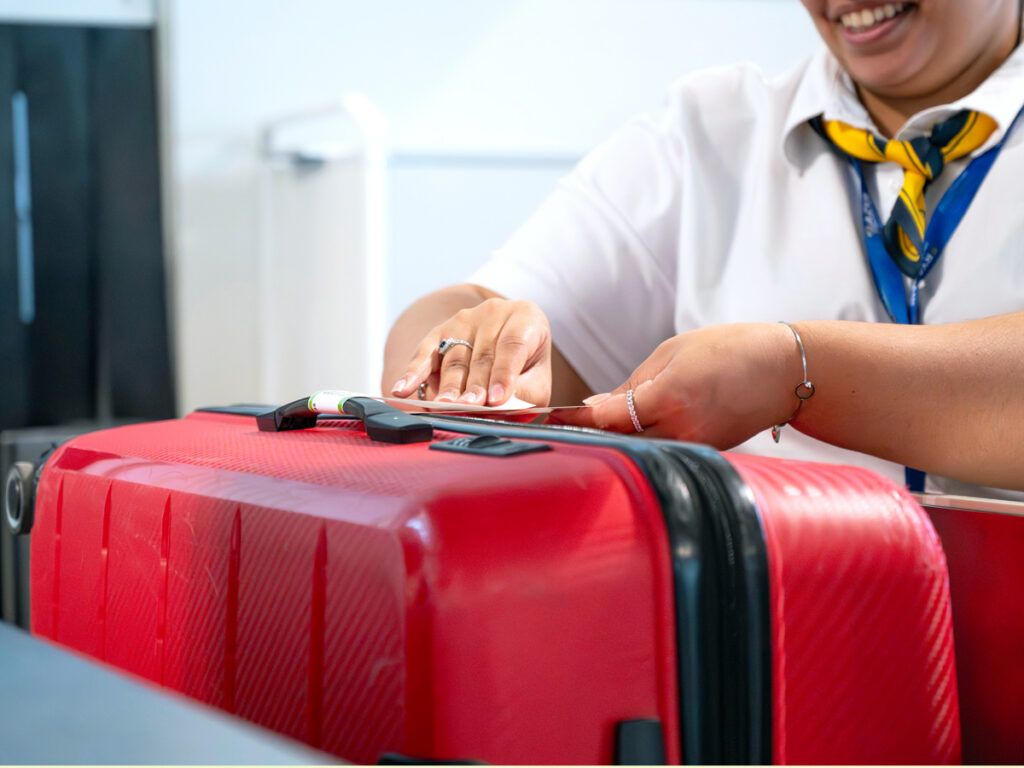
Many travelers assume they’re fine as long as they arrive before boarding begins. In reality, airlines often close check-in and checked baggage acceptance well before departure. This can range from about 45 minutes ahead of a domestic flight to 60 minutes for international routes. And don’t forget to account for any lines to check in or drop your baggage.
Passengers who miss these deadlines are likely to be denied boarding. Most major U.S. airlines will treat it as a missed flight or a no-show, and depending on the airline and fare type, that means passengers may be out a significant amount of money. Delta, for example, warns that passengers who fail to change or cancel before departure can lose the value of their ticket entirely.
Not Weighing or Checking Your Bags in Advance
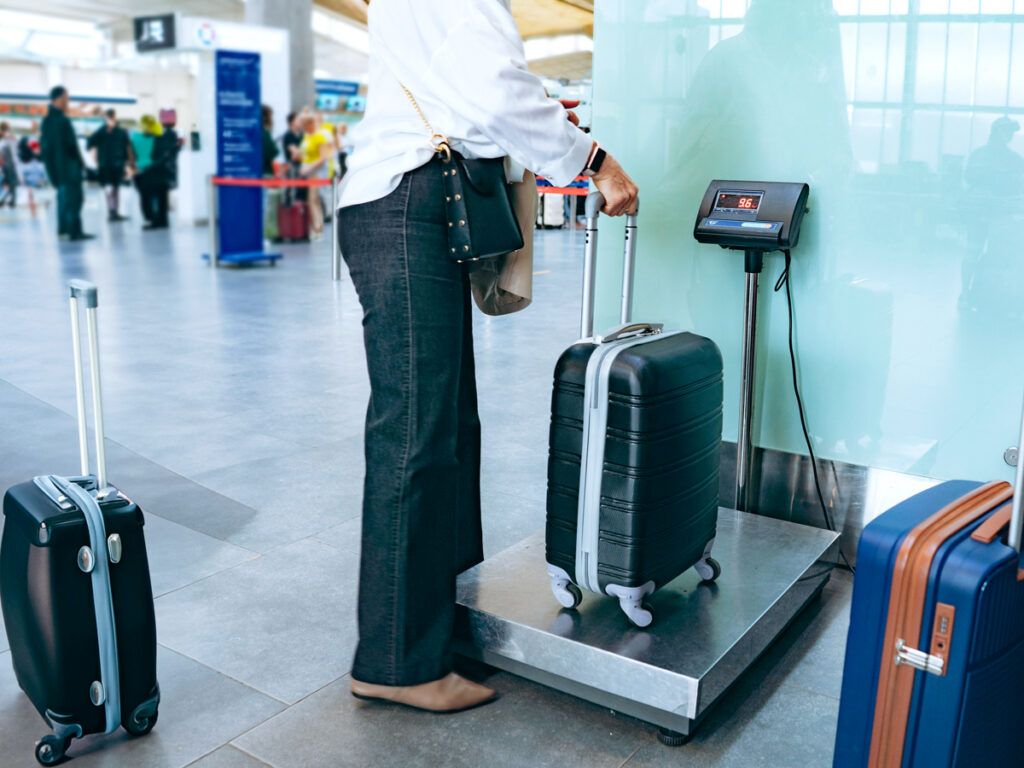
Overpacking is a traveling rite of passage of sorts. Sometimes, even the savviest of packers will end up staring at an overstuffed suitcase and convincing themselves it’s fine. But airlines are strict about both weight and size limits, and there’s very little flexibility with a too-full bag once you’re at check-in.
Take American Airlines as an example: Standard checked bags on domestic routes are typically limited to 50 pounds. Exceed that weight, and the fees escalate quickly. Bags between 51 and 70 pounds can incur charges of around $100, while heavier bags (71 to 100 pounds) can cost roughly $200 per bag. Another easy way to lose money is by waiting too long to pay baggage fees. Many airlines, including American, charge less if you pay for checked bags in advance online versus at the airport counter.
Exchanging Money at the Airport
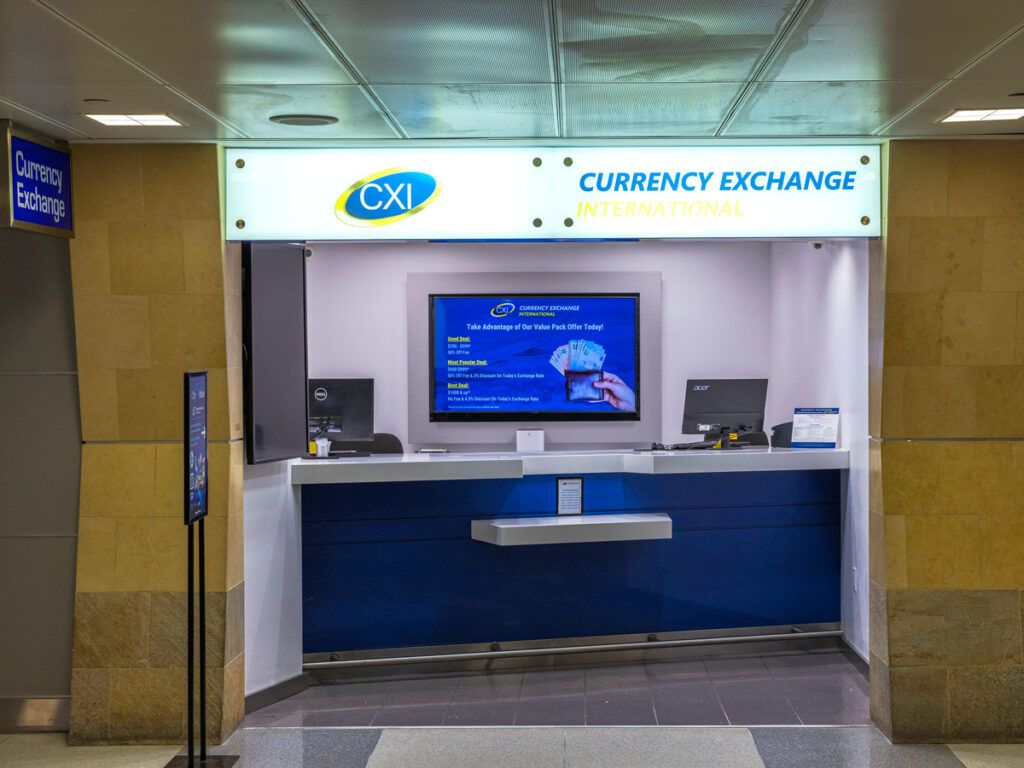
Airport currency exchange kiosks are designed for convenience, not value. Between poor exchange rates and service fees — sometimes explicitly stated and other times baked into the exchange rate — travelers can lose a surprising amount of money converting cash in the terminal.
Say you wanted to turn $500 USD into Mexican pesos for a trip to Mexico City. The real-market exchange rate is around 17.4 Mexican pesos per USD (as of the time of writing in May 2026), so if you exchange $500, you should receive roughly 8,700 pesos. But an airport counter will offer a much worse rate — possibly closer to 15 or 16 pesos per dollar, for example. At 15.5 pesos per USD, that same $500 would get you only about 7,750 pesos. That’s nearly 1,000 pesos lost.
In many cases, withdrawing local currency from an ATM after arrival provides a far better exchange rate, and sticking with credit cards with no foreign transaction fees can also reduce the need to carry large amounts of cash.
Automatically Renting a Car from the Airport
Booking a rental car at the airport might feel like the easiest option after a long flight, but that convenience can come at a cost. Airport locations often include concession fees, facility charges, and higher demand-based prices that don’t apply at off-site locations.
According to one study comparing airport and in-town rentals, airport daily rates average around $70 once fees are included, compared with $50 at off-site locations. Over a multiday trip, that gap can quickly add up to over $100 in additional costs for the same type of vehicle, simply based on where you pick it up.
The trade-off, of course, is convenience. Airport rentals are immediate, while off-site locations may require a longer ride. But for travelers willing to plan ahead, booking away from the terminal often yields lower base rates and fewer location-based fees.
Paying for Airport Lounge Access the Wrong Way

Airport lounges can absolutely be worth the cost of entry, especially during long delays or layovers, but some travelers overpay for access without realizing they may already have it through a credit card or loyalty program. Some premium travel credit cards, such as offerings from American Express, include complimentary lounge memberships, free guest passes, or discounted entry rates.
Travelers who pay $50 or more for a onetime lounge pass without checking their existing benefits may be spending money unnecessarily. In some cases, lounge access can actually save more money by replacing expensive airport meals, drinks, and Wi-Fi purchases.
Forgetting About Insurance Coverage
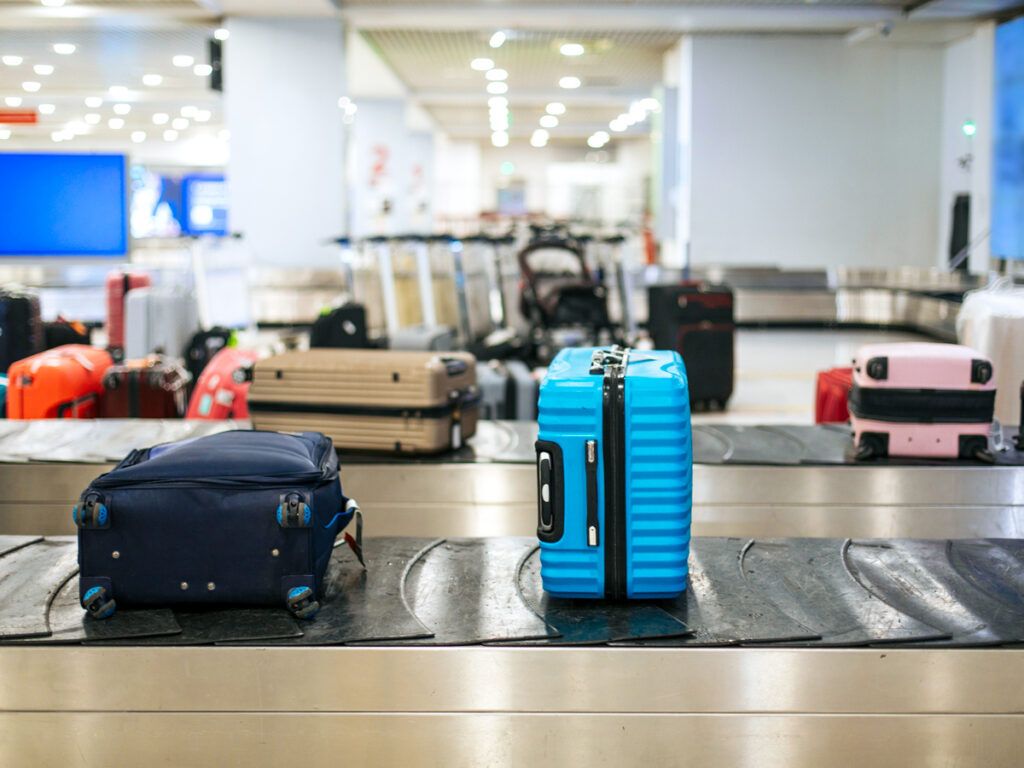
Airport disruptions can come with unexpected costs. Long delays, missed connections, or delayed baggage can quickly lead to grabbing overpriced airport meals, booking last-minute airport hotels, or replacing essentials like toiletries or clothing just to get through the night.
What many passengers don’t realize is that some of these costs may already be covered through the credit card used to book the trip or by their travel insurance policy. Premium travel cards such as the American Express Platinum Card can include benefits like trip delay reimbursement, missed connection coverage, and baggage delay insurance up to about $500.
Making Impulse Purchases
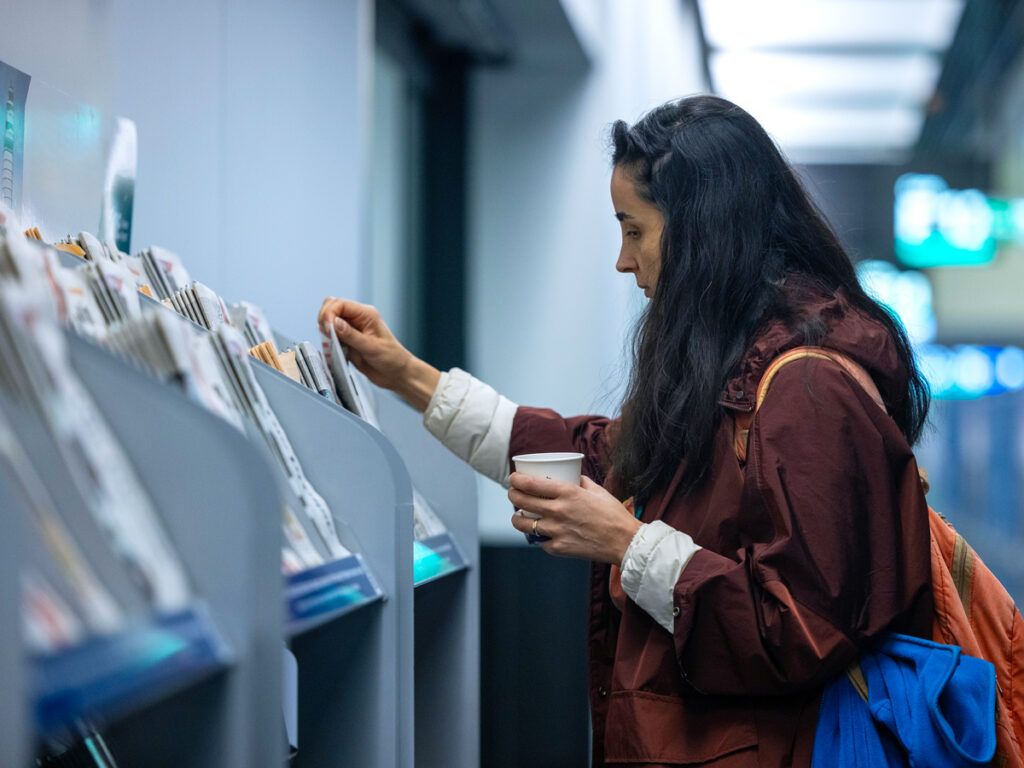
Forgetting items such as your charger, adapter, or headphones can quickly turn into an expensive mistake once you’re inside an airport. Electronics and travel essentials are often marked up in terminals because travelers don’t have the time or opportunity to compare prices — what they see is usually their only option.
In fact, travelers typically spend an average of $135 on extras just making their way through the airport, according to one study. Terminals are designed for impulse purchases — overpriced snacks, bottled drinks, magazines, souvenirs, and even massages or novelty items such as cosmetics vending machines are all tempting. Add in a few last-minute gifts or forgotten travel items, and it’s easy for small transactions to snowball. It’s better to come prepared, replace any essentials if you truly can’t wait, and resist the temptation for impulse purchases.
Taking a Taxi from the Airport
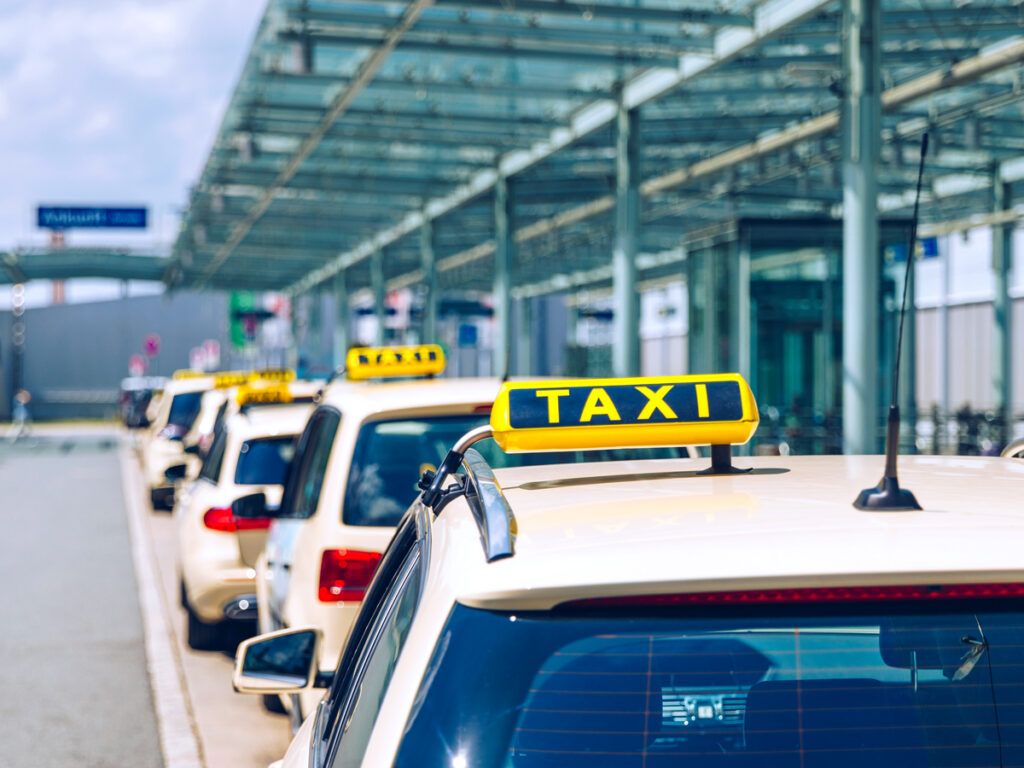
Grabbing the first taxi in line or tapping for a car on your preferred rideshare app can feel like a sigh of relief after a long travel day. But that convenience often comes with built-in premiums. Many airports add prearranged pickup fees and mandatory surcharges for taxis, limo services, or rideshares, all of which will make the final fare higher than a standard city trip.
Rideshare pricing can also fluctuate, surging at airports during peak arrival windows when demand is high and supply is limited. Many airports are connected to far cheaper — and frequently overlooked — alternatives. Direct rail lines, express buses, hotel shuttles, and public transit routes often cost a fraction of taxi fares and can get you into the city center in comparable time, especially outside peak traffic hours.
Shopping at the Duty-Free

Browsing duty-free shops post-security is tempting, because who doesn’t love a deal? But in reality, products at these stores aren’t always cheaper, even without the local taxes and import duties, which are removed from duty-free airport purchases.
Studies and price comparisons across major airports have found that while alcohol and tobacco can sometimes offer genuine savings, other categories such as cosmetics, perfumes, clothing, and gifts are often only marginally cheaper, if at all. Sometimes, they’re even more expensive than regular retail once markups are factored in. In that sense, like elsewhere in an airport, duty-free functions more like a high-end convenience store, and the pricing reflects it.
More from our network
Daily Passport is part of Inbox Studio, an email-first media company. *Indicates a third-party property.