





The Mistake Most Travelers Make Every Time They Land Abroad
The Mistake Most Travelers Make Every Time They Land Abroad

Upon landing in a foreign country, there are a few things you’ll probably do before leaving the airport: connect your mobile phone to the local cellular network or Wi-Fi, figure out the most effective route to the hotel, and let family and friends know you’ve arrived safely. There’s one other thing that many travelers do shortly after arrival in a new country, but it’s something they should avoid if they can. Let’s look at this all-too-common travel pitfall when it comes to currency exchange, and what to do instead.
A Currency Conundrum
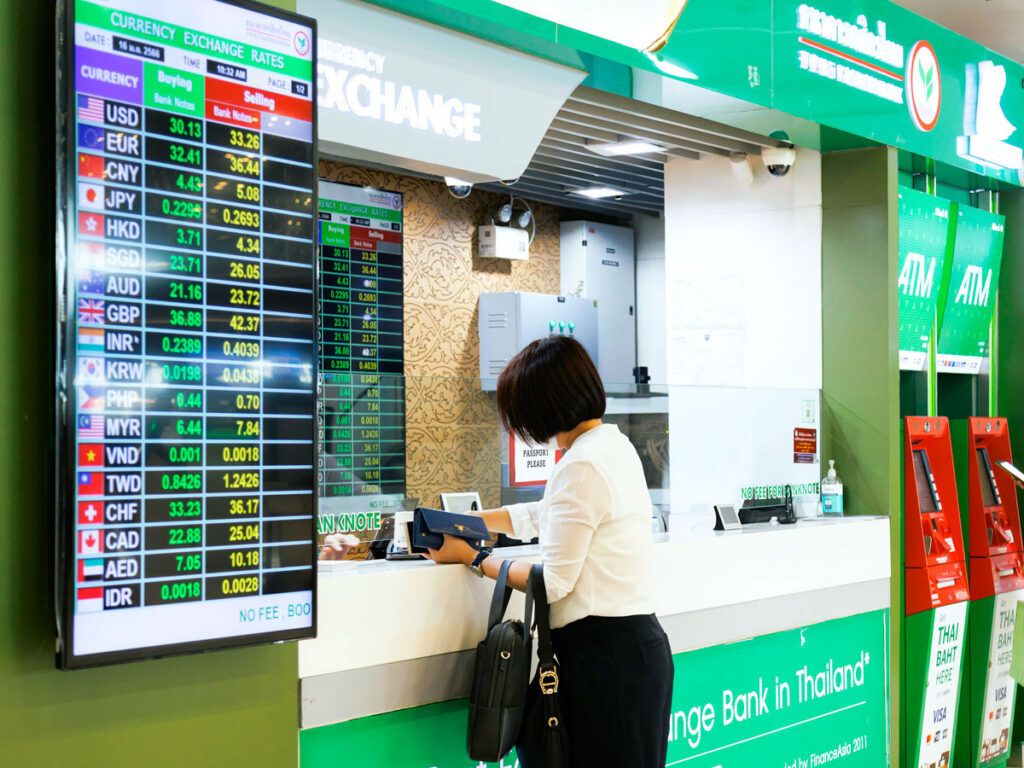
It’s typically a smart idea to carry local banknotes while traveling abroad. Cash comes in handy in those off-the-beaten-path areas where credit cards may not be accepted. But where should you exchange your U.S. dollars for local currency? After arriving at a foreign airport, you may notice a plethora of airport kiosks offering currency exchanges. However, most of these kiosks are trying to take advantage of unwitting travelers with their exorbitant rates and hidden fees.
The American Automobile Association (AAA) advises travelers to avoid falling victim to this mishap. The reason airport currency exchange kiosks charge such high fees and steep exchange rates is the fact that travelers don’t have many other options upon arrival. In fact, according to Nerdwallet, it’s not uncommon for airport booths to charge as much as 17% more than the going exchange rate — and that’s before they add any fees on top of the transaction.
Global fintech company Wise warns about a few other sneaky tactics to watch out for. For example, many airport exchange booths may claim they’re taking a 0% commission, which seems like a great deal at first. But the fact that they’re charging zero commission doesn’t mean they won’t substantially mark up the rate to start. To keep up on fair rates, you can download the free Wise app or check the Wise website, which shows the current exchange rate at fair market value. The best way to avoid overpaying is to exchange currency by other means.
The Best Ways To Exchange Currency
So, where do travelers find more consumer-friendly currency exchange options? One of the most reliable methods for acquiring foreign currency is to order it through your bank or credit union prior to the trip.
Your bank will exchange U.S. dollars directly from your account, but it may take a few days for the foreign currency to arrive at the bank and be available for pickup, so it’s a good idea to start the process at least a week before your trip. It’s also worth noting that banks charge a small percentage of the transaction or a commission fee of around 1% to 3%, but this is far below the fees you will typically find at airport kiosks.
What if you don’t have time to visit your local bank before your trip, though? If you land in another country without any cash, it’s better to withdraw money directly from a local bank’s ATM than to visit an airport kiosk. While you may be subject to a withdrawal fee and a foreign transaction fee, those fees are typically more affordable than airport exchange booths.
According to Wise, you can expect to pay around a 1% to 3% transaction fee, plus a 1% to 3% conversion charge. It’s also a good idea to let your bank know you’ll be traveling abroad before using your ATM card, or they could flag your card for potential fraud and prevent you from withdrawing money.
Use Local Currency When Paying by Credit Card
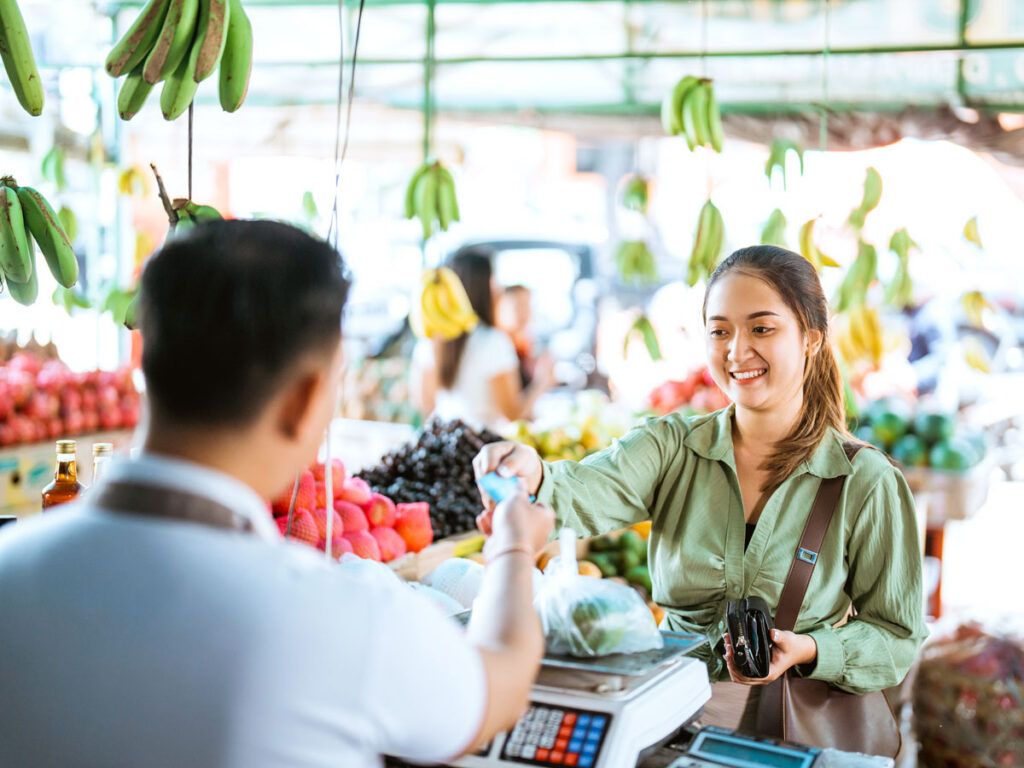
With more and more countries offering cashless payment options, you may choose to forgo cash and avoid the hassle. If you prefer to pay by credit card, however, there’s a simple rule you should always follow to avoid predatory exchange rates.
When you tap your card on the payment terminal, you’ll typically be asked by the merchant if you want to pay with U.S. dollars or local currency. Always choose local currency. The reason for this is simple: If you pay using local currency, the exchange rate is set by your bank, which will be closer to fair market value.
If you opt to pay in U.S. dollars for your transaction, you’re subject to an exchange rate set by the store or restaurant. This rate is typically higher than the rate set by your bank, since there’s less oversight. Always inform the merchant you’d prefer to pay in local currency, and your bank account will thank you.
More from our network
Daily Passport is part of Inbox Studio, an email-first media company. *Indicates a third-party property.