


Inside America’s First Car-Free Neighborhood
Inside America’s First Car-Free Neighborhood
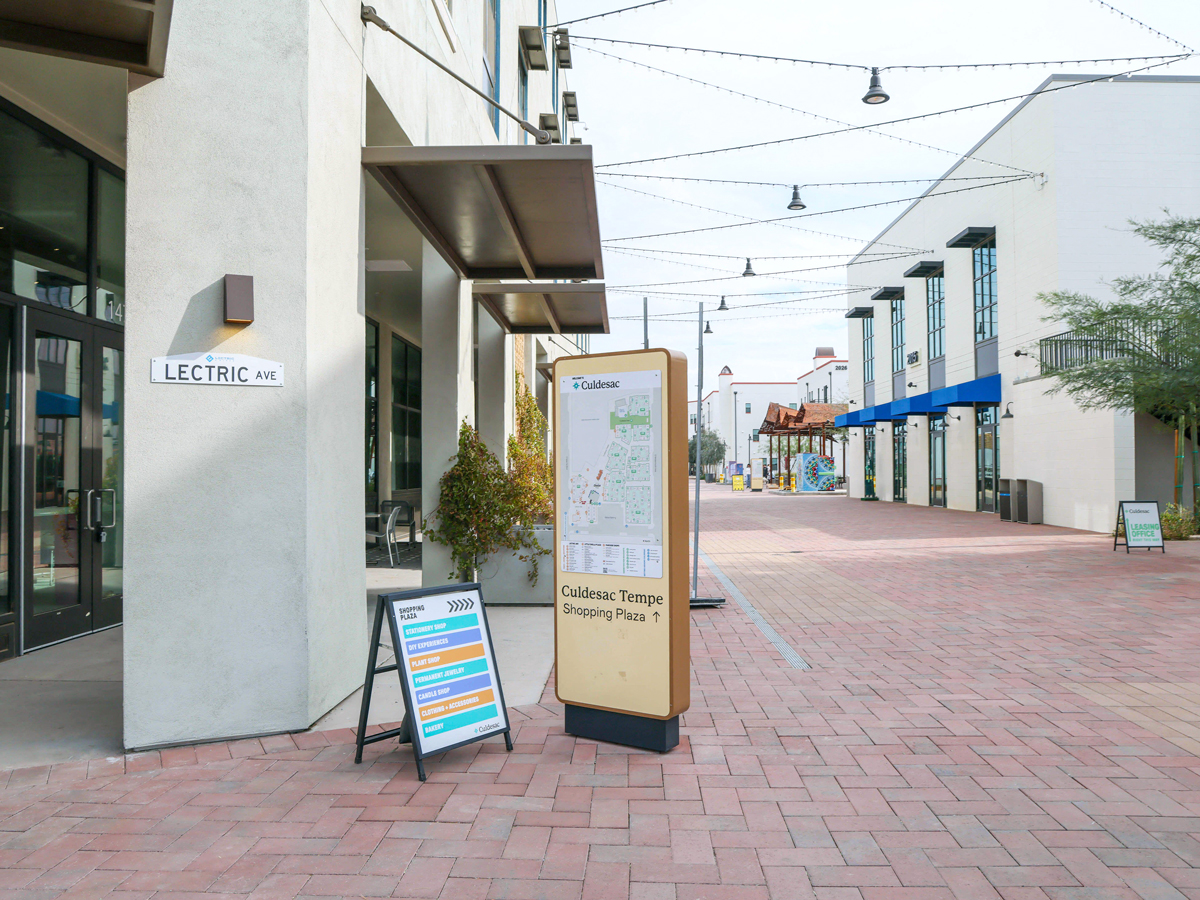
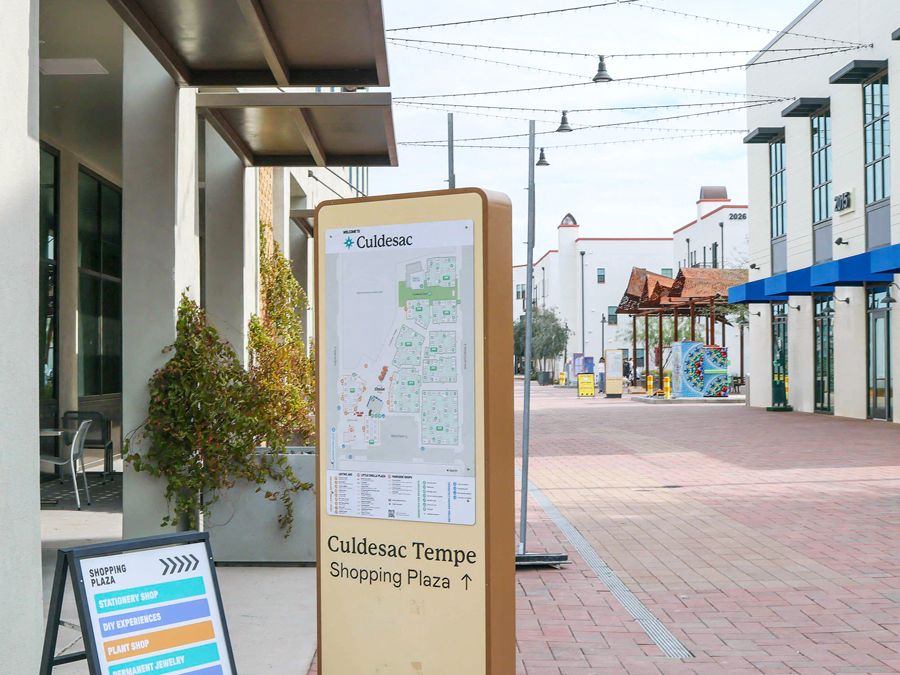
In a modern world where the automobile is seemingly indispensable, it can be hard to imagine a place designed solely for people rather than parking. But in Tempe, Arizona, real estate planners are turning this idea into reality, replacing traffic lanes with community spaces connected by walkable streets and bike paths. Here’s the lowdown on what’s being billed as America’s first car-free, built-from-scratch urban neighborhood — and how to visit it yourself.
History of the Car Ban: Why the Decision Was Made
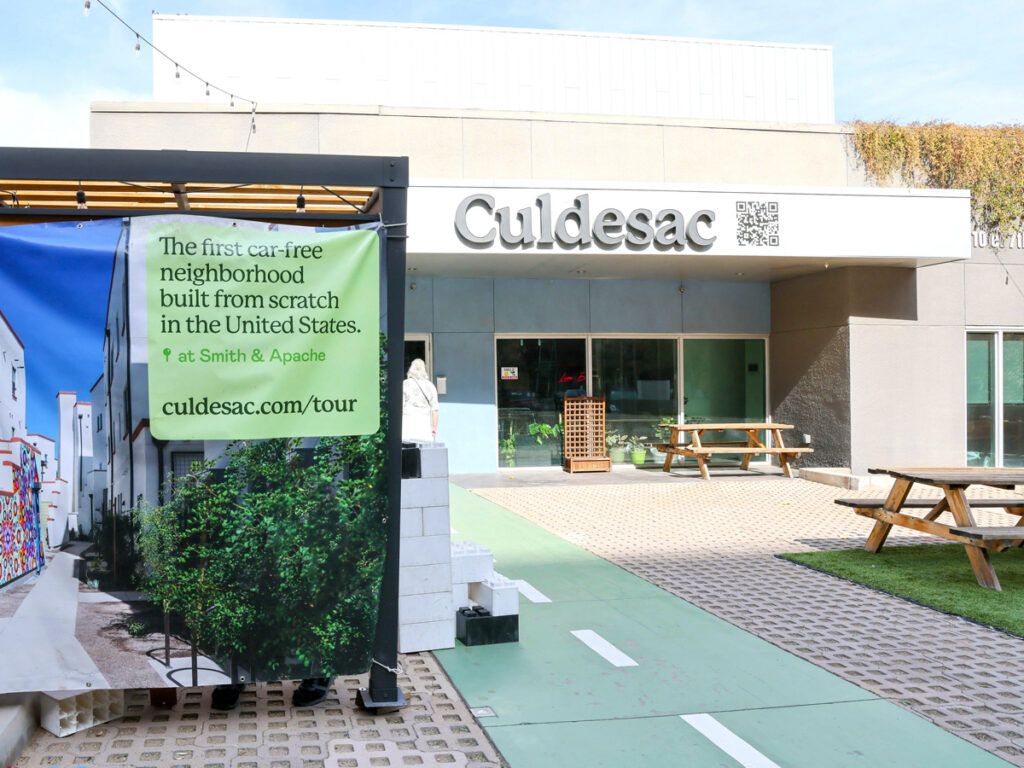
Culdesac Tempe was conceived as a response to the dependence on cars in urban life across the U.S. Driving remains the dominant way to get around: 70% of Americans drove to work in 2022, according to census data, and just 2.9% either walked or biked. Much of the housing in large metropolitan areas is concentrated in car-dependent suburbs; however, many have voiced the desire to live in more walkable communities. Ryan Johnson, who co-founded Culdesac, described on its website as a real estate developer and neighborhood manager, wants to prove that, by designing neighborhoods around people, car-free living is achievable.
Central to the concept was a decision to eliminate resident parking. Rather than seeing cars as a default form of transport, Culdesac Tempe is built around walking, cycling, and public transportation. Often, large amounts of urban land are consumed by parking lots and roads, limiting housing and green space opportunities. Transportation is also the largest source of greenhouse gas emissions in the U.S., making a car-free development attractive from both environmental and lifestyle perspectives.
How the Neighborhood Works
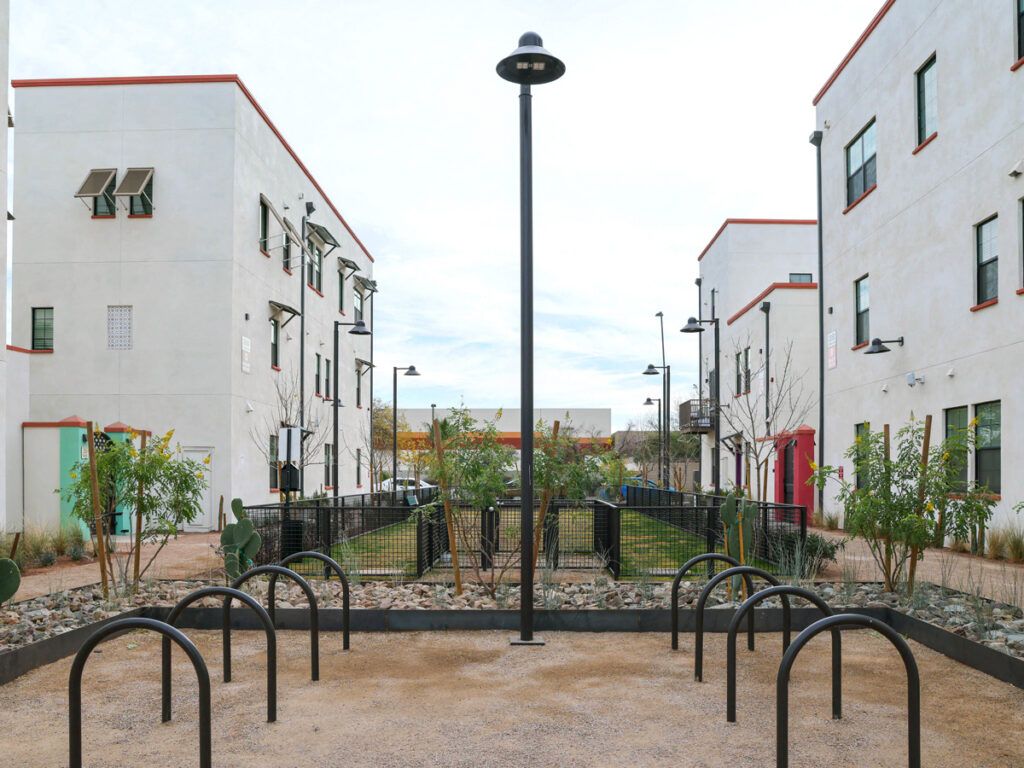
Culdesac Tempe is a 17-acre community in Tempe, a city located in the Phoenix metropolitan area. When fully complete in 2028, it will offer more than 700 rental apartments, capable of housing over a thousand residents. The apartments will sit alongside cafés, restaurants, and shops, each connected by courtyards, pathways, and plazas. The plan also includes space for bike repair stations and storage, a gym, a dog park, public art, and an events space.
Unlike at conventional complexes, residents cannot park vehicles on site. Instead, they rely on alternatives such as bikes, e-scooters, and electric car-share vehicles. The community is also located directly on the Valley Metro Rail, a light rail that connects downtown Tempe with Phoenix. However, delivery drivers and visitors have access to allocated parking spaces outside the residential core.
Implementation and Impact
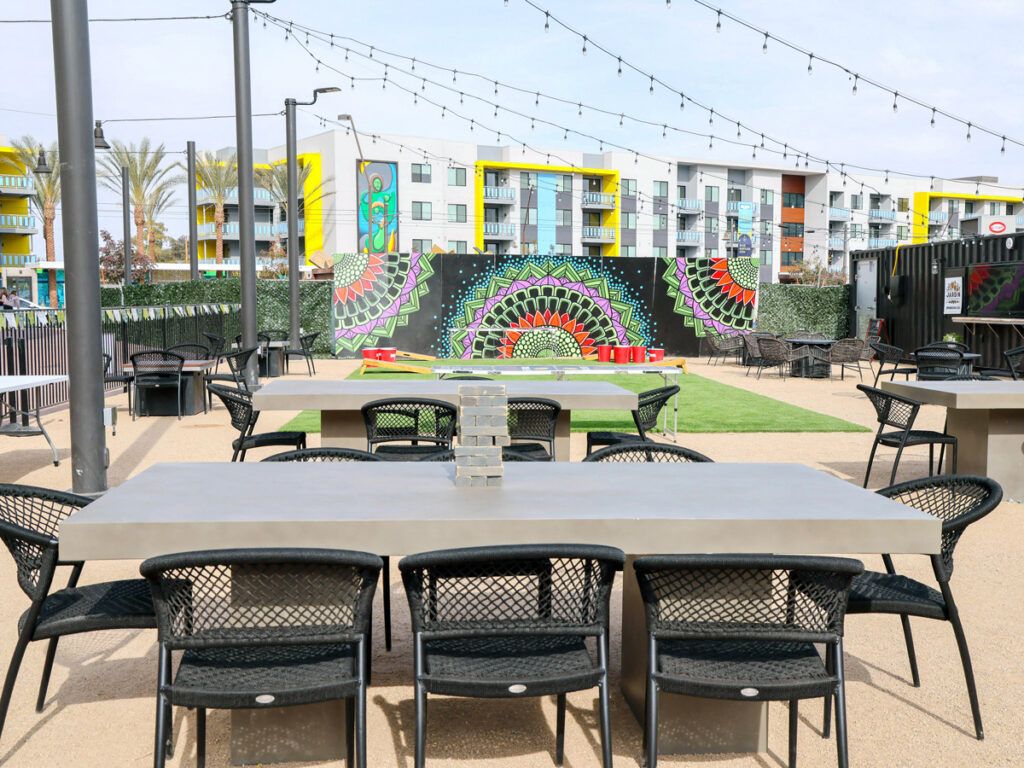
Construction of Culdesac Tempe began in 2019, and the development welcomed its first residents in 2023. Currently, it’s home to around 350 people. Since then, it has attracted attention as a showcase of what a car-free neighborhood can look like — especially because Phoenix is often regarded as one of the most car-dependent regions in the country. Many residents say the car-free concept has changed how they interact with neighbors and business owners. One, interviewed by People magazine, even said the neighborhood “feels like being in Greece.”
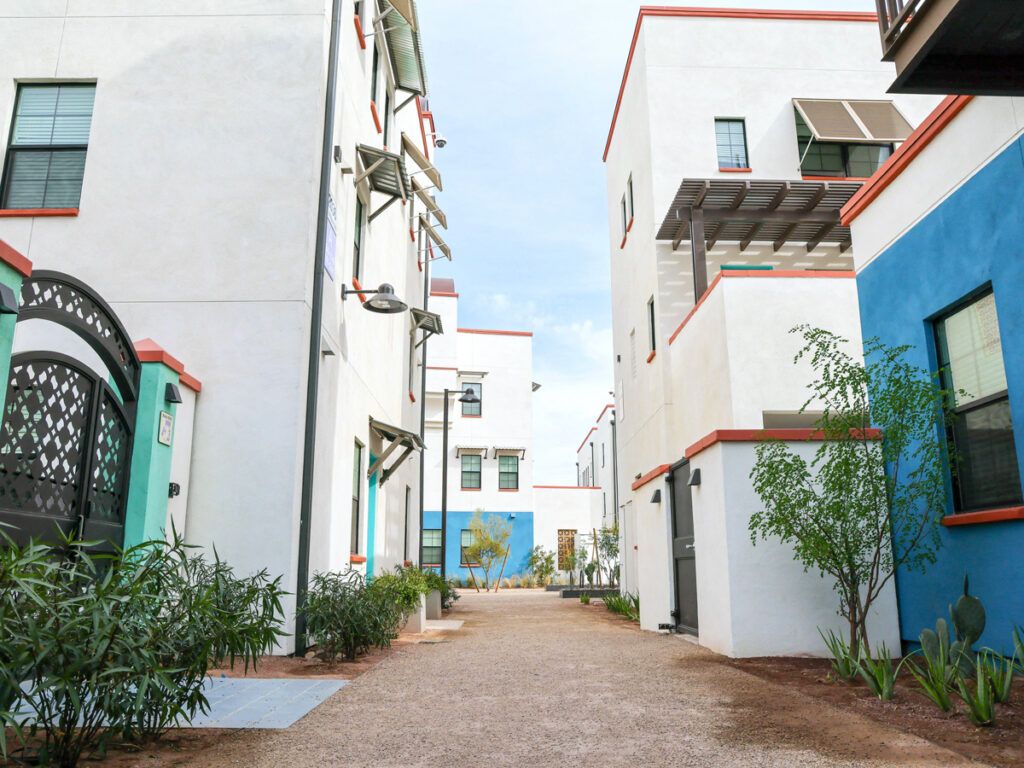
The neighborhood is also a leader in climate-conscious design, no small feat in a city with 300 sunny days and over 140 of those reaching 100 degrees Fahrenheit or warmer in 2025. There’s no heat-absorbing asphalt in the neighborhood, and 55% of the area is open space with landscaping. Buildings are painted in bright white to reflect the desert sun and carefully positioned to provide maximum shade coverage. Tree canopies also help to reduce the heat, encouraging residents to enjoy the outdoors.
Visiting the Neighborhood Without Cars
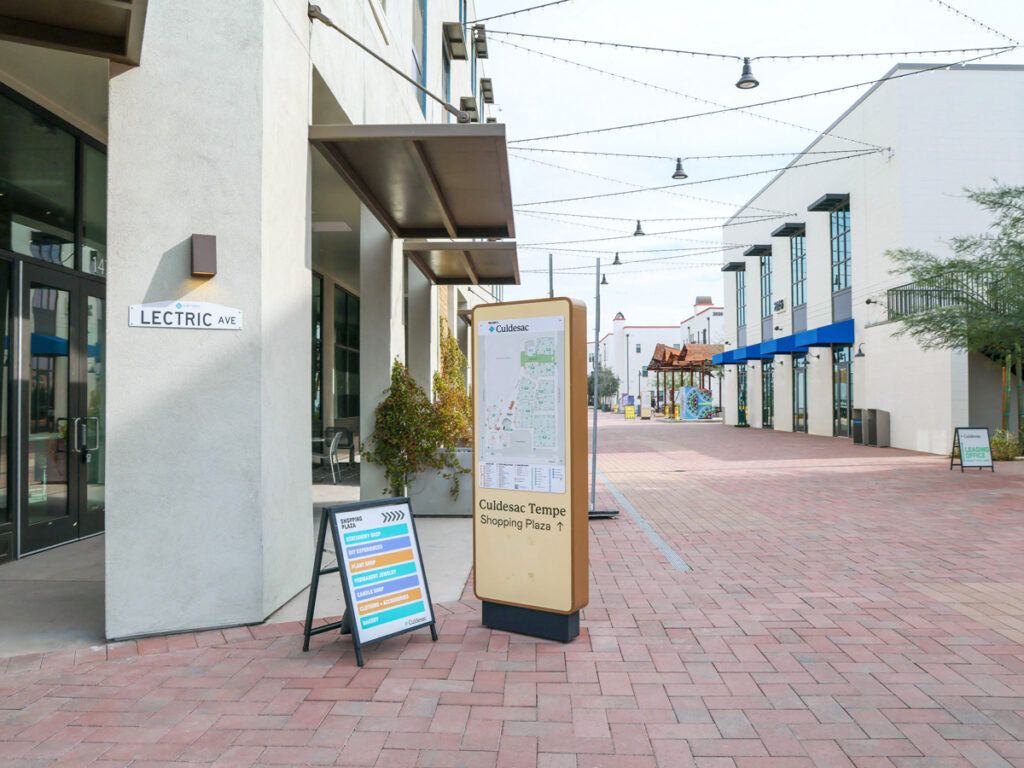
Luckily, Culdesac Tempe is open not just to residents, but for all to experience. Travelers can disembark at the neighborhood’s light rail station and step straight into the pedestrian-friendly streets. With bike parking throughout, day-trippers often arrive on two wheels from elsewhere in Tempe, itself a city recognized as a Gold-Level Bicycle Friendly Community by the League of American Bicyclists.
Many people come purely out of curiosity, as a visit offers something currently rare in the U.S. Shops here focus on affordability, locally made products, and sustainability, selling everything from Japanese-inspired home decor and upcycled furniture to handcrafted jewelry and Puerto Rican fashion. Meanwhile, budding artisans can try candlemaking, perfume, and pottery workshops. Plus, cafés, restaurants, and parks with barbecue areas give plenty of reasons to linger.
The Future and Other Global Examples
This is unlikely to be a one-off experiment. The Culdesac real estate development company is already working on other projects, including Culdesac Mesa in nearby Mesa, Arizona, and townhomes with community courtyards in Atlanta, Georgia. Both are building on the same principles of walkability and reduced car dependence.
While these ideas are novel in the U.S., they are borrowed from communities elsewhere. In Europe, Barcelona’s “Superblocks” program has reclaimed city streets from traffic, while Poundbury, England, is designed around the walkable needs of locals. Other examples include the post-industrial waterside neighborhood of Nordhavn, Copenhagen; the people-first and bicycle-centric Houten in the Netherlands; and eco-conscious Vauban in Freiburg, Germany. Though each is unique, they share one common goal: a desire to move toward pedestrianization and non-traffic-oriented living.
More from our network
Daily Passport is part of Inbox Studio, an email-first media company. *Indicates a third-party property.