





The Flight Attendant-Approved Hack for a Smelly Seatmate
The Flight Attendant-Approved Hack for a Smelly Seatmate

There are many kinds of bad seatmates on planes, some worse than others. Loud? Far from ideal, but noise-canceling headphones exist for a reason. Fidgety and constantly getting up to walk the aisles? Disruptive but understandable, particularly on a long flight. Smelly? Now, that’s something most passengers would agree is a problem. Unfortunately, with flights fuller than ever, changing seats may not be an option, and many would rather grin and bear it than have an awkward conversation with the stranger we’re sitting next to for the next several hours. So, is there a better solution? According to the experts, yes.
Ask a Professional
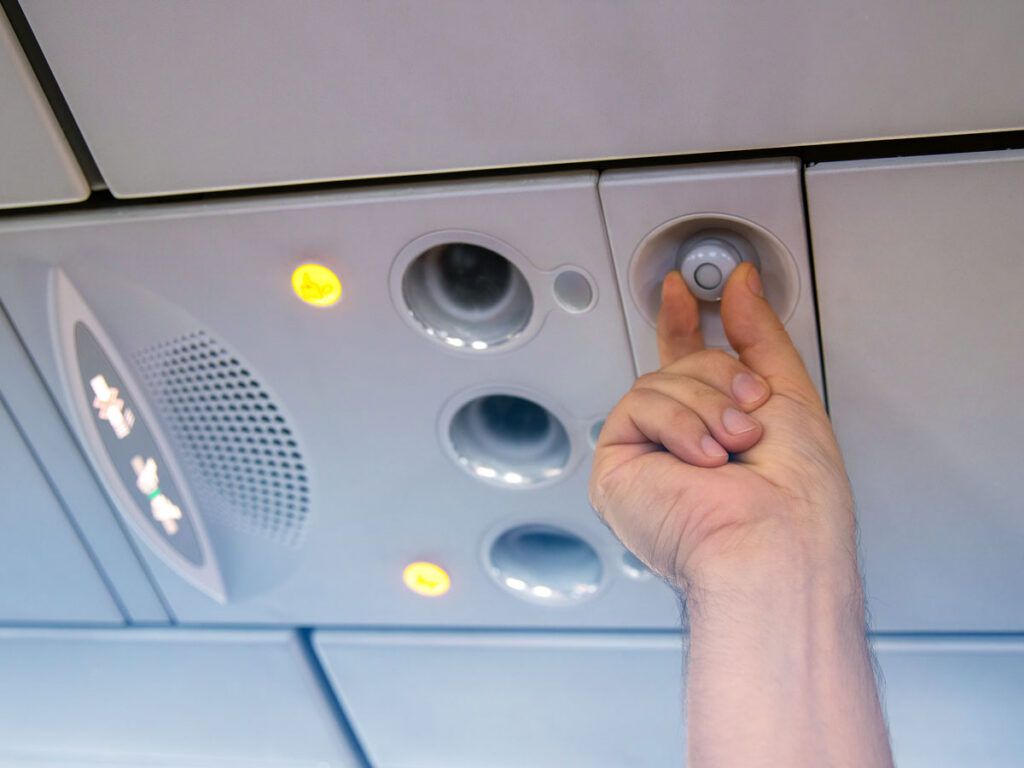
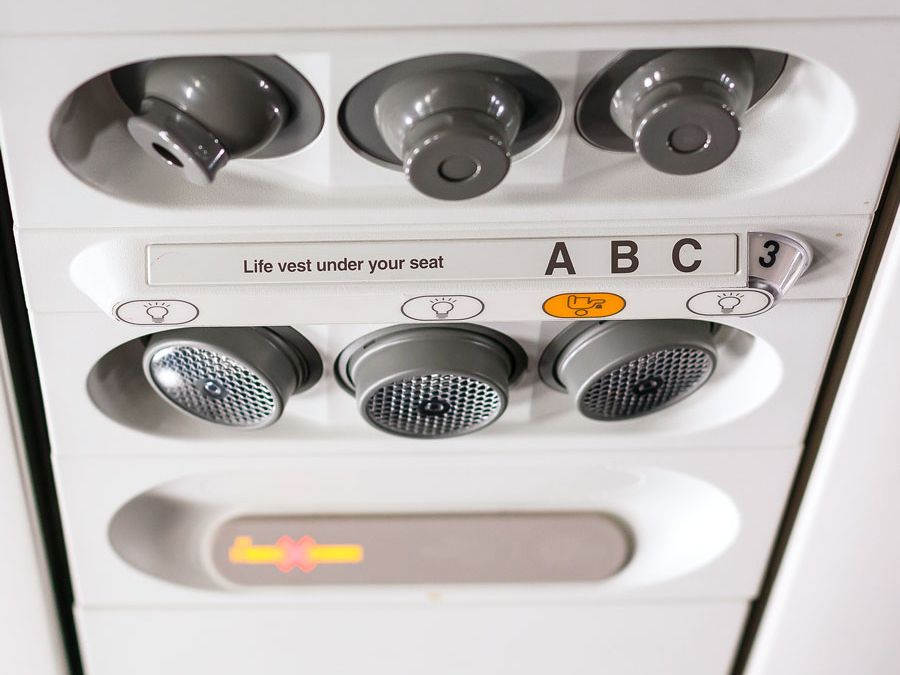
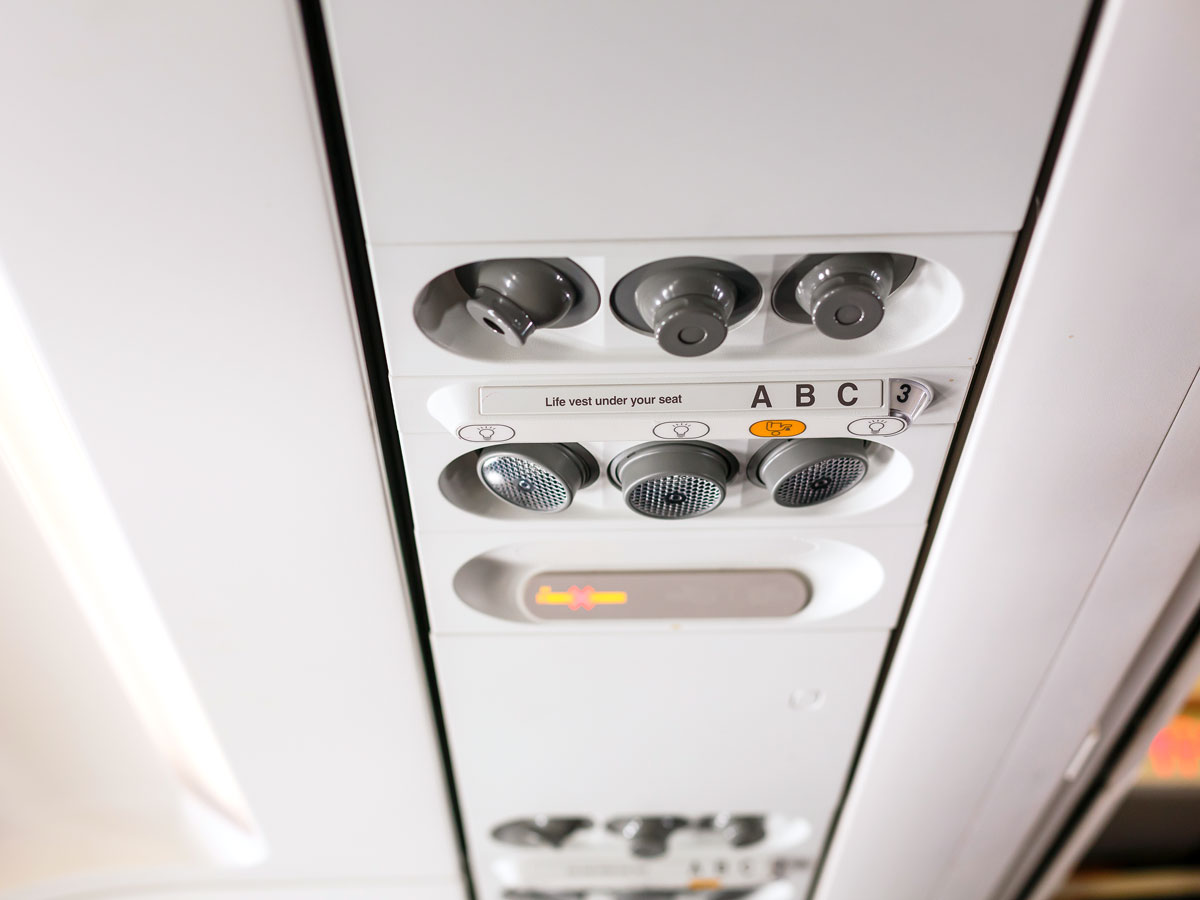
However many times you may have had to deal with this issue, chances are cabin crew have encountered it far more often. Laura Einsetler, a commercial airline pilot with more than three decades of experience who writes the Captain Laura blog, offers one solution: “When you have a situation where you’re in your seat and it’s a nuisance smell, for lack of a better term, due to hygiene issues, what I would highly recommend is you open the eyeball vent above you and point the airflow vent straight down in front of you,” she suggested to USA Today.
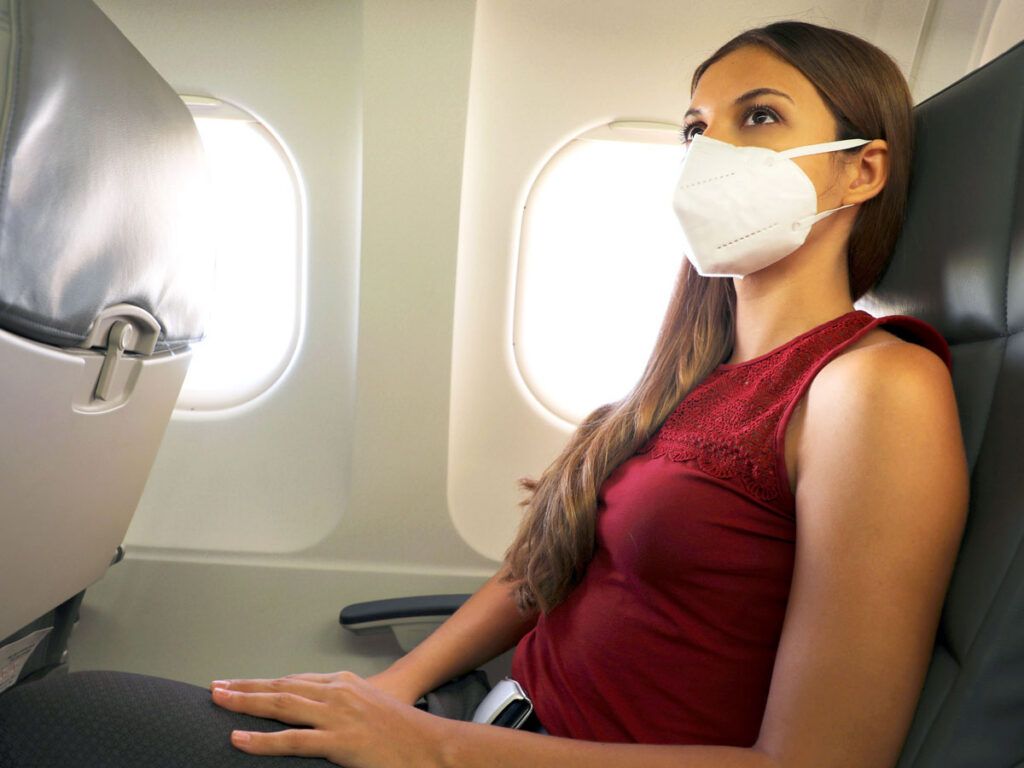
Susannah Carr, a representative for the Association of Flight Attendants who works as a flight attendant for a major airline, had another suggestion: Wear a mask. “Throw one of those disposable masks in your bag. Even if you’re not afraid of germs, that can be a barrier to one of those smells,” she told USA Today. “I still have an N95 mask in my backpack. I don’t wear it anymore on planes, but I’d probably put it on to see if it helped.”
You can also try one of Carr’s tricks of the trade; it’s a favorite among flight attendants. Place a dab of Vicks VapoRub under each of your nostrils, which flight attendants sometimes do while collecting trash. Thanks to ingredients such as eucalyptus oil and menthol, the ointment is highly effective at blocking odors — it’s even a trick used by other professionals such as paramedics and animal trainers. Essential oils such as peppermint oil can also do the trick. If you’d prefer not to make what you’re doing obvious to your malodorous seatmate, you can apply it during a covert trip to the lavatory.
If All Else Fails
If you don’t have a mask or Vicks on hand, your best bet is probably to wait until your flight has reached cruising altitude, get up from your seat, and speak to a flight attendant about changing seats. If there are any available, they’ll likely accommodate you. Though it might mean moving to the dreaded middle seat, moving may make for a better in-flight experience than staying where you were.
Some airlines even have clauses in their contracts of carriage stating that passengers can be removed from the flight if they have extreme body odor that isn’t caused by a medical condition. Delta Air Lines, for example, states that a passenger can be refused “when the passenger’s conduct, attire, hygiene, or odor creates an unreasonable risk of offense or annoyance to other passengers.” But if you want to speak with cabin crew about a smelly situation, you’ll have to do so before departure, as there’s little that can be done once you’re in the air.
Featured image credit: © Angelov/stock.adobe.com
More from our network
Daily Passport is part of Inbox Studio, an email-first media company. *Indicates a third-party property.