






New TSA Tech Will Ruin This in Your Suitcase
New TSA Tech Will Ruin This in Your Suitcase


In recent years, TSA has upgraded its screening technology to the point that the agency has been able to eliminate a few of its more notoriously inconvenient rules — chief among them being travelers needing to remove their shoes. But for all the ways that these high-tech machines have made airport security screenings more efficient, they’ve also created a potential headache for some people. Find out how they can damage or destroy a certain type of item often found in luggage.
The Flimsiness of Film

While many travelers these days rely on their phones to take photographic memories on vacation, what’s old is new again, and there has also been a recent uptick in the popularity of film. Companies such as Kodak have increased production of film cameras, and retailers have seen a spike in sales over the past several years. This increase in popularity isn’t merely for nostalgic reasons — travelers who are capturing their trips on film are doing so deliberately, hoping to capture higher-quality and more artistic snapshots.
But there’s a new, potentially thorny issue when it comes to TSA screening for carry-on luggage. While film could easily pass through the TSA’s older X-ray machines without being damaged, the agency’s new 3D computed tomography (CT) scanners — which are becoming increasingly common — emit radiation that’s more powerful than older machines. While the radiation poses no risk to people, it can unfortunately damage or destroy unprocessed camera film in just a single scan.
This risk exists whether the film is packed in your luggage or in your pockets. Taking it through the luggage or body scanner may result in foggy images or a degradation in quality, and it could even completely erase your images. For this reason, it’s necessary to take extra precautions if traveling through the airport with film. Thankfully, there’s a relatively simple workaround.
How To Protect Your Film
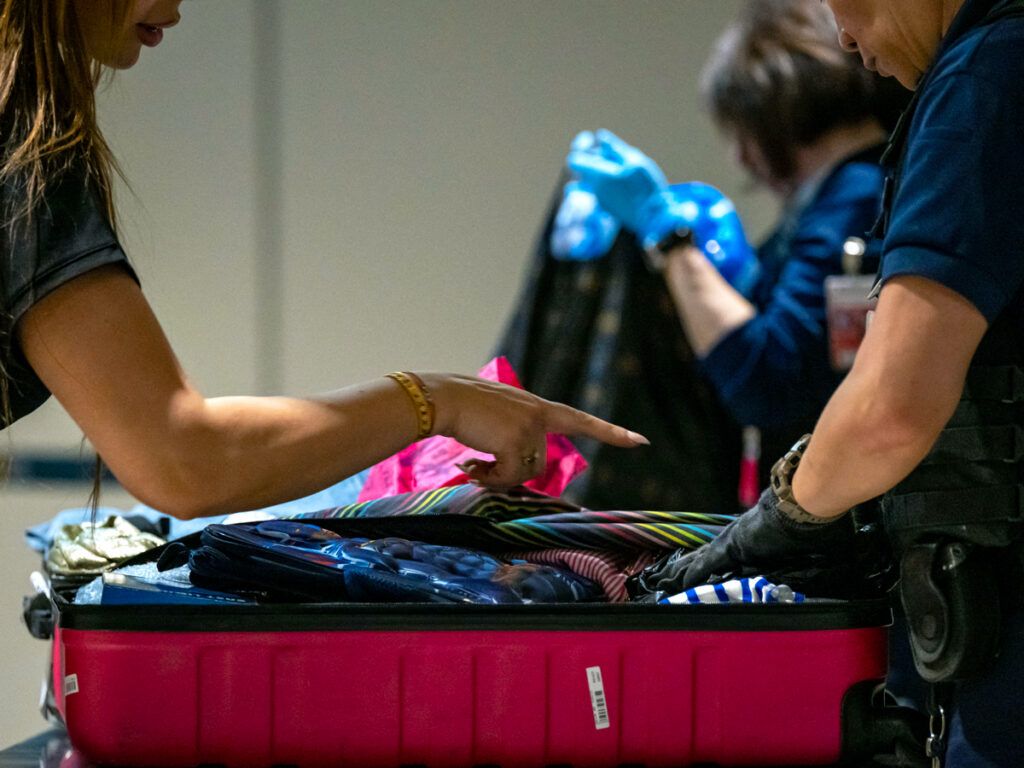
First, never store your film in your checked luggage, as it may be wiped or damaged as it gets screened behind the scenes. Instead, always keep film in a readily accessible location, such as in the top of your carry-on or in your pockets, preferably in a clear plastic bag for easy inspection. When you get to the security checkpoint, request a hand inspection. This isn’t uncommon, nor is it an inconvenience. In fact, it’s recommended by the TSA.
After requesting an inspection, remove the film from your luggage or person and send the bag through the scanner. The TSA officer will then take the film and inspect it by hand. This process might take a little longer, especially if there’s a line, but it’s the only way to ensure the film won’t be damaged. Once the agent inspects the film and confirms it’s safe, you’ll be sent on your way with precious photographic memories still intact.
Featured image credit: © nareekarn/stock.adobe.com
More from our network
Daily Passport is part of Inbox Studio, an email-first media company. *Indicates a third-party property.