





5 American Habits That Instantly Mark You as a Tourist
5 American Habits That Instantly Mark You as a Tourist

When we travel somewhere as a tourist, we naturally stand out in some way from those who call that place home. Maybe it’s because we zero in on visitor attractions or take delight in encountering things that locals may find commonplace. But sometimes our ingrained habits can reveal us — and we may not even notice. If you’re keen to fit in a little better next time you venture to a new country, here’s our take on the American habits that instantly mark you as a tourist.
Expecting To Drive Everywhere
A recent survey by the data publication Statranker found that the average American drives more miles per year than citizens of any other country, which is perhaps unsurprising given the combination of vast geography and household wealth. As a consequence, many Americans might expect to drive everywhere while on vacation. But the reality is that navigating unfamiliar city streets or narrow country lanes can be highly stressful.
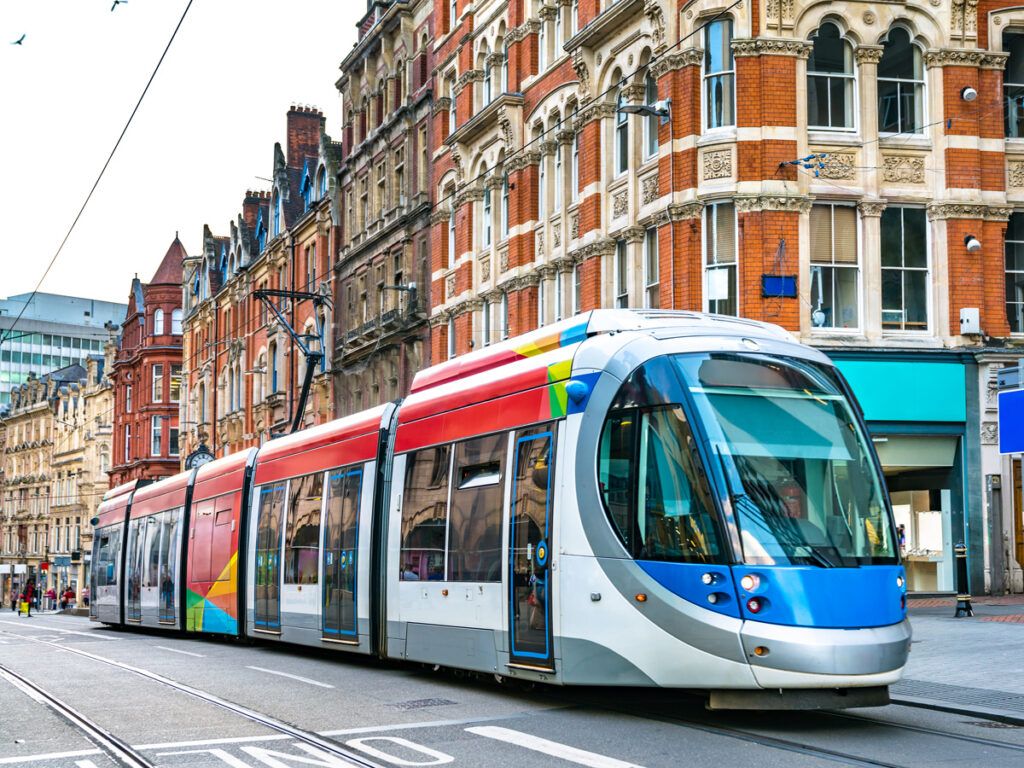
In Europe, for example, locals are far more used to jumping on a train or bus to reach their destination. Not only is such transportation more environmentally friendly, but it’s also often quicker than driving in congested cities and on busy highways. According to the transportation publication Sustainable Bus, 81% of Europeans use public transportation for day-to-day travel, and 95% of city dwellers live within a 15-minute walk of a bus stop, metro station, or railway hub.
Eating and Drinking on the Go

In the U.S., it’s common to eat and drink on the go. Preordering coffee for pickup speeds up morning commute routines, and to many Americans, it makes sense to multitask to save time. In a country where the infrastructure is designed to be car-centric, drive-thrus, disposable cups, and takeout abound. An article published by the National Museum of American History noted that food on the go and convenience stores have played a significant part in the American diet for more than a century.
However, in many other cultures, such as Japan, good manners dictate that eating on the street should be avoided. (However, in Japan it’s acceptable to consume food purchased from vending machines or street food stalls so long as you remain beside them.) In Europe, eating and drinking are perceived as leisurely pursuits, as evidenced by the sidewalk cafés you’ll see everywhere from Bergen to Brașov. Rooted in historical legacy, Europeans cherish these opportunities to people-watch, socialize, and connect while lingering over a meal.
Missing Cues in Restaurants and Cafés
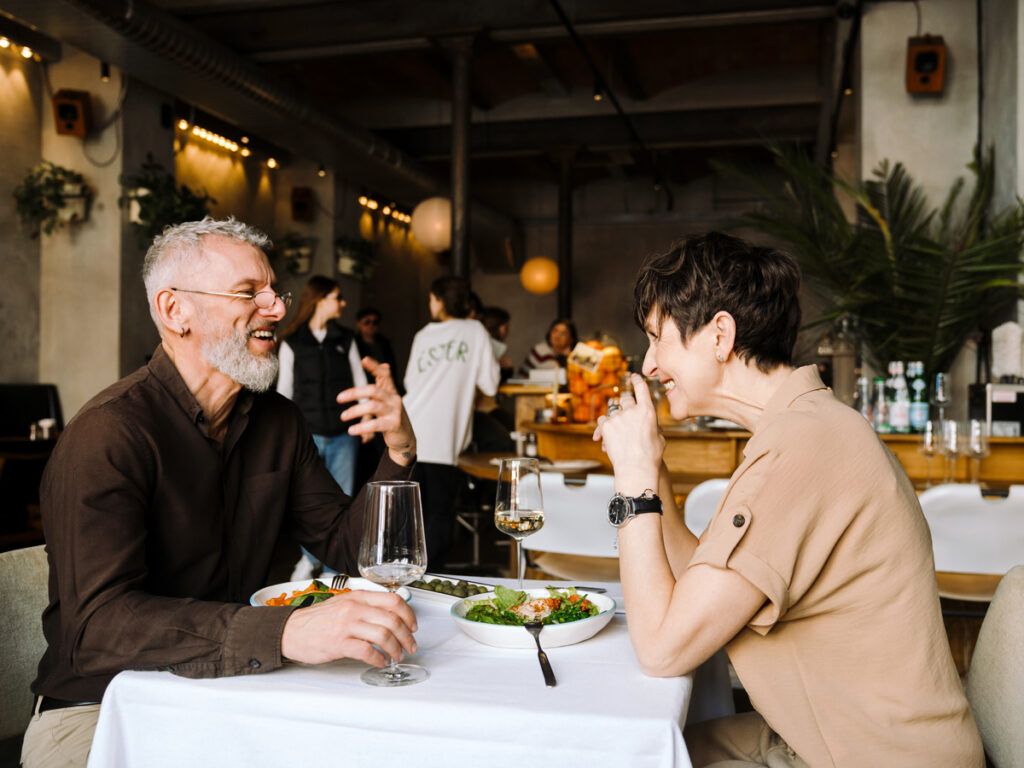
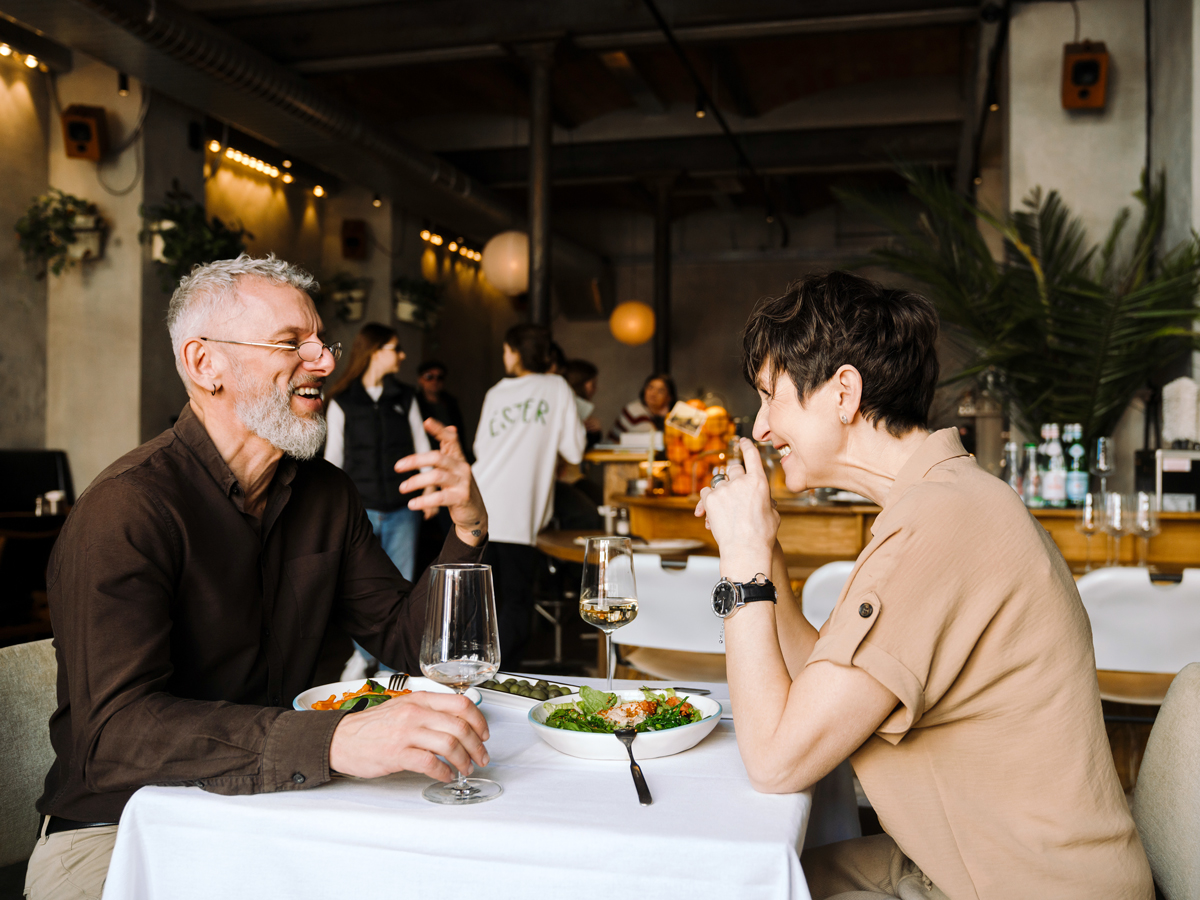
While few restaurants insist on a very strict dress code, there’s something to be said for putting on something special. For some people, if they’re spending a lot on a fancy meal and someone at the next table has made little effort, it takes the shine off the occasion. In such settings, the sports shirts, baseball caps, and sneakers that Americans often wear will draw attention — and not in a good way.
Similarly, not considering your volume of speech is a faux pas when traveling overseas. Indeed, in a recent survey, 70% of European respondents described Americans as “loud.” One way to avoid confirming this stereotype? Simply take a moment to study the decibel level that’s the norm for the locals who are seated around you and realize that places like Scandinavia, Japan, Germany, and Singapore famously champion peace and quiet. And save those loud, nonurgent phone calls — particularly on speaker — for when you’re somewhere private.
Asking for a Doggie Bag

American portions are known for being larger than the global average, so when dining out in the U.S., it often makes sense to ask for a doggie bag or a to-go container rather than waste any leftovers. Smithsonian magazine reported that the doggie bag as we know it has its origins in the 1940s, when eateries started to wrap table scraps for pets — and later for diners themselves. The practice quickly gained traction, just like asking for free refills or free water.
Outside of the U.S., however, you might be an outlier if you request a box for your uneaten food. In Britain, for example, many diners consider it impolite to make such a request, relying instead on restaurant-led initiatives to recycle leftovers. One such example is Hubbub’s mission to redistribute unwanted food and share it via community groups in the London Borough of Southwark.
Expecting To Tip
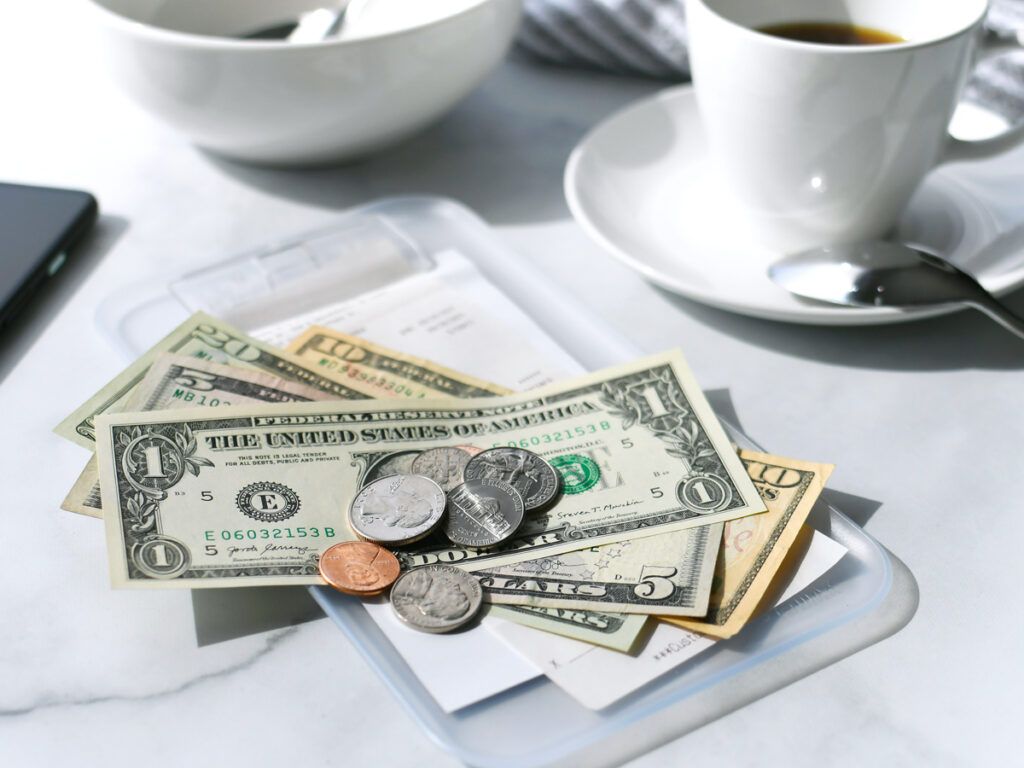
Wages in the hospitality industry work differently in the U.S., where staff members are typically paid a lower hourly rate because of the expectation that gratuities will make up the rest. Under the Fair Labor Standards Act, employers are legally allowed to factor in tips so long as workers still earn at least the minimum wage. Gratuity levels therefore tend to be higher than in many other parts of the world.
In some places, tipping simply isn’t part of the culture; in Japan, it can even be considered rude. There are other countries where tips are acceptable, but they’re usually considered a welcome bonus rather than an expected add-on. If you do choose to tip, think twice before handing over dollar bills — exchanging them for local currency might be a headache for waitstaff, especially if they aren’t in pristine condition.
More from our network
Daily Passport is part of Inbox Studio, an email-first media company. *Indicates a third-party property.