





Could Your Medication Get You in Trouble When Traveling Abroad?
Could Your Medication Get You in Trouble When Traveling Abroad?
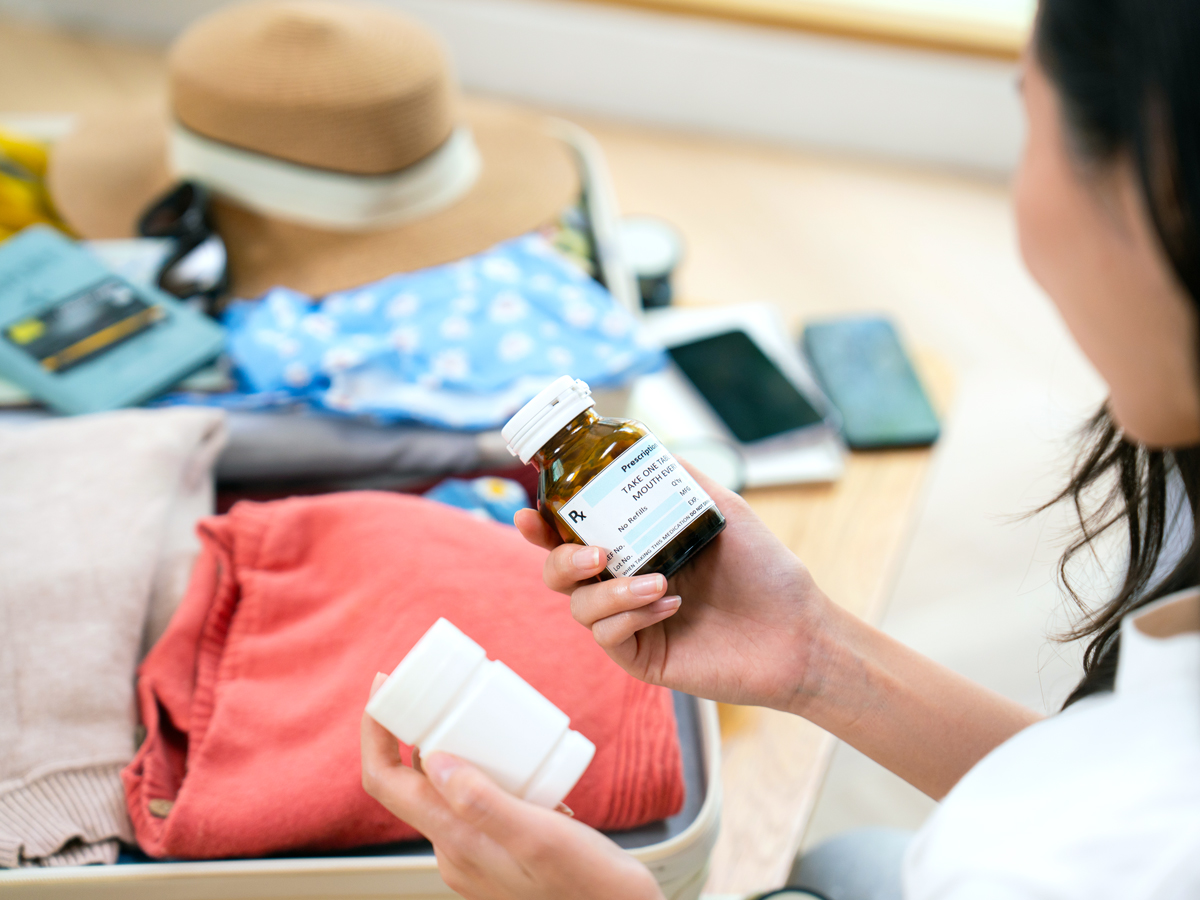

When you’re getting ready for an international trip, you’re probably thinking about your passport, checking in for your flight, and whether you’ve packed enough clothes. Your medications might get tossed into your bag without much thought beyond making sure you have enough of them for your trip. But just because a medication is legal in the U.S. doesn’t mean it’s allowed everywhere.
Every country has its own drug laws, and some medications that are available over the counter or commonly prescribed in the U.S. are considered controlled substances or outright banned elsewhere. In some cases, travelers have had medications confiscated at the border; in more serious situations, they’ve faced fines, detainment, or even arrest. Here’s what you need to know about bringing medication abroad.
Medications That Can Cause Problems Abroad
Rules vary from country to country, but below are some of the most commonly restricted medications:
ADHD Medications
Prescription medications such as Adderall and Vyvanse that are used to treat ADHD (attention-deficit/hyperactivity disorder) are among those travelers run into trouble with most often. Some countries have very strict rules about amphetamine-based medications, while others don’t allow them at all.
Japan, for example, has made headlines over the years for its tight restrictions, including the case of an Oregon woman who spent 18 days in detention after mailing herself her legally prescribed ADHD medication before a trip. Countries including the UAE, Saudi Arabia, South Korea, and Singapore also have strict regulations in place.
Prescription Pain Medications
Opioid pain medications like oxycodone, hydrocodone, and morphine are heavily regulated in many destinations. Countries such as Japan, South Korea, Singapore, Egypt, China, and the United Arab Emirates require travelers to obtain advance permission before bringing certain opioid medications into the country, even if they’re prescribed by a doctor.
Arriving without the proper documentation can lead to your medication being confiscated and, in some cases, legal penalties. In 2015, American Toyota executive Julie Hamp was arrested shortly after arriving in Japan after receiving a package containing oxycodone tablets, highlighting just how seriously the country enforces its drug laws. In Egypt, a British woman spent 13 months in jail after being caught with Tramadol in her suitcase.
Anti-Anxiety and Sleep Medications
Medications such as Xanax, Valium, and Ativan are commonly prescribed in the U.S., but they’re classified as controlled substances in many countries, including Japan and South Korea. Depending on where you’re going, you may be limited in how much you can bring or be required to carry supporting documentation.
Cold and Allergy Medications
This one often surprises: Some ingredients in cold, cough, and allergy medications are banned or restricted in other countries.
- Pseudoephedrine (found in Sudafed and some Vicks inhalers) is restricted in certain countries such as Mexico and Japan. To travel to either of these countries with this medication, a detailed doctor’s note is required, as is declaring it to customs officers.
- Codeine, which is found in some cough syrups and prescription pain medications, is classified as a controlled narcotic and is highly restricted in countries including the UAE, Greece, and Indonesia. In Japan, the rules depend on the strength of the codeine and the amount you’re bringing into the country, so it’s important to carefully check the requirements before you travel. Failing to follow the proper procedures could result in fines, detention, or even jail time.
- Diphenhydramine, the active ingredient in Benadryl, is a common antihistamine used to treat allergies, motion sickness, and insomnia. While it’s available over the counter in the U.S., it’s banned in Zambia, subject to strict dosage limits in Japan, classified as a controlled substance in the United Arab Emirates, and available only by prescription in Germany and Sweden.
Medical Cannabis
Medical marijuana may be legal where you live, but that doesn’t mean you can travel with it internationally. Many countries prohibit cannabis products entirely, including oils, edibles, and products containing THC. A medical card in your home country does not override foreign laws.
Zero-tolerance countries include much of the Middle East, Japan, Singapore, Iran, Malaysia, and Vietnam. Even destinations that have legalized cannabis, such as Canada, often don’t allow visitors to bring their own supply across the border.
Check Before You Go

Before you travel, take a few minutes to look up your destination’s medication regulations. Check the website of your country’s embassy or consulate, which often lists prohibited and restricted medications along with any documentation you’ll need. It’s also a good idea to check the CDC’s list of commonly prohibited or restricted medications. The International Narcotics Control Board (INCB) is another helpful resource for proper documentation and forms.
Tips for Traveling With Medication
Traveling with prescription medication is usually straightforward if you’re prepared. Here are a few tips to keep in mind:
- Store your medication in its original container or packaging with the prescription label attached.
- Pack it in your carry-on instead of your checked luggage so you have access to it if your bags are delayed.
- Bring a copy of your prescription.
- If you’re traveling with a controlled medication, ask your doctor for a letter explaining your condition and why you need the medication. Some countries specifically require this.
- Don’t forget to check the rules for every country on your itinerary, including places where you’re connecting. Even a short layover can be subject to local regulations.
More from our network
Daily Passport is part of Inbox Studio, an email-first media company. *Indicates a third-party property.