




The Tiny Nation That’s an Unexpected Hot Dog Capital
The Tiny Nation That’s an Unexpected Hot Dog Capital
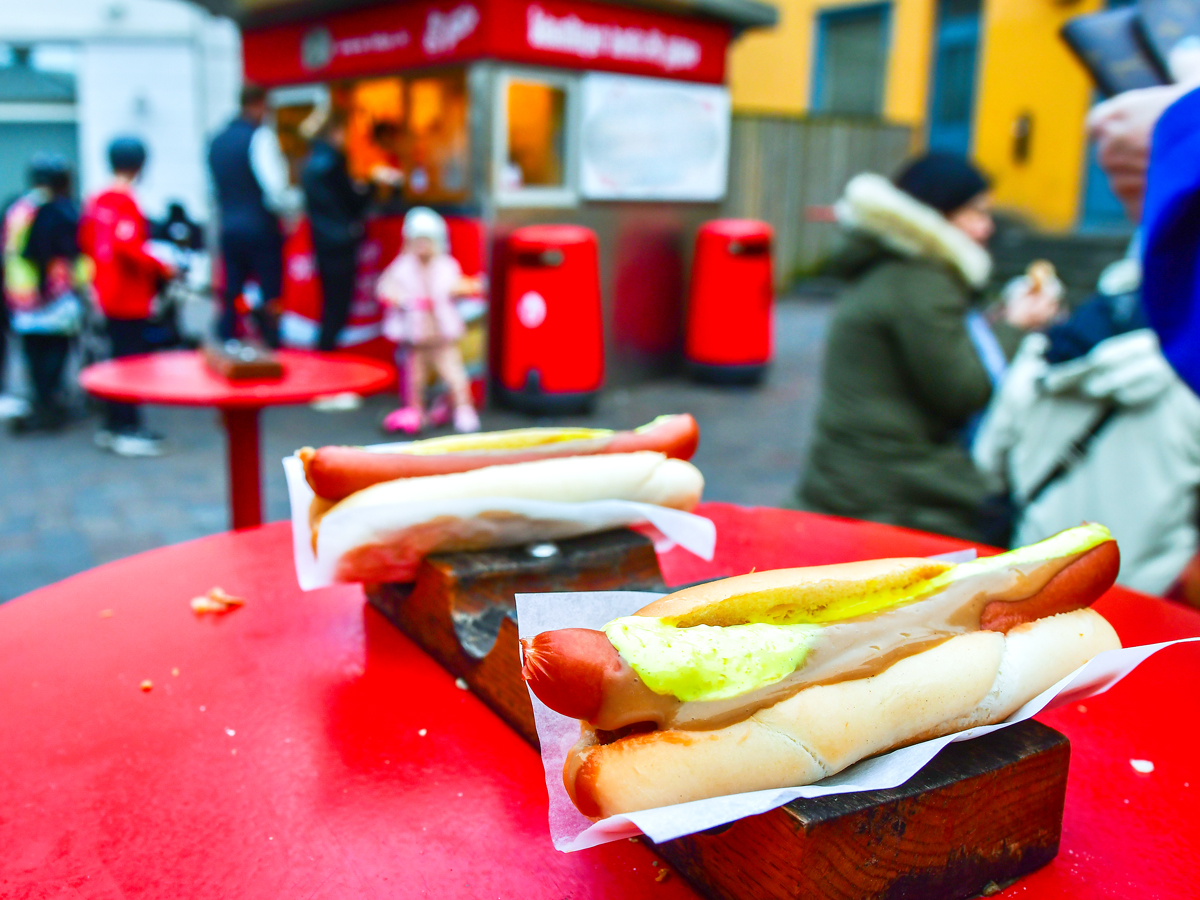

The humble hot dog has an impressive international pedigree. While Germany is the birthplace of the frankfurter and Austria lays claim to the wiener, it was German immigrants in the U.S. who popularized the idea of putting these sausages into a long, sliced bun in the mid-19th century. These days, a small Pennsylvania town called New Castle proudly claims to be the “Hot Dog Capital of the World.” However, there’s another place that’s just as obsessed with this meaty snack, and its location might surprise you: Iceland. Known to most there as pylsa (though many Icelanders will tell you it’s pulsa), a hot dog is a familiar sight to anyone who’s spent any time in this island nation.
Why Iceland’s Hot Dogs Have a Unique Flavor
If you taste an Icelandic hot dog, you might notice that the flavor is a little unusual compared with what you’re probably used to in the U.S. That’s because it’s made differently.
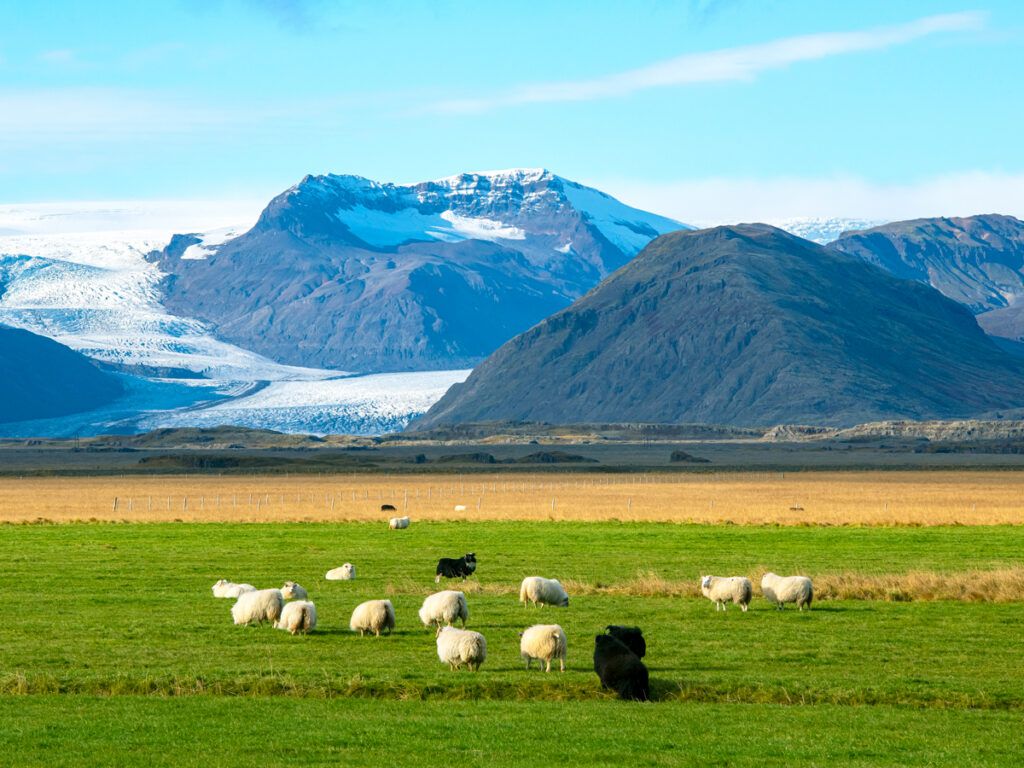
In the early days, when Iceland was under Danish control, imports of pork were limited, so enterprising locals turned to a meat they could find readily at home: lamb. The country’s sheep have grazed freely on Iceland’s meadows in a tradition dating back more than 1,000 years. Even today, Icelandic sheep munch on berries and Arctic herbs that naturally grow alongside the lush grass, giving their meat a distinctive flavor.
When it came to making Icelandic hot dogs, it made sense to use lamb to bulk out the recipe, though some pork was still needed to keep the end result soft and juicy. The country’s leading producer of hot dogs, Slaturfelag Sudurlands (which has about an 80% share of the market, according to the company) has been making hot dogs that way for almost 120 years. The company’s vinarpylsa is their bestselling product.
Iceland’s Fondness for Hot Dogs
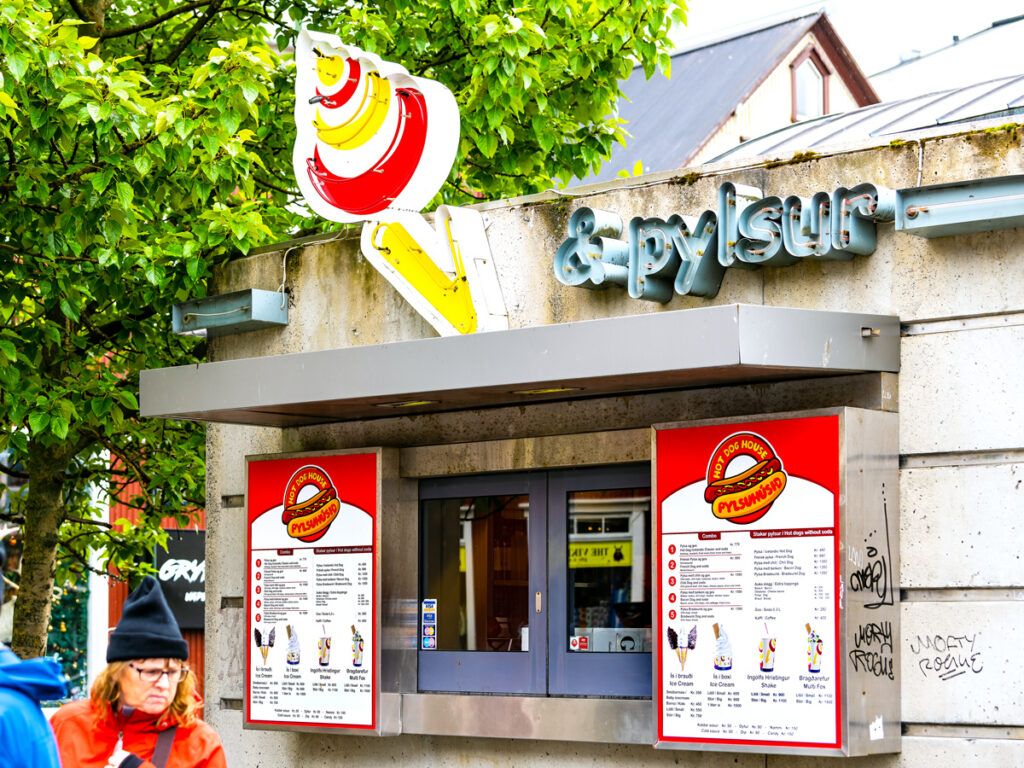
Visitors to Iceland will quickly notice how ubiquitous the hot dog is. This grab-and-go savory snack is available everywhere, from food trucks to gas stations, convenience stores, and street kiosks. In a country that has a reputation for being expensive, the chance to devour an iconic dish that’s comparatively affordable is another bonus. A standard hot dog costs around 880 Icelandic króna ($7 USD).
Locals have long seen them as a filling, fast, and cheap meal. Guðrún Baldvina Sævarsdóttir, content manager for the tour operator Icelandia, tells us that it came as a bit of a surprise when Icelandic hot dogs started to attract attention from overseas visitors. “This is historically something of a guilty pleasure,” she says. “I think it took us a while to catch up on their popularity.”
If you develop a taste for hot dogs during your next trip, Guðrún adds that nothing compares to throwing a few on an outdoor grill after a long hike. The next best thing, she suggests, is Bæjarins Beztu Plysur, whose name translates as “the best hot dogs in town.” This hot dog stand has been a fixture in the Icelandic capital since 1937. The red livery makes it easy to find on Tryggvagata street near the city’s Old Harbor; long lines are common, so be prepared to stand in the cold while you wait your turn. There’s also a branch at the airport just before border control to satisfy departing passengers.
A Snack With Celebrity Status
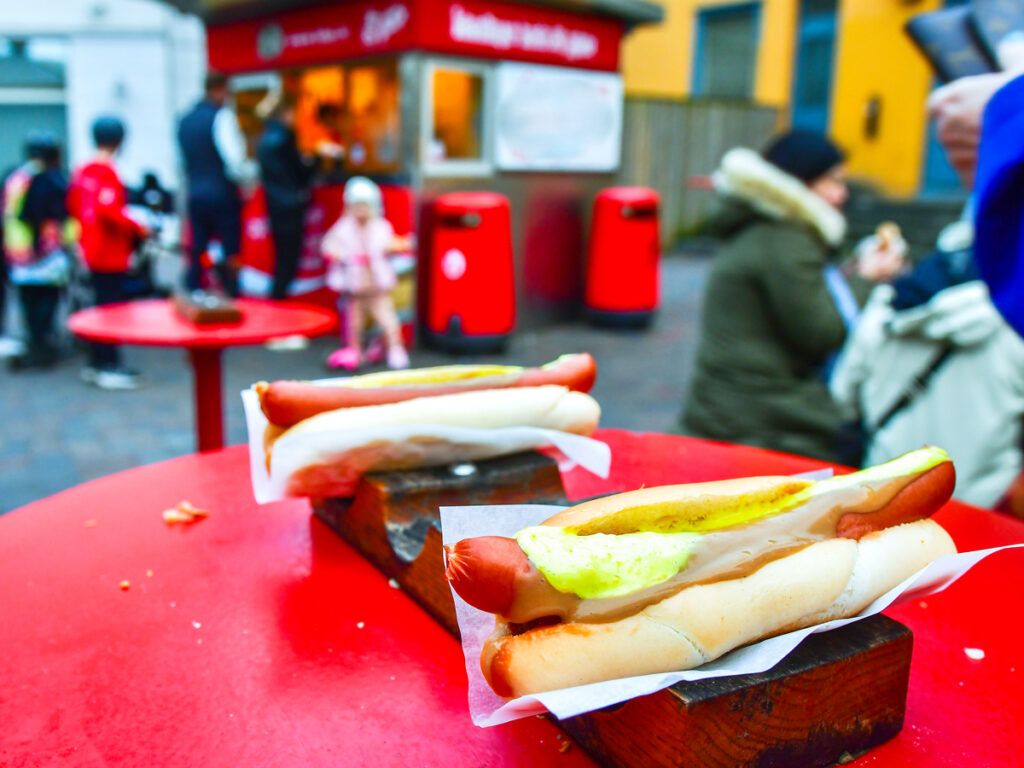
In the age of the internet and social media, it’s little wonder that Bæjarins Beztu Pylsur’s reputation has quickly spread. A succession of well-known visitors to the street corner stand — among them Kim Kardashian and chef Gordon Ramsay — has raised its profile, making it a requisite stop in Reykjavik for today’s travelers.
But it was Bill Clinton’s trip in 2004 that had the locals talking. When the former U.S. president placed his order, he asked for a hot dog with only mustard. In Iceland, it’s far more common to ask for ein með öllu (one with everything) and have your hot dog smothered with fried and raw onions, ketchup, a sweet mustard called sinnep, and remoulade.
Iceland and Its Hot Dog History
While the Icelandic hot dog traces its roots back to the early 20th century, sausages aren’t a modern addition to Icelandic cuisine at all. In fact, the bjúga sausage has been around for centuries. It was a staple for early settlers, who smoked the meat using dried sheep dung (a plentiful commodity) to preserve it. The thick, curved sausage was (and still is) commonly served with boiled potatoes and a sweet white sauce.
Sausages also play a prominent role in Icelandic folklore. The country embraces not only Santa Claus but also the 13 Yule Lads, who wreak havoc in the days leading up to Christmas. Three of them — Skyrgámur (Skyr Gobbler), Bjúgnakrækir (Sausage Swiper), and Ketkrókur (Meat Hook) — focus their naughty behavior on stealing food while visiting children in their homes. With sausages this tasty, it’s no wonder Bjúgnakrækir can’t resist the chance to gobble down another.
More from our network
Daily Passport is part of Inbox Studio, an email-first media company. *Indicates a third-party property.