





8 TSA Rules That Might Surprise You
8 TSA Rules That Might Surprise You

At this point, the TSA has been around for over two decades, so you might think you’re familiar with all the ins and outs of the security screening process. However, much like on their hilarious Instagram account, there’s sometimes more than meets the eye when it comes to the TSA. From surprising bans on certain items to shocking things that are allowed, plus a common behavior that could get you flagged, we’ve gathered up eight TSA rules from around the website that may catch even the most experienced travelers off-guard.
You Can Bring Live Lobsters on a Plane
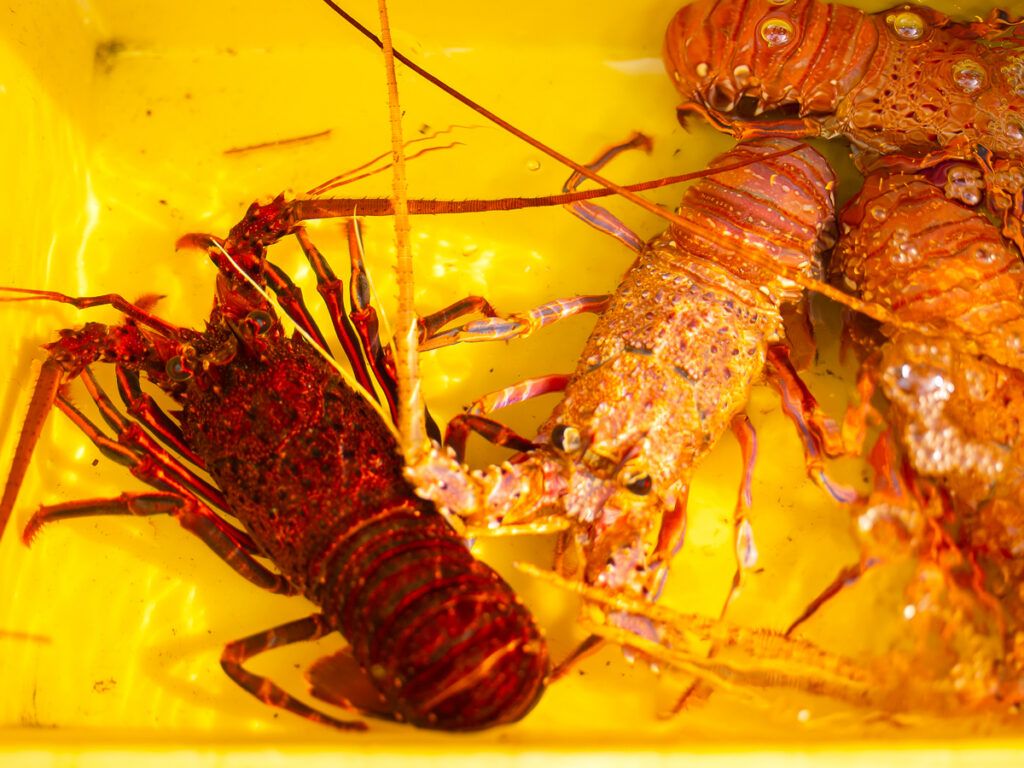
Interested in bringing home some very fresh seafood? The TSA does allow live lobsters to pass through security, but an officer will inspect the crustacean and its container, which must be spillproof but can be filled with any amount of water (even if it exceeds 3.4 ounces). Keep in mind that the rules of the specific airline you’re traveling with may vary, and this will be easier aboard a domestic flight, as many international customs agents may not permit live animals to enter the country.
Read more: Surprising Things You Can — and Can’t — Bring Through TSA Airport Security
Your Jar of Peanut Butter Counts as a Liquid

The TSA is famously pretty strict when it comes to liquids, but you might be surprised to learn that some of your favorite spreadable and scoopable foods fall under the liquids category, too. This includes cream cheese, jams and jellies, peanut butter, yogurt, ice cream, and even wet pet food. (If you bring an already-made PB&J sandwich, that counts as a solid food, but if you’re bringing a separate container of jelly or peanut butter, that would be considered a liquid.)
Read more: Flying With Food: What You Can and Can’t Bring
You Can Bring a Full Water Bottle — With a Catch

You’re probably used to tossing your beverage or emptying your refillable water bottle at the checkpoint, but when it comes to TSA liquid rules, there’s an important caveat. The rule applies only if the water is in liquid form, so frozen water bottles are 100% permitted. Technically, this applies to more than just water; you can also freeze bottles of soda or even skin care products — as long as the liquid is still frozen solid when you go through security, it’s permitted.
Read more: The Simple Hack for Bringing Water Through TSA Security
Some Household Items Are Now Banned

Planning to pack personal beauty products for your next getaway? While certain products pose little to no risk in the comfort of your own home, they can be a potential problem when stowed inside your checked luggage. In 2025, the TSA announced a new ban on any “cordless curling irons containing a gas cartridge,” along with “butane-fueled curling irons.” Cordless flat irons are also subject to this same rule. However, the ban applies only to checked luggage, so you’re permitted to travel with these types of irons inside your carry-on bag.
With the recent uptick in incidents caused by battery fires, the TSA has also banned portable chargers, power banks, and cellphone battery charging cases that contain lithium-ion batteries in checked luggage. This rule applies to spare external lithium batteries, too.
Read more: The TSA Recently Banned These Common Items From Checked Bags
Travelers May Still Have To Remove Their Shoes

The TSA made a lot of buzz last year by eliminating its 20-year-old rule requiring airline passengers to remove their shoes at security checkpoints. However, the type of footwear you sport may mean you have to take off your shoes anyway. There’s a potential issue in wearing shoes made from bulky material, such as thick hiking or work boots, as dense materials can obscure body scanners. Despite the recent rule change, officers are still within their rights to request that travelers remove their shoes for additional screening.
Read more: Why Some Shoes Still Set Off TSA Scanners
A Yawn Could Get You Flagged for Additional Screening
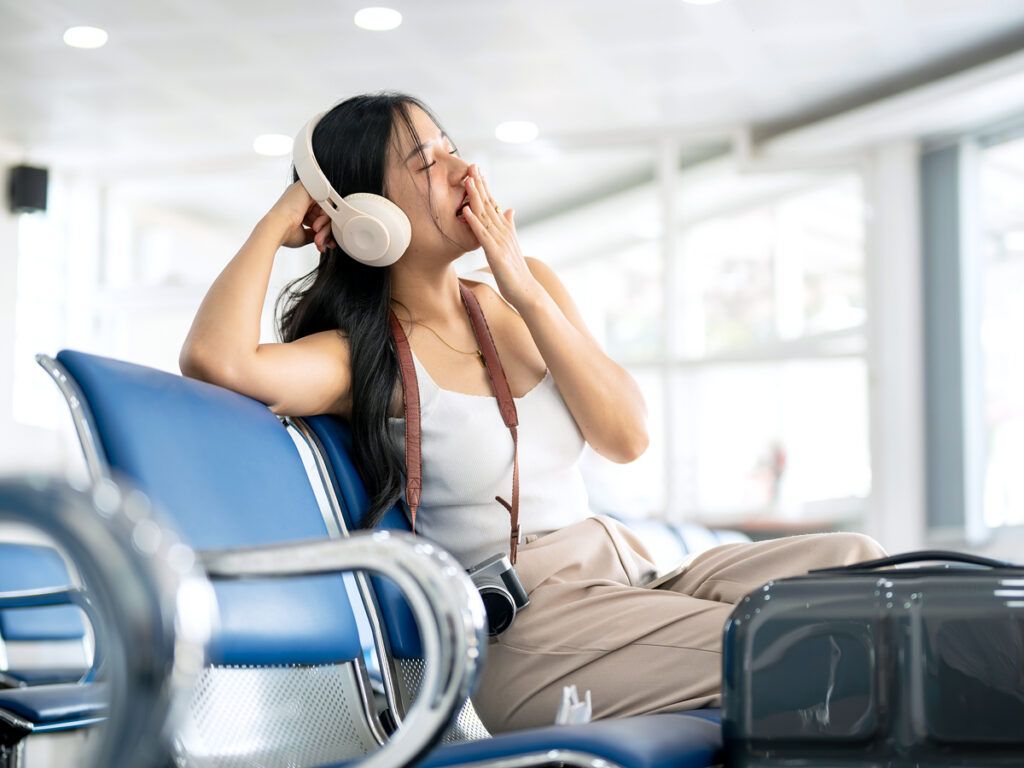
TSA officers are trained through the SPOT (Screening of Passengers by Observation Techniques) program, which uses a list of behaviors that could indicate high levels of stress, fear, or deception. On that list are common human behaviors such as yawning, rapid blinking, gulping, skin flushing, coughing, throat clearing, and leg shaking, all of which are considered stress indicators that can draw scrutiny from security officers and lead to secondary screening measures.
Read more: 5 Behaviors That Can Trigger Secondary TSA Screening
Fines for Prohibited Items Can Exceed $17,000
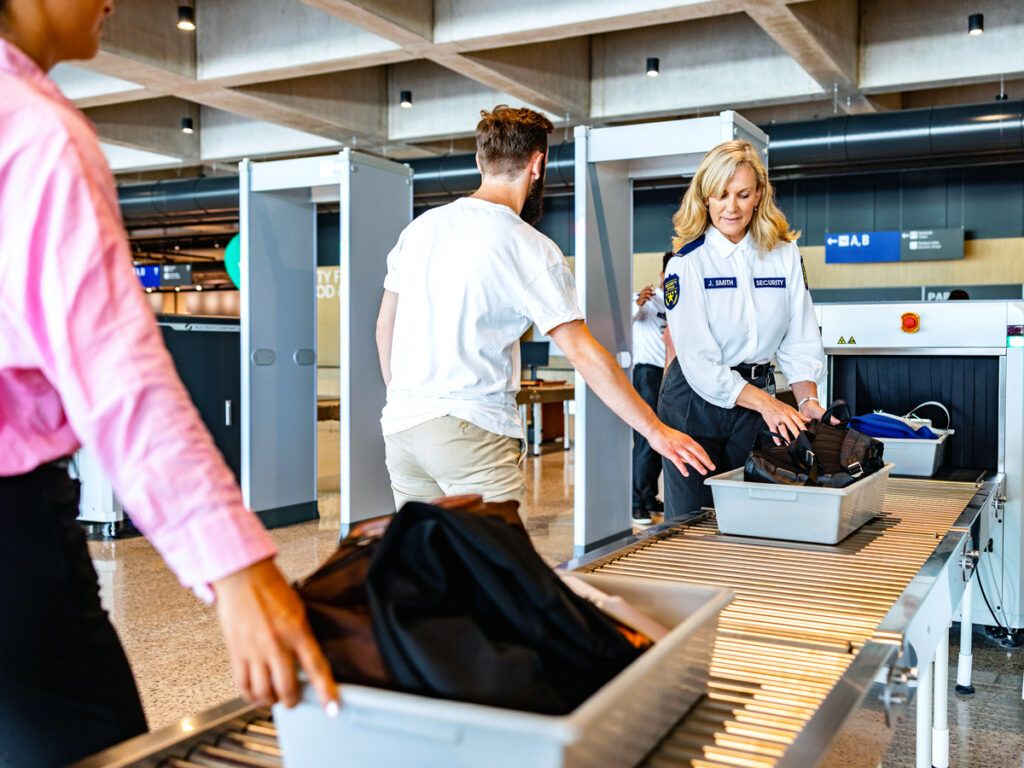
If TSA officers believe someone may be trying to conceal a prohibited item or circumvent security, civil penalties can come into play. These fines can be steep: In carry-on or checked luggage, flammable liquids and weaponlike devices such as BB guns or hatchets carry a penalty of up to around $2,500, for example. TSA guidelines show that unloaded firearms can carry a minimum fine of $1,500, while loaded firearms (or unloaded with accessible ammunition) can result in penalties exceeding $17,000 for repeat violations.
Read more: What Happens if You Lie to a TSA Officer?
You Don’t Always Need a Boarding Pass To Get Past TSA
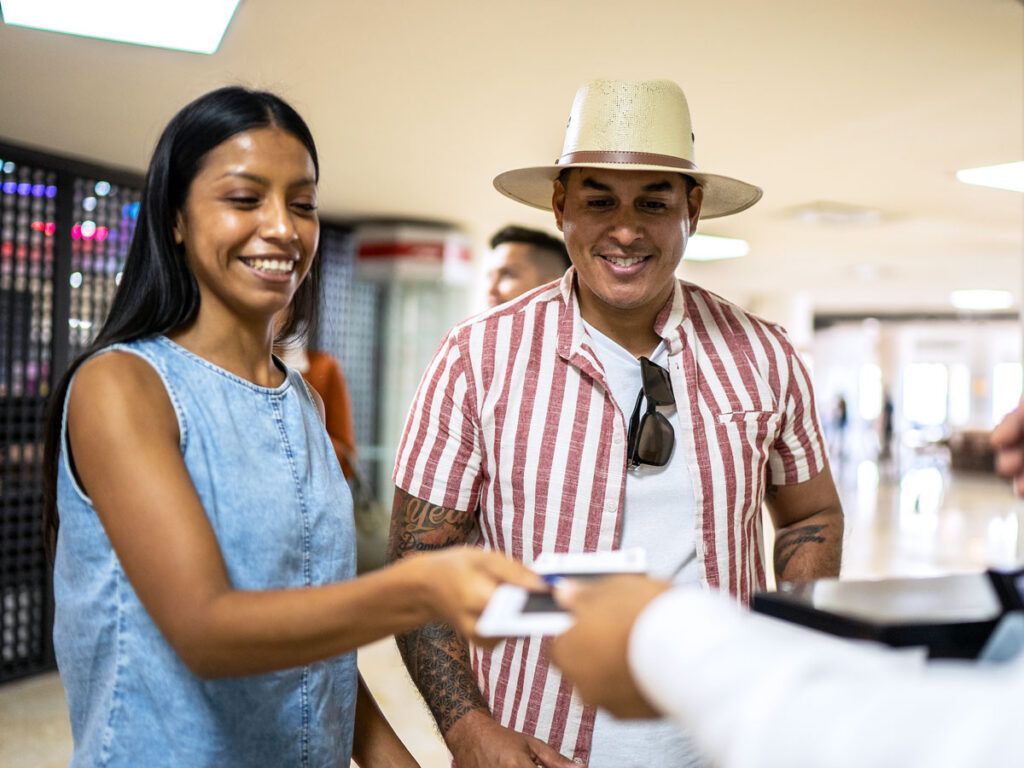
Remember what flying was like in the pre-TSA era? Before the agency was formed in late 2001, you probably walked loved ones through security and right up to the gate before wishing them a fond farewell — and then heading right back out the exit. But as airport security measures tightened after the 9/11 attacks, this practice of letting nonpassengers beyond the security checkpoint largely became a thing of the past. Recently, that has begun to change.
There are now over a dozen airports around the U.S. that permit nonticketed individuals to apply for a visitor pass. You can apply for these one-day passes online, generally as far out as seven days before your planned date of visit. The process differs slightly at each airport — some may allow you to apply same-day, while others require you to apply in advance.
Read more: Some Airports Are Now Letting Nonpassengers Past TSA
More from our network
Daily Passport is part of Inbox Studio, an email-first media company. *Indicates a third-party property.