





5 Foreign Foods That Are Banned in the U.S.
5 Foreign Foods That Are Banned in the U.S.

You’re probably aware of commonly flagged items at the airport, such as pocket knives, power banks, lithium batteries, gels, and liquids. But did you know that certain foods are banned as well? If you’re traveling abroad and trying a local delicacy, you may be inclined to take it home, but some food products may land you in hot water with customs agents — even if they’re safely packed in your checked bag. Here are five banned foods in the U.S. that may surprise you.
Fresh, Unripened Ackee
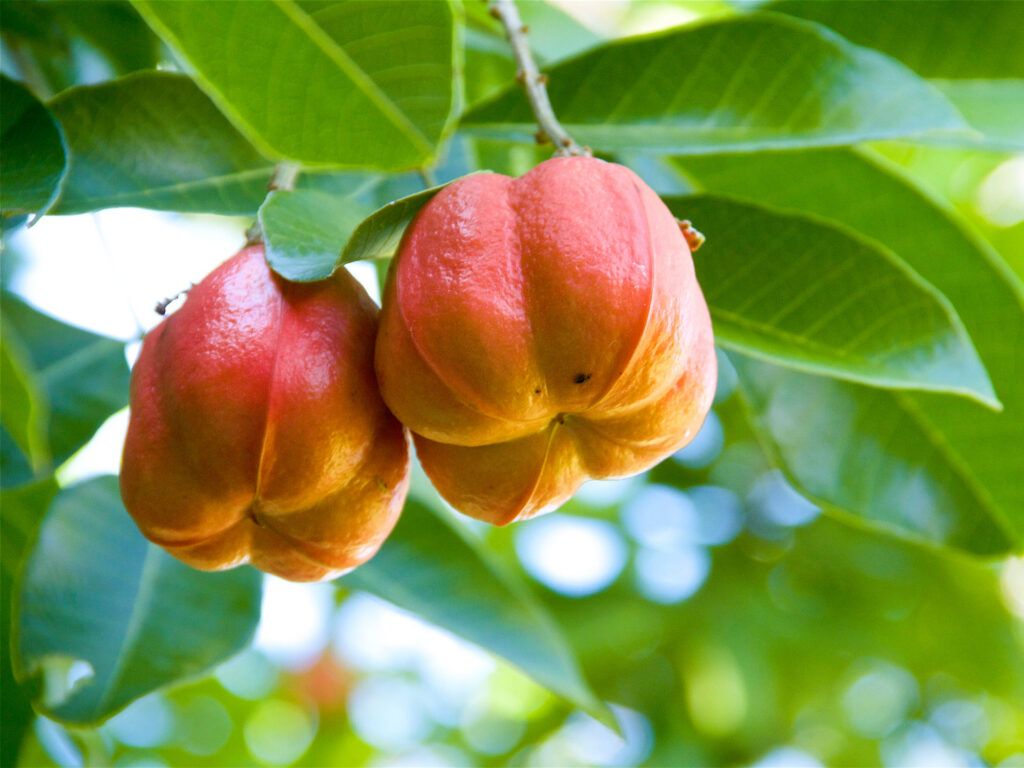
A pear-shaped tropical fruit native to West Africa, the ackee is the national fruit of Jamaica; however, you won’t find it in your local supermarket. When unripe, it contains toxic levels of hypoglycin A, an amino acid that can cause severe low blood sugar (hypoglycemia). Eating the unripe fruit causes Jamaican vomiting sickness, also known as toxic hypoglycemic syndrome, so fresh ackee is prohibited by the U.S. Food and Drug Administration (FDA). But if you are curious about the taste, canned ackee from FDA-approved companies is completely safe and available for consumption in the U.S.
Kinder Surprise Eggs
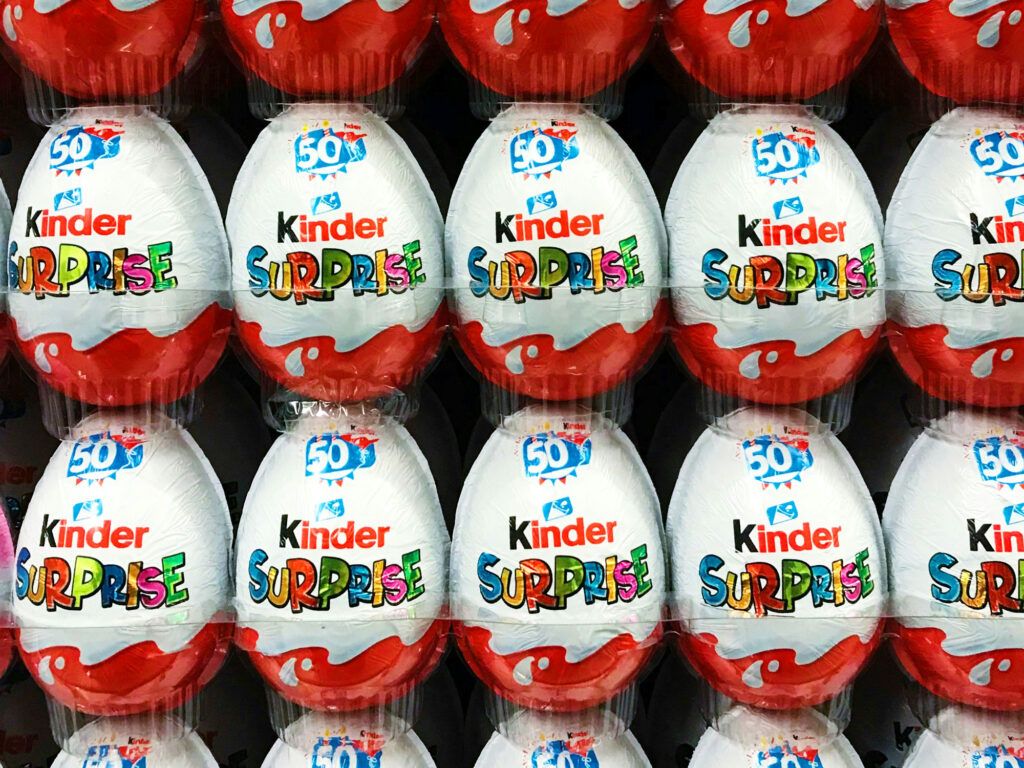
These chocolate eggs are beloved in Europe, Canada, parts of Asia, and most of Latin America, but you won’t find them on shelves in the U.S. The popular chocolate cream eggs were deemed a choking hazard. Enacted in 1938, the Federal Food, Drug, and Cosmetic Act bans (among other regulations) confectionery products that contain a completely nonnutritive, nonedible object embedded inside. In 2017, however, manufacturers introduced a legal version of the treat called Kinder Joy, in which the toy and the chocolate egg are separate and visible in the packaging.
Casu Marzu
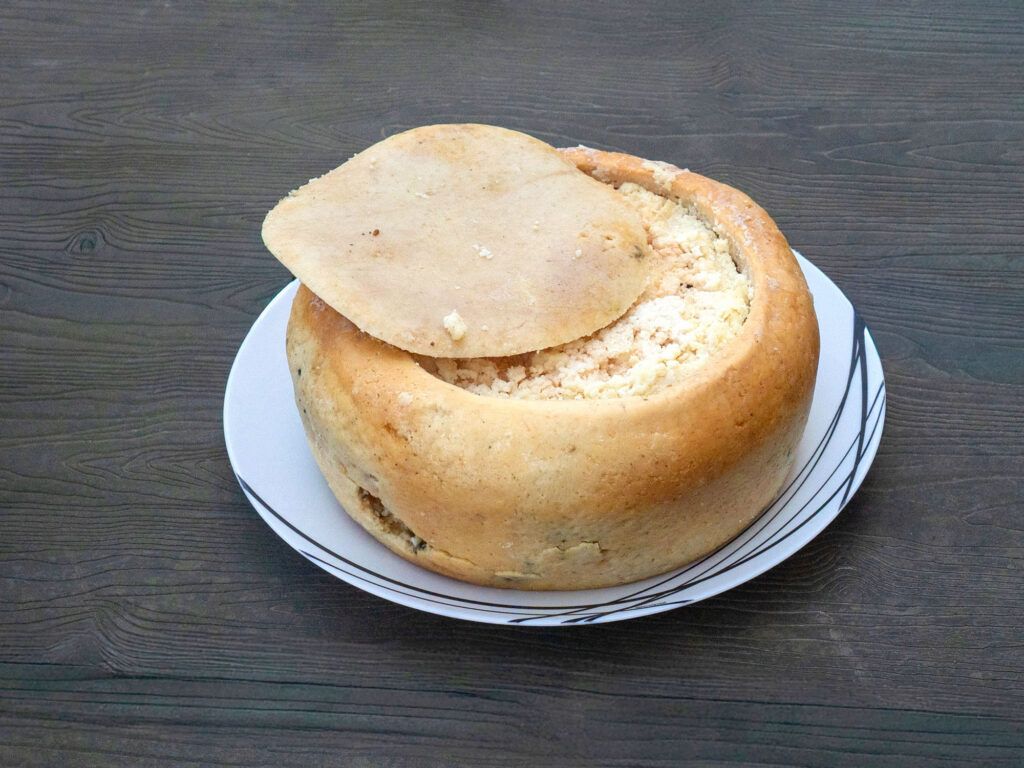
If you’ve ever visited the Italian island of Sardinia, you may have been brave enough to sample casu marzu, a Sardinian sheep milk cheese that contains live fly maggots. But if not, we can’t say we blame you. Of course, you can’t take this exotic cheese home, for obvious reasons. As the cheese contains live insect larvae that violate numerous food hygiene laws, many authorities have deemed it a health hazard, noting it can cause intense abdominal distress.
The U.S. isn’t the only country that has banned casu marzu. Although it’s a registered traditional product of Sardinia, the Italian government declared the cheese officially illegal in 1962. According to Italian law, anyone who sells it could face a fine of up to 50,000 euros.
Haggis
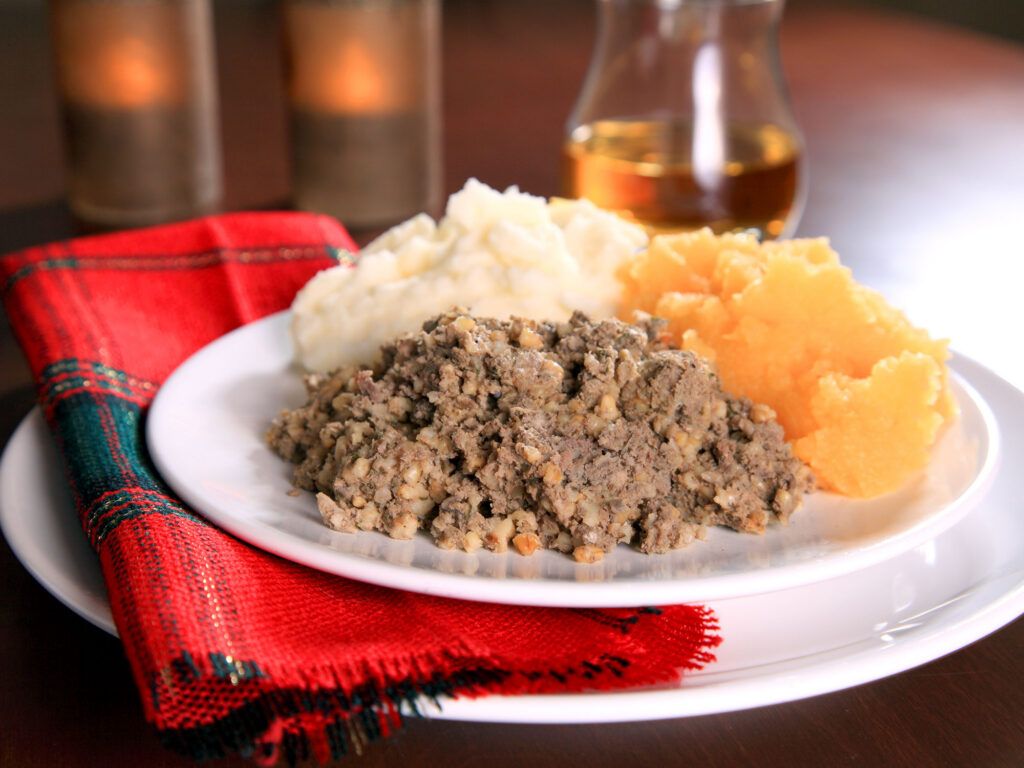
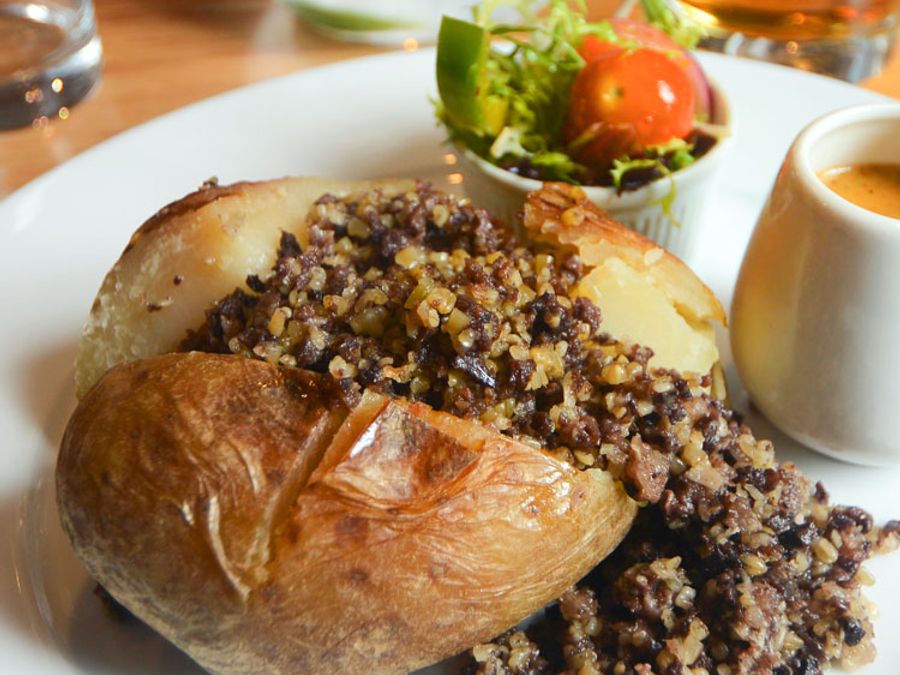
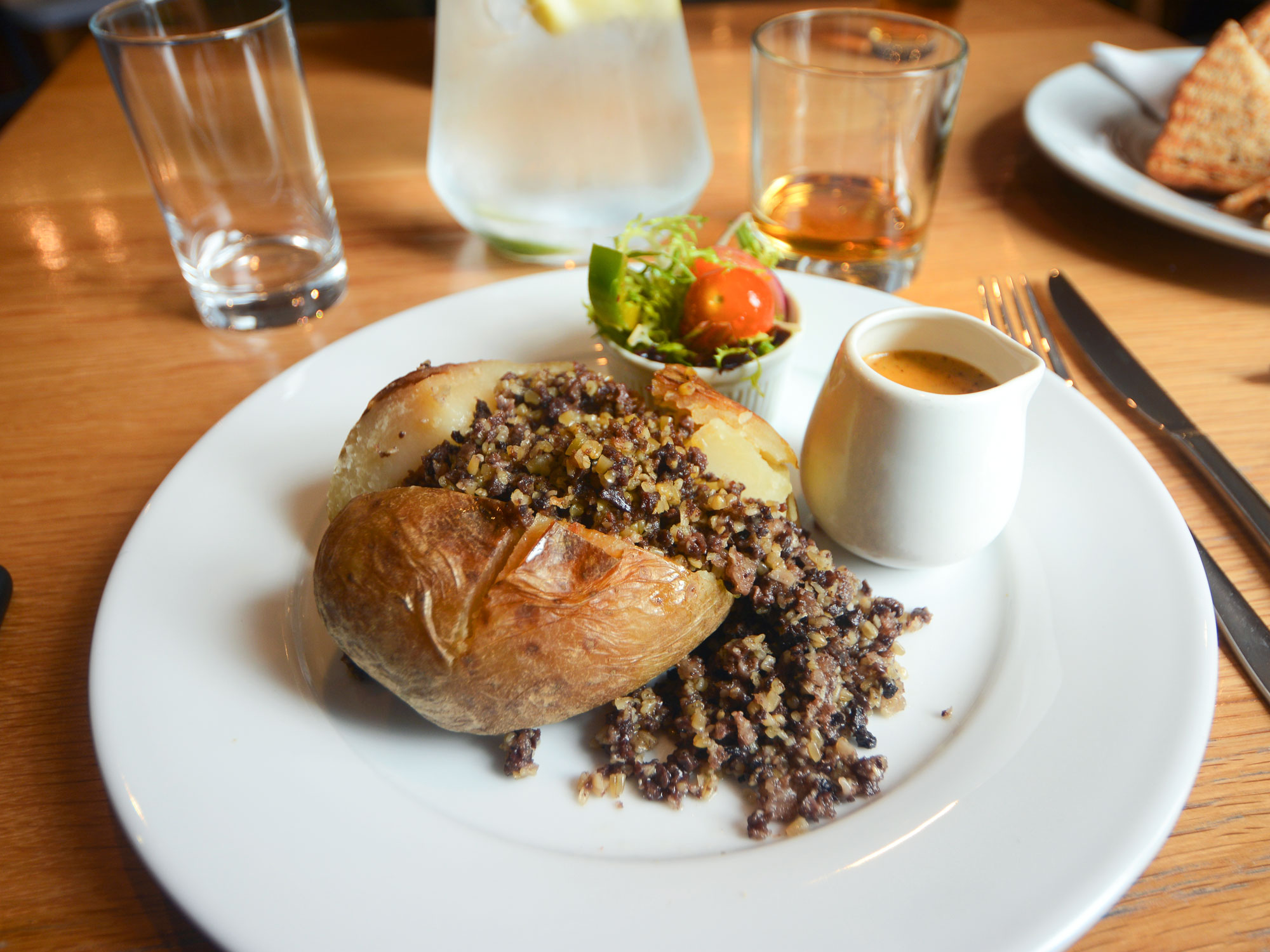
Banned since 1971, authentic Scottish haggis contains sheep lungs, which the U.S. has prohibited for human consumption due to sanitation and slaughterhouse safety rules. Traditional Scottish haggis is a savory pudding made from a sheep’s pluck (heart, liver, and lungs) and minced with onion, oatmeal, suet (sheep’s fat), spices, and stock. It is traditionally boiled inside the dead animal’s stomach. However, modified versions of haggis without the use of sheep’s lungs can be purchased legally in North America.
Beluga Caviar
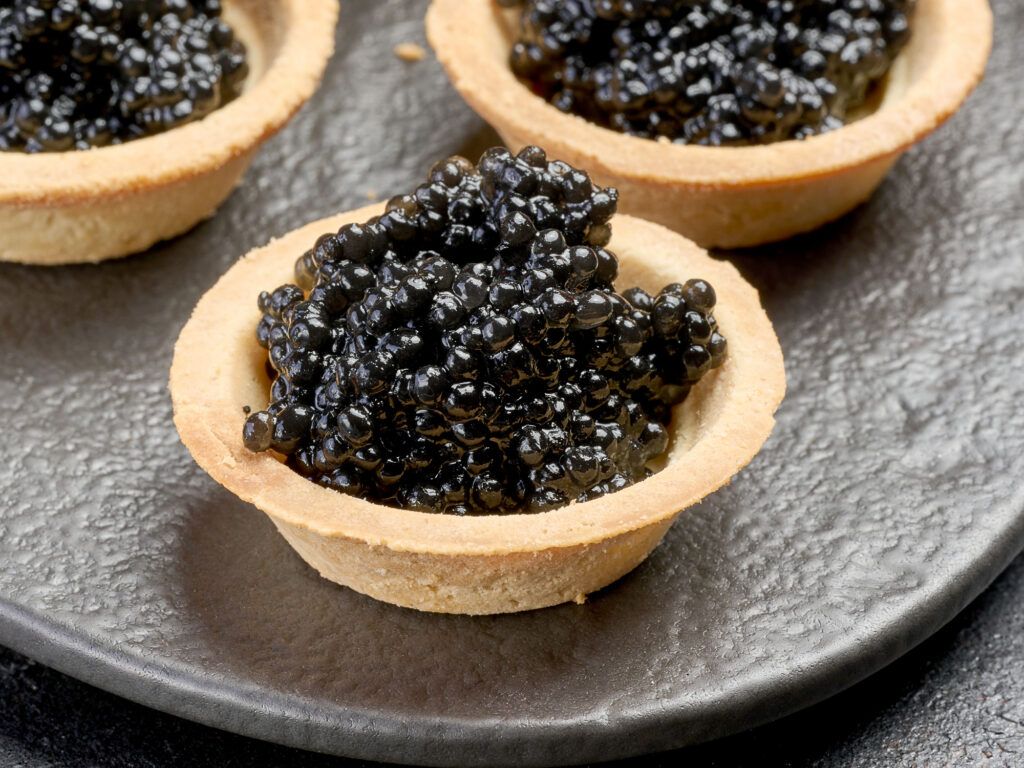
In 2005, the U.S. Fish and Wildlife Service (FWS) banned true beluga caviar imported from wild sturgeon in the Caspian and Black Sea basins in order to protect the species from extinction. Previously, the food was a popular delicacy — according to the National Wildlife Federation, American consumers once bought 60% of all exported beluga caviar. However, overfishing and illegal poaching caused a 90% decline in wild populations, so the FWS decided to act.
If you are still in search of the food domestically, a single facility in Bascom, Florida, called Sturgeon Aquafarms holds a special permit to farm and sell beluga caviar from harvested eggs, along with other variations such as Siberian, sevruga, osetra, and kaluga caviar.
More from our network
Daily Passport is part of Inbox Studio, an email-first media company. *Indicates a third-party property.