

5 of the Best Places in the U.S. for an RV Vacation
5 of the Best Places in the U.S. for an RV Vacation
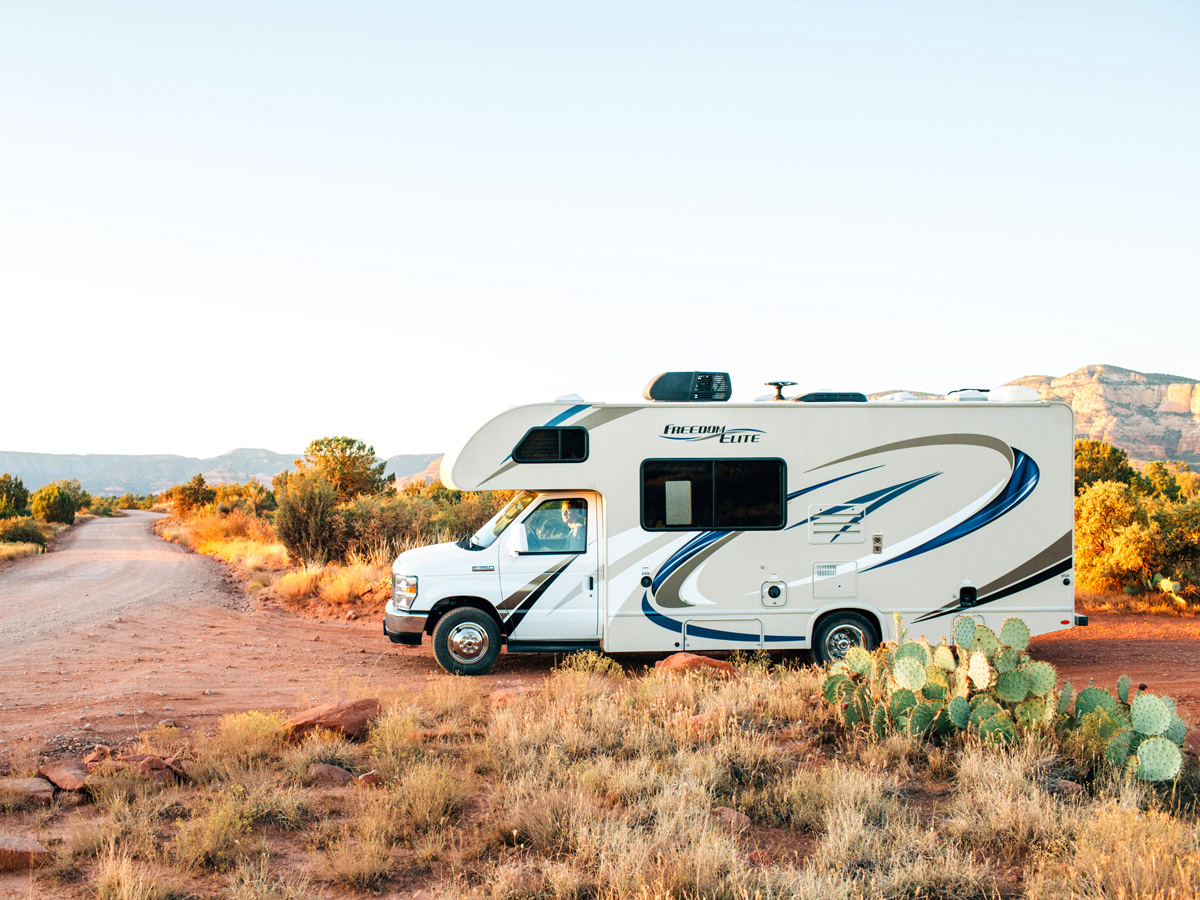
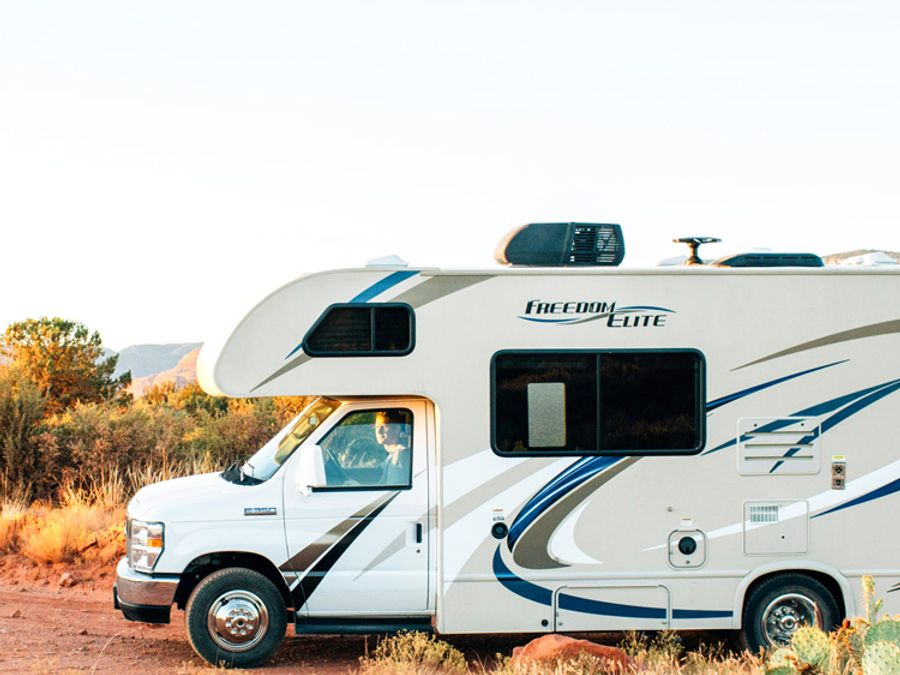
One of the best things about traveling by RV is having the freedom to explore at your own pace. There’s no packing up and changing hotels every night — you can spend a few days by the coast, head into the mountains, or take a road trip through a bunch of small towns, with everything you need on wheels. Here are five great places in the U.S. to explore by RV, along with a few tips to help you plan your trip.
Arizona and Utah’s Red Rock Loop
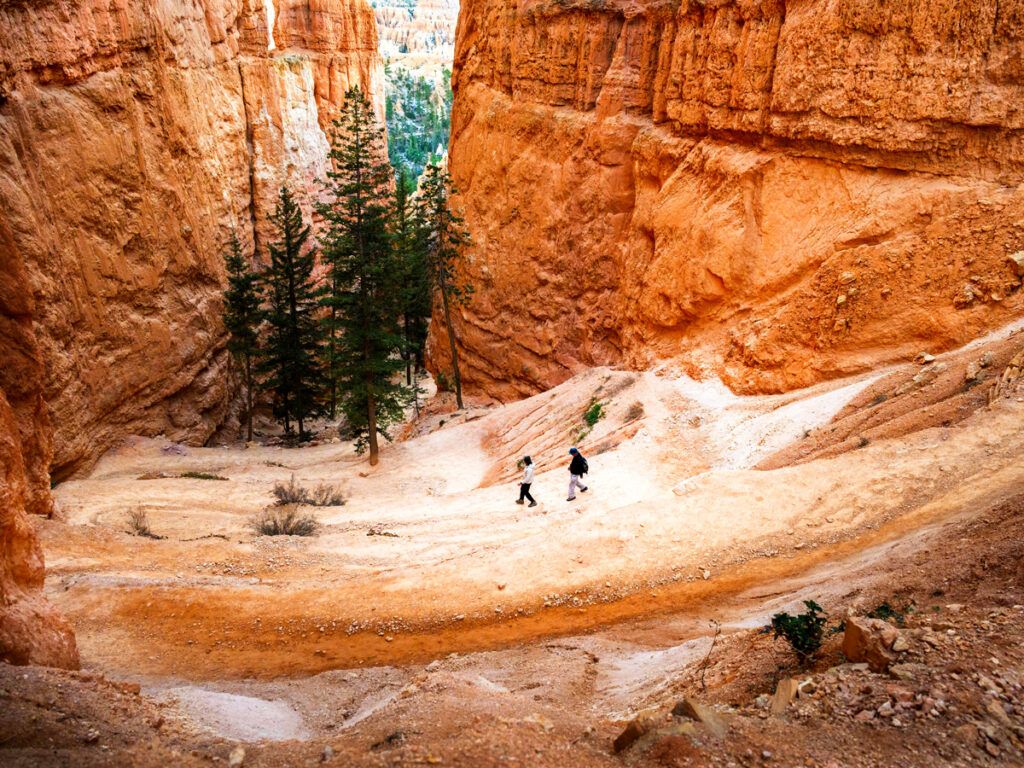
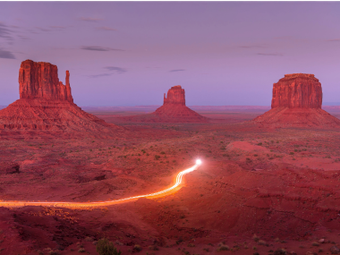
For an RV trip filled with dramatic scenery, it’s hard to beat a loop through Arizona and southern Utah. Starting in Las Vegas, the route can include Zion and Bryce Canyon national parks, Horseshoe Bend in Glen Canyon National Recreation Area, Monument Valley Navajo Tribal Park, and Sedona’s striking red rock formations.
This route is ideal for RV travel because you can spread the journey over 10 to 14 days, stay several nights near major attractions, and choose between RV parks or more basic campgrounds. Each stop offers a different landscape, from towering sandstone cliffs to desert valleys, so the trip feels varied — without requiring flights or frequent hotel changes. If you have even more time, you can extend to the South Rim of Grand Canyon National Park.
RV tip: The smaller the RV, the more access you’ll get. Zion’s famous Zion-Mount Carmel Tunnel has vehicle size restrictions, and oversized vehicles may need an escort or may not be permitted. A smaller vehicle is also easier to navigate on narrow roads and park at busy viewpoints.
Historic Route 66
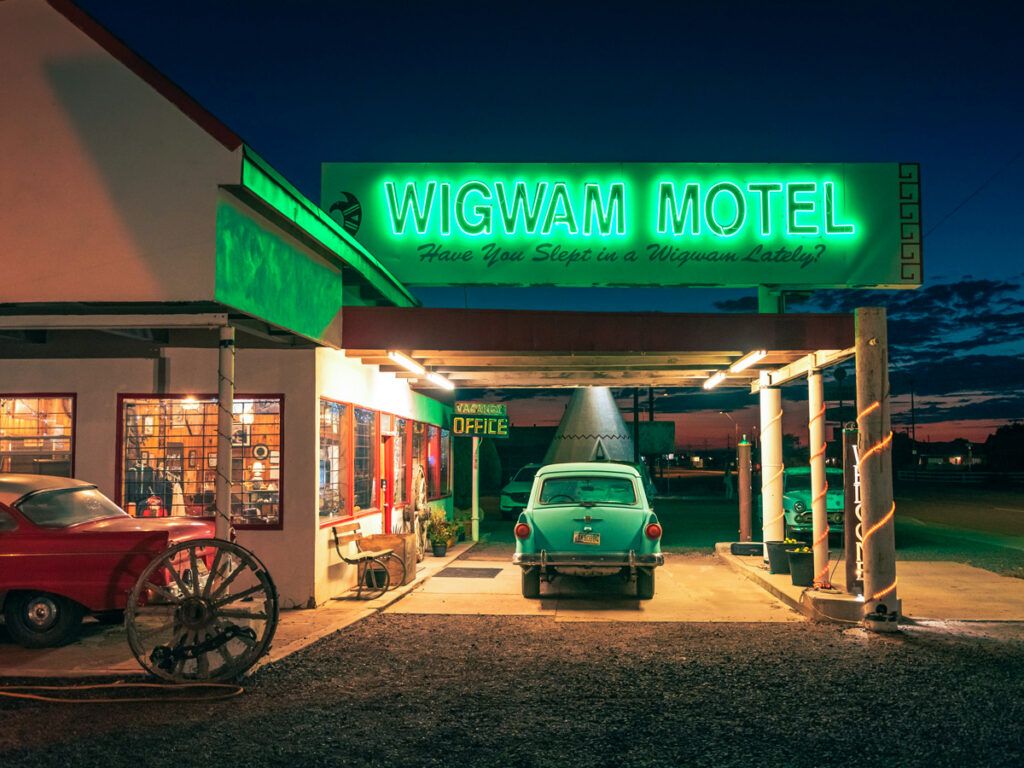
Route 66 is all about quirky roadside attractions, small towns, and classic American diners. Stretching roughly 2,400 miles across eight states, from Chicago to Santa Monica, California, the historic route passes everything from Route 66 murals in Pontiac, Illinois, to the Cadillac Ranch art installation with half-buried cars near Amarillo, Texas, to Arizona’s colorful Wigwam Motel.
With plenty of small towns, campgrounds, and places to restock supplies, it’s an excellent cross-country route for RV travel. You can tackle the entire route or pick one or two sections, spending extra nights wherever you find something worth exploring. Arizona is a particularly scenic section; don’t miss Petrified Forest National Park.
RV tip: Allow time for detours, since some original stretches of Route 66 are slower or less accommodating for larger camper vans than nearby interstates. Also check height and length restrictions before visiting historic bridges and roadside attractions, and reserve campsites ahead during peak travel season.
The Florida Keys
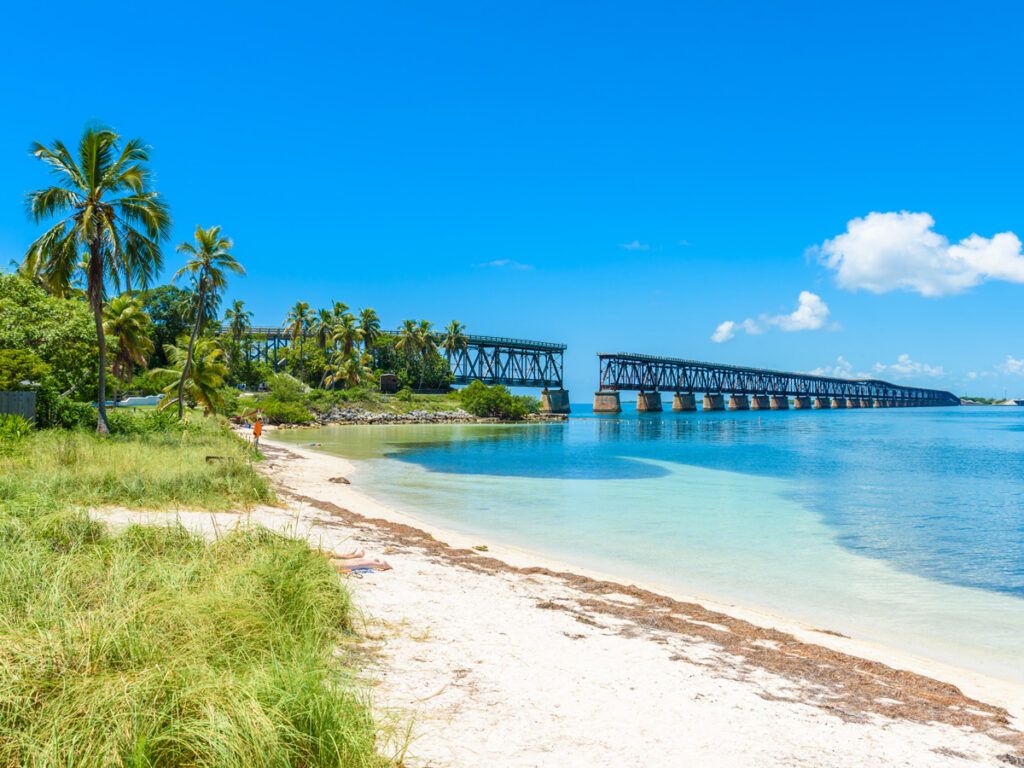
Few American road trips take you across so many islands in such a short distance. The Florida Keys are linked by the Overseas Highway, a 113-mile route that crosses turquoise waters, mangrove islands, and long bridges on the way from mainland Florida to Key West. Along the way, you can stop for snorkeling or kayaking, visit waterfront seafood spots, or explore laid-back communities such as Islamorada and Marathon.
An RV makes it easy to take your time and spend a few nights in different parts of the Keys, instead of rushing straight to Key West. Campgrounds range from simple waterfront sites to RV parks with full hookups (electricity, water, and sewer connections). Bahia Honda State Park is a highlight for its sandy beaches, snorkeling, and views of the historic railway bridge.
RV tip: Campsites are limited and especially popular in winter and spring, so book well ahead. Check vehicle length restrictions carefully, as not every campground can accommodate larger motorhomes or trailers.
Big Sur, California
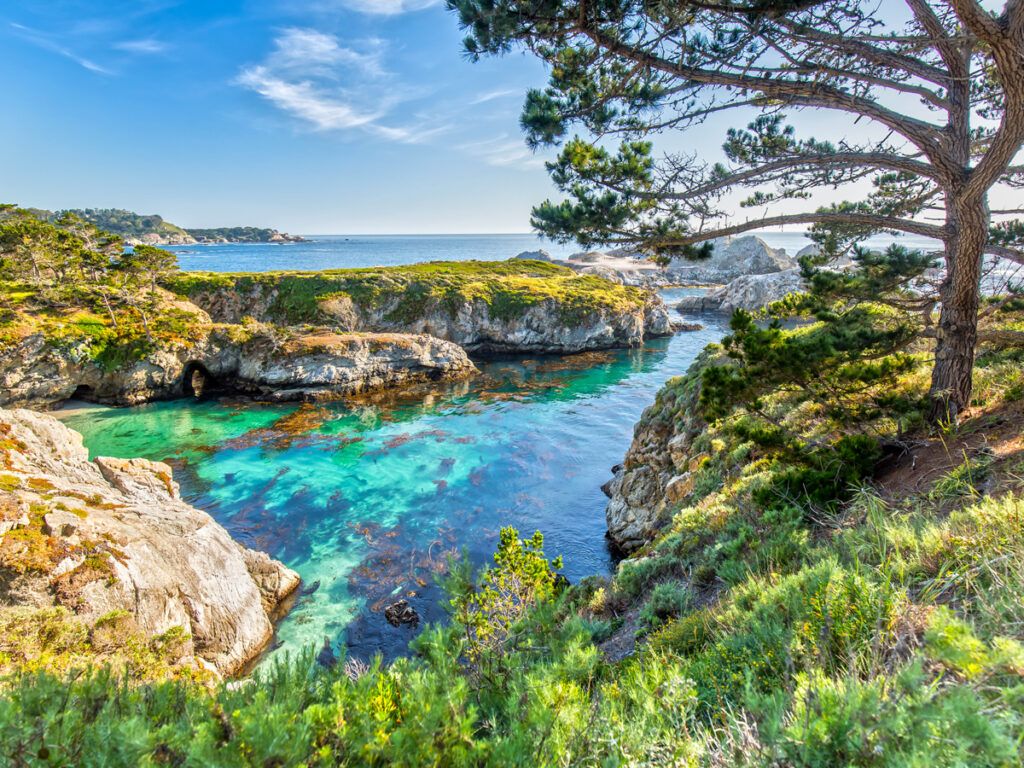
Not every RV trip comes with views like Big Sur, where the Santa Lucia Mountains drop dramatically toward the Pacific along California’s central coast. Along the way, stop at the much-photographed Bixby Creek Bridge and Point Lobos State Natural Reserve to walk among rocky coves and Monterey cypress trees. The trails through redwood groves at Pfeiffer Big Sur State Park are another worthwhile stop.
Big Sur can be done in a day, but it’s worth it to slow down and spend a few nights in the area to enjoy the scenery and explore at a relaxed pace. Campgrounds and RV parks offer a mix of forest settings and ocean access, although full hookups are limited.
RV tip: Big Sur has no major urban center nearby, and much of its coastline remains undeveloped. Road closures are also frequent, though Highway 1 fully reopened in September 2026.
Michigan’s Upper Peninsula
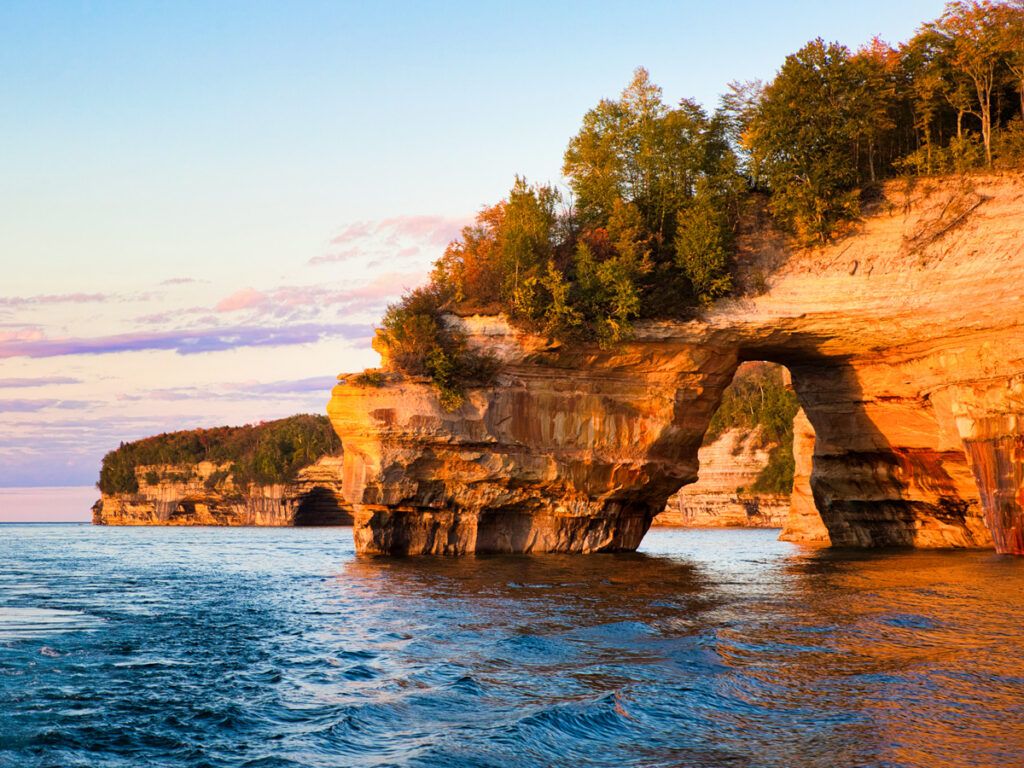
Michigan’s Upper Peninsula is ideal for an RV trip if you enjoy outdoor adventures and don’t mind long stretches of driving. The region has forests, waterfalls, freshwater beaches, and miles of Lake Superior shoreline, with plenty of opportunities for hiking, kayaking, and camping. An RV allows you to stop in different areas and cover more ground, rather than returning to the same hotel each night.
Munising is a convenient base for visiting Pictured Rocks National Lakeshore, before continuing toward Marquette or inland to explore waterfalls and quiet lakes. Campgrounds range from private RV parks with modern amenities to rustic public sites near trails and the water. Some campgrounds managed by the National Park Service accommodate RVs but lack electrical and sewer hookups.
RV tip: Attractions are spread out, and fuel stops can be limited in rural areas. Plan overnight stays and fuel stops in advance.
Featured image credit: © Roadpass/Unsplash.com
More from our network
Daily Passport is part of Inbox Studio, an email-first media company. *Indicates a third-party property.