





What’s the Difference Between an Airline Captain and First Officer?
What’s the Difference Between an Airline Captain and First Officer?

In the early days of commercial aviation, flights had crews that consisted of a captain, first officer, navigator, flight engineer, and radio operator. Advances in aircraft technology gradually reduced the number of crew members needed, however, and today most commercial flights are operated by two pilots: the captain and the first officer. Longer services may include additional relief pilots, but two people handle the main flying duties in the cockpit. Have you ever boarded a plane and wondered what sets them apart? Here’s a look at the roles and responsibilities of captains versus first officers.
The Role of the Airline Captain
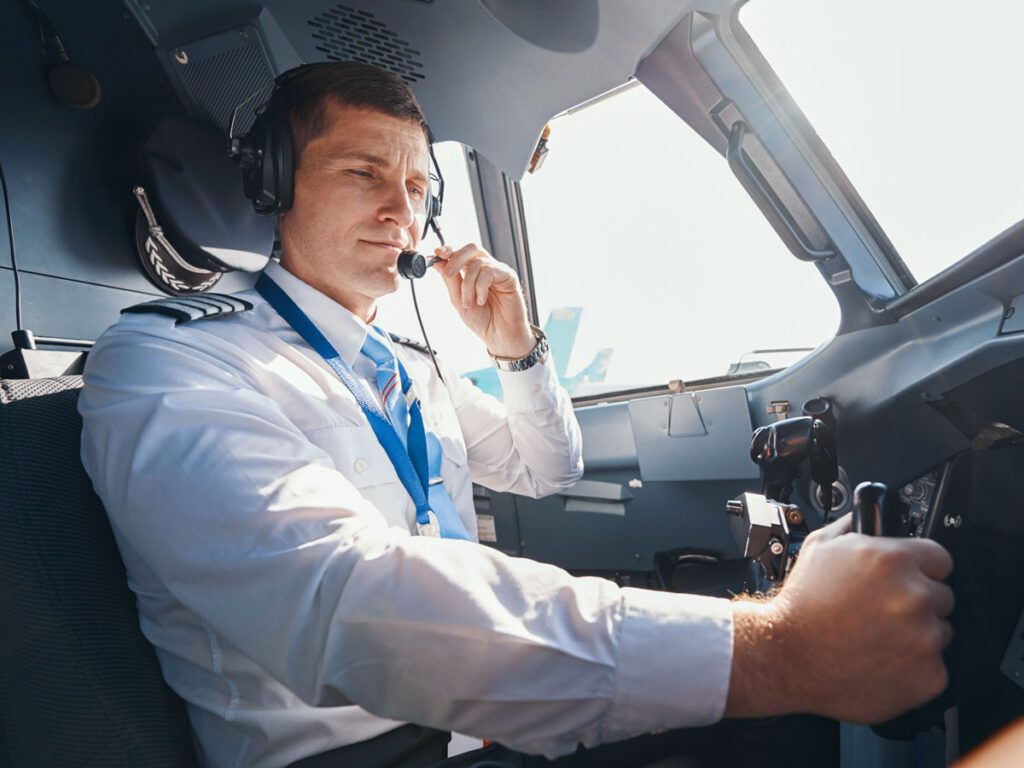
The captain is the pilot in command, with final authority over the flight and responsibility for the safety of the aircraft, crew, and passengers. Their job begins long before takeoff as they review flight plans, fuel requirements, weather conditions, and other operational concerns. They also brief the first officer and cabin crew prior to departure.
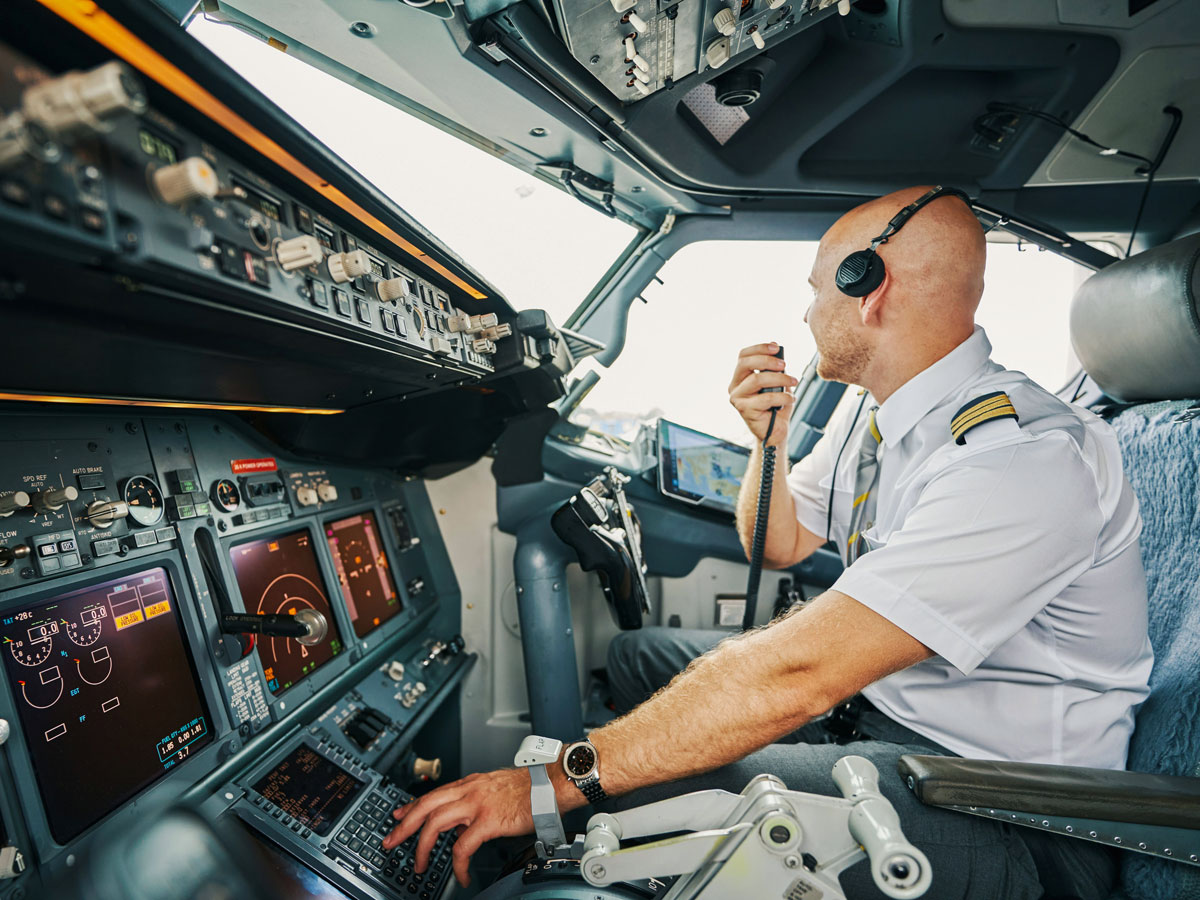
Both the captain and first officer are fully qualified to fly the plane and share many responsibilities. Before each flight, they decide who will be the pilot flying — the one at the controls of the aircraft, performing the takeoff and landing and setting the autopilot during cruise. The other person acts as the pilot monitoring, who keeps track of the aircraft’s systems, handles radio communications with air traffic control, and completes flight records.
Captains and first officers often switch roles for the inbound and outbound legs of a trip assignment. On especially long routes, they may rotate several times and be replaced with relief pilots, which allows them to take breaks and meet minimum rest requirements.
The Role of the First Officer
While the captain is ultimately accountable for the flight, the first officer is second-in-command and qualified to take full responsibility of a plane should the captain become unable to perform their duties.
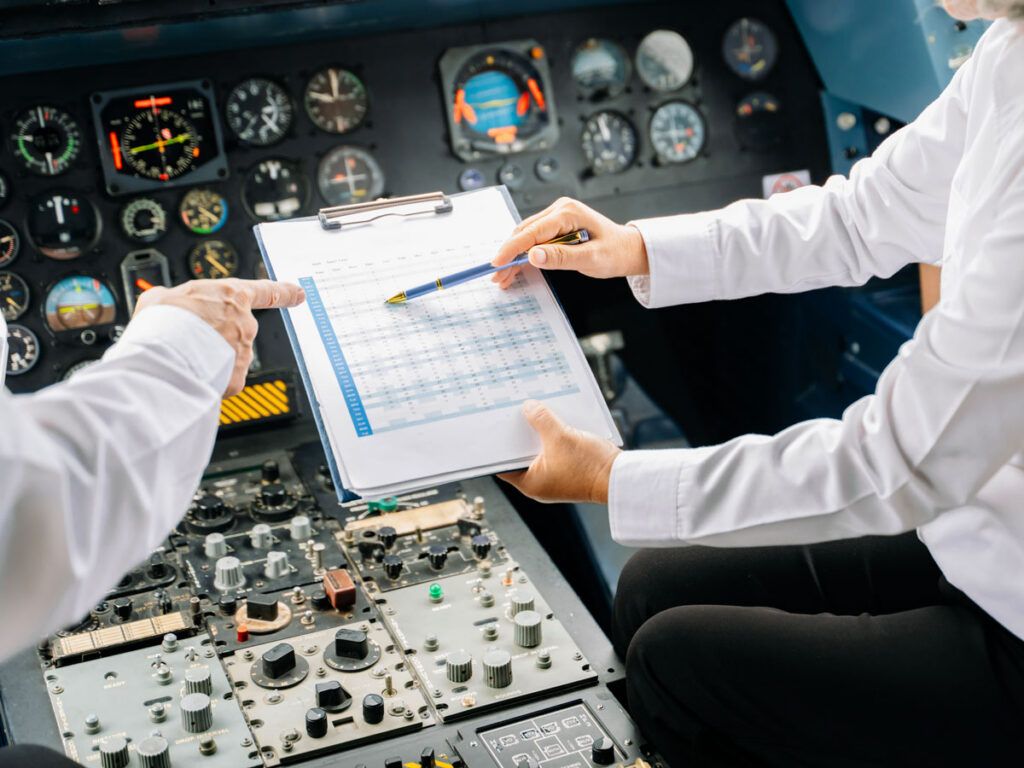
Many of the tasks of a captain and first officer overlap, and the two regularly check each other’s work. The main difference is authority, with the first officer there to support a captain’s decisions and raise any concerns if something doesn’t seem right. Captains typically also have more experience and are compensated more for their role. Think of the captain and alternate captain of a sports team — both contribute to the team’s performance, but one has overall responsibility for leading it.
Seating Arrangements
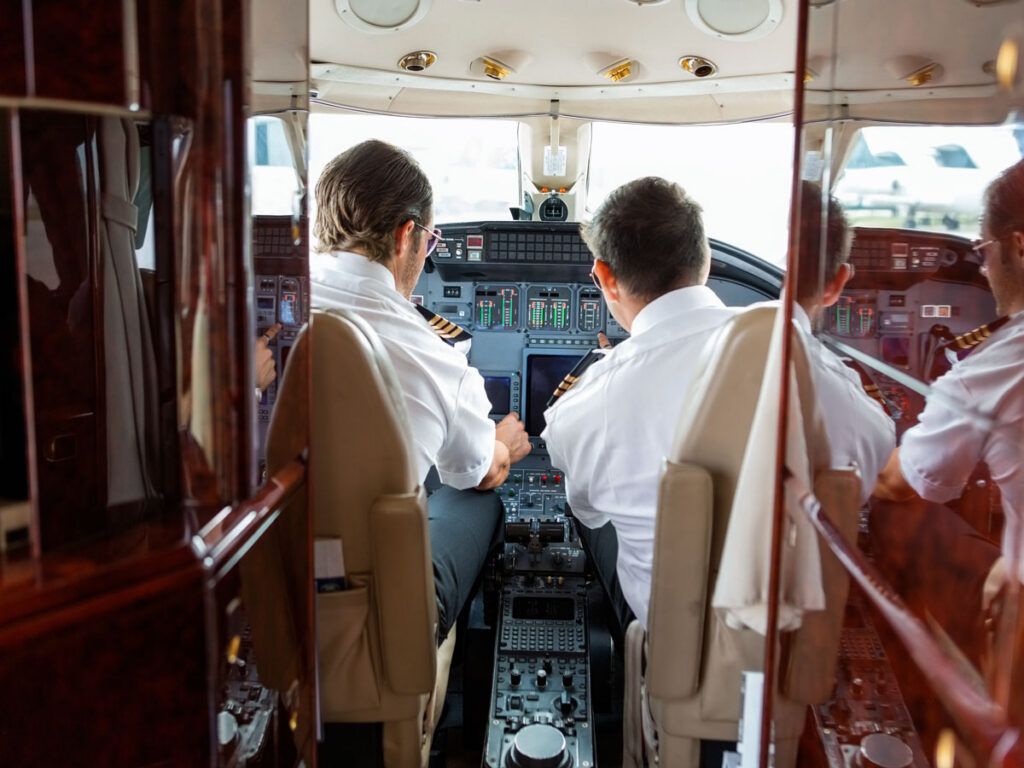
If you peek into an aircraft cockpit before or after a flight, you’ll find the captain sitting on the left and the first officer on the right. This is a long-established convention in commercial aviation, which dates back to propeller-driven aircraft during World War I. The engines created torque that made left-handed turns easier, thus establishing a preference for left-hand circuits and landings.
The cockpit seat has also influenced aircraft parking and boarding procedures. In the past, planes traditionally parked parallel to terminal buildings instead of perpendicular, as is the case today. The captain needed to sit on the side closest to the building to judge space and distances when maneuvering. With the captain on the left, this meant positioning that side of the aircraft against the terminal. (On most planes, captains traditionally taxi the aircraft, even if the first officer does the flying.) Over time, it led to left-side passenger boarding becoming standard.
Uniform Differences
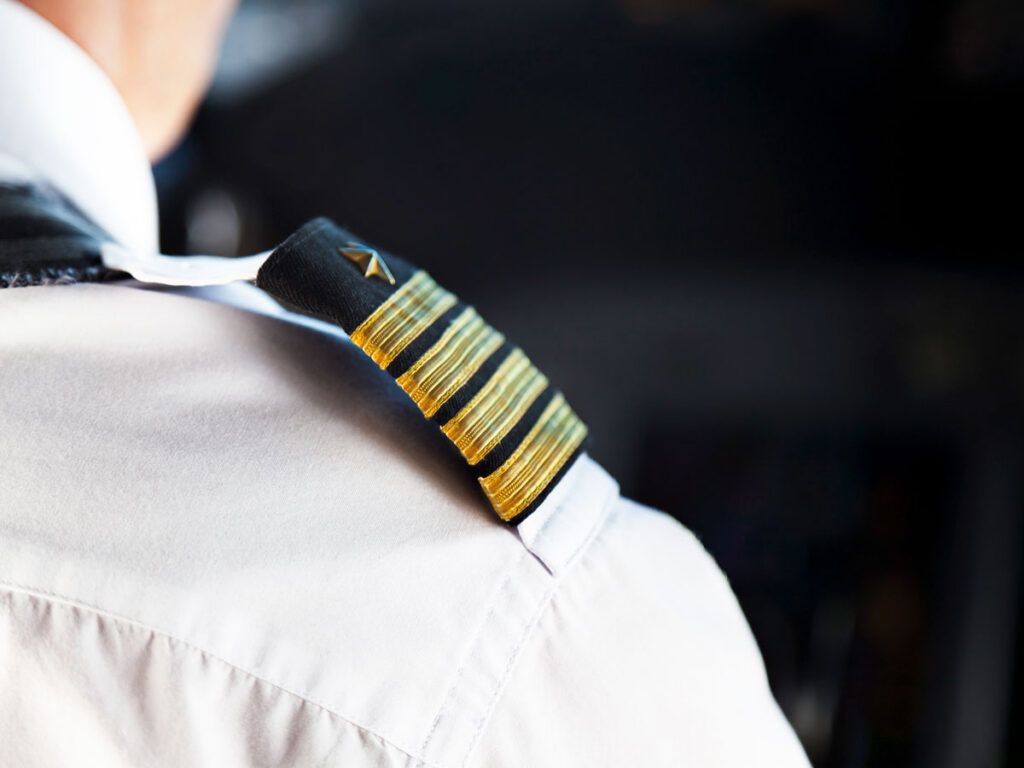
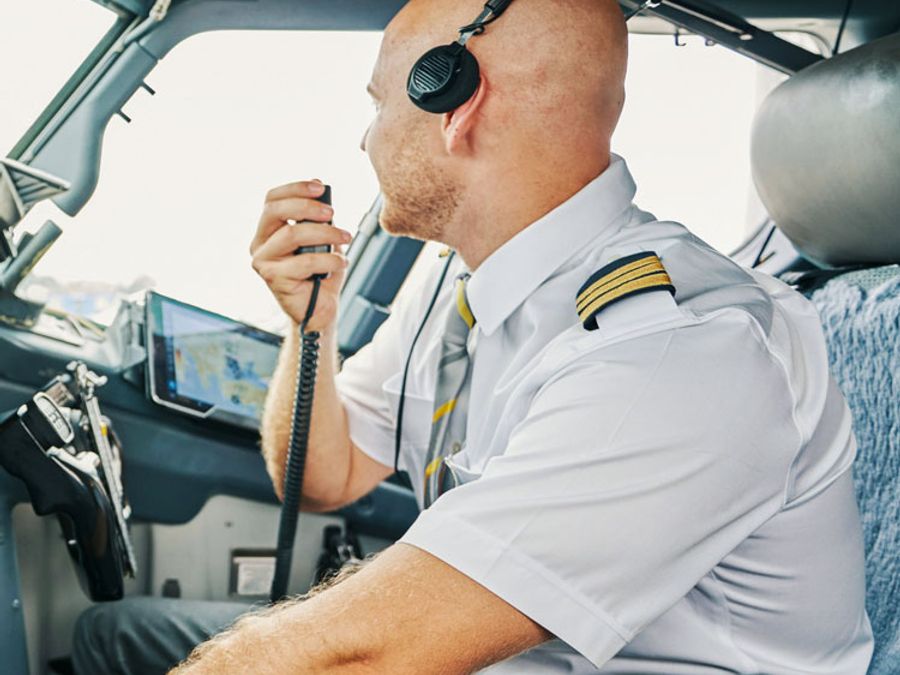
Aside from their seats in the cockpit, there’s one clear difference that makes identifying a captain and first officer easy. Captains have four stripes on their shoulder epaulets and blazers, while first officers have three stripes (or sometimes two for junior first officers or trainees, depending on the airline). Depending on the airline, some captains might also have embroidered leaves on the visor of their cap.
Training Requirements To Become a Captain
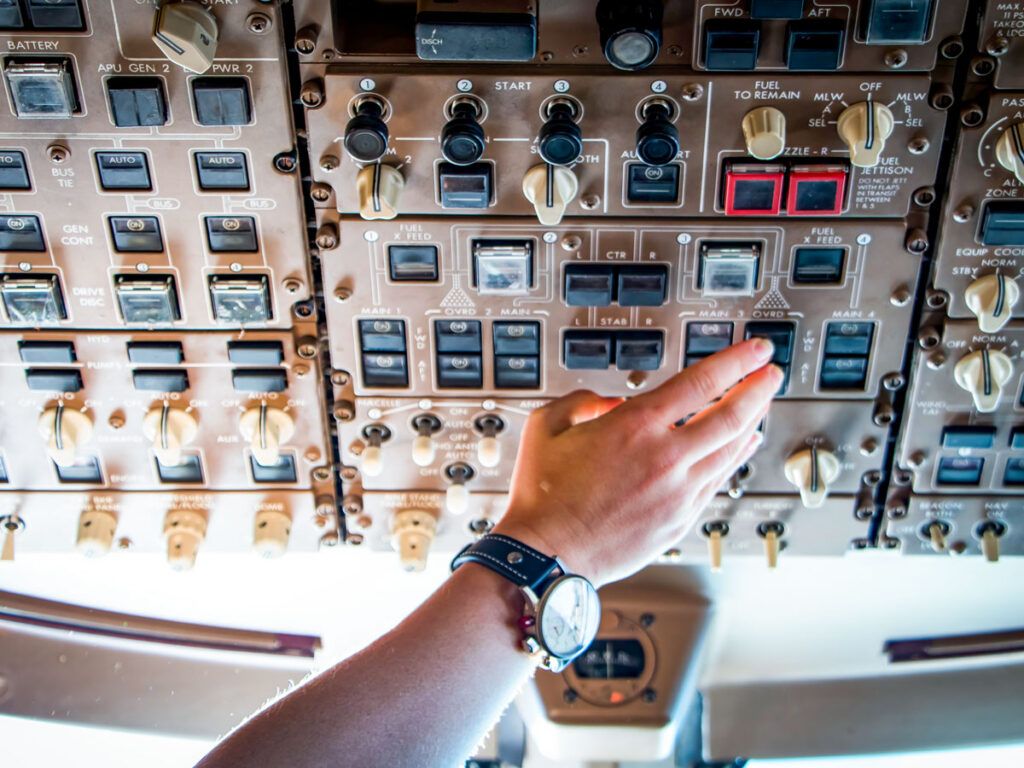
According to the career website Aviation Job Search, both pilots need to possess an Airline Transport Pilot (ATP) license. This is the highest level of pilot certification. To become a first officer in the U.S., a pilot must be at least 23 years old, pass specific medical tests, and complete 1,500 hours of flying time. These hours should include cross-country, night, and instrument flying.
To make the step up to captain, the first officer usually needs to complete around 3,000 hours, although individual airlines and countries have their own requirements. Prospective captains are evaluated on their communication, decision-making, and leadership skills. They also need to meet airline-specific requirements, such as performance assessments and the completion of captain transition training programs.
The Bottom Line
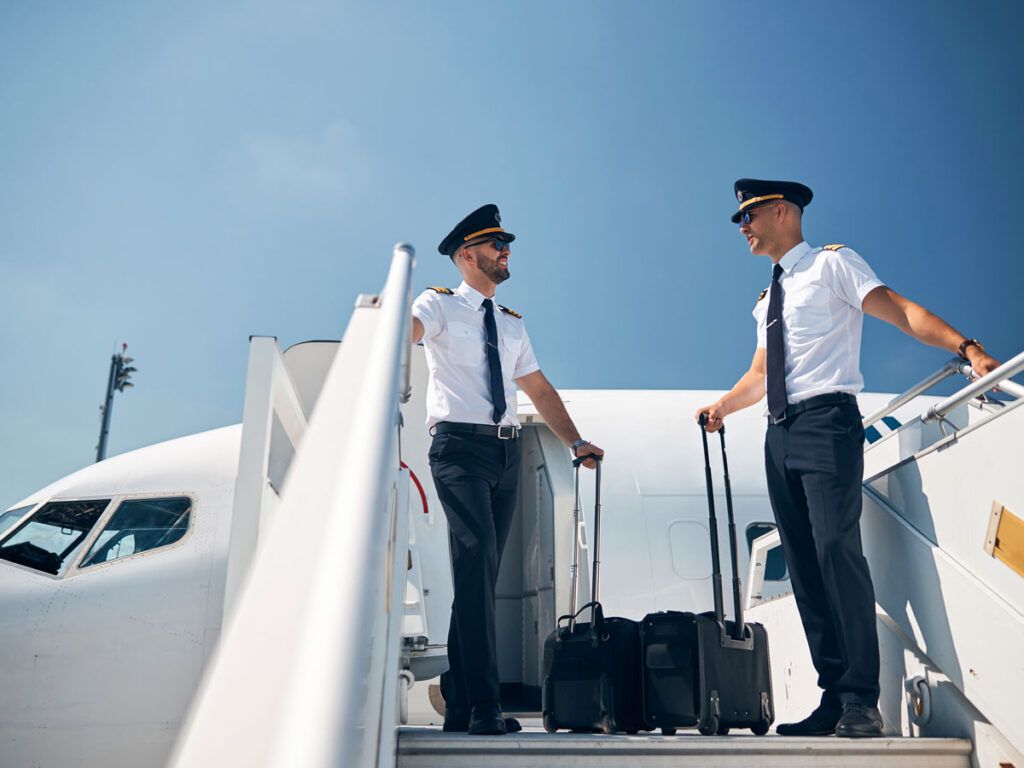
Captains and first officers both play a vital role in getting passengers safely to their destination. The main difference is that the captain holds ultimate responsibility for the flight and the decisions made along the way.
Featured image credit: © Getty Images/Unsplash.com
More from our network
Daily Passport is part of Inbox Studio, an email-first media company. *Indicates a third-party property.