




Where Do Pilots Sleep on Long Flights?
Where Do Pilots Sleep on Long Flights?
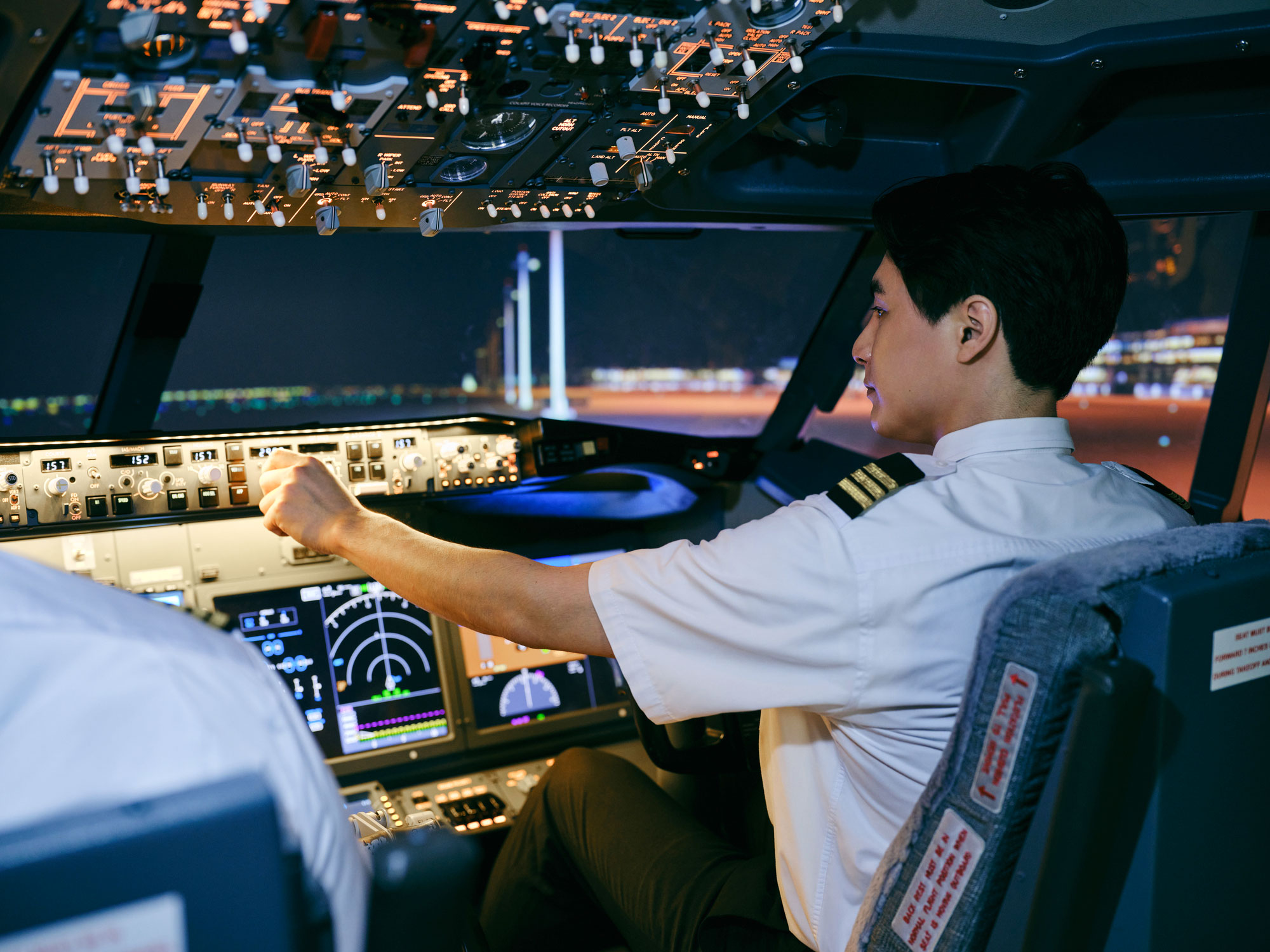

When settling in for a long-haul flight, you likely do whatever you can to get some rest. Maybe you pick a movie, put on your headphones, and recline your seat, slipping on an eye mask when it’s time to nod off. But what about the people who actually fly the plane? Pilots need breaks, too, especially when flying long-distance routes. Read on to find out how they rest at 35,000 feet.
Why Do Pilots Need To Sleep?
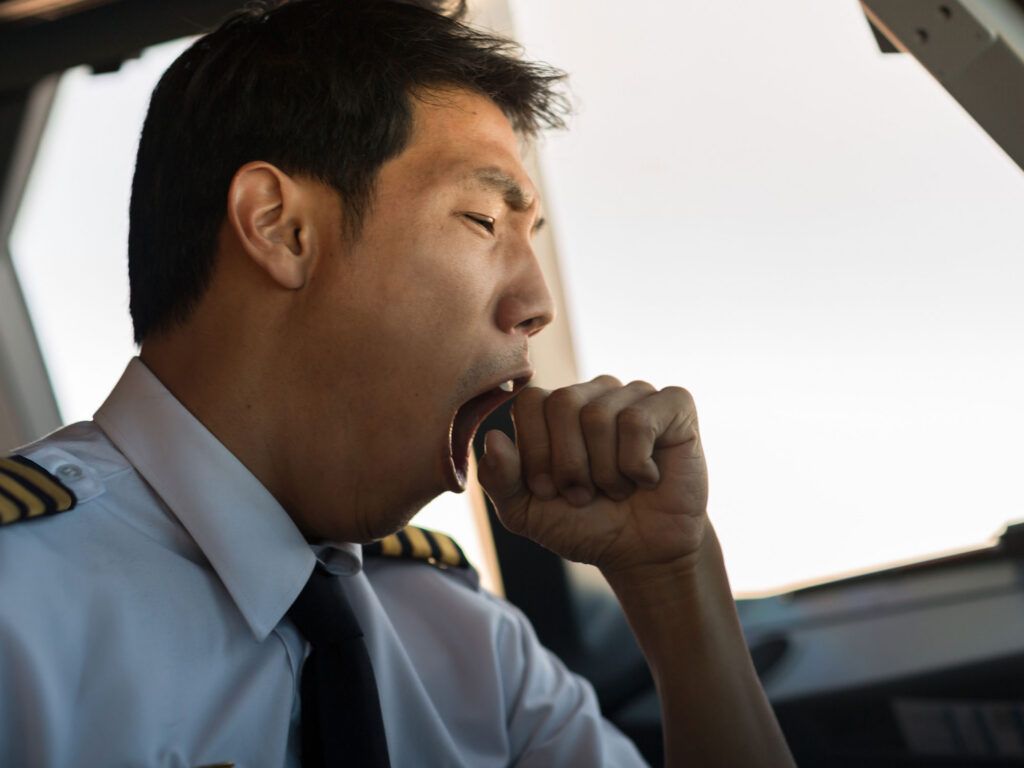
A long-haul flight can mean crew members are on duty for well over 10 hours, sometimes through the middle of the night. Asking the same two pilots to stay alert and sharp from takeoff to landing is not only an unreasonable expectation for any airline but also a potential safety risk. Fatigue affects concentration, decision-making, and reaction times. This is why airlines have additional flight crew on long flights — so they can take turns resting.
Aviation authorities also have established rest regulations for pilots, setting mandatory rest periods before, during, and after flights. For example, on flights that have additional relief pilots, the European Union Aviation Safety Agency (EASA) requires a minimum in-flight rest period of 90 consecutive minutes for each crew member. In the U.S., the Federal Aviation Administration (FAA) requires two consecutive hours of in-flight rest in the second half of the duty period for the pilot flying the landing, and 90 consecutive minutes for the pilot performing monitoring duties during landing. Similar rest requirements apply for flight attendants.
Typical Pilot and Crew Rest Compartments
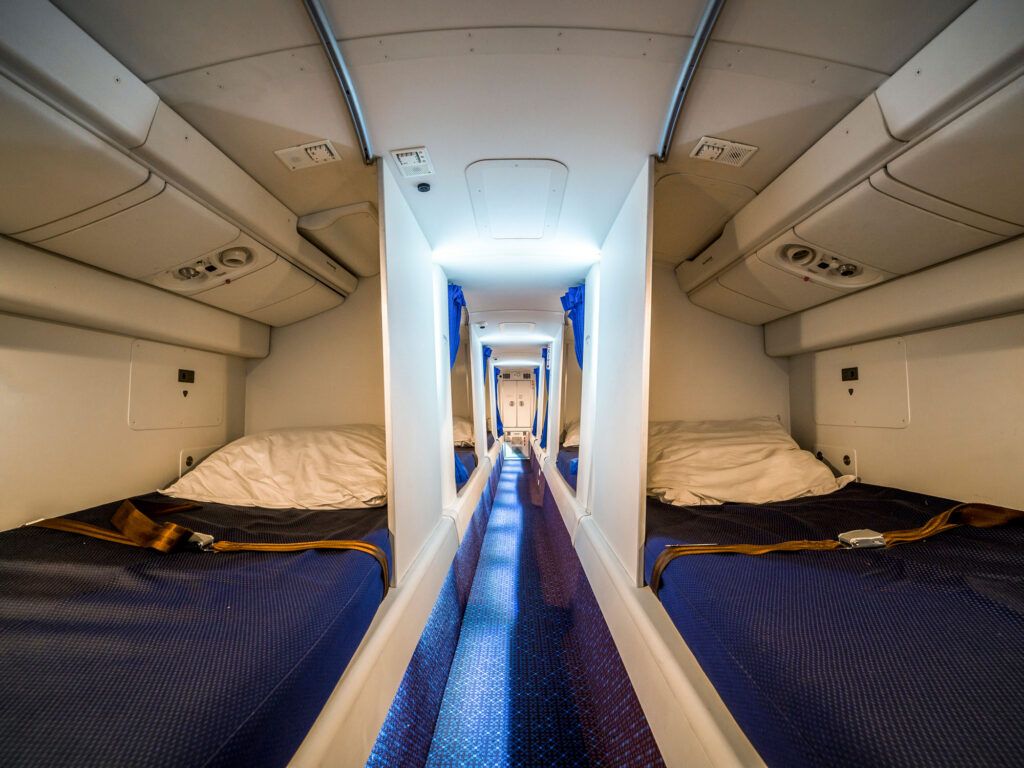
If you’ve traveled on a long-haul flight, chances are that you’ve walked past a pilot’s rest compartment without even realizing it. These areas are typically tucked away from the passenger cabin, either above or behind the cockpit, at the rear of an aircraft, or even in the lower deck. Access is usually via a small door that looks like a lavatory door, with a staircase leading to a compact space that’s separate from the rest of the plane.
Standard pilot rest areas are usually fitted with several narrow bunks with curtains for privacy. Some may even have reclining chairs similar to those in business class. They have an intercom system, air vents, and safety features such as seat belts and oxygen masks. Flight attendants generally sleep in separate areas, also fitted with multiple bunks and similar features.
The exact setup varies depending on the aircraft, with some facilities making good use of a plane’s hidden space. For example, aircraft equipment manufacturer Safran has developed Lower Deck Mobile Crew Rest (LDMCR) modules that are fitted into the cargo area. These spaces accommodate six to eight crew members, with two dedicated pilot bunks. The modules are designed for easy fitting and removal, allowing airlines to customize their fleet as required, while providing a calm environment away from the main cabin noise and activity.
Aircraft Without Dedicated Crew Spaces
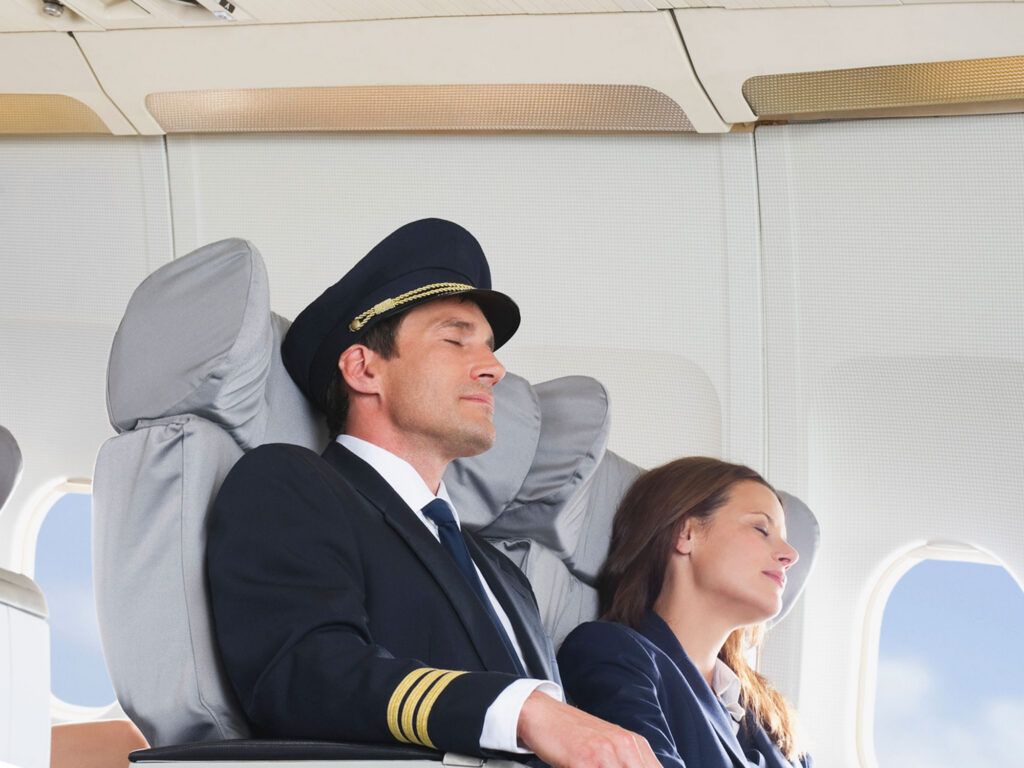
Not every aircraft has a hidden bedroom for its crew. As passengers are settling into their own seats, a pilot may be a few rows away, catching up on sleep. On some planes — particularly narrow-body aircraft — one or two first- or business-class seats at the front of the cabin may be reserved for pilots for their rest periods. These seats offer more space and recline than a standard economy seat, and airlines typically add retractable curtains to provide some privacy.
Cabin crew have their own arrangements, too. Designated economy seats are typically reserved at the rear of the plane, with extra legroom, greater recline, and a footrest. A curtain separates the resting crew from the rest of the cabin. On flights where dedicated crew rest isn’t required, these seats can instead be made available to passengers.
How Pilots Take Turns To Sleep
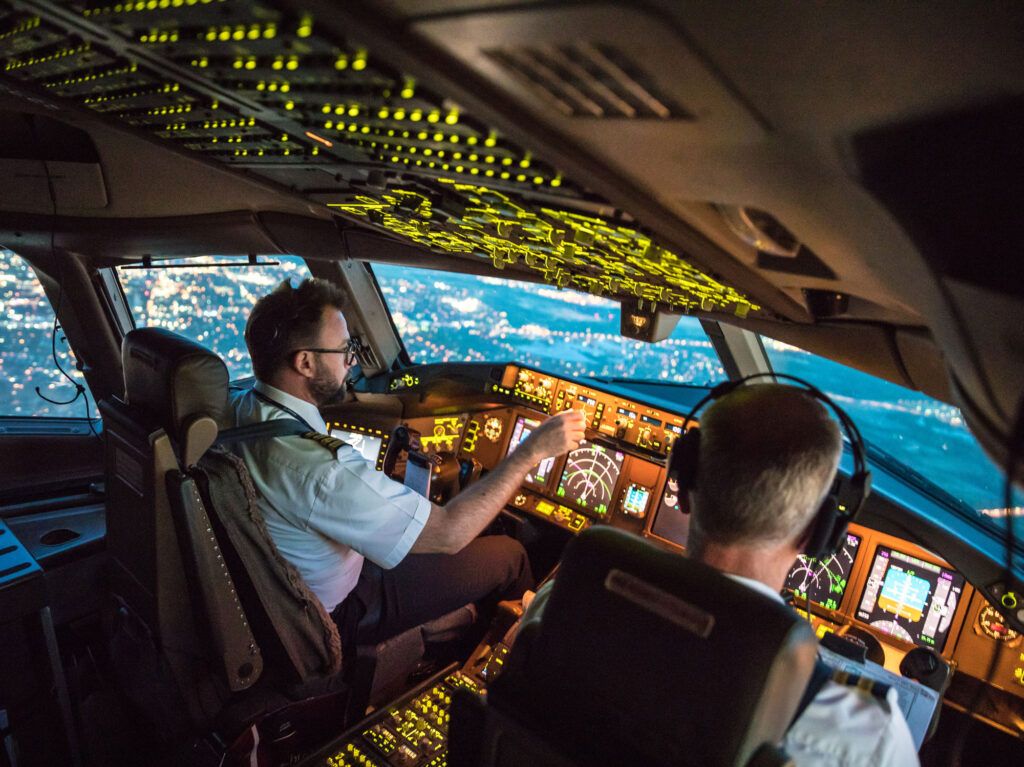
On longer flights, airlines can add pilots to the crew so that each one is able to leave the cockpit to get some rest without compromising the safety of the flight. This is called an augmented flight crew. Essentially, one set of pilots operates the plane while another goes to the rest cabin for their scheduled break. Exactly how it works depends on the individual airline, flight length, number of crew members, and applicable industry regulations.
Rest periods are planned as part of the entire flight operation, rather than pilots simply going for a nap when they start to feel tired. The International Civil Aviation Organization (ICAO) requires that an operating crew be responsible for the takeoff and landing phases, but a relief crew can take over during the cruise. Breaks are therefore timed so that the pilots who will be flying during a flight’s critical stages get appropriate rest beforehand. Under U.S. law, at least one qualified crew member must be at the controls at all times.
Another, less common form of pilot rest is known as managed crew rest (or in-seat rest). This is permitted in some regions, but it is not allowed by the FAA for flights in the U.S. On two-pilot flights, this allows one to take a short nap in the cockpit seat during a flight’s quieter period. While one pilot rests, the other assumes responsibility for flying and monitoring the aircraft. In the unlikely event that the remaining pilot also falls asleep, cockpit alerts are designed to wake them.
More from our network
Daily Passport is part of Inbox Studio, an email-first media company. *Indicates a third-party property.