






The Worst Things You Can Do When Checking Out of a Hotel
The Worst Things You Can Do When Checking Out of a Hotel


Nobody likes the last day of vacation. You have a suitcase to repack, a flight to catch, and — worst of all — the realization that you’ll soon be back to your daily life and responsibilities. If you’re staying in a hotel, you also have a tight schedule, since you have to check out by a certain time. Checking out might seem as simple as handing over your room key and heading for the door, but travelers frequently make mistakes when leaving a hotel. From forgetting valuable belongings to making life unnecessarily difficult for the housekeeping staff, here are 10 common checkout mistakes that can put a damper on an otherwise great stay.
Treating Checkout Time as a Suggestion
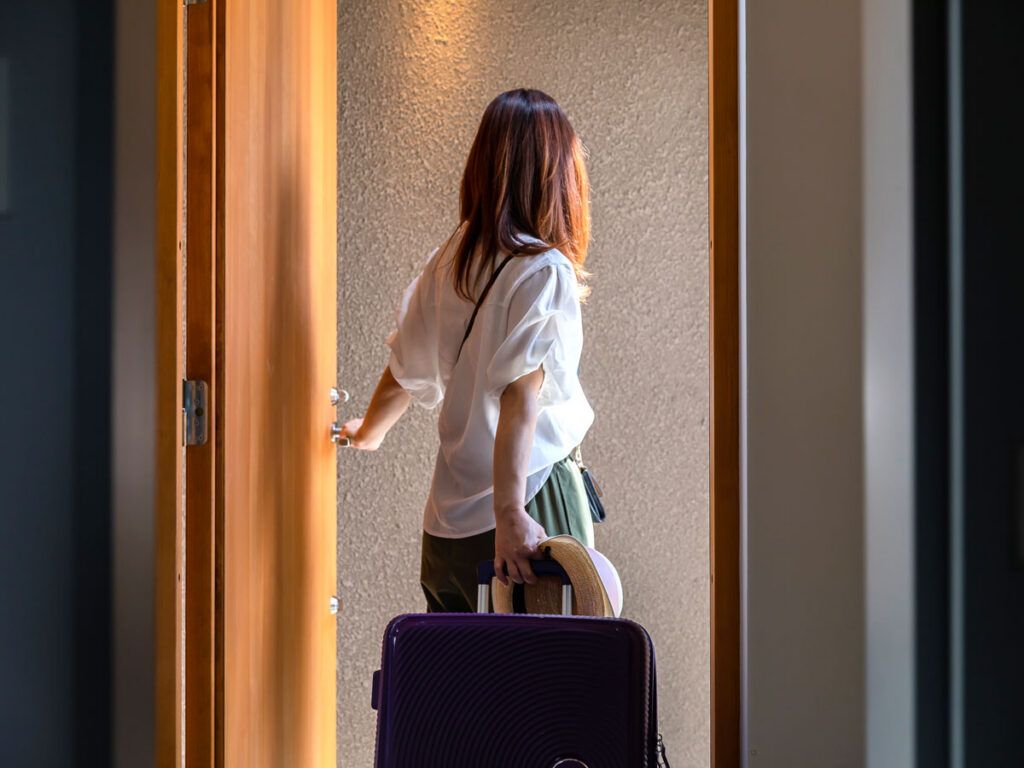
Just as hotels have designated check-in times, they have checkout deadlines, too. And those are policies, not suggestions. Housekeeping needs time to prepare rooms for arriving guests, and lingering past checkout without permission could result in an additional fee for you.
That doesn’t mean you can’t ask for a little flexibility. Some hotels offer complimentary late checkout, particularly for guests with elite status in a hotel’s loyalty program, while others may charge for the privilege. Whatever the case, ask about a late checkout before your departure day — ideally when you check in — rather than simply assuming the hotel can accommodate you at the last minute. And if the answer is no, be ready to accept it — the next guest is probably just as eager to get into that room as you were.
Leaving Without Reviewing Your Final Bill

You might think you know exactly how much your hotel stay will cost, especially if you spent hours researching the best nightly rate before you booked. But your final bill can tell a slightly different story.
Between parking charges, minibar purchases, room service, and other incidentals, it’s worth taking a few minutes to review your itemized bill before leaving. Mistakes happen, and you don’t want to discover a week after you’ve returned home that you’ve been charged for a bottle of Champagne you never drank.
If something on your bill doesn’t look right, ask the front desk to explain it. A charge you don’t recognize isn’t necessarily an error, but it’s easier to get clarification while you’re still at the property.
Assuming You’ve Remembered Everything
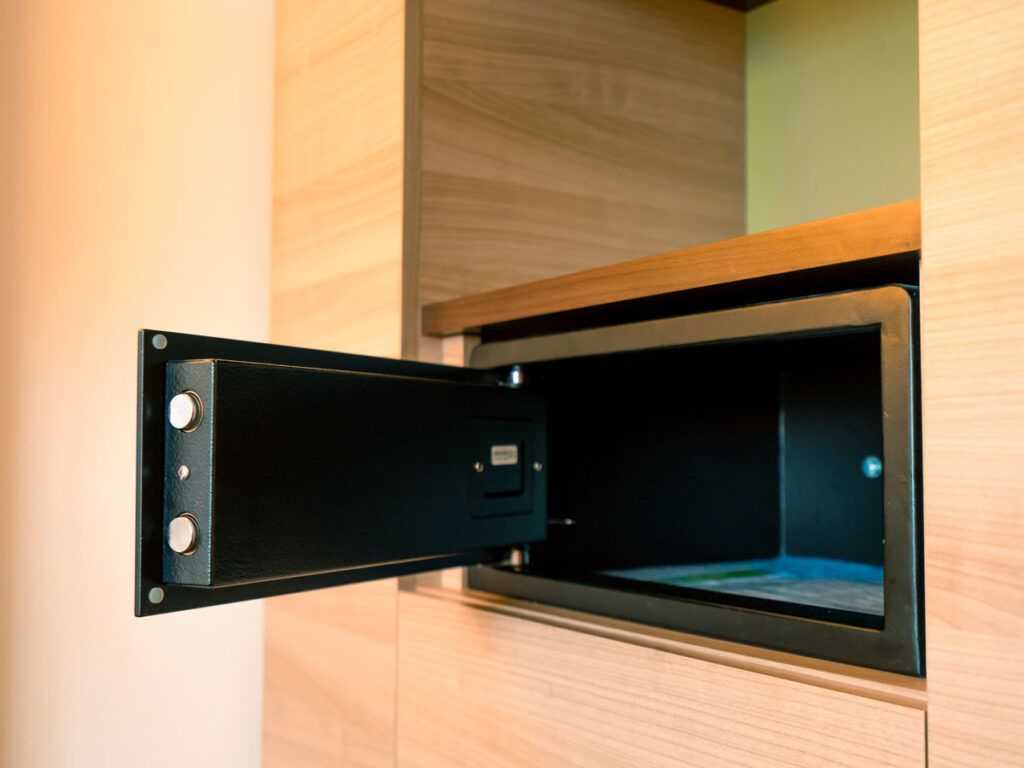
Hotel rooms have a surprising number of places for your personal belongings to disappear. Phone chargers get left plugged into outlets, clothes remain hidden in closets, and jewelry can slip behind furniture. Then there’s the in-room safe, where it’s easy to forget something valuable, like your passport.
Before checking out, give your room one final — and very thorough — inspection. Check all drawers, closets, and bathroom shelves, plus under the bed and anywhere else you might have stashed something during your stay. And don’t forget to open the safe (even if you’re convinced you never used it).
If you do leave something behind, contact the hotel as soon as possible. Many properties have lost-and-found procedures, but there’s no guarantee that an item will be recovered or that the hotel will ship it back for free.
Making Housekeeping’s Job Harder Than It Needs To Be
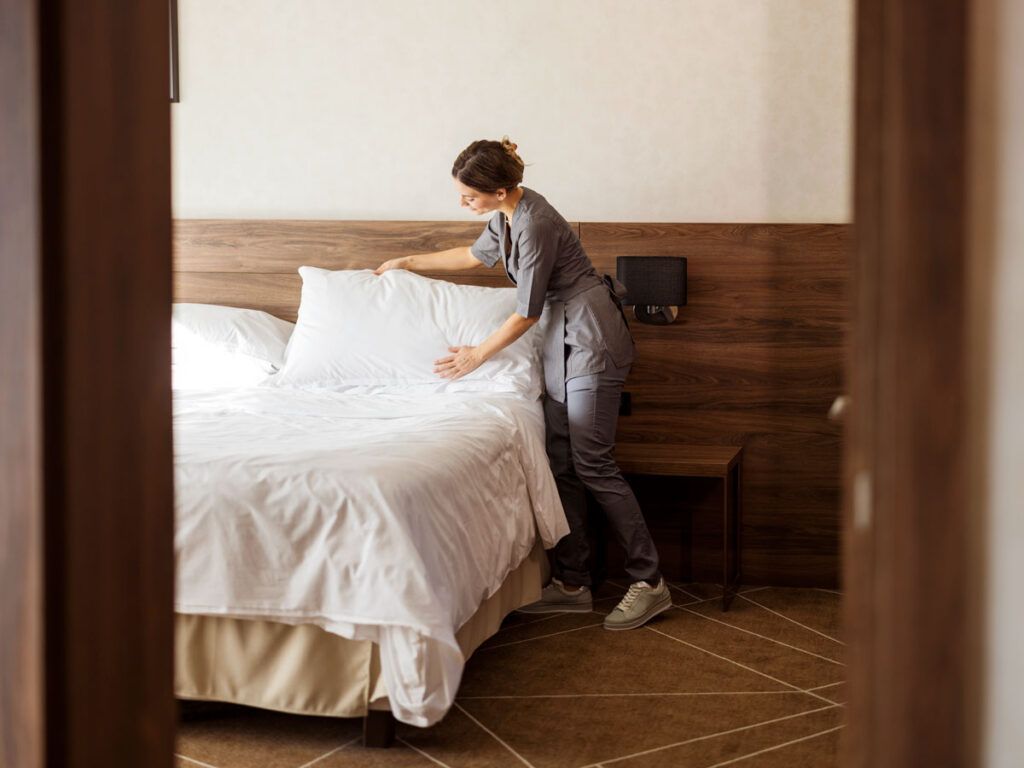
Nobody expects you to scrub the bathtub, vacuum the carpet, or wash the windows before checking out; that’s part of what you’re paying for when you stay at a hotel. But there’s a difference between leaving a room that needs routine cleaning and leaving one that looks like a small tornado passed through it.
Housekeepers already have a demanding job, and they often have limited time to prepare rooms for the next guests. Scattered trash, spilled food, and other unnecessary messes only make their jobs more difficult.
You don’t need to perform a full cleaning routine, but a little consideration goes a long way. Put your trash in the bins, gather up used towels, and make sure you haven’t left food or other surprises for housekeeping to discover.
Assuming Everything in Your Room Is a Souvenir
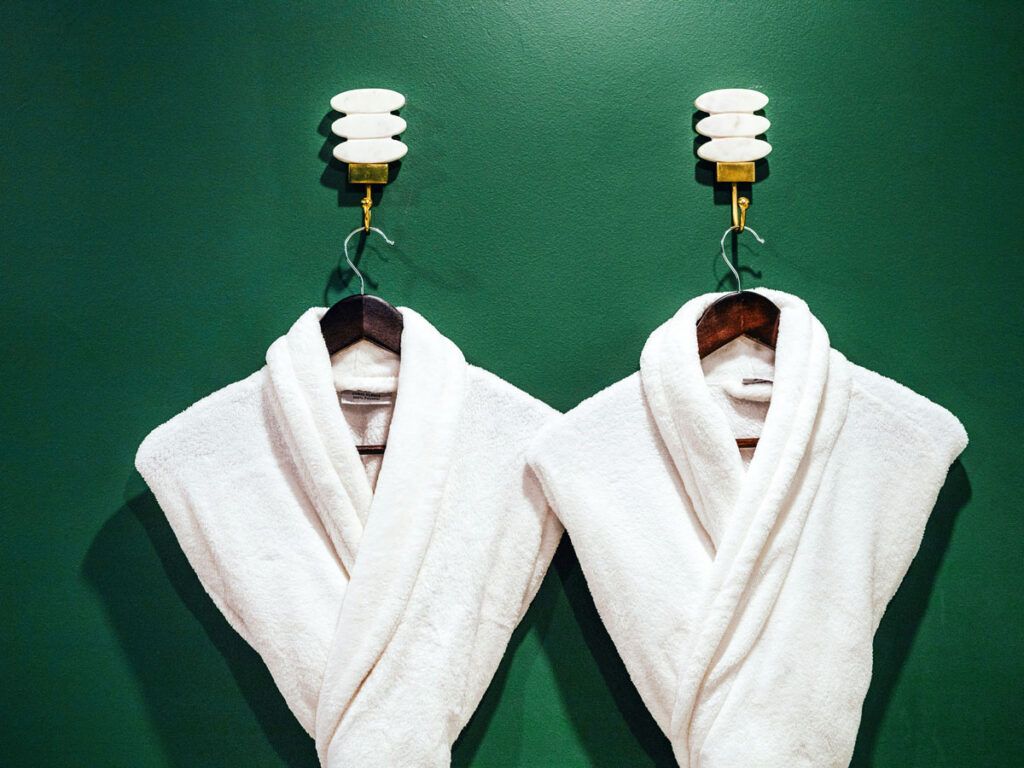
Hotels often provide complimentary toiletries and other small amenities for guests to use. But those fluffy bathrobes hanging in the closet are another story. (They just so happen to be one of the most frequently stolen items.)
Towels, robes, pillows, hair dryers, and decorative items are typically considered hotel property. Taking them without permission could result in an additional charge.
If you’ve fallen in love with the hotel’s bedding or bathrobe, ask whether you can buy one instead. Some hotels have price lists for those items should guests want to purchase them. And if you’re unsure whether something is complimentary, you can always ask the front desk.
Forgetting To Tip Housekeeping

Hotel housekeepers are among the people who work hardest to make your stay comfortable, yet they’re also among the easiest to overlook when it comes to tipping.
According to the Emily Post Institute, a tip of $2 to $5 per day is appropriate for hotel housekeeping in the U.S. The organization also recommends leaving a note so employees know the money is intended for them.
Here’s something else to consider: Waiting until checkout to leave one large tip might not be the best approach. The person cleaning your room on your final morning isn’t necessarily the same person who cleaned it throughout your stay. Instead, AAA suggests leaving a smaller tip each day, particularly if your room receives daily housekeeping service. That way, the employees who actually cleaned your room have a better chance of receiving your gratuity.
Always Taking Your Luggage With You

Checking out at 11 a.m. when your flight doesn’t depart until 9 p.m. can leave you with 10 hours to kill — and a suitcase you’d rather not drag along for the ride. Fortunately, many hotels offer luggage storage, allowing guests to leave their bags with the front desk or bell staff after checkout. Usually, the service is complimentary.
It’s an especially useful option if you want to squeeze in a little more sightseeing, enjoy a leisurely lunch, or explore the neighborhood without rolling a giant suitcase behind you.
Just be sure to keep passports, medications, electronics, and other valuables with you rather than leaving them in a stored bag.
Forgetting To Log Out of Your Accounts
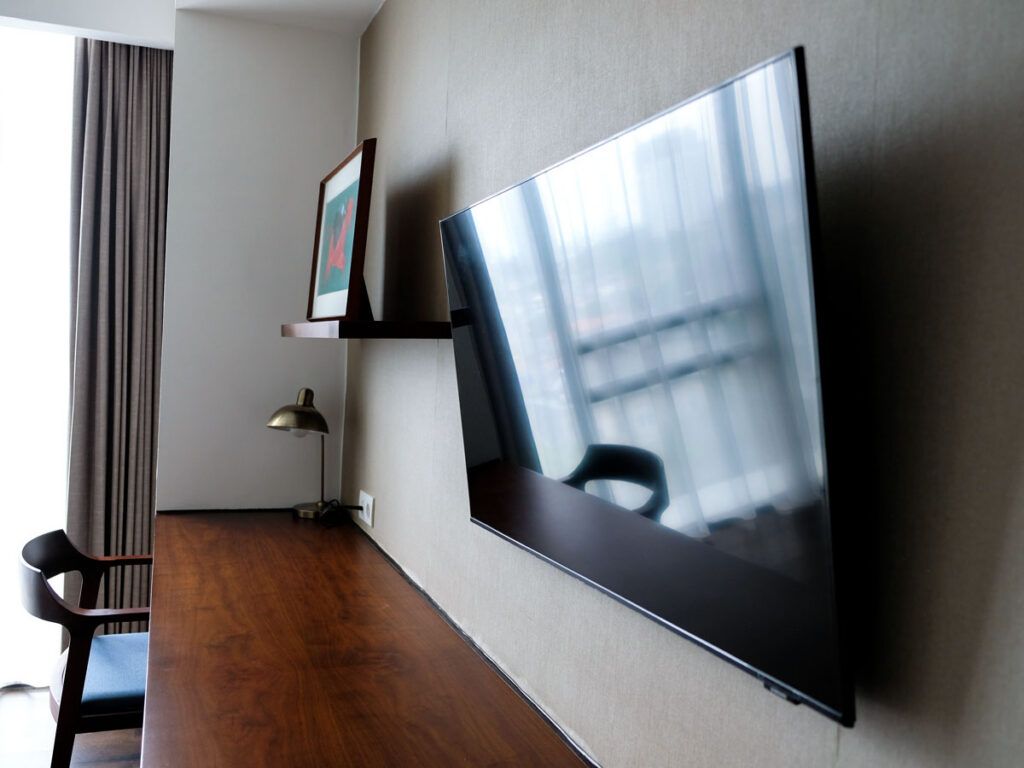
If you signed in to a streaming service on the room’s television during your stay, be sure to sign out before you leave. Otherwise, the next guest could potentially gain access to your account, including your viewing history and profiles.
Some hotel entertainment systems automatically clear guest information, but you should never assume yours does. Before leaving the room, sign out of any personal accounts you’ve accessed on the television or any other shared devices. If you’ve already left and realize you forgot to do so, many streaming services allow you to remotely sign out of connected devices through your account settings.
Saving Your Complaints Until the Last Minute

If anything didn’t go as planned during your stay, checkout might seem like the perfect opportunity to air your grievances. Maybe the air conditioning barely worked, the neighbors were noisy, or your supposedly spectacular ocean view turned out to be a spectacular view of the parking lot. Whatever the problem, waiting until checkout to mention it isn’t necessarily the best strategy.
Hotels can’t fix problems they don’t know about. If you report an issue promptly (and politely) during your stay, staff may be able to move you to another room, arrange a repair, or offer another solution. That’s not to say you shouldn’t bring up a legitimate complaint at checkout, particularly if an earlier attempt to resolve it was unsuccessful. But demanding a discount for a problem you never mentioned can put hotel staff in a difficult position.
Assuming You Have To Stop at the Front Desk

In the past, checking out of a hotel meant waiting in line at the front desk, handing over your room key, and officially confirming your departure. These days, that might be overkill.
Many hotels offer express checkout, mobile checkout, or the option to leave without stopping at the front desk at all. Some even send your final bill directly to your email.
That said, while formally checking out isn’t always required, notifying the hotel that you’ve departed is a courtesy that can help housekeeping get started on preparing your room for the next guest.
Additionally, if you’re using mobile checkout and you have questions about your bill or need to settle an outstanding balance, a quick stop at the front desk is still worthwhile so you don’t have to contact the property after you get home.
Featured image credit: © AJ_Watt—E+/Getty Images
More from our network
Daily Passport is part of Inbox Studio, an email-first media company. *Indicates a third-party property.