






6 Things That Can Ruin a Trip Before It Even Starts
6 Things That Can Ruin a Trip Before It Even Starts


Even the most meticulous vacation planners are prone to missteps. In the excitement of booking flights, reserving hotels, and planning activities, it’s easy to overlook smaller details that can make a big difference in your trip. From passport problems to overscheduled itineraries and overstuffed suitcases, these common travel oversights can create unnecessary stress before your vacation even begins.
Your Passport Doesn’t Meet the Six-Month Validity Rule
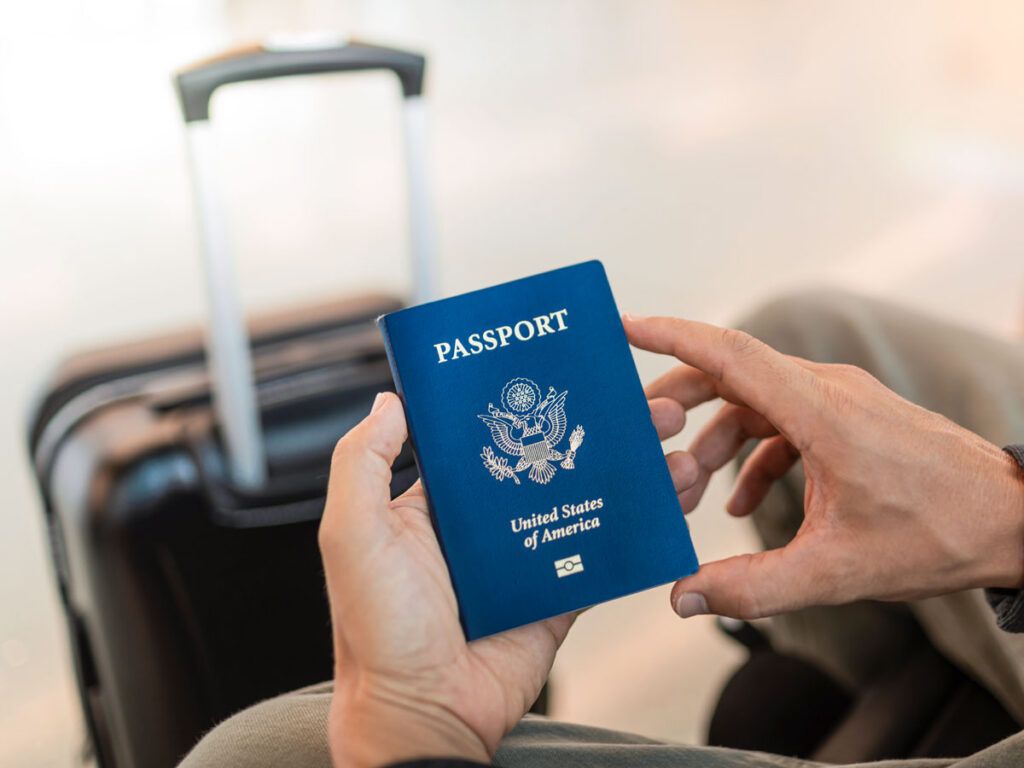
For some international destinations, having an unexpired passport isn’t sufficient for travel. Your passport may have to be valid for at least six months beyond your intended travel dates. For example, if you plan to stay in Thailand until June 30, your passport must be valid through December 30.
Not every country follows the six-month validity rule. Some popular destinations for U.S. travelers practice a three-month validity rule instead. This includes many European countries, such as Italy, France, Germany, and Greece. Airlines will prevent you from boarding if your passport doesn’t meet the country’s entry requirements.
These rules are meant to ensure your passport doesn’t expire while you’re abroad. If that happens, getting a new passport may require a trip to the nearest U.S. embassy, plus extra fees. To avoid a last-minute travel headache, check your destination’s passport requirements on the U.S. Department of State’s website before you go. While you’re at it, review visa requirements for every country on your itinerary, including the ones where you’ll have a connecting flight.
You’ve Overscheduled Your Itinerary

It’s tempting to pack as much as possible into a travel itinerary, especially when you’re visiting someplace new. But squeezing too many activities into one day can quickly take the fun out of traveling by causing early burnout and logistical issues. After all, running from one attraction to the next doesn’t really leave time to soak them in.
It can also cause you to miss out on experiences you’ve been looking forward to. Imagine scheduling a walking tour right before dinner reservations at that restaurant you’ve been wanting to try. If the tour runs long, or an unexpected rainstorm leaves you searching for a new outfit, you could find yourself rushing to make your reservations, or even missing out altogether.
Booking every minute of a trip leaves less breathing room for spontaneous activities, too, and those are often some of the most memorable parts of a trip. Instead of trying to see and do everything, prioritize a few “must-do” experiences and build in spare time for unexpected delays and impromptu adventures.
You Didn’t Pack a Luggage Tracker
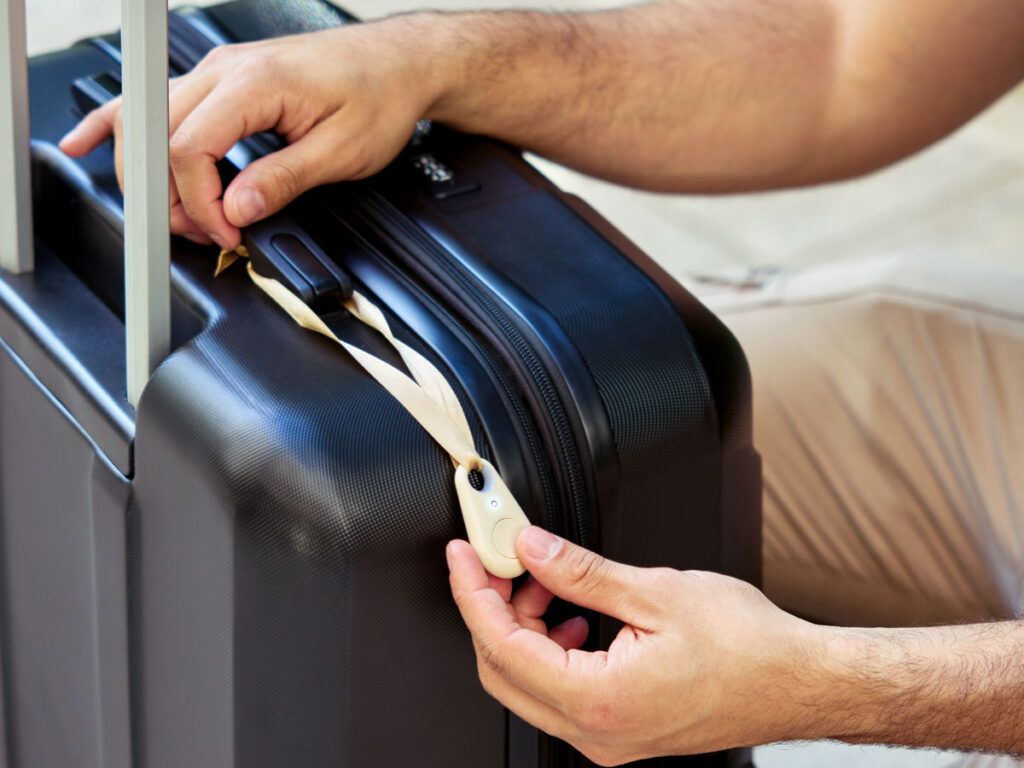
Checked luggage doesn’t always arrive when you do. Lost or delayed bags can easily ruin a trip, whether you’re missing a formal outfit for a destination wedding or rain gear for a long-awaited hike. Going days without your luggage can be costly, especially if you have to replace items you didn’t expect to buy while traveling (though you should check to see if your airline or travel insurance policy will reimburse you).
That’s where luggage trackers can come in handy. By crowdsourcing local Bluetooth networks, they can help travelers locate missing bags and give airline representatives critical information on where to find them. While having a tracker doesn’t always guarantee you’ll be reunited with your belongings, they can expedite the process and give you peace of mind while you wait.
Before purchasing a tracker, make sure it’s compatible with your smartphone. Apple AirTags, for example, work exclusively with iOS, while Tile trackers from Life360 are compatible with both Apple and Android devices. Tuck one into your luggage before heading to the airport to keep tabs on your belongings throughout the journey.
You Didn’t Include a Buffer Day for Travel

Flight delays, weather disruptions, and missed connections can cost you precious time. Adding a buffer day at the beginning and/or end of your itinerary can reduce stress by giving you the flexibility to adapt.
A buffer day doesn’t have to be boring. Schedule free or refundable activities for your first day of the trip; that way, if you arrive a day late, you won’t miss any of your “must-do’s.” If you can, also plan a buffer day between your departure and your first day back at work in case your return travel is delayed.
A buffer day can be particularly useful for trips with major commitments. If you’re traveling for a wedding, for instance, don’t plan to arrive the day of the ceremony. Instead, give yourself at least one day between arrival and the event to put your mind at ease. This is also a good idea for cruises, where arriving a day late can mean missing the entire vacation.
You Forgot a Change of Clothes in Your Carry-On

As we covered above, checked bags can be delayed, lost, or even stolen. A carry-on is always with you, so it makes sense to fill it with the necessities. Most travelers know to keep essentials like medications, chargers, and valuables close by, but you should also make room for another item: a spare set of clothes.
This is especially important if you’re attending a special event shortly after arriving or traveling somewhere with a very different climate. Imagine flying from snowy Michigan to sunny Miami to catch a cruise, only to arrive without your checked luggage. If the only clothes you have are the parka and wool sweater you wore on the plane, you’ll probably wish you’d packed shorts and a T-shirt in your carry-on.
You Didn’t Check Your Airline’s Baggage Rules
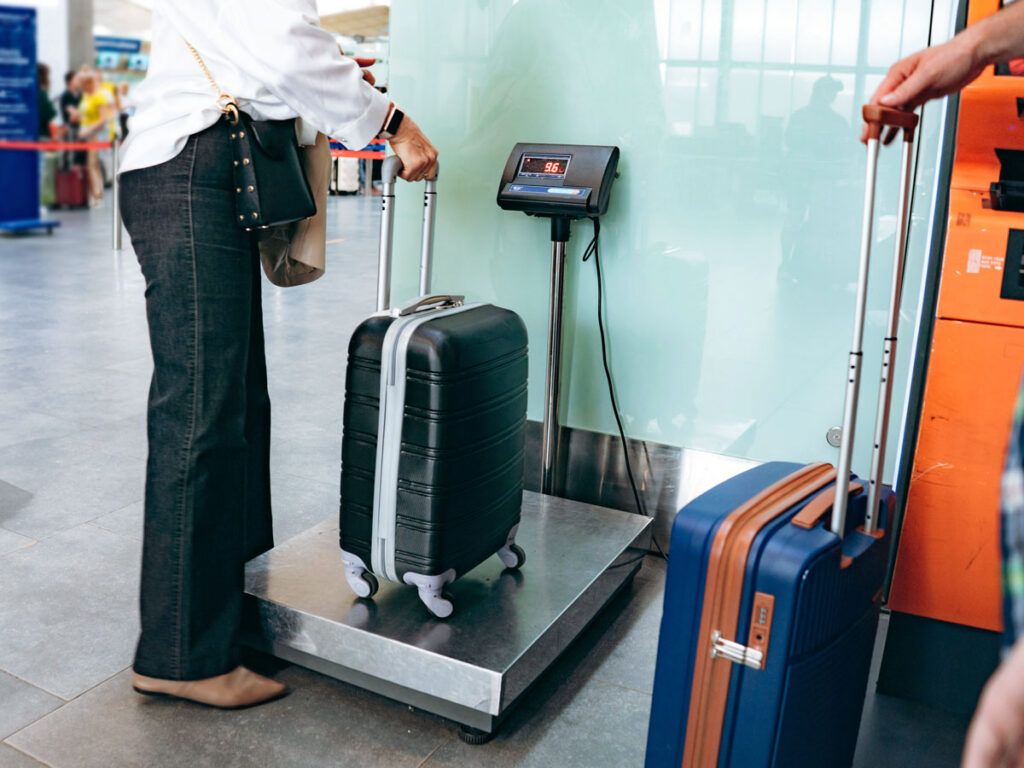
Being blindsided by unexpected baggage fees or having to rearrange your luggage at the airport terminal can quickly put a damper on your travel day. Or, at the other end of the journey, if you’re forced to leave behind important items or souvenirs, it can sour the whole trip. Avoid these mishaps by carefully checking your airline’s luggage size requirements. They can differ from airline to airline; budget airlines and full-service carriers often have particularly different restrictions.
For example, Frontier Airlines has a checked luggage weight limit of 40 pounds, but American Airlines generally allows up to 50 pounds per traveler. So, if you fly American to your destination and max out your weight limit, but fly Frontier on your return flight, your luggage should be 10 pounds lighter on the way back. Otherwise, Frontier charges extra weight fees starting at $75.
Before you start packing, review the baggage policies — including dimensions and weight limits — for every airline on your itinerary, including any carriers you’re using for connecting flights. A few minutes of research beforehand can save you time, money, and a lot of frustration.
Featured image credit: © rh2010/stock.adobe.com
More from our network
Daily Passport is part of Inbox Studio, an email-first media company. *Indicates a third-party property.