





7 Reasons Food Just Tastes Better in Europe
7 Reasons Food Just Tastes Better in Europe
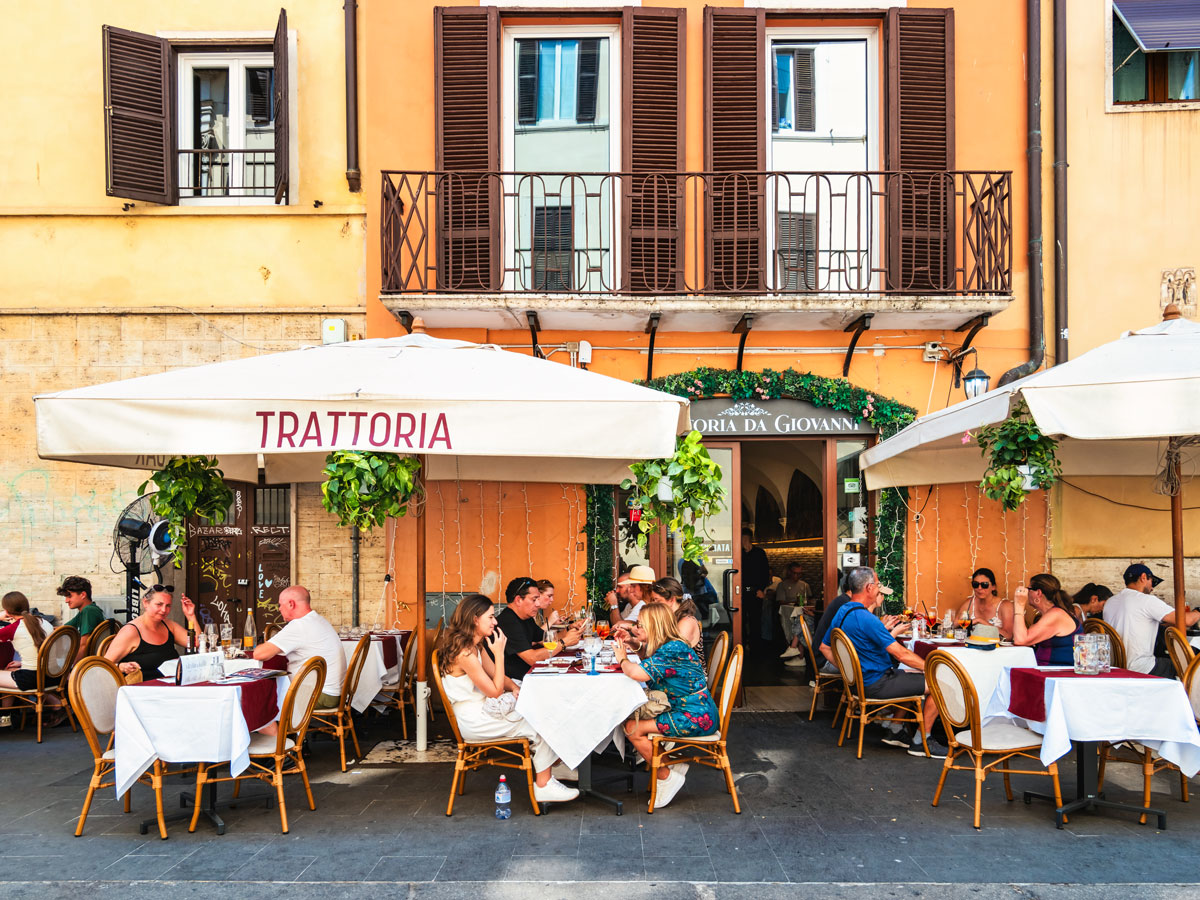

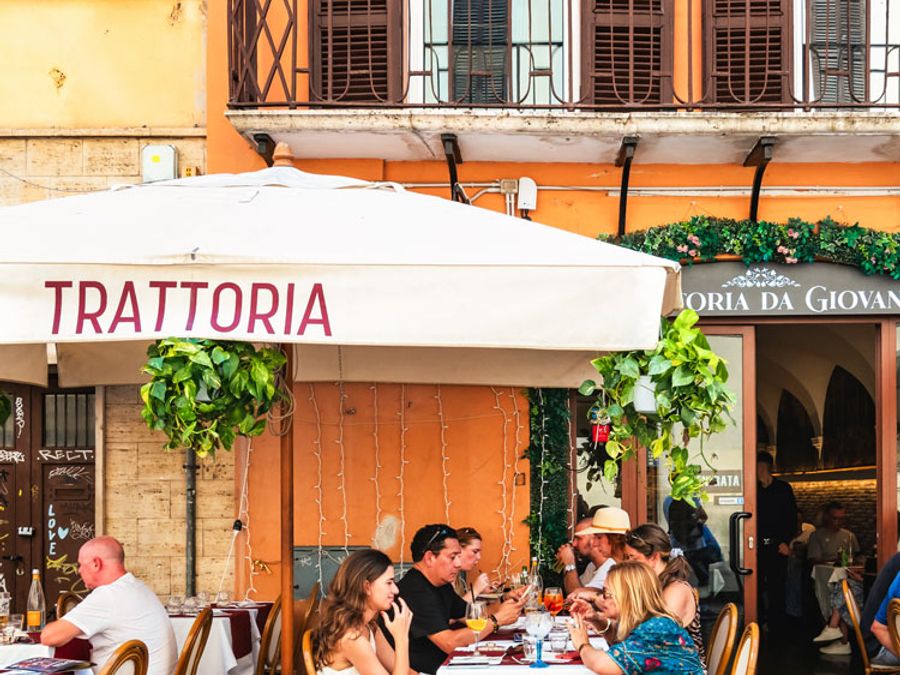
Plenty of vacationers would insist that feasting on the local cuisine is one of the great pleasures of travel. “Food just tastes better here” is an oft-heard refrain for visitors encountering the joys of French bread, Swiss chocolate, and Italian — well, Italian everything. And while some items in the U.S. can’t be beat (barbecue, anyone?), it does seem that many foods in Europe win in taste tests. Here are some of the reasons that food really does taste better on the other side of the Atlantic.
The Butter Is Richer
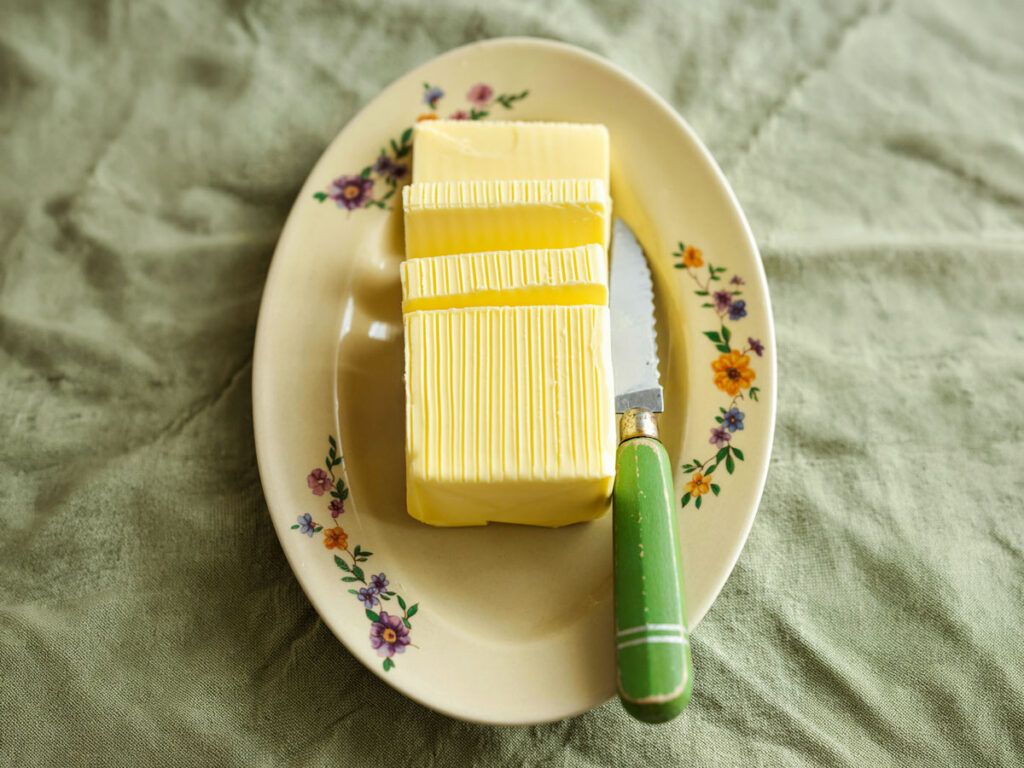
The flavor in butter comes from butterfat, and most American supermarket brands just don’t measure up when it comes to the percentage of butterfat. That’s because standards vary. The USDA requires butter to contain at least 80% butterfat, while Europeans can’t believe it’s butter unless the fat content is between 82% and 90%. The result? Baked goods and just plain old butter slathered on bread taste richer, more flavorful, and more “buttery” when you’re eating them in Europe.
The Chocolate Is More Chocolatey
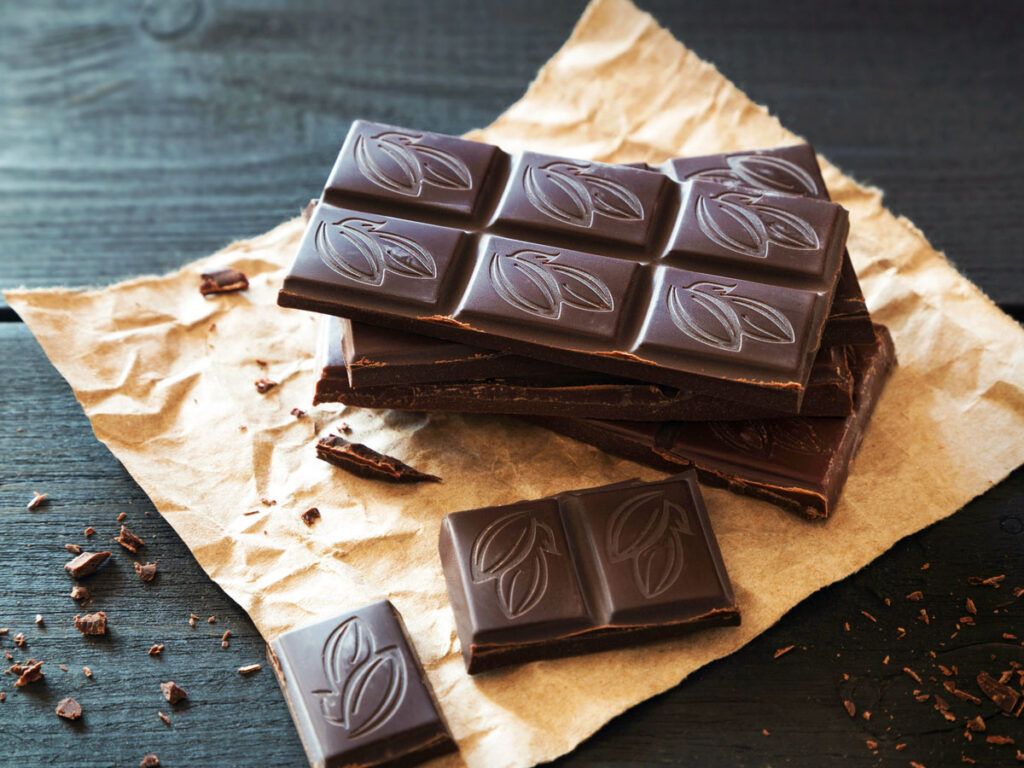
A lot of people consider chocolate to be their favorite flavor, but many American “chocolate-flavored” items just don’t make the grade compared to their European counterparts. Once again, there are different standards: EU regulations mandate a significantly higher percentage of cocoa solids and cocoa butter to bear the name “chocolate,” whereas a candy bar labeled “milk chocolate” in the U.S. can contain as little as 10% cacao. Plus, as cocoa prices have soared in recent years, a number of confectioners looking to cut costs are now selling “chocolate-flavored” or “chocolatey” sweets, which may not contain any chocolate at all.
The Food Is Often More Seasonal
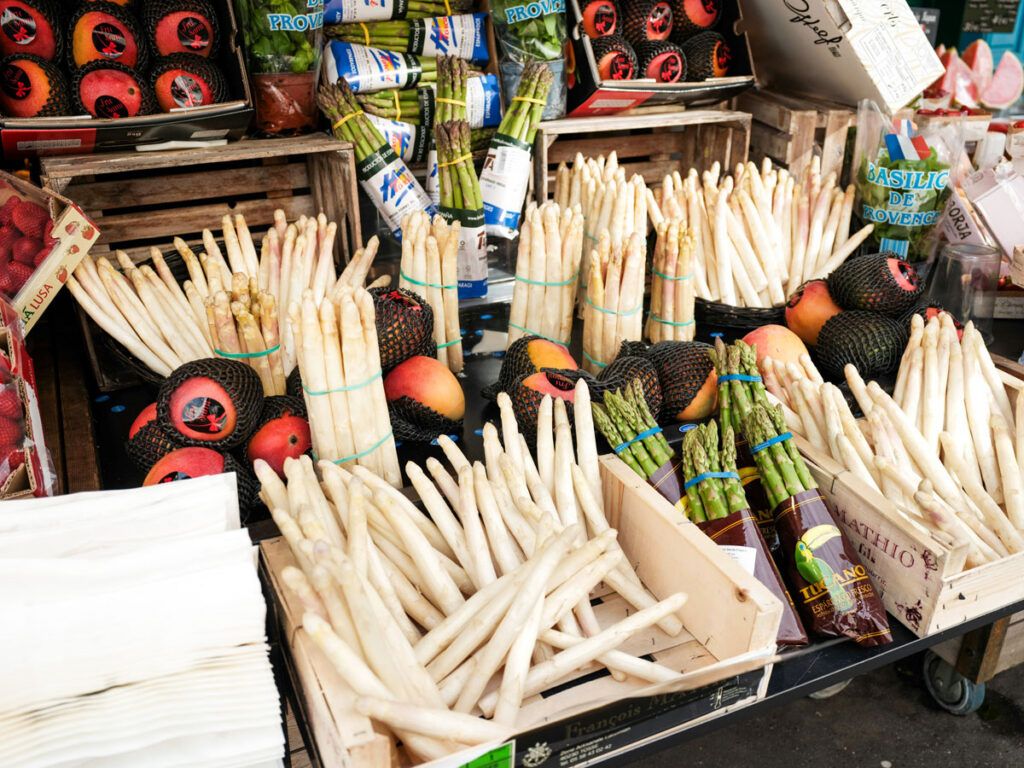
In many cases, the food culture of Europe adheres to stricter traditional standards than its freewheeling American counterparts. For example, the vast majority of Germans wouldn’t even consider consuming white asparagus outside of its springtime season, and in Italy eating cold dishes — like panzanella and caprese salad — outside of the summer months is uncommon. That seasonality brings a genuine excitement for dishes that don’t appear on the table 365 days of the year.
The Produce May Be Fresher
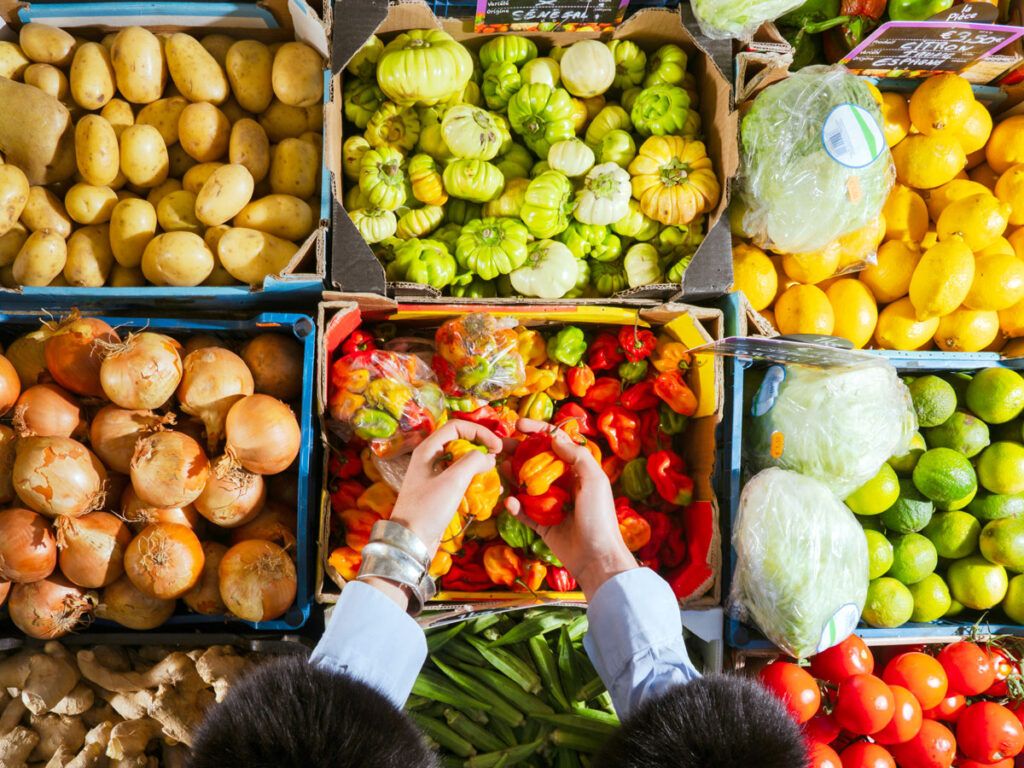
The seasonality of European menus has a corollary — the arrival of the first fresh fruits and vegetables of the season is celebrated. Produce markets burst with the newly harvested bounty, while cooks (at home and at restaurants) make the most of the delicacies. There’s no shortage of big grocery stores in Europe, but even in those, there tends to be an emphasis on smaller quantities of seasonal ingredients. And many Europeans still seek out small farmers markets for freshly picked local fruits and vegetables that have nary a barcode or sticker in sight.
Regional Flavors Are Protected
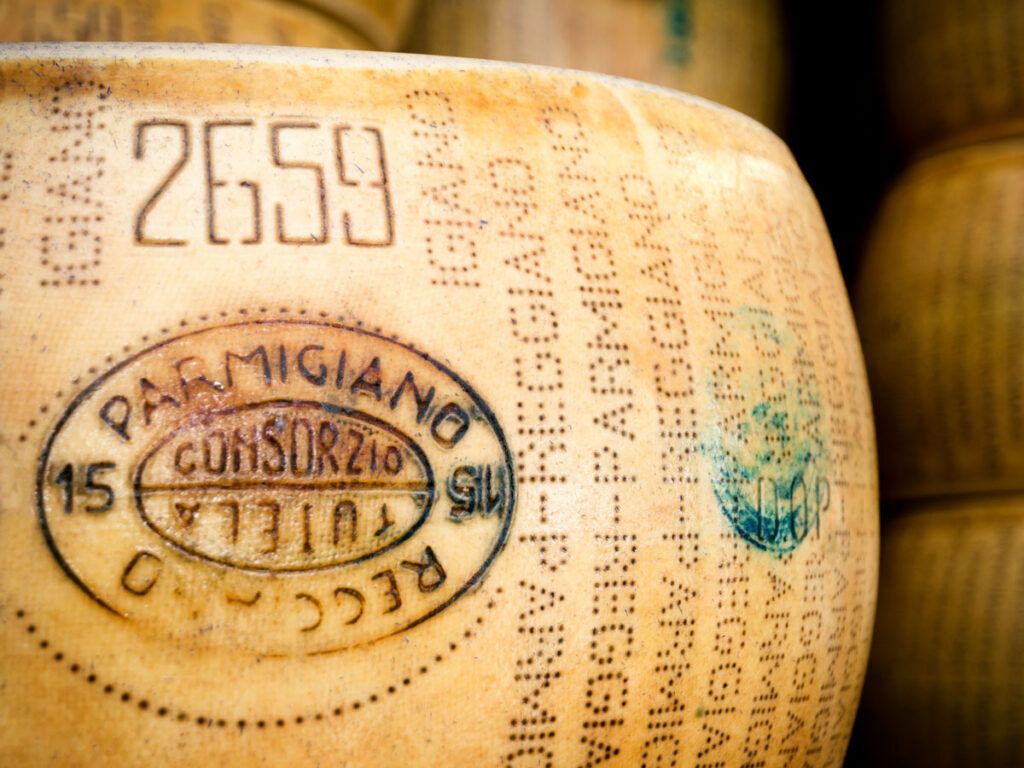
The European Union vigorously defends thousands of traditional food products through a variety of designations. Most famously, if it’s not from the Champagne region of France, then it’s sparkling wine. And that’s only the beginning: From Italian Parmigiano-Reggiano to Irish whiskey, these designations ensure that people are consuming authentic products produced in a particular region and often using traditional methods.
Meals Are Meant To Be Savored
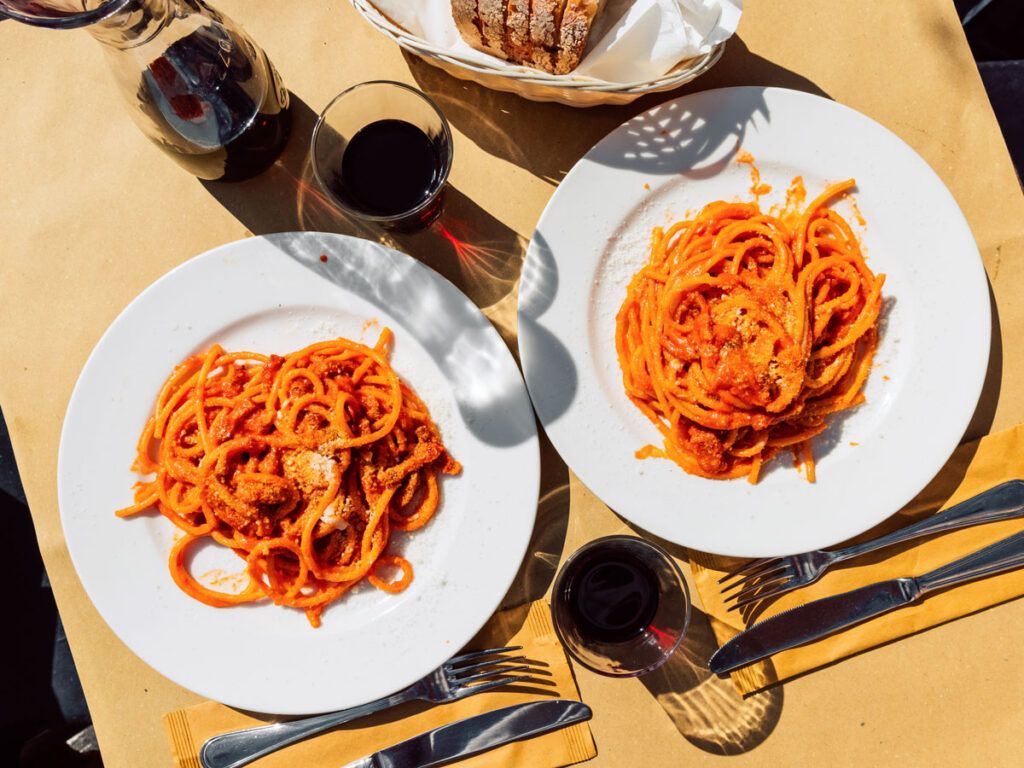
Though times change, particularly with younger generations, many Europeans still believe that food is meant to be savored and enjoyed with friends, family, or even co-workers — not scarfed down as quickly and efficiently as possible. People passionately debate recipes and restaurants, and children are exposed to freshly prepared “adult” foods at an early age. The result? When you’re dining in Europe, you’re probably more relaxed and paying more attention to the food than you might be at home.
The Same Products May Have Different Recipes
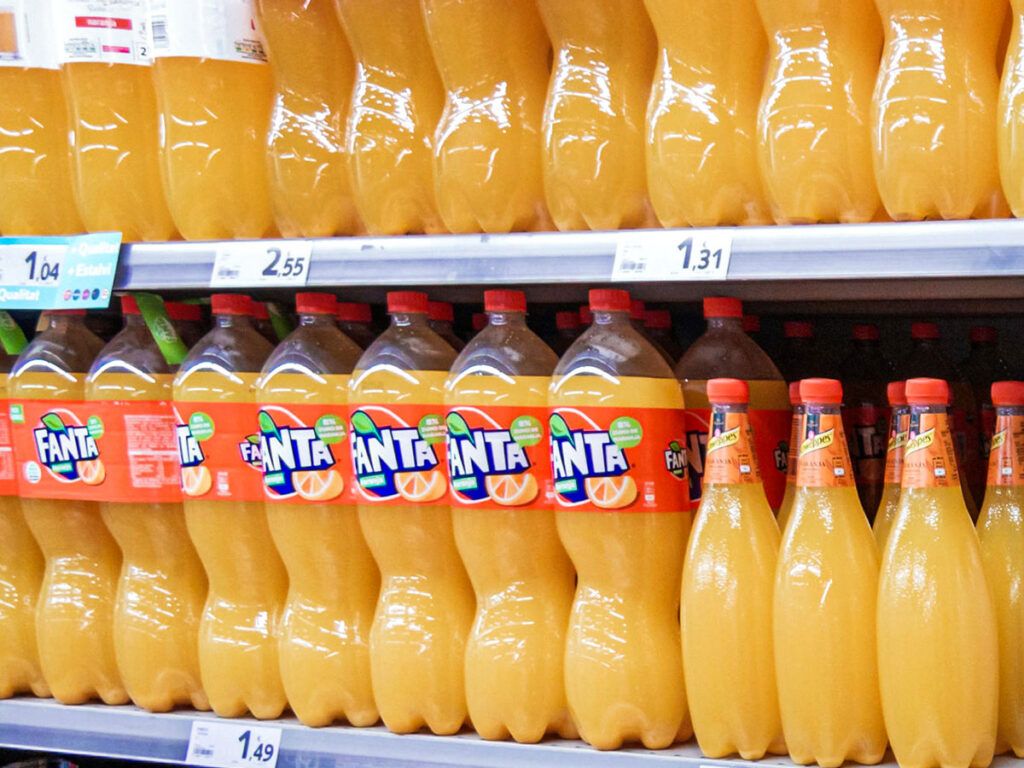
In Great Britain, the Coca-Cola company makes Orange Fanta with citrus juice, sugar, and orange juice concentrate. By contrast, the American formula has high-fructose corn syrup and synthetic colors — with not a drop of orange juice to be found. It’s only one example, but thousands of items with identical brand names and similar labels can be produced using very different recipes. In general, European products tend to lean toward smaller sizes and contain a shorter list of ingredients, often thanks to strict local regulations, so you’re not imagining the difference.
Featured image credit: © benedek—iStock Unreleased/Getty Images
More from our network
Daily Passport is part of Inbox Studio, an email-first media company. *Indicates a third-party property.