




Why Does Bread Taste Better in Europe?
Why Does Bread Taste Better in Europe?

Bread is a staple in many parts of the world, but have you ever noticed it doesn’t taste quite the same when you’re traveling? In Europe, in particular, many travelers report that bread seems to taste better than what we’re used to in the U.S. That’s due to a number of factors, which we’ll take a look at below, along with three iconic European breads — from France, Iceland, and Italy — and what makes them extra delicious when consumed on home turf.
Different Ingredients and Baking Styles
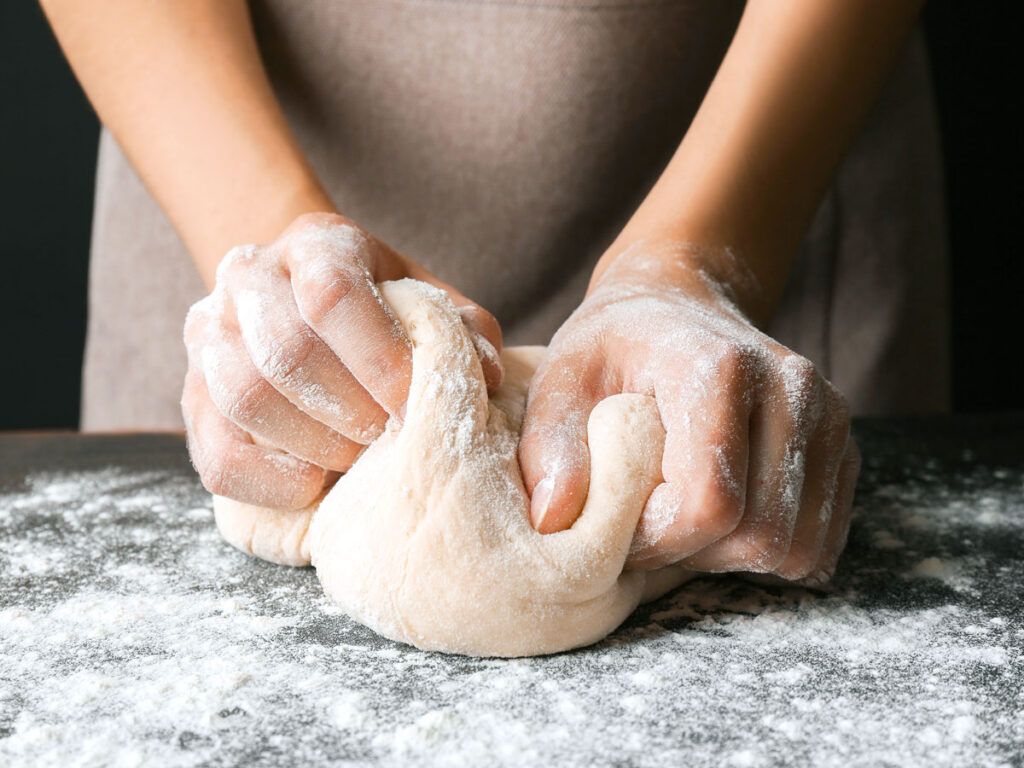
A recent article in The New York Times reported that bakers across Europe use “soft” wheat, while bakers in North America prefer a “hard”-style wheat. The former creates bread with less gluten, which is easier to digest. (However, the author acknowledged that some European bakers also mix in North American-style wheat.)
Additionally, as the article notes, longer fermenting and rising times are more common in European bakeries, giving the yeast and bacteria more time to break down the gluten. The story also looked at additives within the bread — in North America, it’s common to find not only preservatives and emulsifiers but perhaps even traces of glyphosate. The latter is an herbicide that is sprayed on crops closer to harvest, but its use is more tightly regulated in Europe, which could account for the differences in taste.
France’s Bread Decree
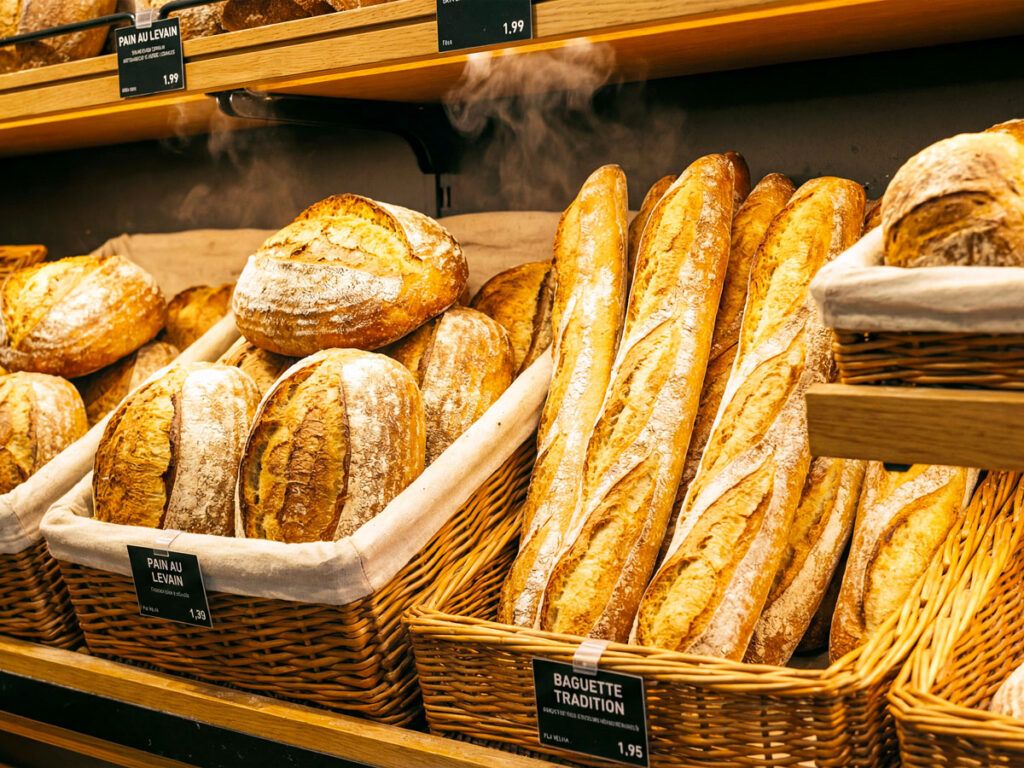
For many French people, a daily visit to the boulangerie (bread shop) is a cherished, long-standing ritual and an integral part of the culture. According to Google Arts & Culture, 95% of French people eat bread every day, gobbling up the output of 33,000 bakers in the country. So, if you’re traveling in France and see a sign advertising traditional French bread, you can be confident it’s going to taste good.
That’s in part because much of what’s sold is free of additives and preservatives. A 1993 decree ensures that the ingredients in traditional French bread are strictly regulated and limited to just a handful of items: wheat flour, water, salt, and a fermentation agent such as baker’s yeast. If bakeries label their product as homemade, the bread has to be kneaded, shaped, and baked on site.
Iceland’s Approach to Baking Bread
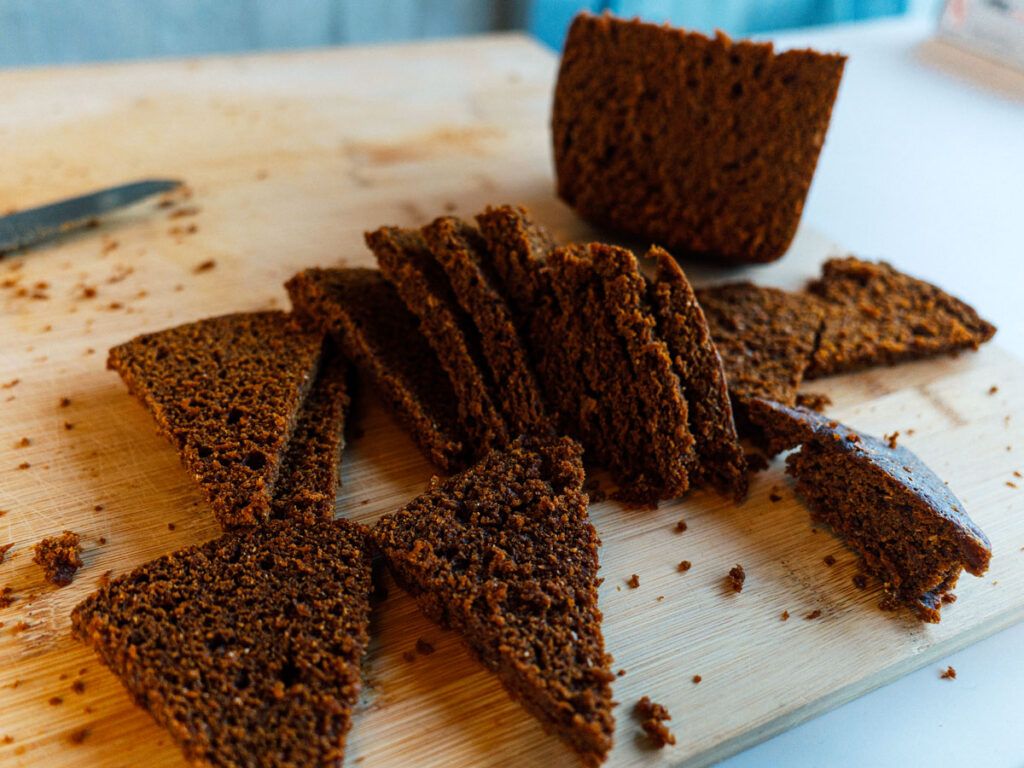
Eating bread straight from the oven is a treat no matter where you are, but in one part of Iceland it’s an extra-special affair. On the shores of Laugarvatn, along the country’s famous Golden Circle route, visitors can learn about the process of making rúgbrauð (rye bread) using the geothermal heat that naturally occurs here.
The dough is made according to a traditional recipe and placed in tins that are carefully wrapped. Using a shovel, the baker buries the tin in the steaming black sand that runs along the shore of the lake, leaving it to slowly cook over a period of about 24 hours. When the bread is retrieved and unwrapped, it’s sliced while still warm. The dense, dark bread is sweet and delicious, especially when served with a thick spread of local butter and smoked trout caught in the lake.
Why Ciabatta Tastes So Good in Italy
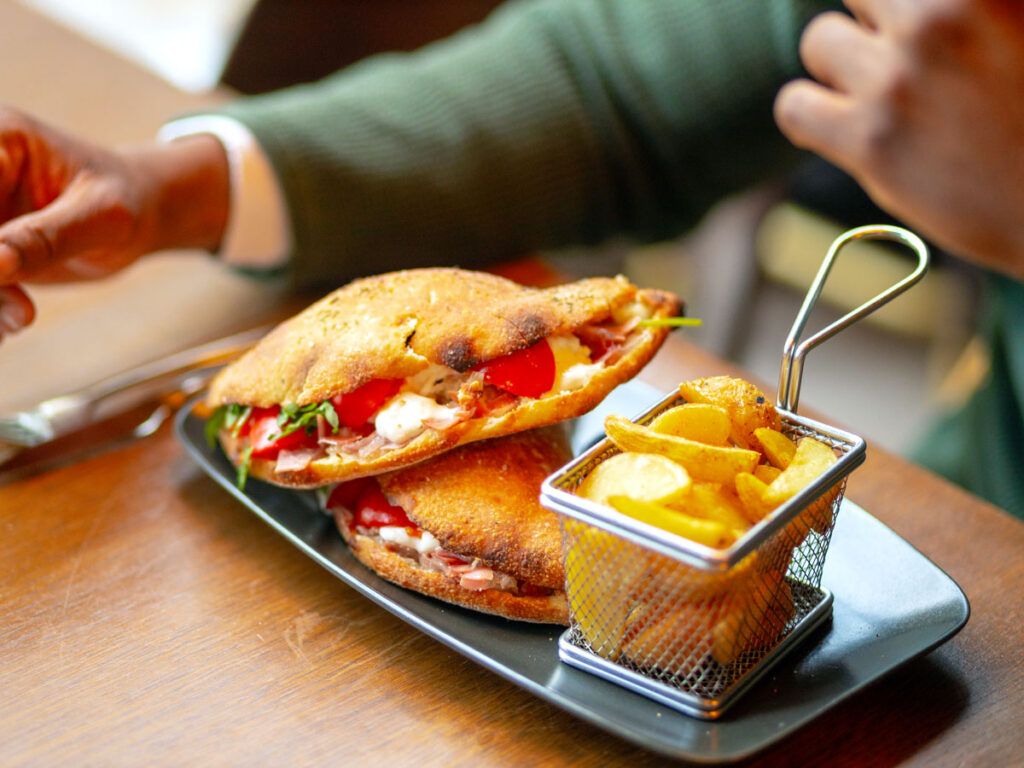
Ciabatta is such a well-known type of bread, you might imagine it’s been around for centuries, but in fact its story didn’t begin until 1982. An Italian man named Arnaldo Cavallari, whose family owned a flour mill, invented this bread in the city of Adria. He played around with the production process to create a specialty flour that had a 70% water absorption threshold; a later version upped that to 75%.
This innovative ingredient gave Cavallari’s new bread its distinctive holey texture and a unique flavor profile — without the need to add olive oil. Though the popularity of the slipper-shaped ciabatta loaf rapidly spread across Europe and North America, nothing beats eating it in the place where it originated.
It Could Taste Better Because You’re on Vacation

There are many theories about why bread might taste better in Europe, but some suggest the answer may have nothing to do with quality control, baking methods, or ingredients. Traveling can give you a deeper appreciation of the food you eat, especially if you have opportunities to learn about its provenance from the artisans who create it.
Professor Charles Spence, a psychologist from the University of Oxford, also believes that aromas can augment the experience of eating. It makes sense, therefore, that the smell of freshly baked bread might persuade your brain that it tastes better, particularly if it’s consumed outside. A relaxed mindset also plays its part, making you more receptive to flavor profiles as you eat slowly and savor the taste. So, if you have extra time on your hands during a European vacation, visiting a bakery that produces bread on site might be just the thing to add to your itinerary.
More from our network
Daily Passport is part of Inbox Studio, an email-first media company. *Indicates a third-party property.