
10 European Countries Where You Can Escape the Crowds
10 European Countries Where You Can Escape the Crowds
From Italy to Greece to the U.K., Europe’s tourism heavyweights continue to lure millions of visitors every year. But beyond the continent’s headline acts are places where historic towns, quiet countryside villages, and uncrowded beaches still feel like hidden gems. Using figures collected by Eurostat, the statistical office of the European Union, we’ve identified the 10 countries that receive the fewest overnight tourist stays (as of the latest 2024 data). So, if you’re searching for somewhere that’s still off the beaten path, check out these 10 European countries where you can escape the crowds.
10. Serbia
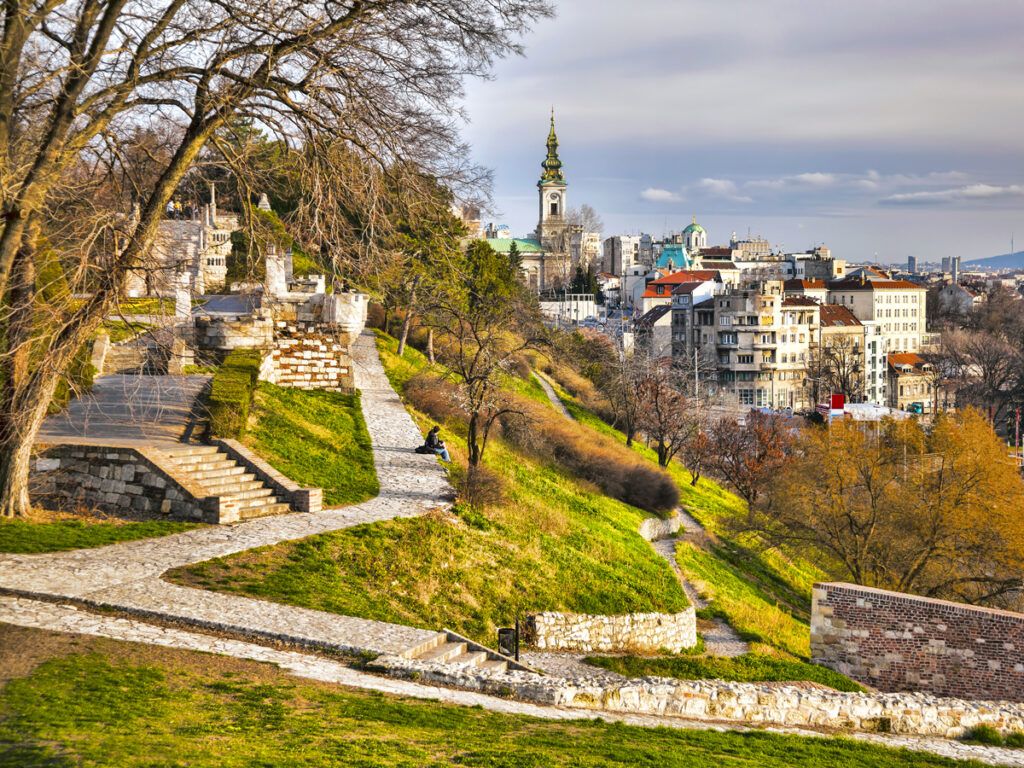
Number of tourist nights in 2024: 12.66 million
Landlocked in the Balkans, Serbia is one of the world’s newest countries, having separated from Montenegro in 2006. It boasts stunning landscapes, but it often gets overlooked in favor of nearby Croatia and Greece.
Set along the Danube River, Serbia’s capital, Belgrade, offers vibrant nightlife and cafê culture alongside Austro-Hungarian heritage and Ottoman landmarks such as the Bajrakli Mosque and Belgrade Fortress. Elsewhere, Novi Stad is famous for the Petrovaradin Fortress, while crystalline rivers cut through the gorges and forests of Tara National Park, and superb hiking awaits at Djerdap National Park.
9. Malta
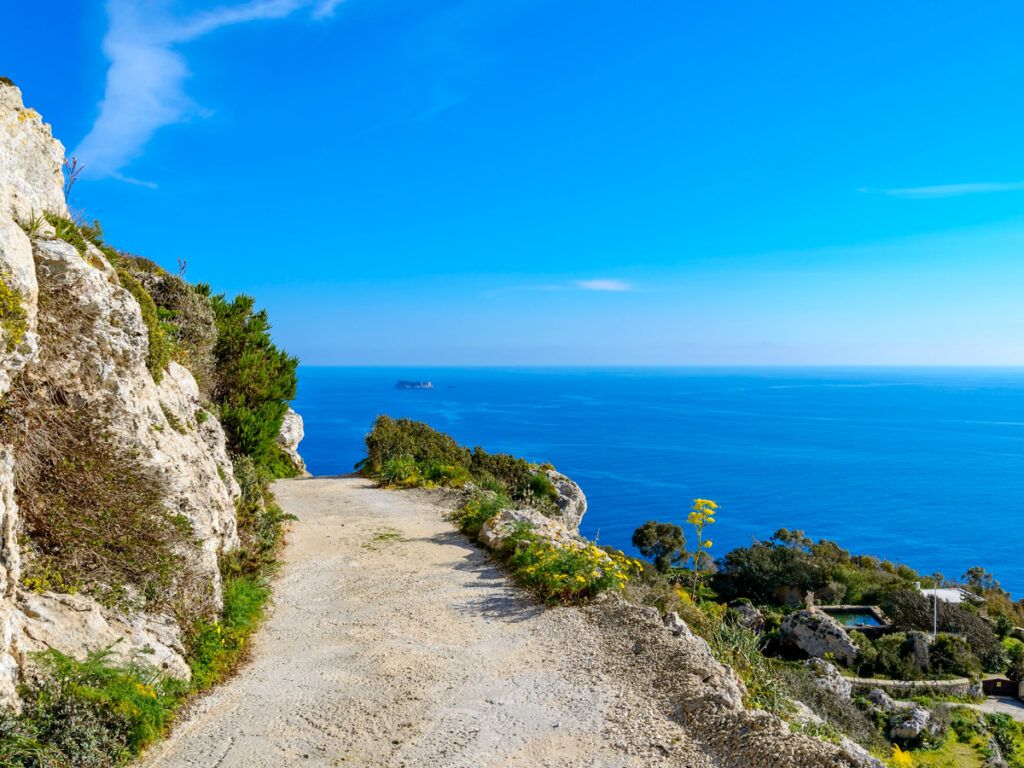
Number of tourist nights: 11.32 million
Spread across three inhabited and two uninhabited islands between Sicily and the northern African coast, Malta is one of the world’s smallest countries. This Mediterranean nation boasts 300 days of sunshine and an abundant swimmable coastline. And with English as one of its two official languages (alongside Maltese), the country has also become a favorite among American retirees.
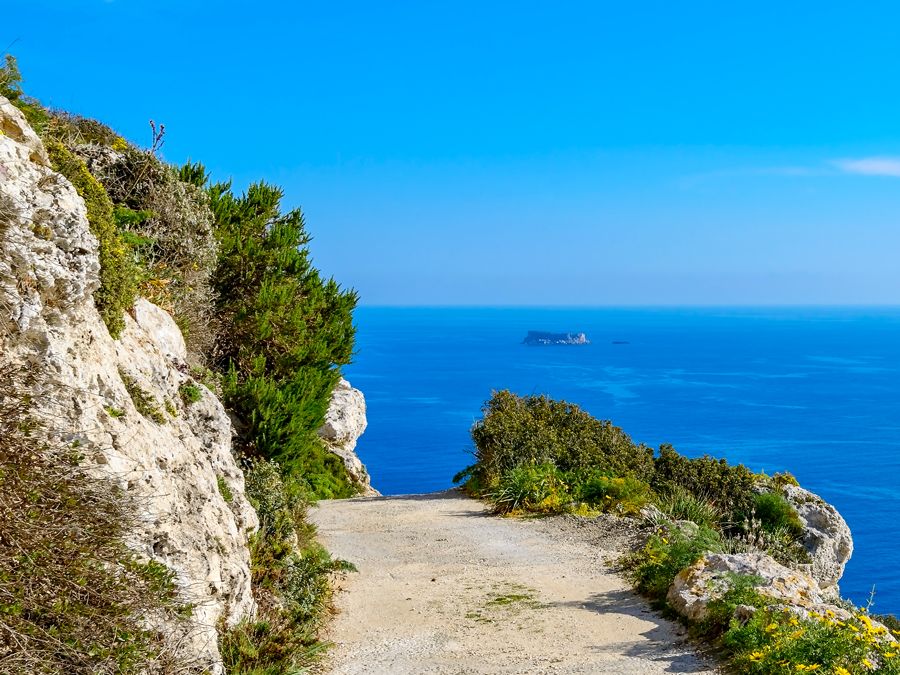
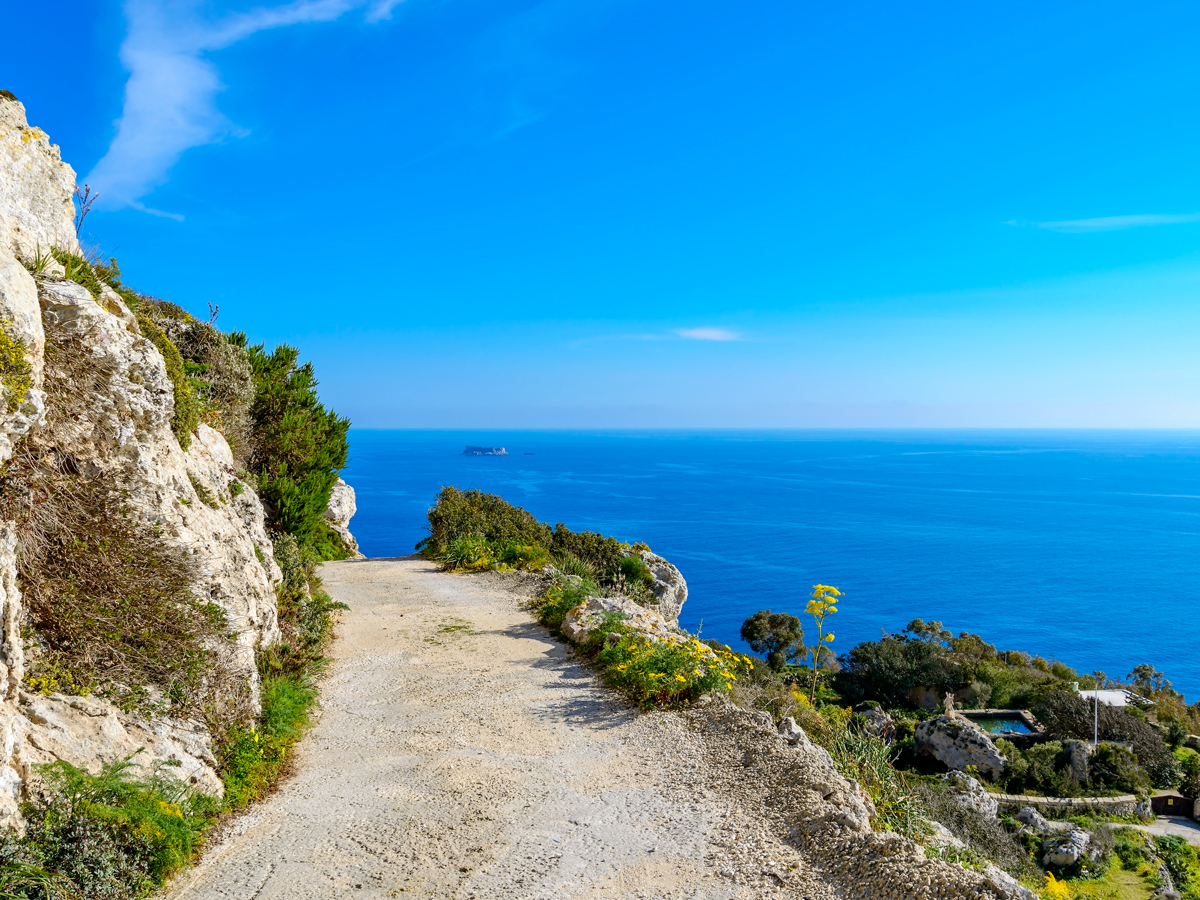
Malta’s capital, Valletta, offers everything from Baroque landmarks and waterfront bastions to British pubs and Italian trattorias. Beyond the capital, find coastal solace along the towering Dingli Cliffs, enjoy the rural landscapes of Gozo, or swim in the turquoise coves of Comino.
8. Lithuania
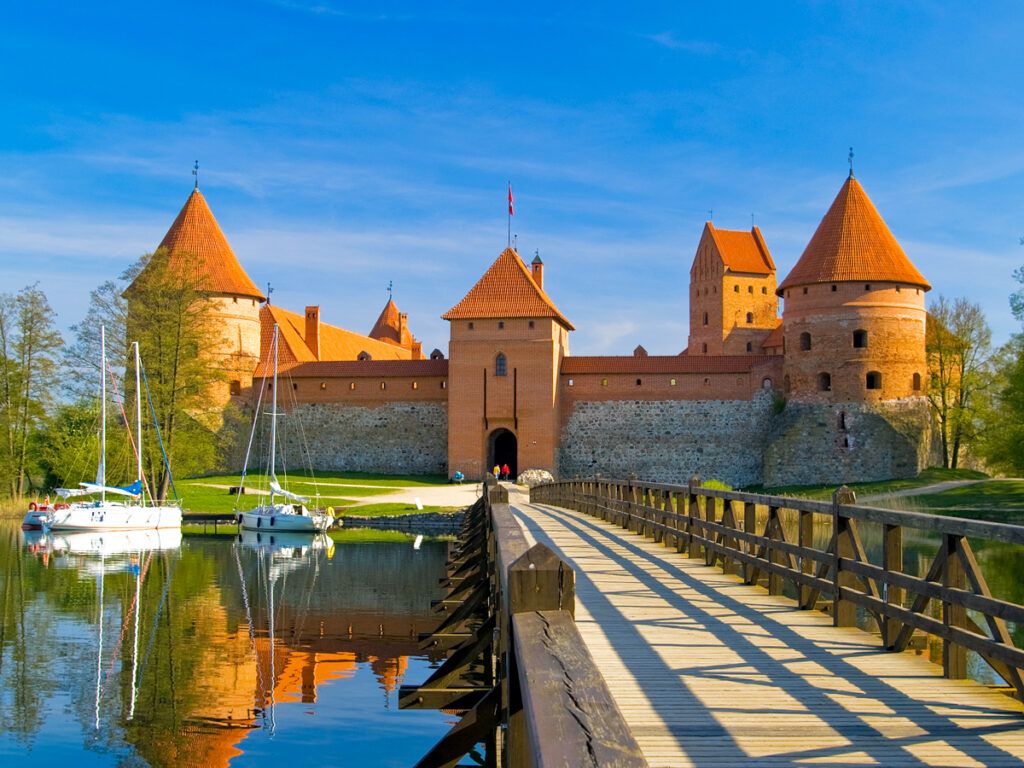
Number of tourist nights: 8.64 million
Stretching east from the Baltic Sea, Lithuania is the southernmost of the three Baltic nations. This underrated destination rewards visitors with medieval towns, sprawling forests, and a fascinating Baltic heritage.
The capital, Vilnius, is known for its UNESCO-listed Old Town, its well-preserved Baroque architecture, and January’s spectacular Vilnius Light Festival. Kaunas, Lithuania’s second-largest city, is filled with art deco wonders and the Gothic-style Kaunas Castle. For nature lovers, the Curonian Spit is dotted with dune and forest-backed beaches, while history buffs can check out the fascinating Soviet history at Grūto Parkas sculpture park.
7. Albania
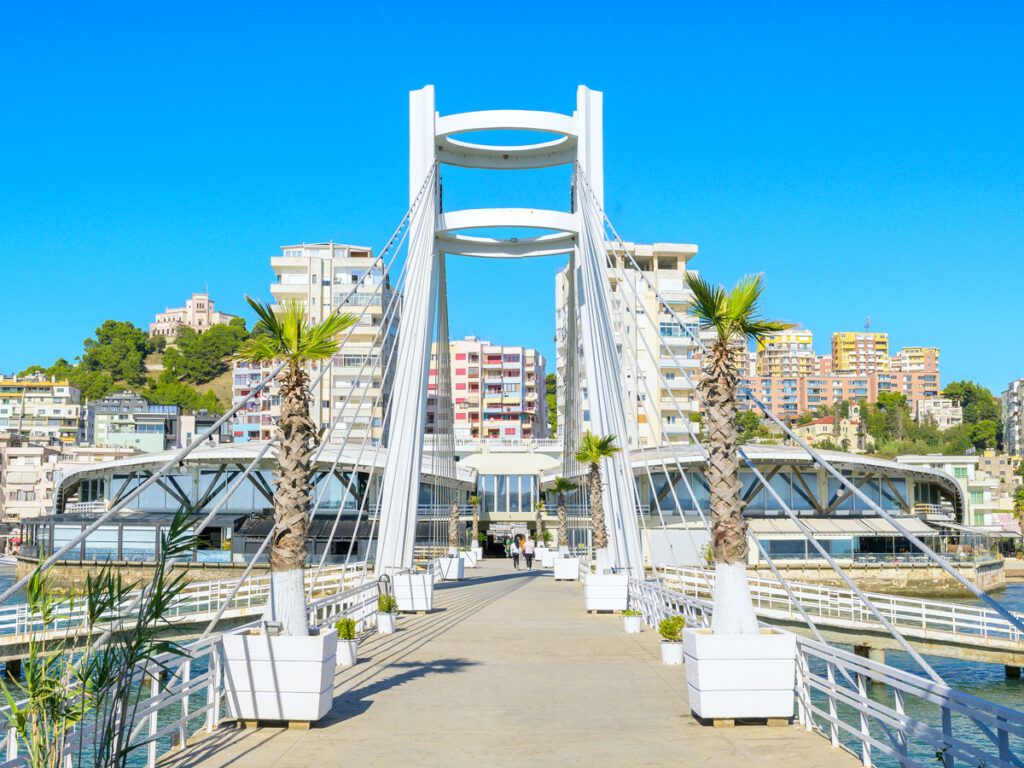
Number of tourist nights: 7.45 million
Thanks to ancient port towns like Durrës and affordable beach resorts scattered along the Ionian Sea, Albania has seen a surge in popularity in recent years. However, according to EU data, it still ranks among the 10 least-visited European nations — for now.
Situated 22 miles from the coastline, Tirana, Albania’s capital, offers a unique mix of Ottoman and Soviet-era architecture. Head to the National History Museum for a deep dive into Albania’s story before making your way to Theth, a gateway to hiking in the Albanian Alps, and Lake Ohrid, which offers swimming, snorkeling, and paragliding adventures.
6. Estonia
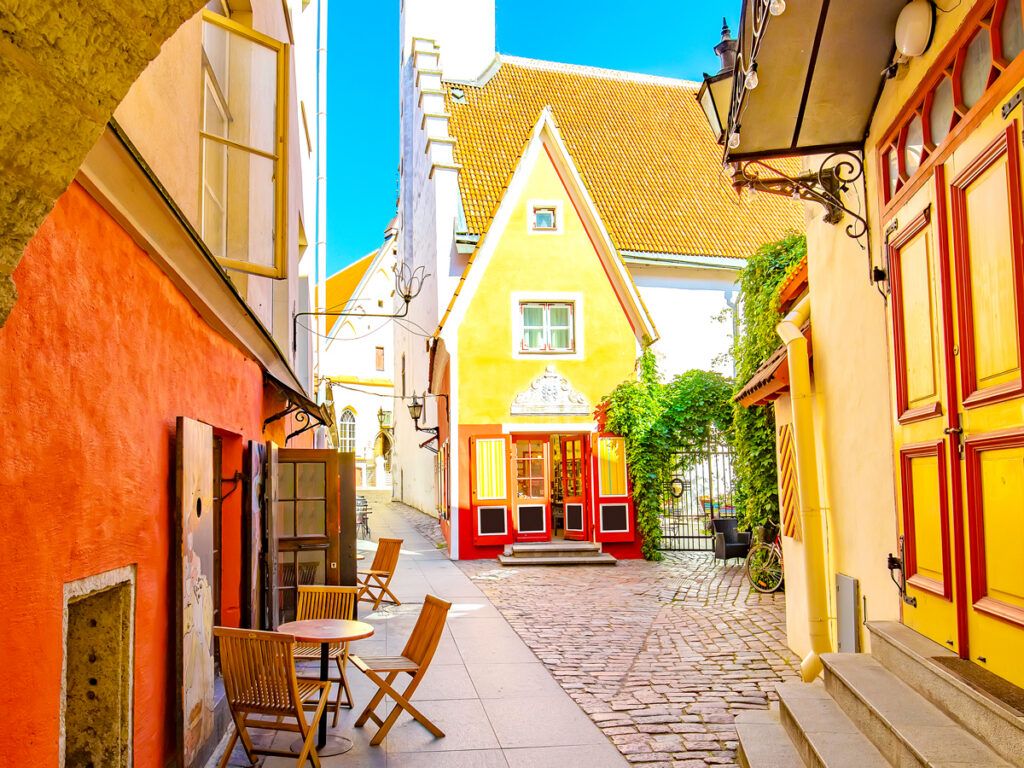
Number of tourist nights: 6.65 million
From island-hopping and cycling around the West Estonian Archipelago to hiking the Baltic Trails, Estonia is a paradise for outdoor enthusiasts. In fact, over half of the country is covered in forests.
Culture-wise, Tallinn’s UNESCO-listed Old Town is a highlight: Its cobblestoned lanes, church spires, and medieval walls stand in interesting contrast with the capital’s forward-thinking Smart City model — which encourages innovations around urban planning, public transportation, renewable energy sources, waste management, and more.
5. Montenegro
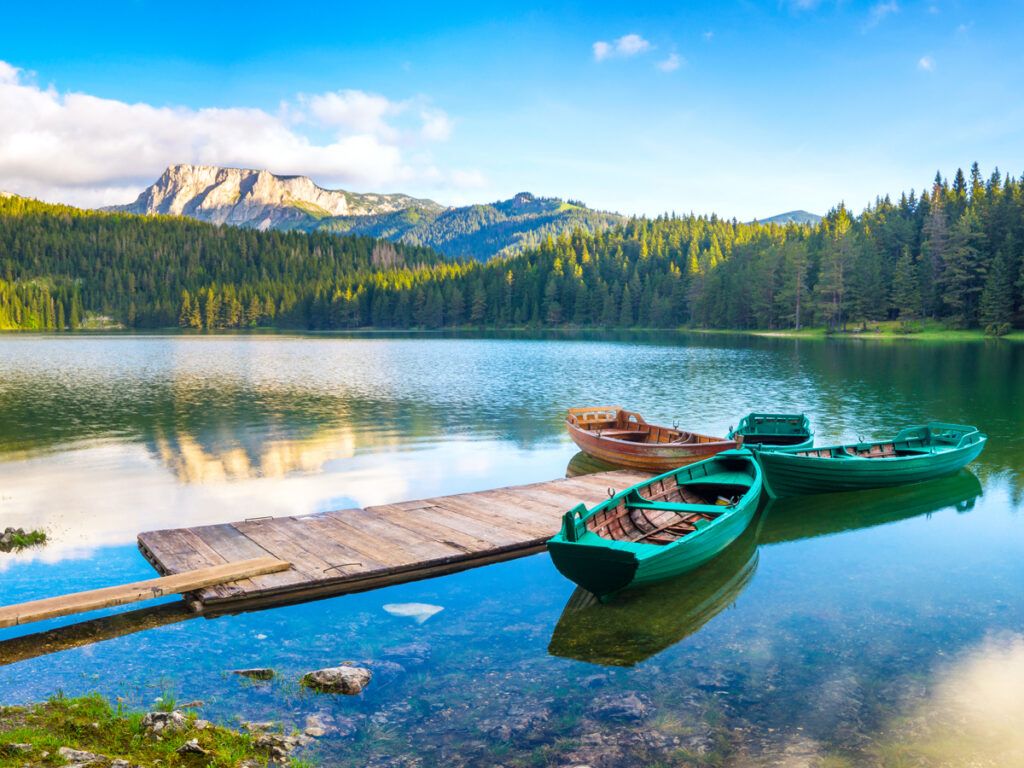
Number of tourist nights: 5.20 million
First-time visitors to Montenegro are often surprised by how much variety is packed into such a small country. Along the Adriatic coastline, medieval towns like Budva and secluded beaches give way to dramatic inland landscapes dominated by rugged mountains.
The interior’s jewel is the UNESCO-listed Durmitor National Park, where limestone peaks, glacial lakes, and river canyons set a dramatic scene for hiking and camping. Back on the coast, the Bay of Kotor offers postcard-perfect views, with historic settlements perched around its scenic shoreline.
4. Latvia
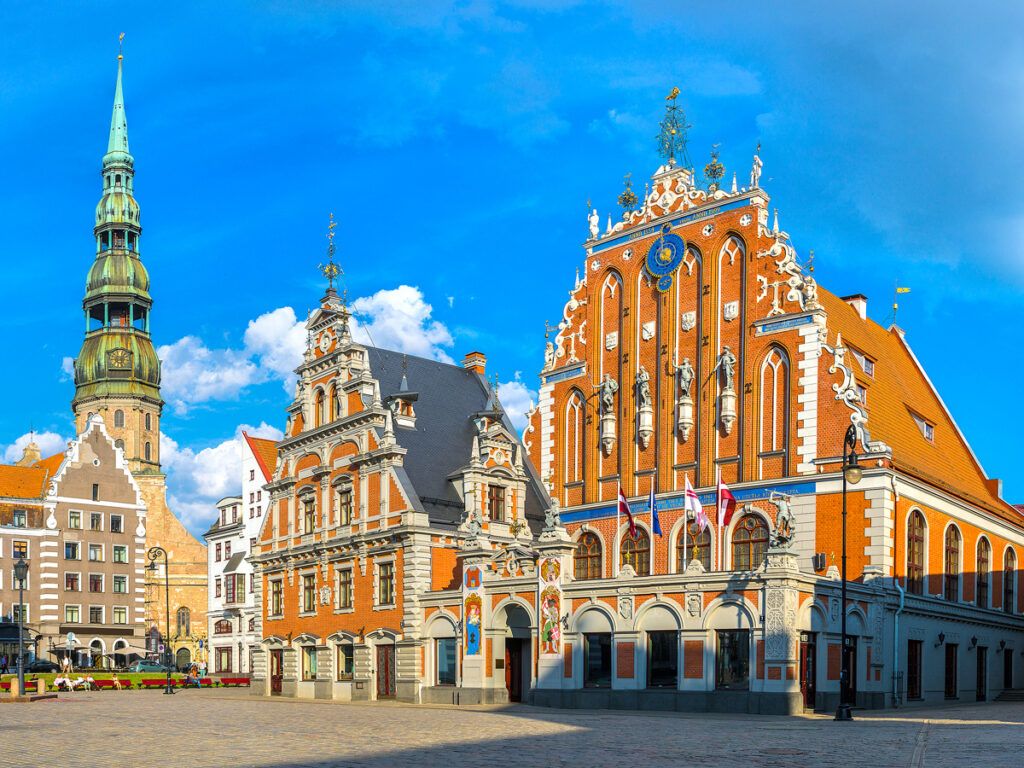
Number of tourist nights: 4.69 million
Latvia is a former Soviet republic located between Estonia and Lithuania. It offers visitors a mix of storybook towns, Art Nouveau architecture, and wild landscapes — all without the crowds of Western Europe.
In the coastal capital of Riga, the Old Town is littered with curious sculptures and several Art Nouveau masterpieces. Dense forests cover much of Latvia’s interior, while beach resorts like Jūrmala dot its Baltic shores. For nature lovers, Gauja National Park and Slītere National Park deliver year-round outdoor adventures, and the nation’s sauna culture provides the ideal opportunity for relaxation and rejuvenation.
3. Luxembourg
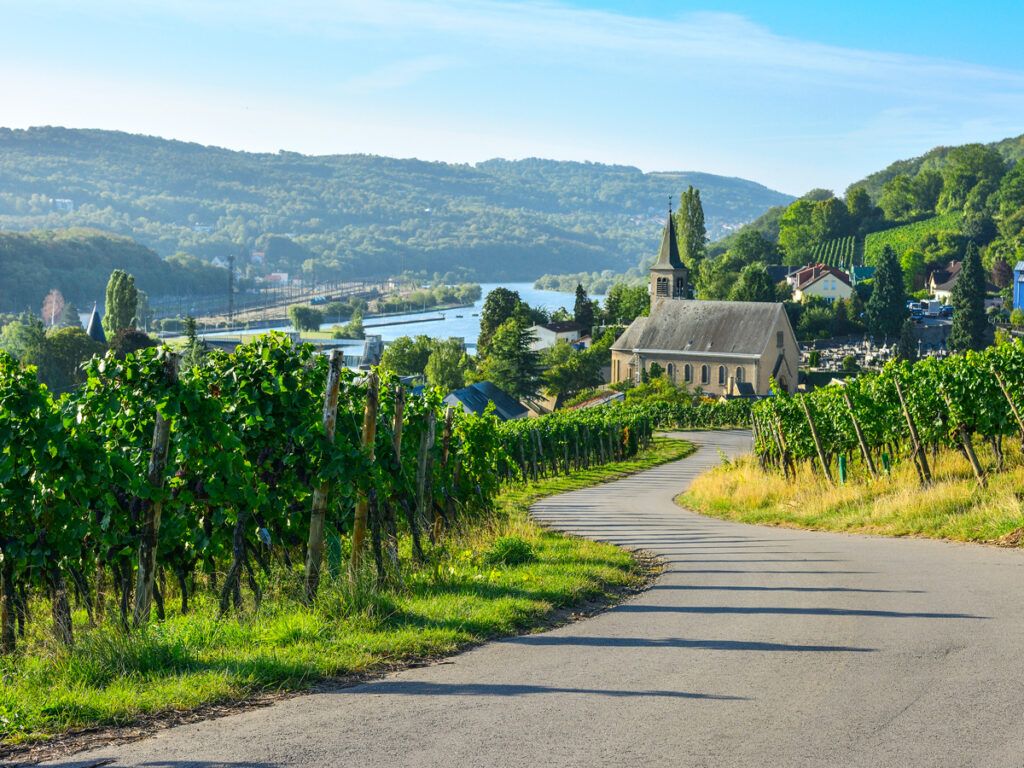
Number of tourist nights: 3.68 million
Landlocked in Western Europe, Luxembourg is one of the happiest and wealthiest countries in the world. However, comparatively few tourists make it here. Those who do will discover a compact destination where ancient castles, vineyard-covered valleys, and world-class hiking are never far away.
Luxembourg City, a pint-sized capital that grew around a hilltop fortress established to fend off attacks from the French and Spanish, is a great starting point. Stroll through its peaceful gardens and elegant promenades as you admire the historic fortifications and flashy residences. From there, it’s easy to reach Éislek’s fairy-tale castles, the rocky landscapes of the Mullerthal region, and wineries along the Moselle river.
2. North Macedonia
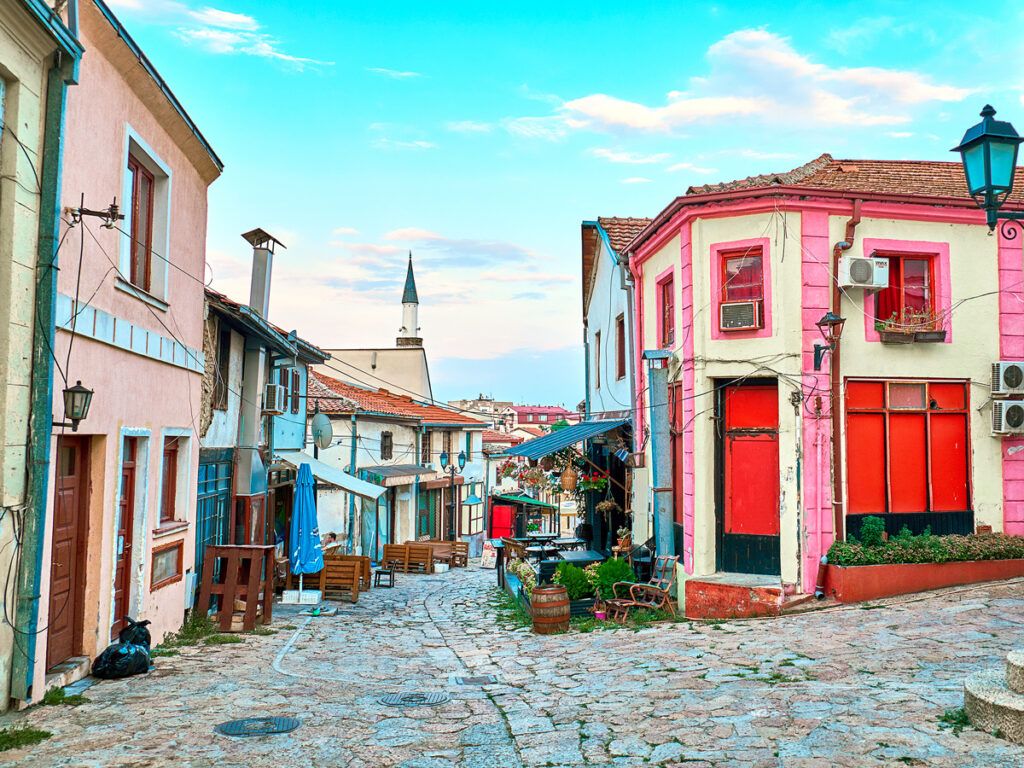
Number of tourist nights: 2.18 million
Back in the Balkans, North Macedonia became an independent nation following the breakup of Yugoslavia in 1991. The country, then known as Macedonia, adopted its present-day name in 2018 after a long-running dispute with Greece was resolved. A landlocked country, North Macedonia delivers a captivating blend of Balkan, Byzantine, and Ottoman history. In the capital, Skopje, the Old Bazaar is filled with artisan workshops, cafés, and historic mosques.
Nearby, the Matka Canyon attracts visitors with its emerald-green waters and centuries-old monasteries. To the southwest, the onetime Greek colony of Ohrid sits on the shores of Lake Ohrid, shared with Albania. Head to the clifftop Church of St. Jovan the Theologian at Kaneo for the best lake views.
1. Liechtenstein
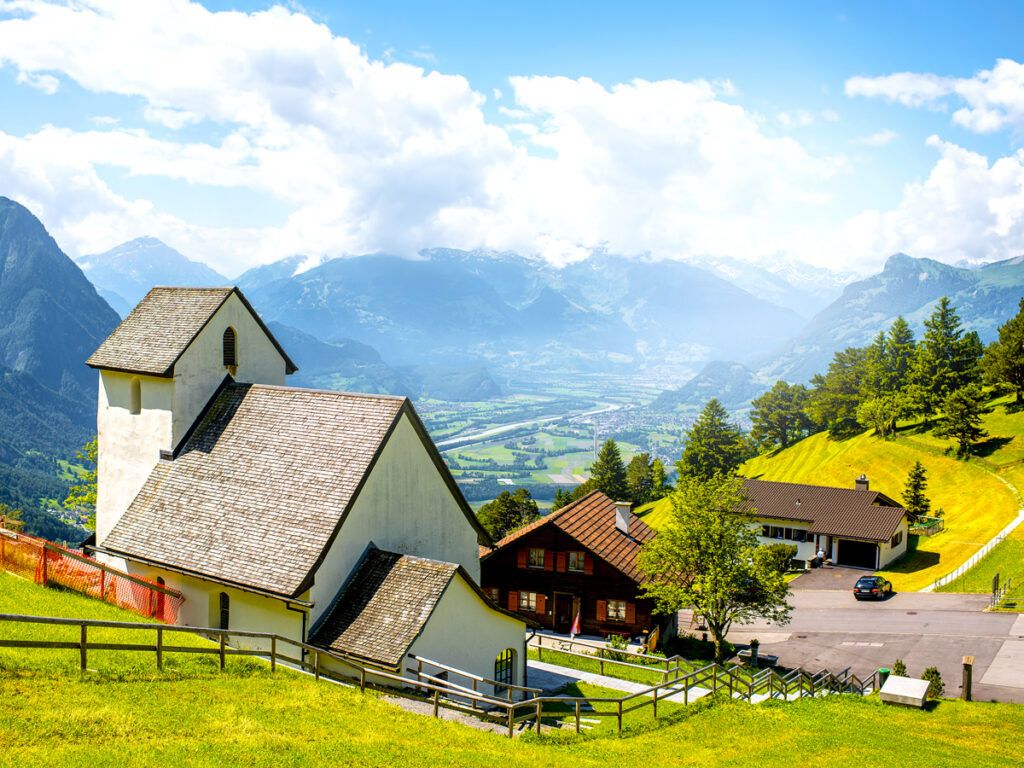
Number of tourist nights: 228,579
Liechtenstein might welcome fewer visitors in a year than France and Spain receive in a day, but don’t let those stats deter you from planning a trip. One of only two doubly landlocked countries in the world, alongside Uzbekistan, Liechtenstein is packed with alpine scenery and medieval architecture.
The 12th-century Vaduz Castle looms over the capital city of Vaduz, one of the world’s smallest capitals, while Burg Gutenberg is straight out of a fairy tale. Liechtenstein is located in the heart of the Alps, where unrivaled biking, hiking, and skiing await. And adding to its quirkiness (and its low visitor count), Liechtenstein is one of just five countries without an airport.
More from our network
Daily Passport is part of Inbox Studio, an email-first media company. *Indicates a third-party property.