






Do Airlines Have Dress Codes?


Though it may seem that airfares are exorbitant now, flying in the 1950s and 1960s was, adjusting for inflation, significantly more expensive than it is today. The outfits worn by those affluent enough to step on board reflected this, as passengers typically dressed to impress. For men, a suit and tie was expected, while women often accessorized a formal dress with a hat and gloves.
But by the 1970s, commercial air travel had become much more common. According to the National Air and Space Museum, the number of passengers increased fourfold between 1955 and 1972 — flying was no longer exclusive. The outfits travelers wore on planes evolved, too, as people dressed for comfort over style, and casual attire became the norm. These days, though, how casual is too casual? Let’s examine what will (and won’t) fly when it comes to airline dress policies.
Contracts of Carriage
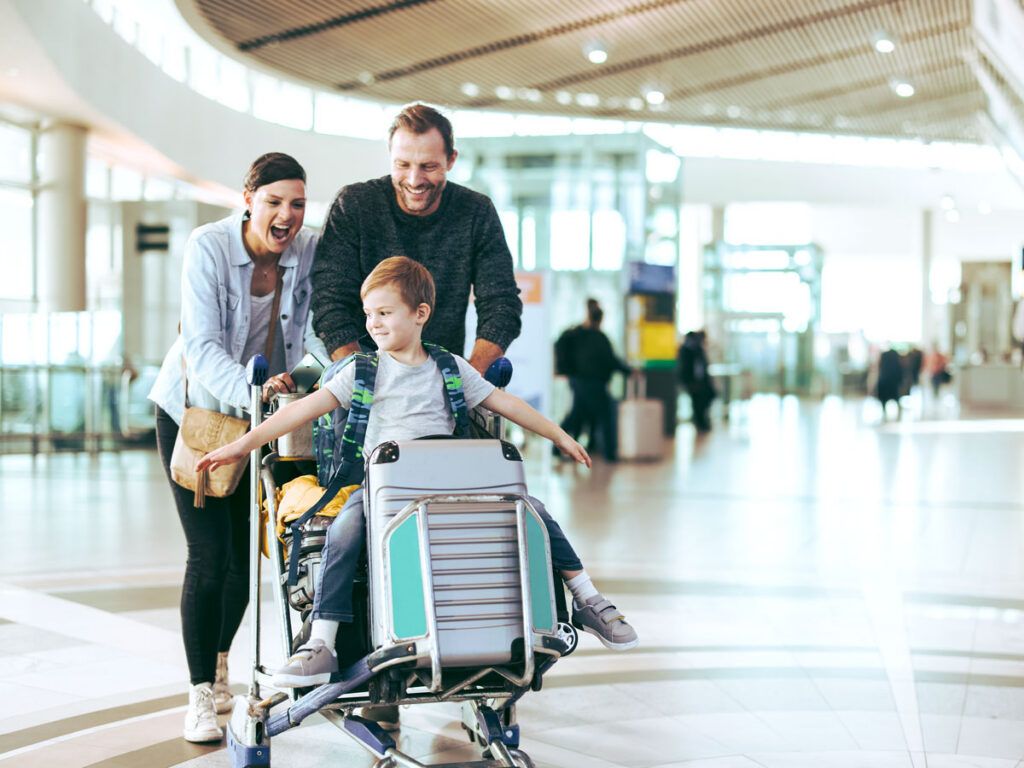
Airlines typically set out what they expect of passengers in their contracts or conditions of carriage. You’ll almost always find reference to a dress code of sorts, usually intended to ensure the way you dress doesn’t offend those sitting close to you. No airline wants to risk an altercation at 30,000 feet, so it falls to gate staff and flight attendants to enforce these conditions before an issue arises.
However, the terminology used tends to be vague. For example, American Airlines states that passengers must “dress appropriately; bare feet or offensive clothing aren’t allowed.” Delta goes a little further: Its contract of carriage states that “Delta may refuse to transport or may remove passengers from its aircraft … when the passenger’s conduct, attire, hygiene or odor creates an unreasonable risk of offense or annoyance to other passengers.”
Southwest’s contract of carriage follows a similar vein. The document specifically mentions the need for footwear; if you’re over 5 years of age, you’ll need a valid medical reason not to be wearing shoes when you board. “Engaging in lewd, obscene or patently offensive behavior, including wearing clothes that are lewd, obscene or patently offensive” will also ensure you have to make alternative travel arrangements.
As you can probably tell, most airlines steer clear of defining what exactly constitutes “offensive” clothing, giving airline gate staff and flight attendants discretion to decide on a case-by-case basis.
High-Profile Incidents
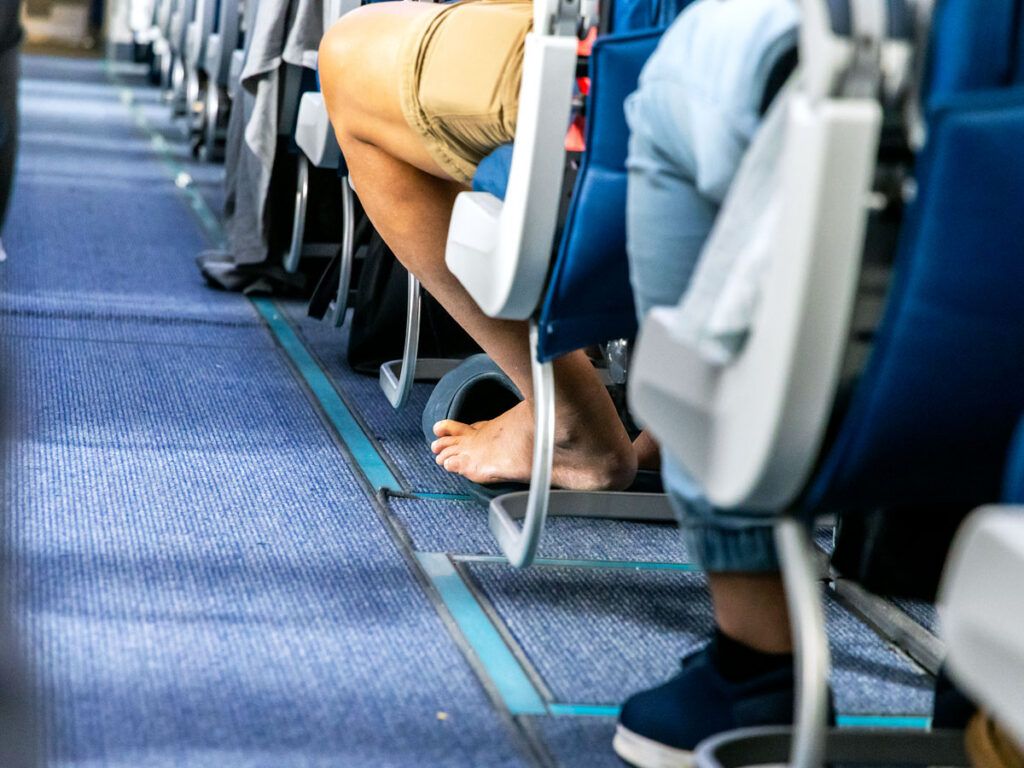
Thanks to the power of social media, videos from airline passengers in recent years have called attention to onboard dress codes. After an incident in October 2024 in which two women claimed they were kicked off a Spirit Airlines flight for wearing crop tops, the airline updated its contract of carriage in early 2025 to be more explicit about how passengers can be refused boarding because of their attire.
The new wording specified that a passenger who “is barefoot or inadequately clothed (i.e., see-through clothing; not adequately covered; exposed breasts, buttocks or other private parts) or whose clothing or article, including body art, is lewd, obscene or offensive in nature” won’t be flying with them.
However, incidents like these have also sparked backlash online. Critics have said that because airline dress code policies are vague by design, they leave room for flight crews to enforce them unevenly, often disproportionately targeting women.
What Clothing Might Be Deemed Offensive?

During a flight, those on board are confined in a relatively small space, and if tensions escalate, the plane may have to divert to the nearest airport. It’s no surprise, then, that flight crews are keen to be proactive and take action to prevent unruly behavior from happening in the first place.
One way airlines try to avoid it is by banning clothing that might cause an argument. Apparel with provocative slogans, such as anything overtly political or containing profanities, is one example. Similarly, a passenger dressed in a manner that might offend someone else — for instance, showing a considerable amount of skin — is also likely to attract the attention of the flight crew.
Where You Fly Matters

While casual attire is perfectly acceptable across North America, there are parts of the world where dressing more conservatively is common. If you plan to transit via Doha, Qatar, for example, then it’s wise to observe societal norms, as Qatar embraces traditional Islamic values. Choosing a travel outfit that covers your knees and shoulders shows respect and awareness.
In addition, some countries don’t permit civilians to wear camouflage gear, reserving such attire for the military. These include popular Caribbean vacation spots such as Barbados, Trinidad and Tobago, and St. Lucia. Even if you can prove to gate staff that you’re carrying a change of outfit, it’s probably not worth the risk of being denied boarding.
Why Shoes Are Important
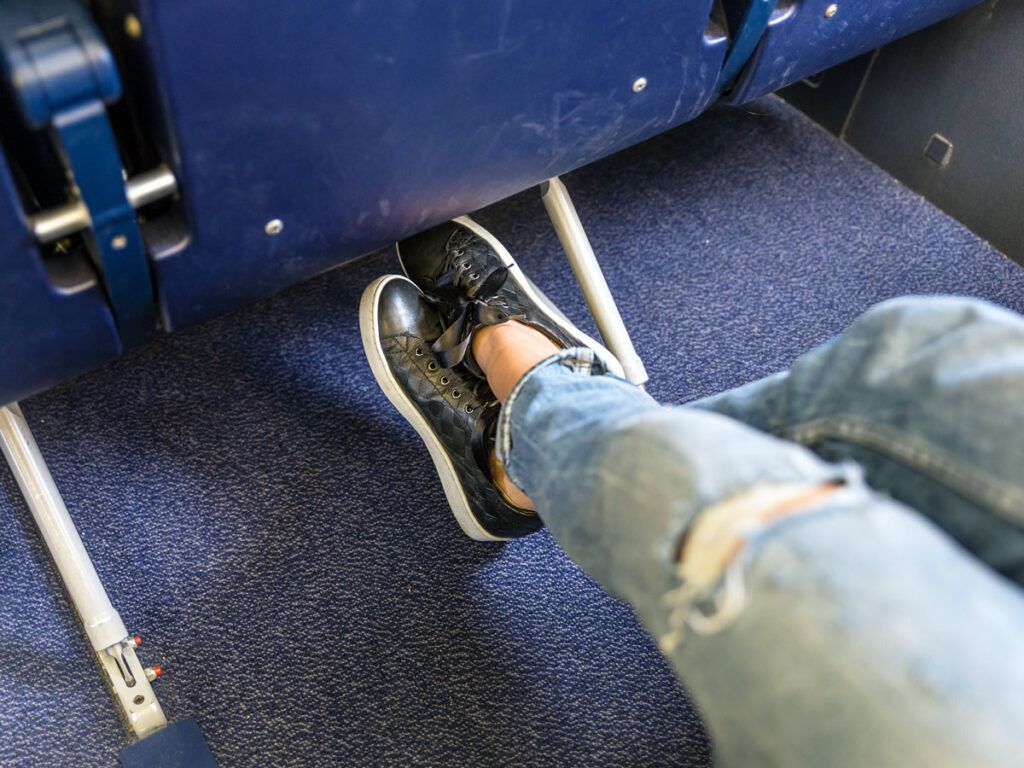
Airlines also require passengers to wear footwear in their conditions of carriage, and this comes down to two reasons: health and safety. Though aircraft cabins are cleaned regularly, floors — especially those in lavatories — certainly aren’t spotless, particularly where airlines need to achieve a quick turnaround to stay on schedule.
However, the rule is primarily safety-driven. In the event of an emergency, wearing footwear might be crucial. For instance, if the plane has encountered extreme turbulence, the floor of the cabin could be strewn with broken glass or something equally hazardous to a barefoot passenger.
Even on a routine flight, ditching your shoes is a bad idea. When flight attendants bring out the trolley during food service, they need to maneuver it along a narrow aisle, and it’s not always easy for them to see that their path is clear. If that trolley rolls over your foot, you’ll certainly wish you’d put something between the wheels and your toes. So, even though they aren’t on the banned list, you might wish to reconsider wearing flip-flops next time you fly.
More from our network
Daily Passport is part of Inbox Studio, an email-first media company. *Indicates a third-party property.