





5 Critical Airport Jobs You’ve Never Heard Of
5 Critical Airport Jobs You’ve Never Heard Of
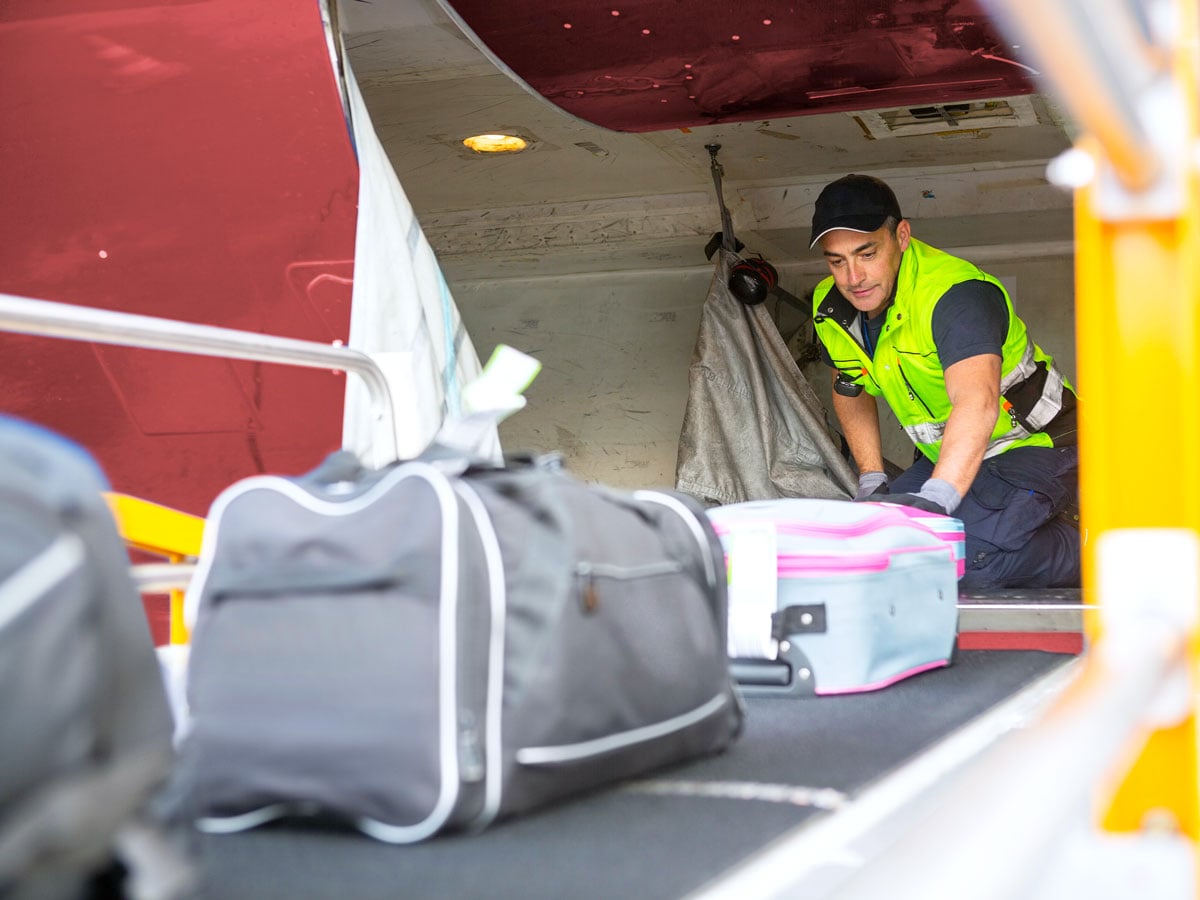

When navigating an airport, you come face to face with many different employees, such as TSA officers, gate agents, and flight attendants. But there’s a plethora of other people working behind the scenes to ensure everything at an airport runs smoothly — and you’ll never see most of them. The people working these “invisible” jobs perform their duties without drawing public attention, so the average traveler may not realize the roles even exist. Discover five of these lesser-known — and often fascinating — airport professions that keep your flight on schedule.
Wildlife Hazard Manager
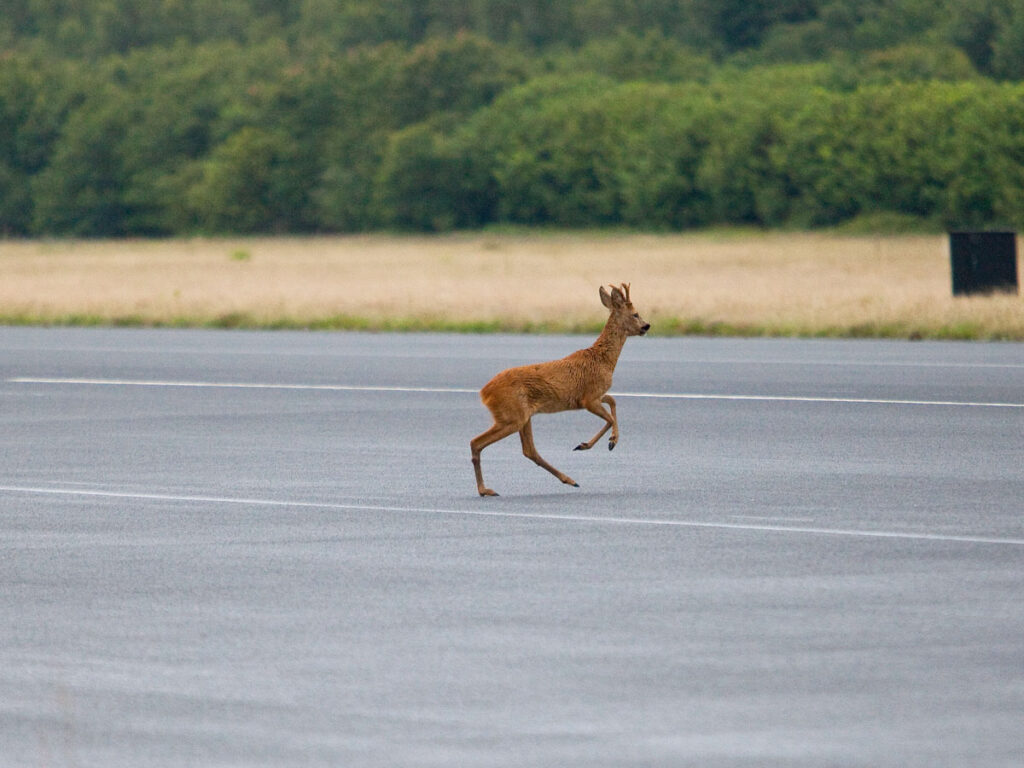
Animals around airports pose a major risk to aircraft if not suitably managed. This is especially true of birds, which account for 97% of airplane strikes, and mammals such as deer, which cause the remaining 3%. By keeping the tarmac and flight paths clear, wildlife hazard managers lessen the risk of these events from occurring. Typically, there isn’t one single wildlife hazard management role at an airport, but rather a variety of specialized fields dedicated to preventing incidents between airplanes and animals.
One example of a job that falls under the wildlife hazard management umbrella is serving on the Bird Strike Committee, an organization that analyzes data about past collisions and bird flight patterns, and passes that information on to specific airports. Another critical role involves maintaining the landscape around an airport’s runway. Various trees and bushes can provide animals with shelter or food, and certain employees are tasked with removing that foliage to deter animals from coming too close to the runway. Some airports also employ professional falconers to deploy their highly trained falcons in the vicinity of the runway. These falcons can scare off other birds and mitigate the risk of bird strikes.
Airfield Lighting Technician
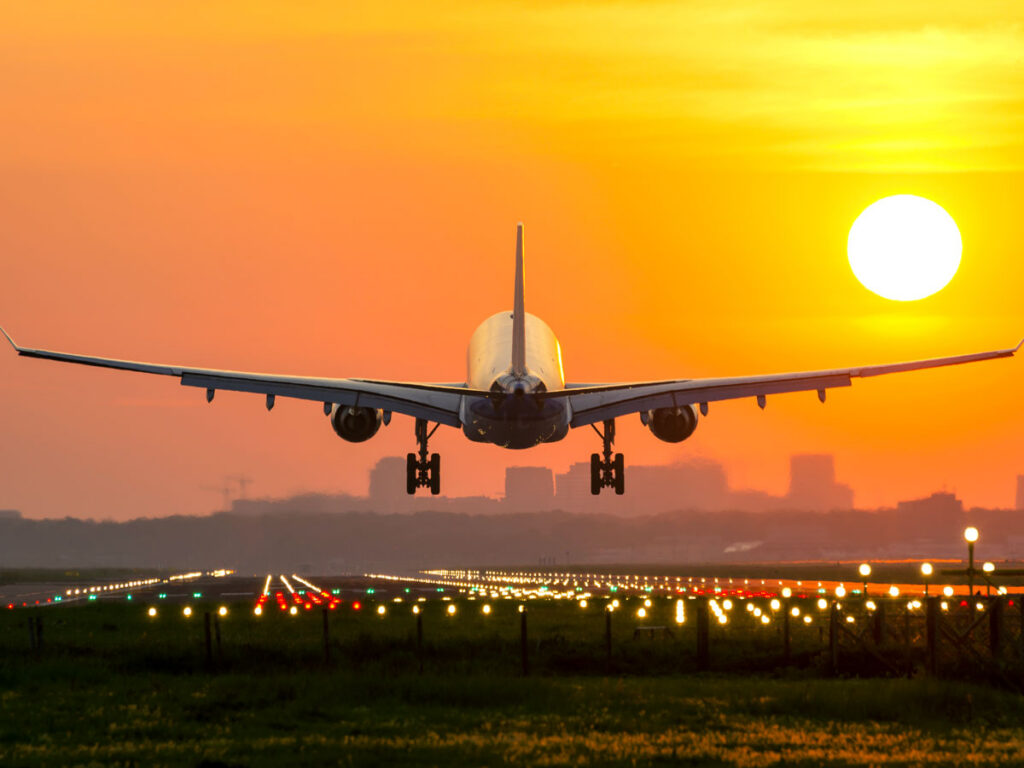
Tarmac and runway lighting systems are essential for nighttime operations or in the event of low visibility. Though they’re far more powerful than the bulbs in a bedside lamp or ceiling light, like those fixtures, lights on the runway may dim or fizzle out over time. This is why airports employ airfield lighting technicians who are specially trained to keep the tarmac glowing bright.
These technicians are required to inspect, test, clean, repair, and handle all other matters related to light fixtures located on the tarmac. They’re also trained to work during adverse weather conditions — for example, if lights go out during a torrential storm, these techs work tirelessly to restore power so that aircraft can land safely. They’re required to adhere to strict FAA safety protocols and must be trained to work with high-voltage systems of up to 5,000 volts of electricity. Employees in this role are frequently on call for all emergencies 24 hours a day, seven days a week.
Aircraft Loadmaster
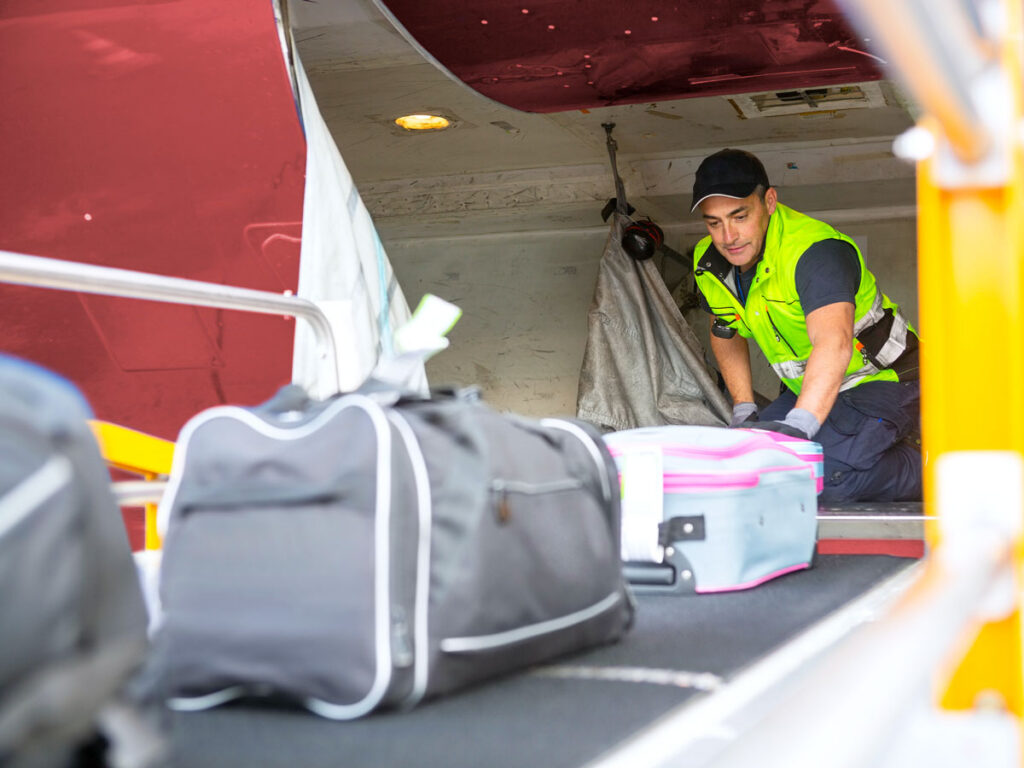
The loadmaster (or a similar role called a load planner) plays an integral role in ensuring that planes stay properly balanced in the sky. It’s their responsibility to ensure that weight is evenly distributed throughout the aircraft. Loadmasters are commonly employed in the military, but also for commercial cargo flights.
Loadmasters use precise mathematical calculations to determine each plane’s center of gravity, which allows them to plot out where all the cargo should be safely stored. They’re also responsible for the safe placement of any unusual or sensitive cargo, such as ammunition or fragile medical devices. If these items are stored improperly, it can cause damage to the craft and the cargo itself. Once the airplane is loaded for departure, the loadmaster makes sure that everything is firmly strapped down so that it doesn’t shift around during the journey.
Foreign Object Debris Inspector
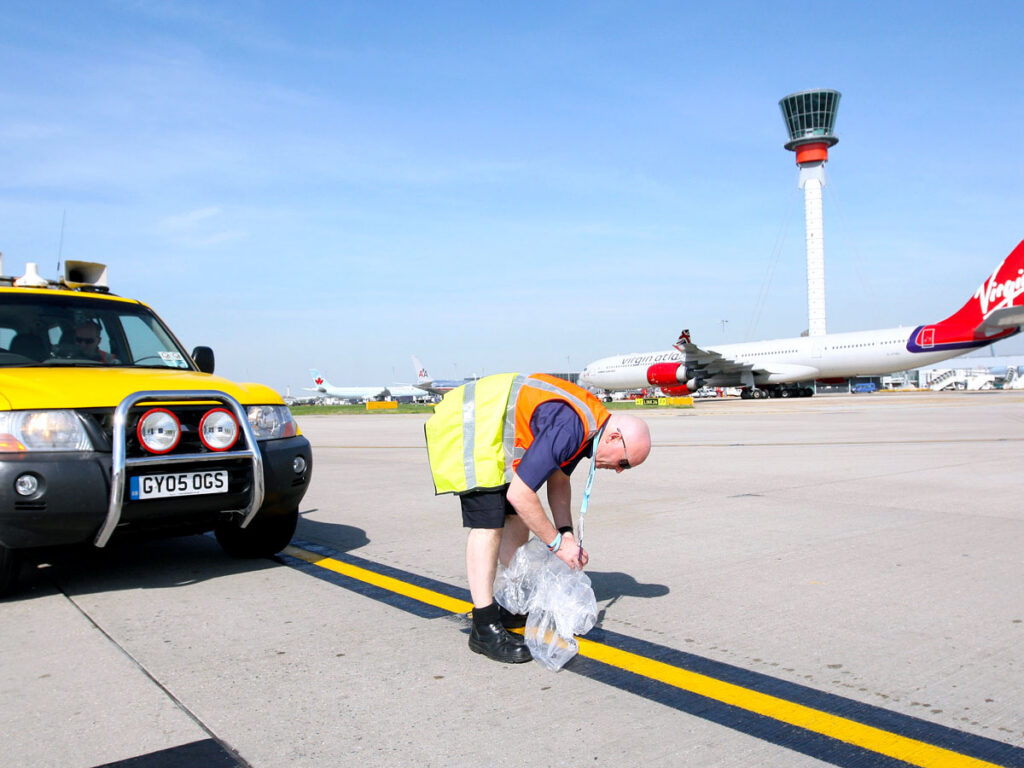
The foreign object debris (FOD) inspector is tasked with flagging potentially hazardous objects on the runway (or anywhere else in the airport) that may cause harm or damage to staff, passengers, or aircraft. Some common objects they look out for include nuts, bolts, wildlife, rocks, rubber from tires, or any other materials that may end up on the runway. While many of the items may seem quite small, they could pose a risk of puncturing the airplane’s tires.
FOD inspectors use a combination of runway walks, ground-based radar, and various cameras and sensors to check the tarmac for potential hazards. If the FOD inspector notices anything amiss, they’re expected to report the issue to air traffic control and implement safety measures to clean up the hazards. If the problem is deemed significant enough, a team will be dispatched to the runway to remove the hazards, sometimes using specialized vehicles with built-in vacuums and magnetic sweepers to scoop up the debris — even if that means temporarily suspending flights until the tarmac is clear.
Runway Friction Tester
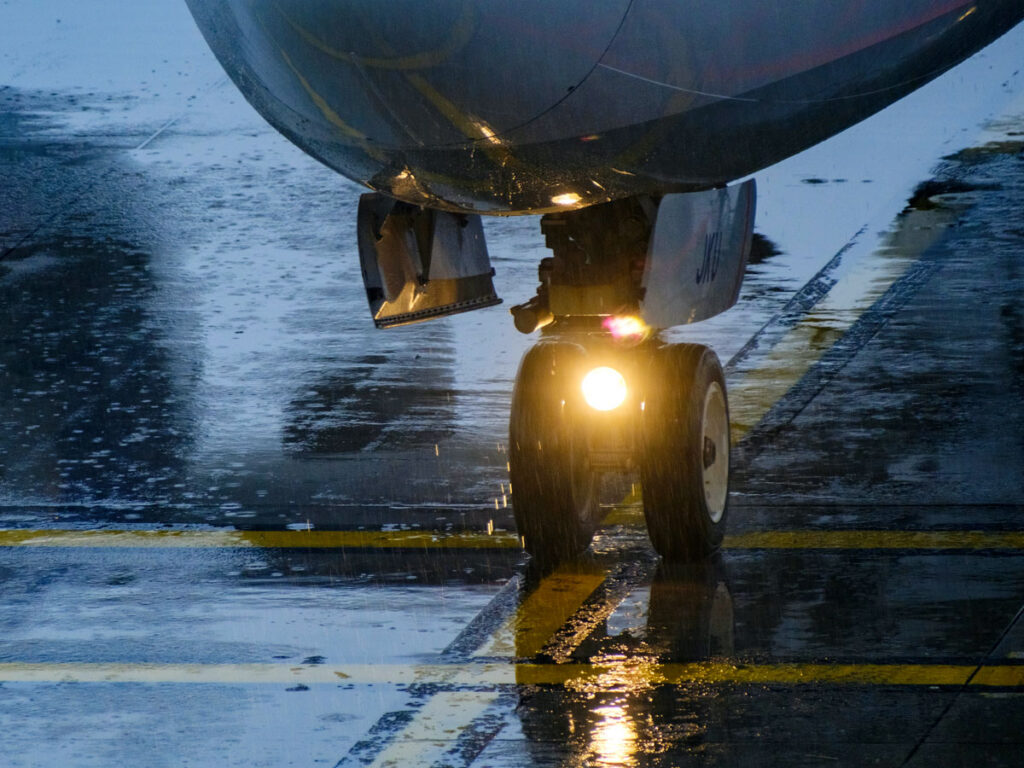
Runway friction is an important consideration for making sure that airplanes can take off and land safely. This is an especially notable concern in cases of inclement weather, as rain or snow may cause the runway to become too slick. To determine if there’s enough runway friction to perform safe takeoffs and landings, airports employ a runway friction tester. These testers drive a specially designed vehicle across the runway, which uses a built-in sensor system to measure runway friction.
The FAA requires suitable friction conditions on at least two runways in order for an airport to operate in a safe manner. For this reason, runway friction testers will regularly perform journeys across each runway to perform tests. These vehicles are also designed with a self-watering feature that sprays water in front of the car and allows them to simulate wet conditions, even on non-rainy days. This helps ensure that even if it starts to rain, the runway will maintain enough friction to withstand those conditions.
More from our network
Daily Passport is part of Inbox Studio, an email-first media company. *Indicates a third-party property.