






What Happens if You Forget To Declare Something at Customs?
What Happens if You Forget To Declare Something at Customs?


When arriving from an international flight, travelers are required to pass through customs to verify their identity and declare any items they’re carrying with them. This ensures any necessary duties are paid and the items are permitted in your country of arrival. But what happens if you forget about one or two of those items — or don’t realize you were supposed to declare them in the first place? Should you automatically assume you’re in trouble with the local authorities, or is there a bit of leniency when it comes to these sincere slipups? Here’s what happens when travelers forget to declare potentially problematic items at customs.
What To Declare

Before discussing the potential penalties for failing to declare something at customs, it’s helpful to know which items you should and shouldn’t declare. While each country has its own specific set of guidelines to be aware of when visiting, let’s examine the United States as an example.
The official rules require travelers entering the U.S. to declare all food, agricultural items, alcohol in excess of 1 liter, tobacco in excess of 200 cigarettes or 100 cigars, currency above $10,000 USD, and medications up to a 90-day supply. You should also declare any items purchased abroad, especially those of great value or made of sensitive materials such as ivory. If you’re unsure about whether you need to declare something, U.S. Customs and Border Protection advises, “If in doubt, declare it” — there’s no harm in being overly cautious.
If you forgot to declare something and are pulled aside for further inspection, the first thing you should do is inform the agent of your error. While this admission won’t get you off scot-free, it’s better to declare something late than to have the agent discover the item themselves, and it might suggest to the agent that you’re being sincere about your mistake.
Potential Forfeiture
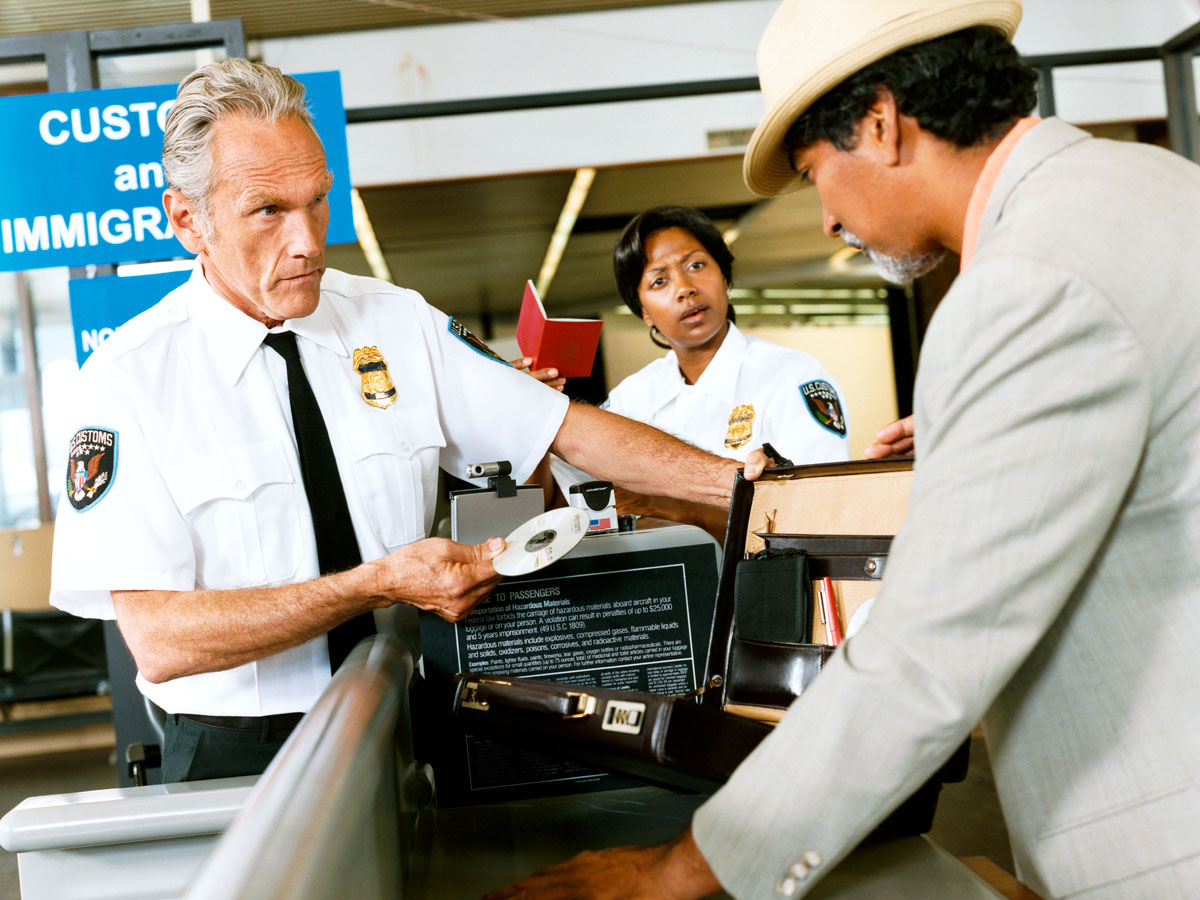
In the U.S., customs agents have the legal authority to confiscate items if you forget to declare them, even if they are legally permitted in the country. Upon seizing the goods, the customs officer will pass the case along to a supervisor for approval, who will then refer the case to the Fines, Penalties, and Forfeiture (FP&F) Division. The FP&F Division will ultimately send a Notice of Seizure letter to the violator.
If you have further questions or concerns about any seized property, it’s recommended that you reach out to the FP&F office at your port of entry. If you feel the property was wrongfully seized or have another justifiable reason for its return, you’re entitled to file a petition within 30 days or by the deadline listed on the Notice of Seizure. While there’s no guarantee of its success, it’s your best chance for getting seized goods back.
Fines and Penalties

In addition to potential forfeiture of an undeclared item, forgetful travelers are also subject to hefty fines and penalties. For example, a failure to declare agricultural items results in a $300 fine for first-time offenders and a $500 fine for repeat offenders. Failing to declare currency in excess of $10,000 can result in fines of up to $500,000, depending on the exact amount of cash you’re traveling with.
Other penalties may include the loss of a traveler’s duty-free exemption, which can range from as low as $200 to as high as $1,600, depending on the specific circumstances of your trip. Having this allowance rescinded means you’ll have to pay duty (taxes) on objects purchased abroad, even if they were originally bought in a duty-free shop. All told, a failure to declare may have a substantial impact on your wallet.
Future Travel Issues

If you forget to declare any required goods, customs agents are likely to record those infractions in their records, which can lead to travel headaches down the line. The next time you visit the airport, customs agents will see you’ve committed a past violation and may pull you aside for time-consuming secondary screenings.
Additionally, a failure to declare goods may lead to the revocation of trusted traveler programs such as TSA PreCheck or Global Entry. In the event that your membership in these programs is revoked, you’re entitled to make an appeal, though there’s no guarantee that doing so will work.
Criminal Charges

The most severe penalty for forgetting to declare items at customs is suffering criminal charges or even jail time. While these steps are often reserved for overt cases of smuggling or nefarious wrongdoing, it’s always up to the agent to decide whether or not to pursue charges or an arrest, especially if they conclude the omission was intentional. Potential jail time is determined on a case-by-case basis, but technically, travelers who, for example, bring more than $10,000 in cash are subject to up to 10 years in prison.
The Best-Case Scenario

At the end of the day, forgetting to declare something at customs rarely results in being let go scot-free, though you can likely expect more leniency if you’re cooperative and forthcoming. At the minimum, prepare for any undeclared objects to be seized. Should additional fines or penalties be levied on top of that, do what’s required of you in the moment and file relevant appeals afterward if you feel it was truly an honest mistake.
It’s up to travelers to know the rules about airport customs, and forgetfulness or being uninformed is no excuse for breaking them, even by accident. If there’s a question about whether you should declare an item, it’s best to err on the side of caution to get by without issue.
More from our network
Daily Passport is part of Inbox Studio, an email-first media company. *Indicates a third-party property.