



The World Has a New No. 1 ‘Megacity’
The shift from rural to urban living has been one of the most consistent trends over the last several centuries of human civilization, and it shows no signs of slowing. According to the United Nations, 45% percent of the global population now resides in cities, up from about one-third in 1950. And there’s another interesting trend at play: the boom of so-called “megacities.” As travelers, we’re likely familiar with many of them, but as the global population continues to rise between now and 2050, so, too, will the list of megacities. Discover which booming city is now the world’s most populous urban center, along with the other cities that are projected to join the list over the coming decades.
What Is a Megacity?
Over the last 50 years, the number of “megacities” — which the U.N. defines as a city and its surrounding suburban area housing more than 10 million inhabitants — has more than quadrupled from eight to 33. The number of people living in megacities worldwide also has increased, from 3% to 8% in the same time frame, according to a report titled World Urbanization Prospects 2025: Summary of Results, published by the United Nations Department of Economic and Social Affairs (UNDESA).
Depending on where you live, some megacities will be more familiar than others. They include world-famous population centers like Tokyo, Mexico City, and London, as well as Dhaka, the capital of Bangladesh; Bogotá, Colombia; and Karachi, Pakistan. Interestingly, 19 of the planet’s megacities are found in Asia, including five in India and four in China. On the other hand, Europe has only three megacities, and the U.S. has two (L.A. and New York).
A New No. 1
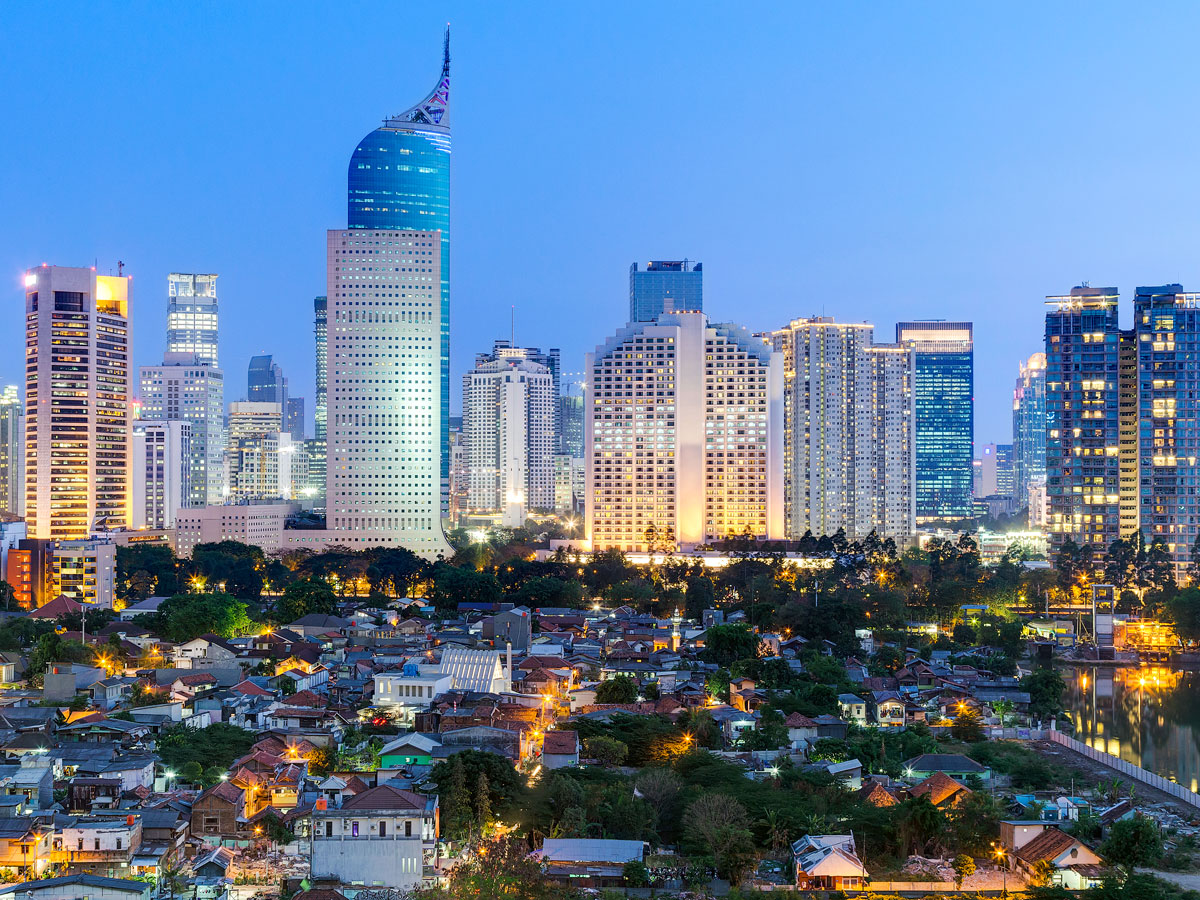
On the topic of megacities, the big headline from 2025 is that, for the first time, Tokyo no longer sits in the top spot. According to U.N. definitions (which differ from other sources), the world’s most populous urban agglomeration is Jakarta, which overtook Tokyo late last year. The Indonesian capital jumped up from No. 33 in 2018 (the last time the U.N. established its rankings) and is now home to more than 42 million people. Dhaka ranks No. 2 with an estimated 36 million inhabitants and could overtake Jakarta by 2050 with over 52 million people living there, according to U.N. estimates. Tokyo, meanwhile, is projected to lose 2.7 million residents by that time.
“Urbanization is a defining force of our time. When managed inclusively and strategically, it can unlock transformative pathways for climate action, economic growth, and social equity,” Li Junhua, head of UNDESA, said in the report. “To achieve balanced territorial development, countries must adopt integrated national policies that align housing, land use, mobility, and public services across urban and rural areas.”
Welcome to the Club
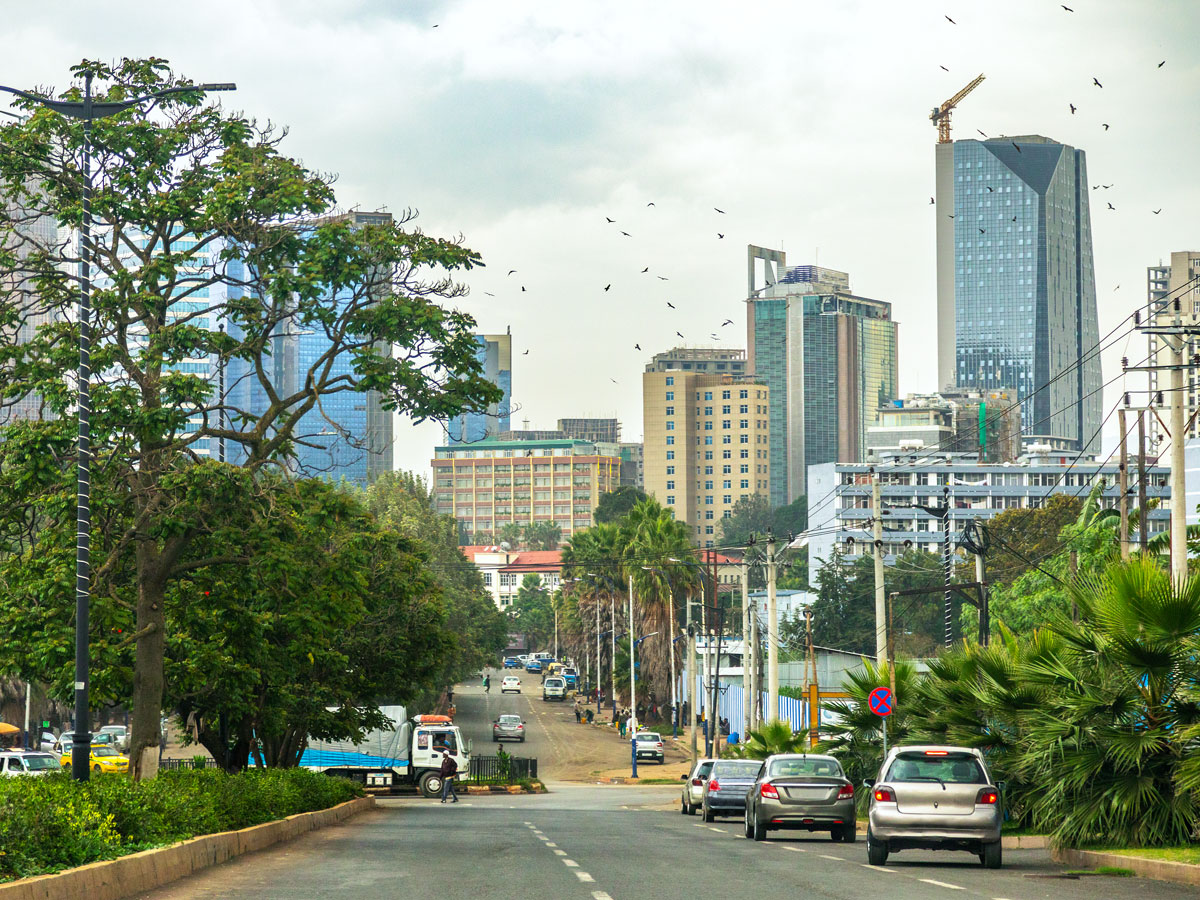
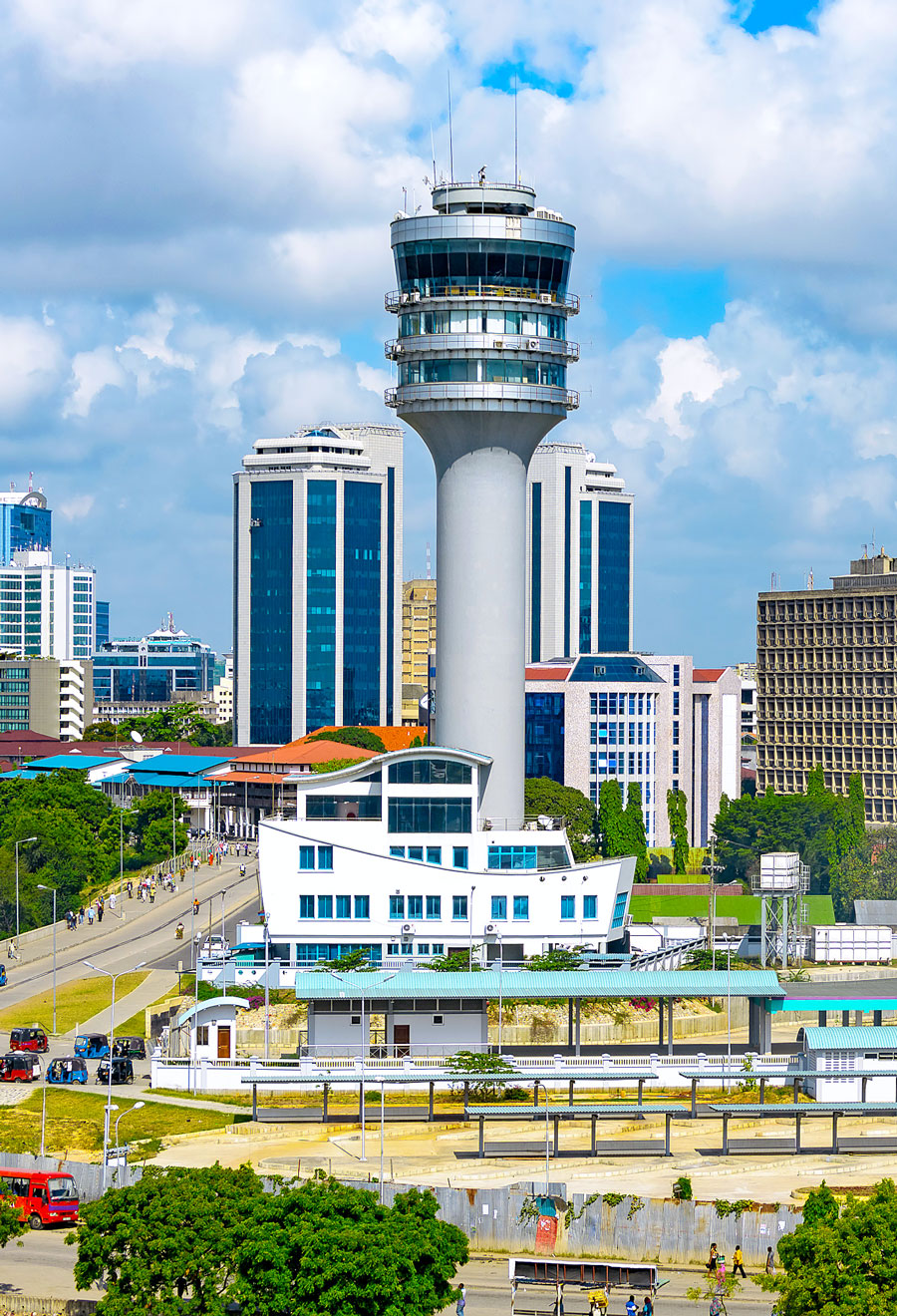
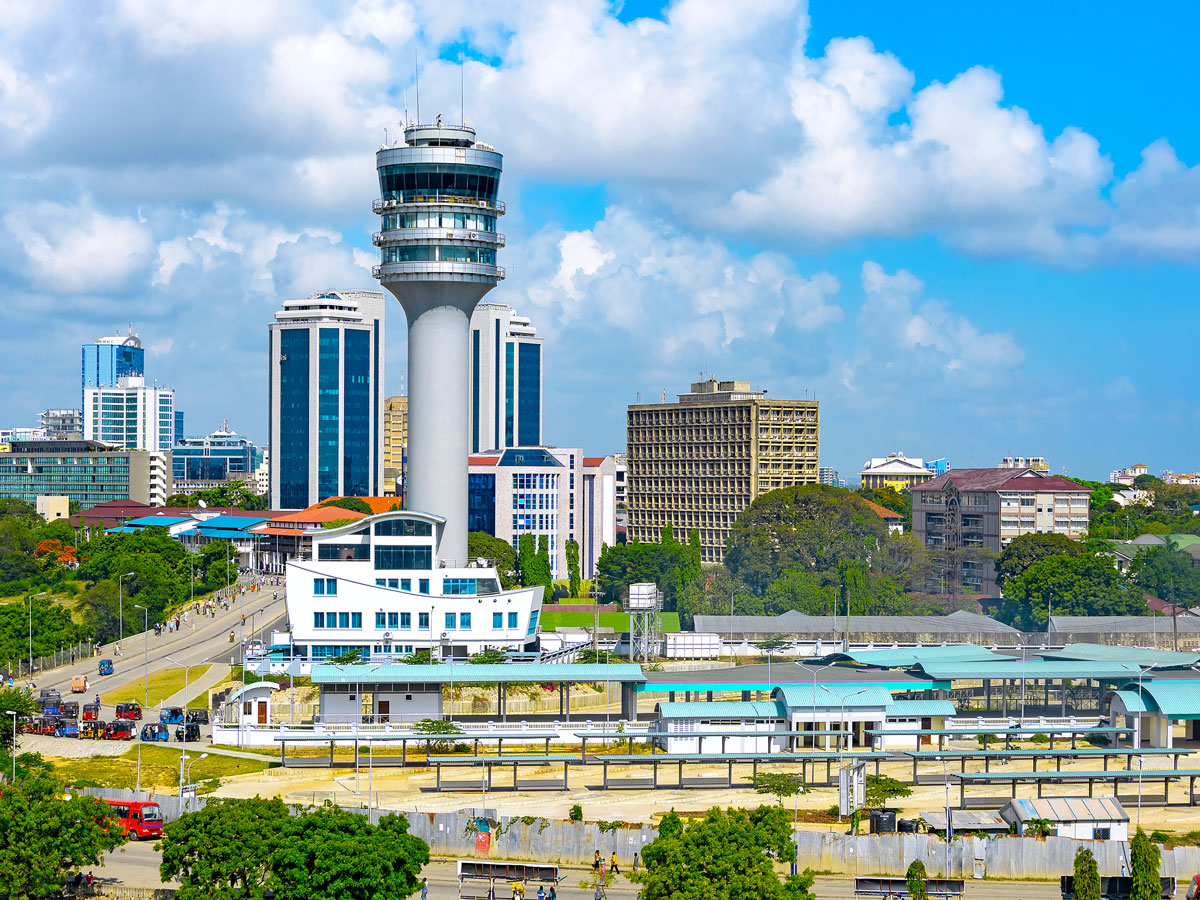
By 2050, four new cities are projected to join the ranks of megacities: Addis Ababa, Ethiopia; Dar es Salaam, Tanzania; Hajipur, India; and Kuala Lumpur, Malaysia. Here’s what the full list could look like then, according to the U.N. report (in alphabetical order):
- Addis Ababa, Ethiopia
- Bangkok, Thailand
- Beijing, China
- Bengaluru, India
- Bogotá, Colombia
- Buenos Aires, Argentina
- Cairo, Egypt
- Chennai, India
- Dar es Salaam, Tanzania
- Delhi, India
- Dhaka, Bangladesh
- Guangzhou, China
- Hajipur, India
- Ho Chi Minh City, Vietnam
- Istanbul, Turkey
- Jakarta, Indonesia
- Karachi, Pakistan
- Kinshasa, Democratic Republic of the Congo
- Kolkata, India
- Kuala Lumpur, Malaysia
- Lagos, Nigeria
- Lahore, Pakistan
- Lima, Peru
- London, England
- Los Angeles, United States
- Luanda, Angola
- Manila, Philippines
- Mexico City, Mexico
- Moscow, Russia
- Mumbai, India
- New York City, United States
- Osaka, Japan
- São Paulo, Brazil
- Seoul, South Korea
- Shanghai, China
- Shenzhen, China
- Tokyo, Japan
More from our network
Daily Passport is part of Inbox Studio, an email-first media company. *Indicates a third-party property.