




5 of America’s Most Fascinating ‘Lost Highways’
5 of America’s Most Fascinating ‘Lost Highways’

Highways are made to connect people and places, but sometimes the road is closed before a journey can even begin. Across the U.S., transportation projects have been abandoned because of funding problems, community opposition, environmental concerns, or changing ideas about how cities should grow. Others have faded into obscurity when newer routes made them obsolete. Today, these so-called “lost highways” offer a glimpse of the roads America almost built, from tunnels that lead nowhere to stretches of pavement frozen in time. Here are five forgotten highways that curious travelers can still explore.
Road to Nowhere – Great Smoky Mountains, North Carolina
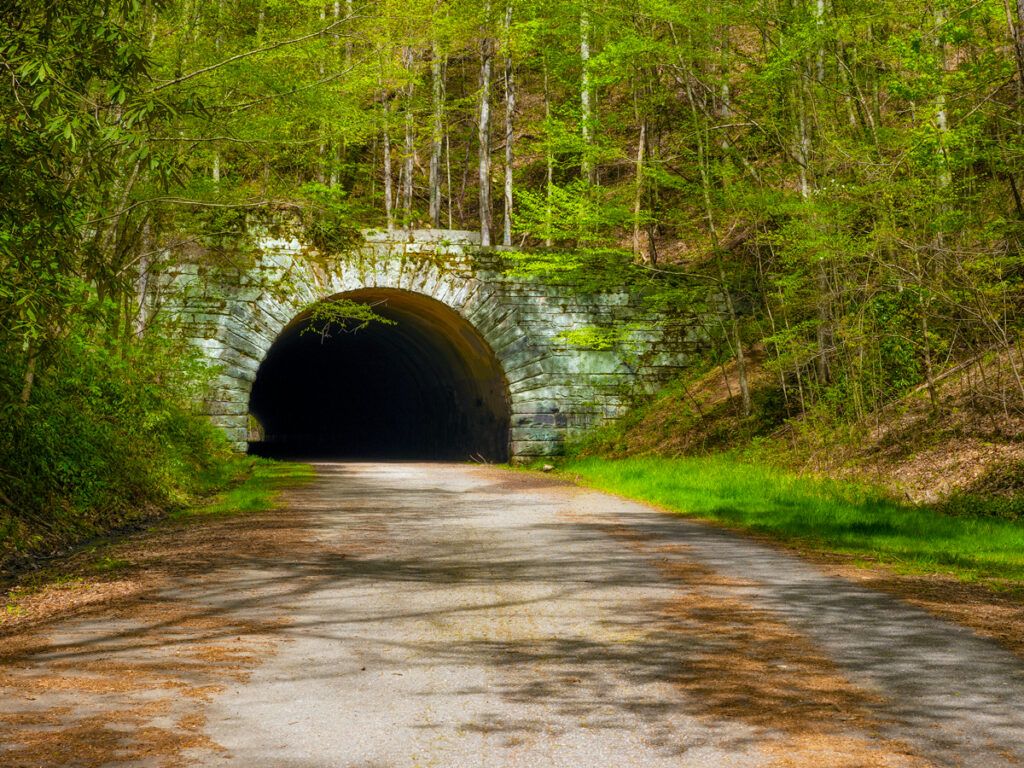
In North Carolina’s Great Smoky Mountains, Lakeview Drive appears to promise a journey through the forest — only to eventually lead visitors to a tunnel with no real destination at the end. Known as the Road to Nowhere, the unfinished route was supposed to reconnect communities after the construction of the Fontana Dam flooded the valley below in the 1940s. Residents were forced out of several mountain communities, and officials promised a replacement road through the mountains.
Construction on the tunnel portion of Lakeview Drive began around 1960, but the project stalled and was eventually abandoned after concerns that the rocks exposed during construction could lead to acid runoff. Today, visitors can check out the Road to Nowhere by following Lakeview Drive East into Great Smoky Mountains National Park, where a short walk leads to the abandoned tunnel. The 1,200-foot-long passage is dark inside, so hikers should have their phone flashlights ready. Beyond the tunnel, trails continue through the park, including routes toward the former town of Proctor.
Mount Hood Freeway – Portland, Oregon
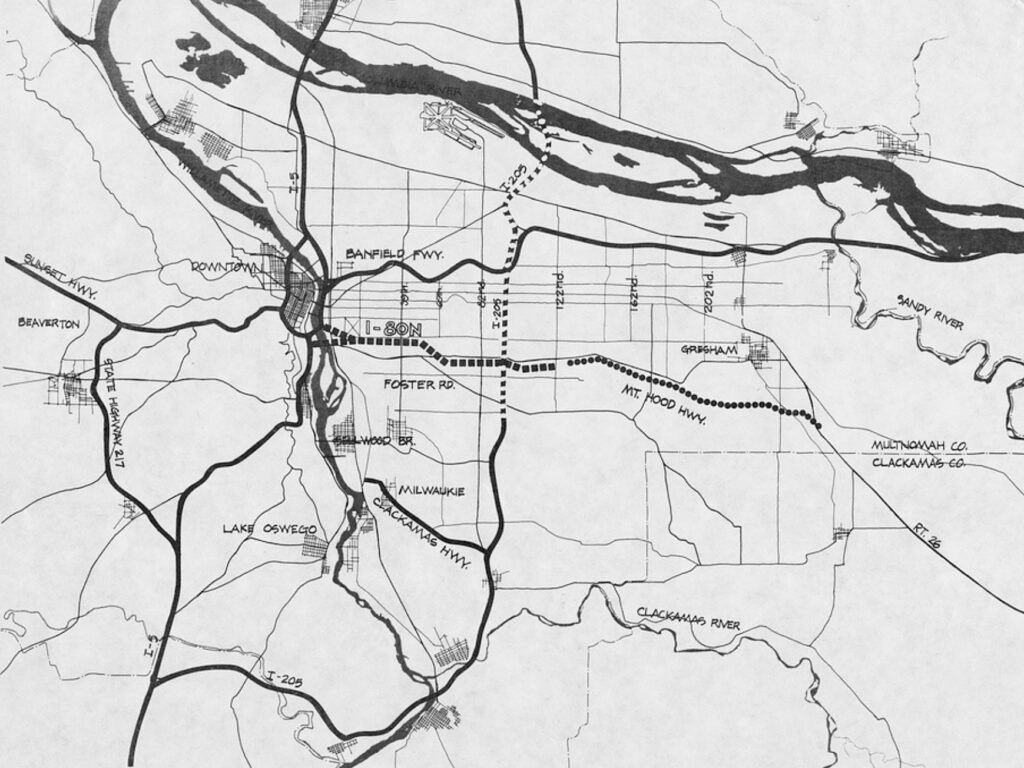
Portland’s Mount Hood Freeway was first proposed in the mid-1950s. The eight-lane project was intended to connect Interstate 5 with the eastern suburbs and create a faster route to Mount Hood. But as plans moved forward, residents objected to the destruction of established neighborhoods, which would have included the demolition of homes and thousands being forced to move.
After years of debate and protests, Portland officials canceled the project in 1974. The unused federal highway funds were instead redirected toward public transportation and helped pave the way for the city’s light rail system. Although there is no empty stretch of asphalt to visit today, some of the land parcels once cleared for the highway were transformed into parks and public spaces, including Piccolo Park, a tiny neighborhood oasis with a playground and greenery all around.
Highway to Nowhere – Baltimore, Maryland
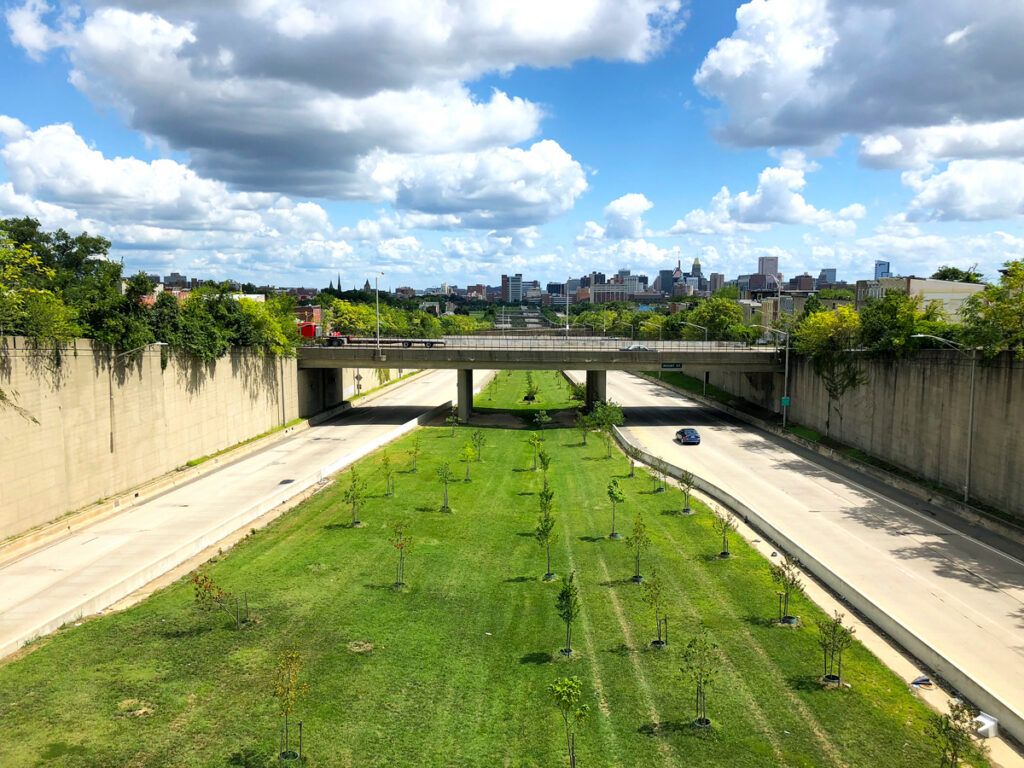
Planned as part of a larger interstate network through Baltimore, the city’s infamous Highway to Nowhere was intended to connect Interstate 70 with I-95 and I-83, creating a faster route from western Baltimore’s suburbs to downtown. Construction began in the 1970s, but building the 1.4-mile stretch of U.S. Route 40 required demolishing hundreds of homes and businesses, thus severing long-established neighborhoods and disproportionately displacing Black residents.
Mounting community opposition eventually halted the larger highway project before it could be completed, leaving behind an elevated, unused roadway. Today, the small Highway to Nowhere still slices through West Baltimore, although city leaders have begun planning ways to repurpose the unfinished stretch and reconnect neighborhoods that were divided when it was built.
The Goat Path – Lancaster, Pennsylvania
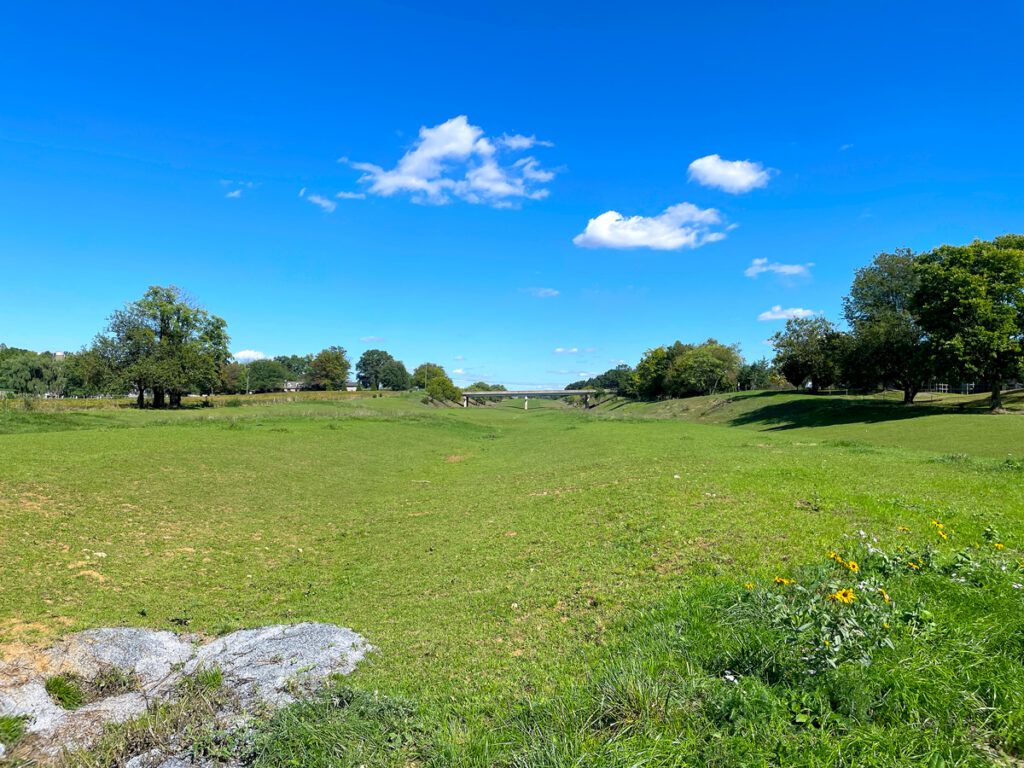
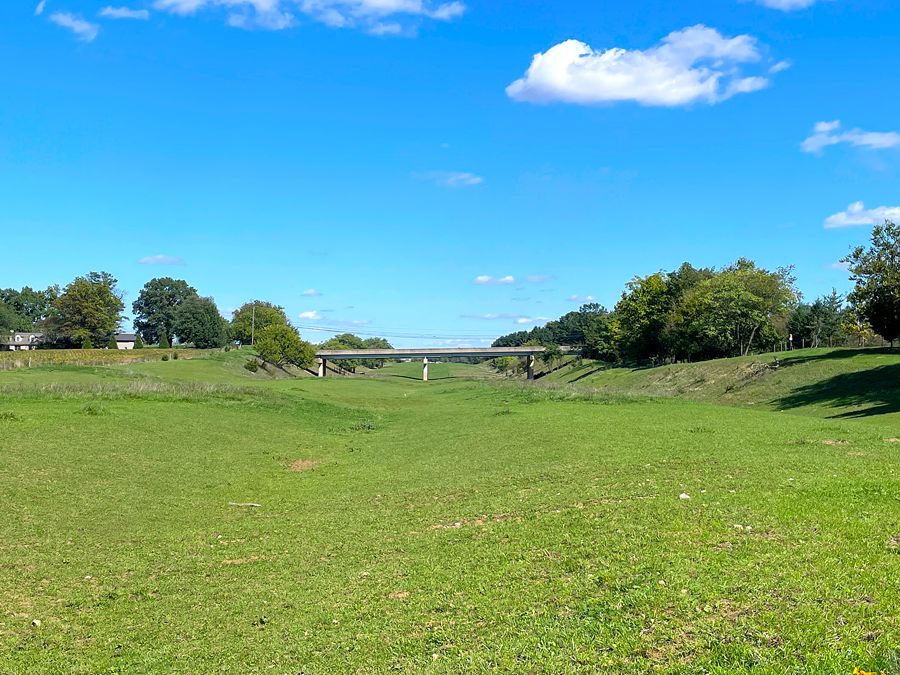
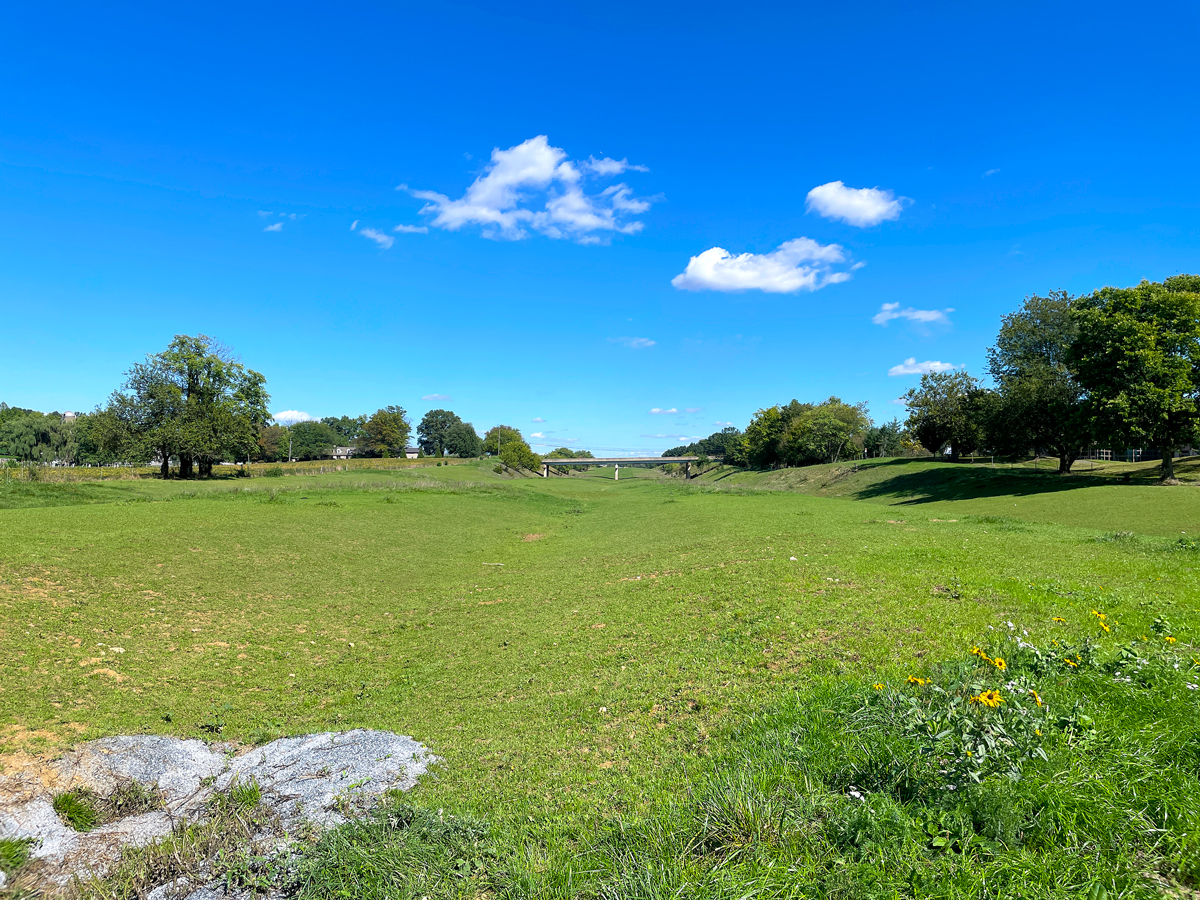
The section of Pennsylvania Route 23 nicknamed the “Goat Path” was part of a planned 11-mile bypass project to connect eastern Lancaster City with New Holland. Before funding ran out in 1977, the Pennsylvania Department of Transportation spent more than $9 million acquiring land, building bridges, grading the route, and laying the road’s bed. But when the highway project went bust, the 5-mile stretch of pavement that was completed was instead covered with soil and grass seed.
Portions of the abandoned roadway were later leased back to local farmers, who used the land for grazing livestock — including the goats that inspired its eventual nickname. After more than five decades without regular traffic, a section of the former highway reopened to traffic in 2023 as the Walnut Street extension — marking the first public use of the Goat Path since its failure to launch.
Abandoned Pennsylvania Turnpike – Breezewood, Pennsylvania
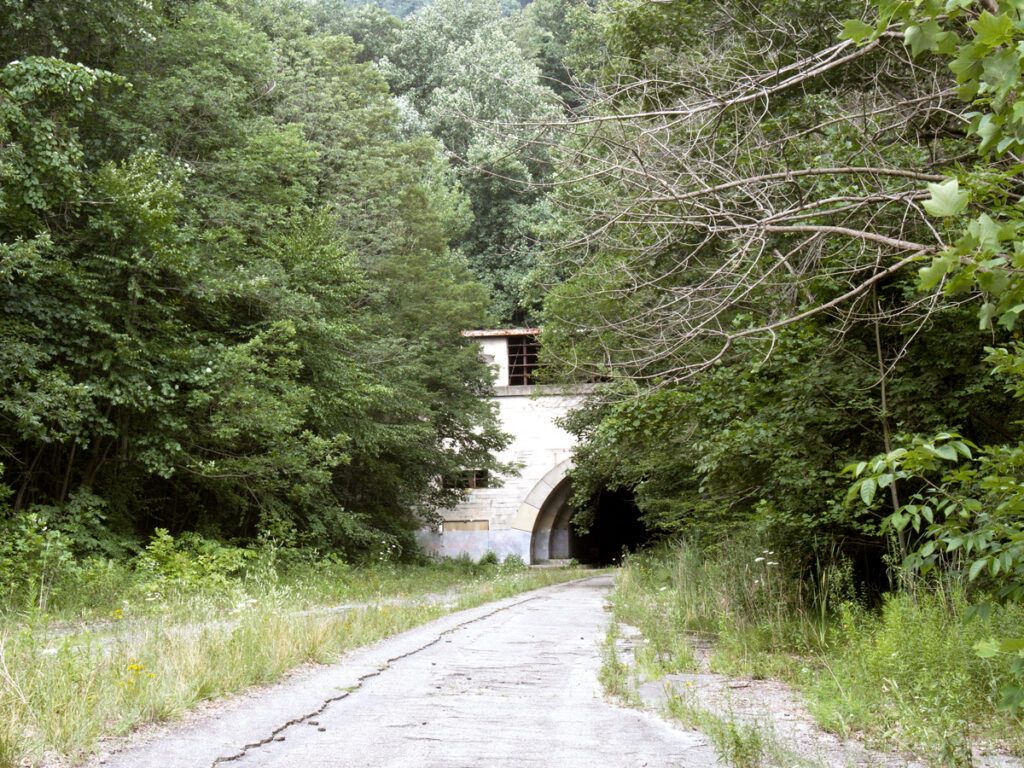
Deep in the Pennsylvania mountains you’ll find the relics of a highway that almost no cars have driven across for more than 50 years. This now-abandoned section of the Pennsylvania Turnpike opened in 1940 as part of America’s first major long-distance, high-speed highway. The road carried travelers for years, but by the 1960s, increasing traffic created major bottlenecks inside its narrow mountain tunnels. New routes were constructed around some of the tunnels, and in 1968, this 13-mile stretch of the turnpike was abandoned.
Today, a portion of the former highway has been transformed into a destination for hikers, cyclists, and explorers. Though nature has reclaimed parts of the roadway — with trees, grass, and small streams sprouting up — the original pavement and infrastructure remain remarkably intact, serving as a rare, functional monument to U.S. transportation history.
More from our network
Daily Passport is part of Inbox Studio, an email-first media company. *Indicates a third-party property.