9 of the Most Beautiful Places To Visit in Australia
9 of the Most Beautiful Places To Visit in Australia

It may require quite the journey to reach Australia from the U.S., but the land Down Under heaps rewards on those travelers who are up for the trek. From impossibly colored lakes to picture-perfect beaches and the world’s largest reef, the natural wonders of Australia are like nowhere else on Earth. Check out nine of our favorite places to visit in Australia below.
Whitsunday Islands
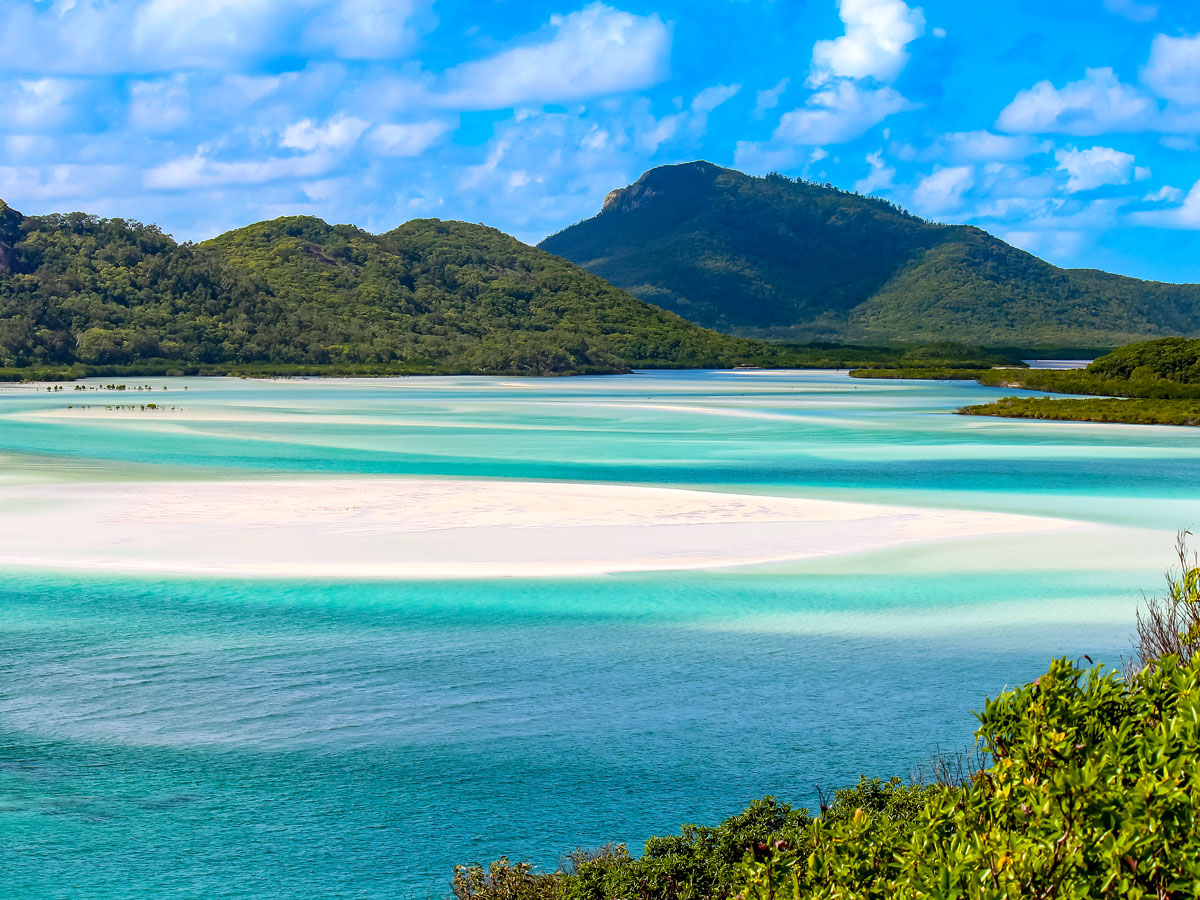
Between the central coast of Queensland and the Great Barrier Reef, 74 islands form a jewel-like necklace of unspoiled natural beauty. Named after the Christian holiday taking place seven weeks after Easter, when Captain Cook first supposedly spotted the alluring archipelago in the late 1700s, the Whitsunday Islands offer some of the world’s most beautiful beaches, dense tropical rainforests, and unparalleled scuba and snorkeling opportunities. The clear, protected turquoise waters teem with turtles, whales, and other underwater wonders.
With 74 islands, each more picturesque than the last, you can’t go wrong, but a great place to start is the picture-perfect white sands of Whitehaven Beach — considered by many to be Australia’s best beach — or the exceptional corals surrounding the aptly named Heart Reef. Hamilton Island is the commercial center of the chain, and accommodations across the archipelago range from basic beach camping to five-star spa resorts. Bareboat and luxury boat tours offer some of the best ways to experience the islands’ rich marine life. On land, don’t miss wallabies, kangaroos, and many species of birds.
The Blue Mountains
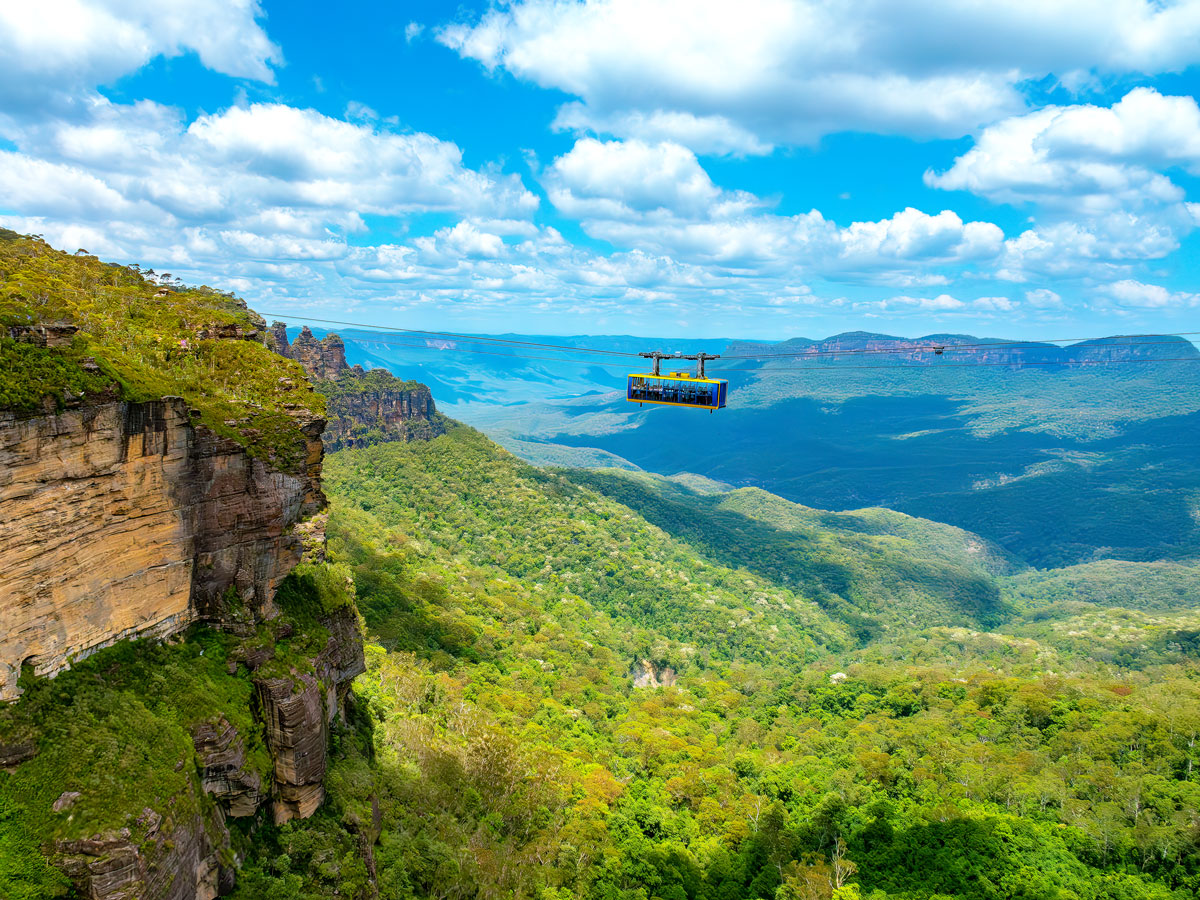
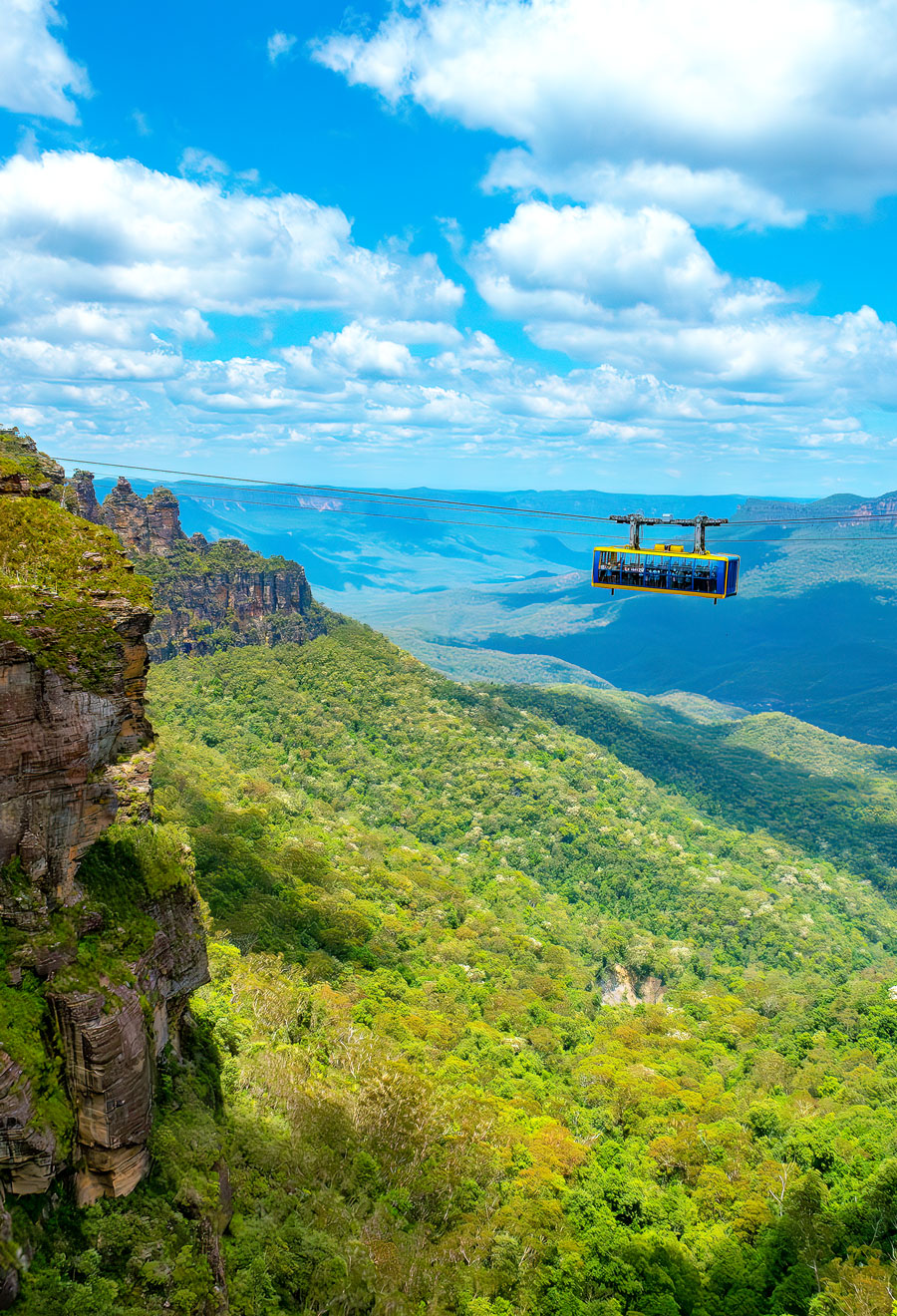
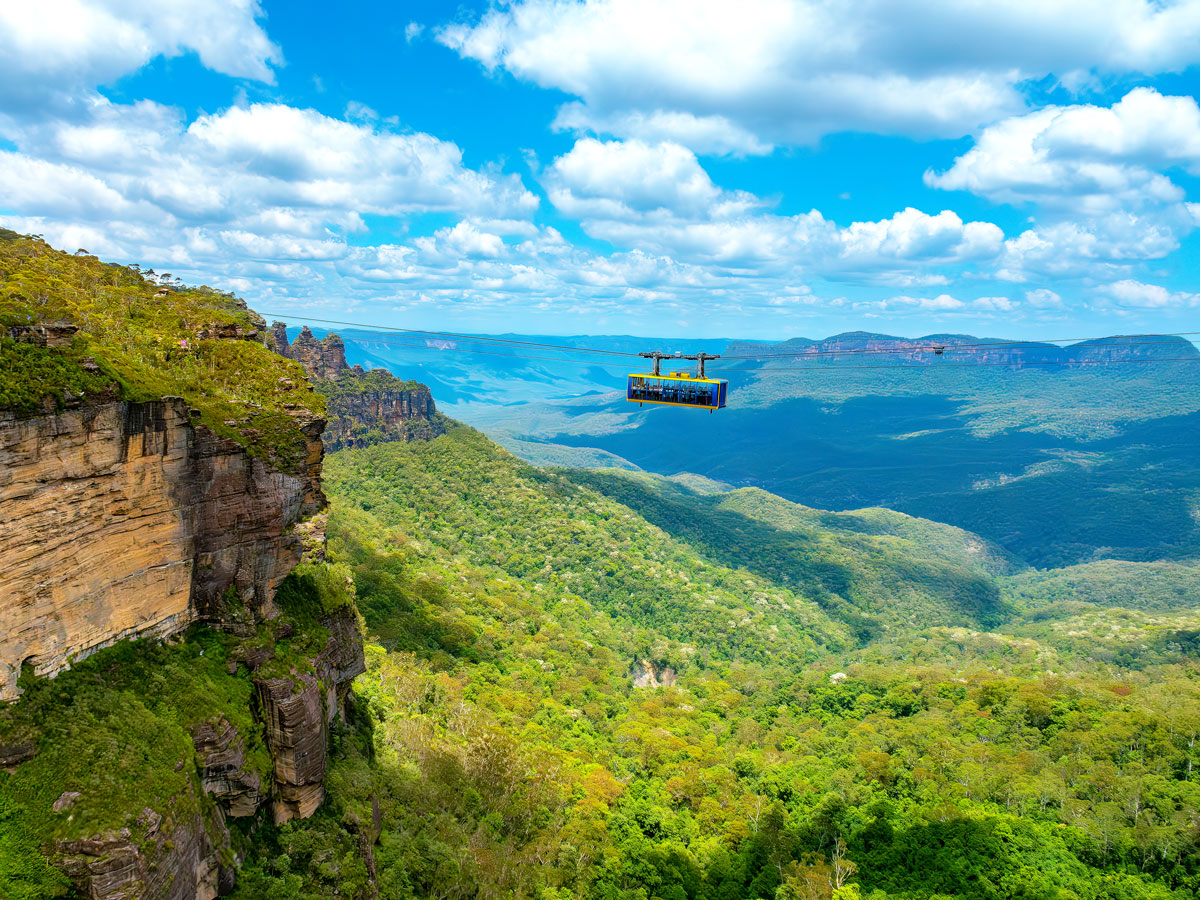
The wild blue horizons of the Blue Mountains in New South Wales come from 91 species of eucalyptus trees. Their oils meld with airborne dust and water, resulting in shorter light wavelengths that cast the horizon in stunning sapphire shades. Comprising a jagged 2.5-million-acre plateau about two hours northwest of Sydney, the area was originally inhabited by six Aboriginal groups. The Greater Blue Mountains Area is now a UNESCO World Heritage Site, encompassing seven national parks and one protected reserve.
Hidden within the expanse is the planet’s oldest known cave system, the stalactite-filled Jenolan Caves, dating back 340 million years and attracting 250,000 visitors annually (though the caves are currently closed for major road repairs, as of early 2026). Another popular destination is the Three Sisters, a trio of sandstone spires extending about 3,000 feet above sea level. According to legend, a war broke out when siblings Meehni, Wimlah, and Gunnedoo were barred from marrying brothers from another tribe, so for safekeeping, a witch doctor turned the sisters into rocks — a spell he could not reverse. The site is a short walk from the Scenic Railway, the steepest incline passenger train in the world, offering blissfully blue views.
Bondi Beach
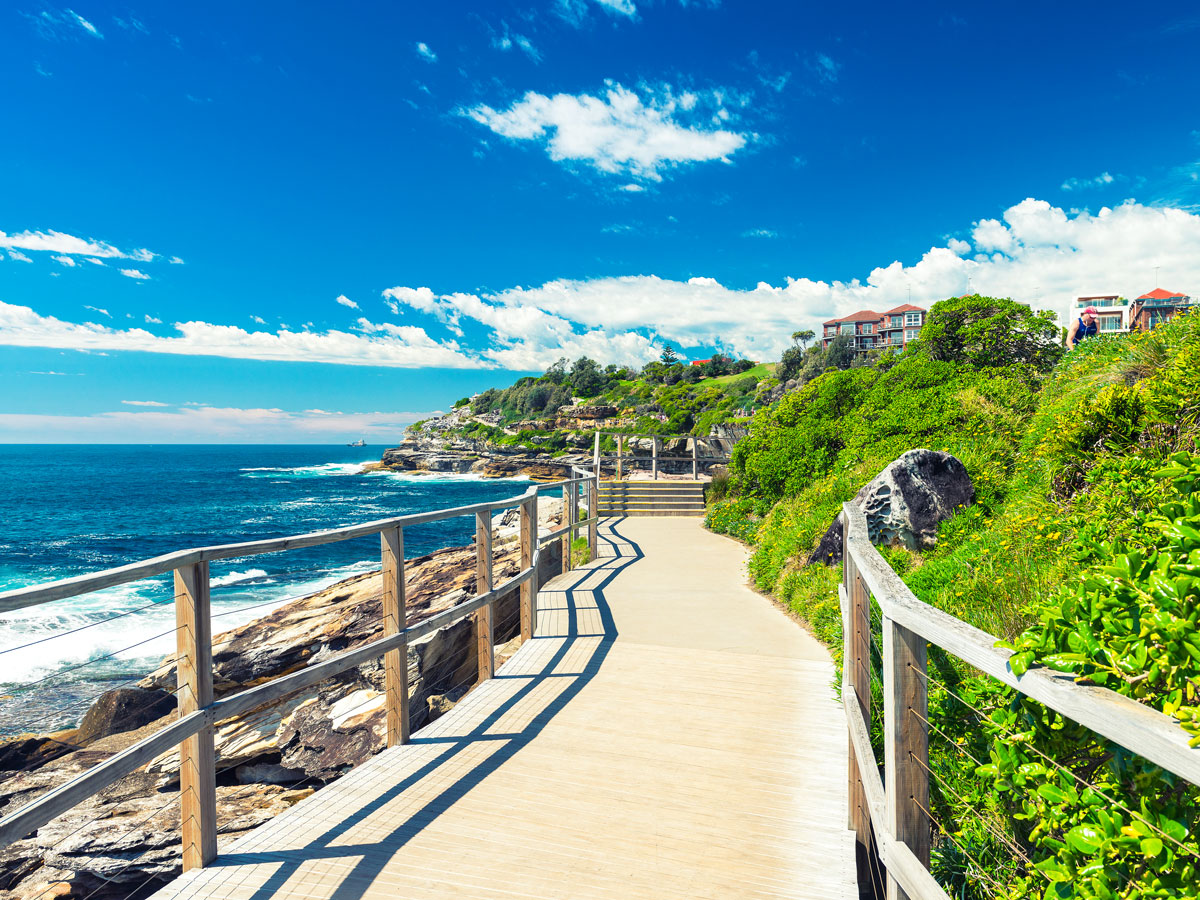
The name of Australia’s most famous beach (and the lively neighboring suburb of Sydney) comes from an Aboriginal word for a loud thud noise, referring to the sound of water breaking over rocks. And oh, does water break — Bondi is one of the country’s most popular surfing spots and home to a number of surfing schools. If open water isn’t for you, take a dip at the historic Bondi Icebergs ocean pool overlooking this crescent-shaped stretch of sand wedged between rocky coastal cliffs. The winter swimming club was founded in 1929, and the baths, kids’ pool, and bistro are open to the public year-round.
Lining the beach is Campbell Parade, originally a tram route from downtown Sydney. Now, the casual-chic street is lined with shops, galleries, and restaurants, all offering stunning views of the beach. The cliffs overlooking Bondi are a great place for spotting the pods of humpback whales that often breach and frolic near the coast on their annual migration north. And the leisurely three-mile coastal stroll to Coogee Beach lets you soak up even more stunning views.
Daintree National Park
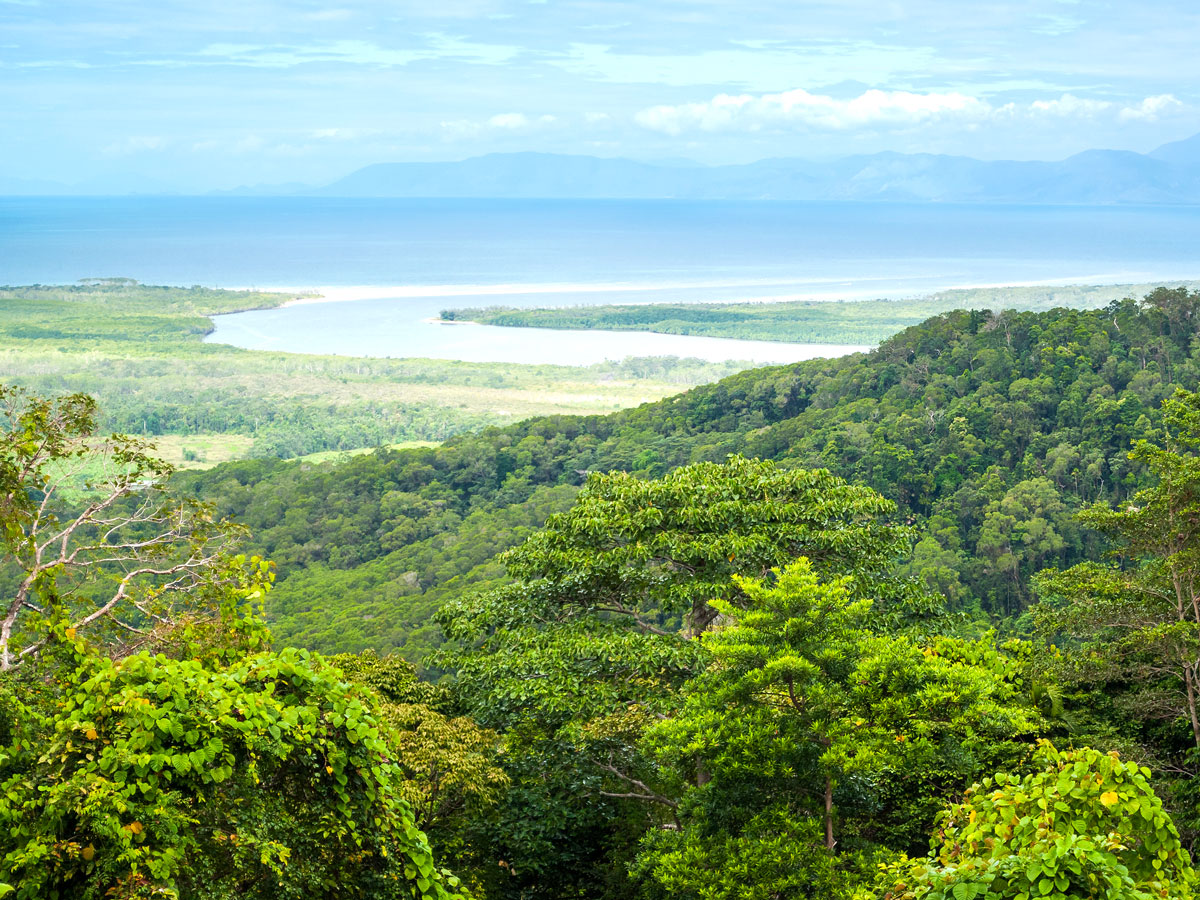
Located along the coastline of Queensland, Daintree National Park is named after the world’s oldest rainforest — dating back an incredible 180 million years. The park is divided into two sections, both offering exceptional biodiversity over 45 square miles. The Mossman Gorge weaves through the dense and at times inaccessible rainforest. That rainforest continues into Cape Tribulation, which comprises the park’s other half, where the littoral (shoreline) forests meet sandy beaches that border upon Australia’s famous Great Barrier Reef.
Much of the flora and fauna that live within the jungle have remained untouched since prehistoric times — including more than 430 bird species and types of trees once thought to be extinct. In 2021, the park was bestowed back to the Indigenous Eastern Kuku Yalanji peoples, who are dedicated to the preservation of the area’s natural beauty. Visiting Daintree is like walking through a time machine, where you can find yourself at one with nature — whether hiking up the forest-lined Mount Sorrow or snorkeling through crystalline waters.
Murray-Sunset National Park
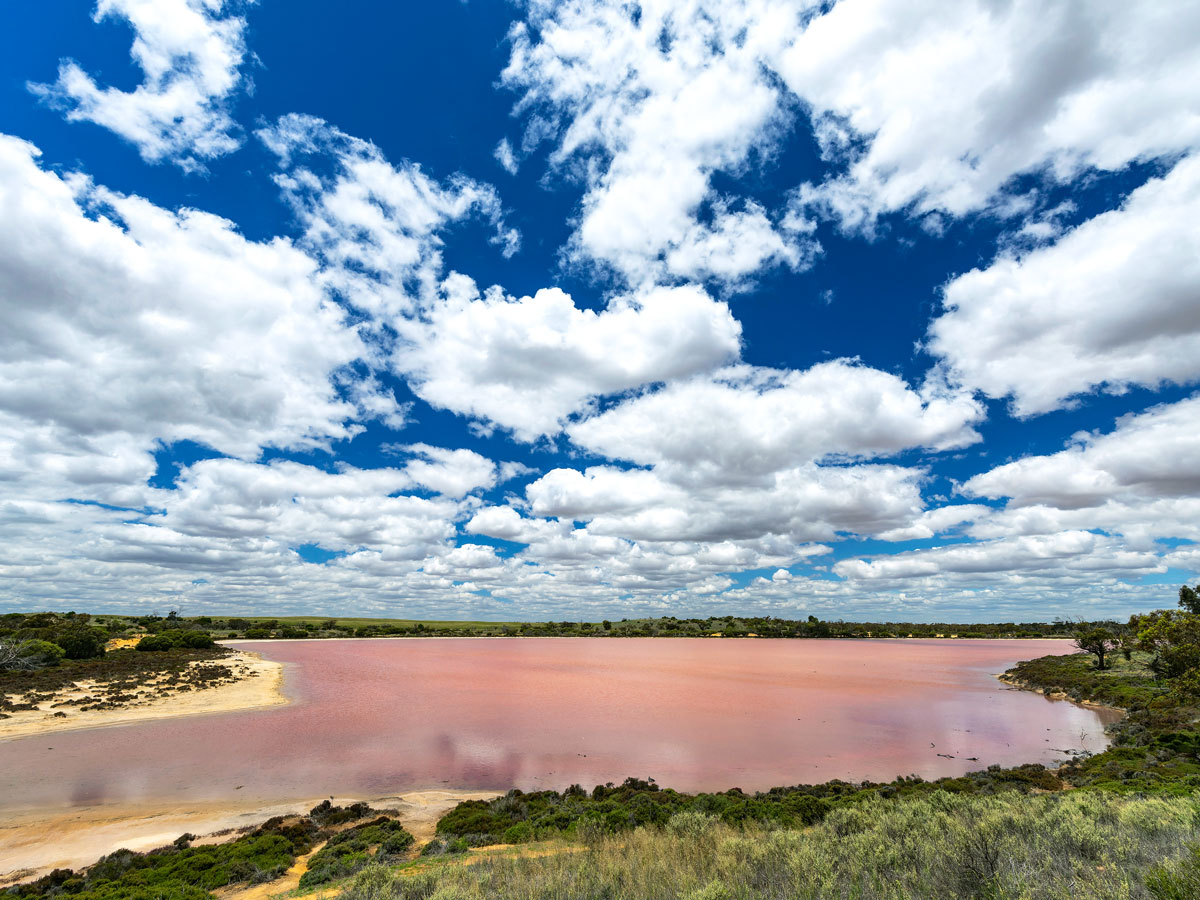
There’s no need for rose-colored glasses in Southern Australia’s Murray-Sunset National Park. That’s because four of its lakes often glisten in eye-popping shades of pink — from rose to fuchsia to bright bubblegum. The rare natural phenomenon is the result of Lakes Crosbie, Becking, Kenyon, and Hardy harboring some of the planet’s saltiest water. Scientists have discovered that certain algae and microorganisms thrive in such saline water and secrete beta carotene, the reddish pigment that tints the lakes pink. Depending on the hour or season, the color can even transform into an opalescent white or amethyst purple.
The second-largest national park in Victoria and a five-hour drive from Melbourne, Murray-Sunset was formed in 1979 after the area’s salt mines were abandoned. Today, pink lakes aren’t the only attraction — the park’s many campers and hikers may encounter rare animals like the paucident planigale, millewa skink, and regent parrot among the plentiful kangaroos and emus. Just note that the remote and unspoiled park doesn’t have cellphone reception, so photos of wildlife — and of course the pink lakes — will have to be shared afterwards.
Uluru
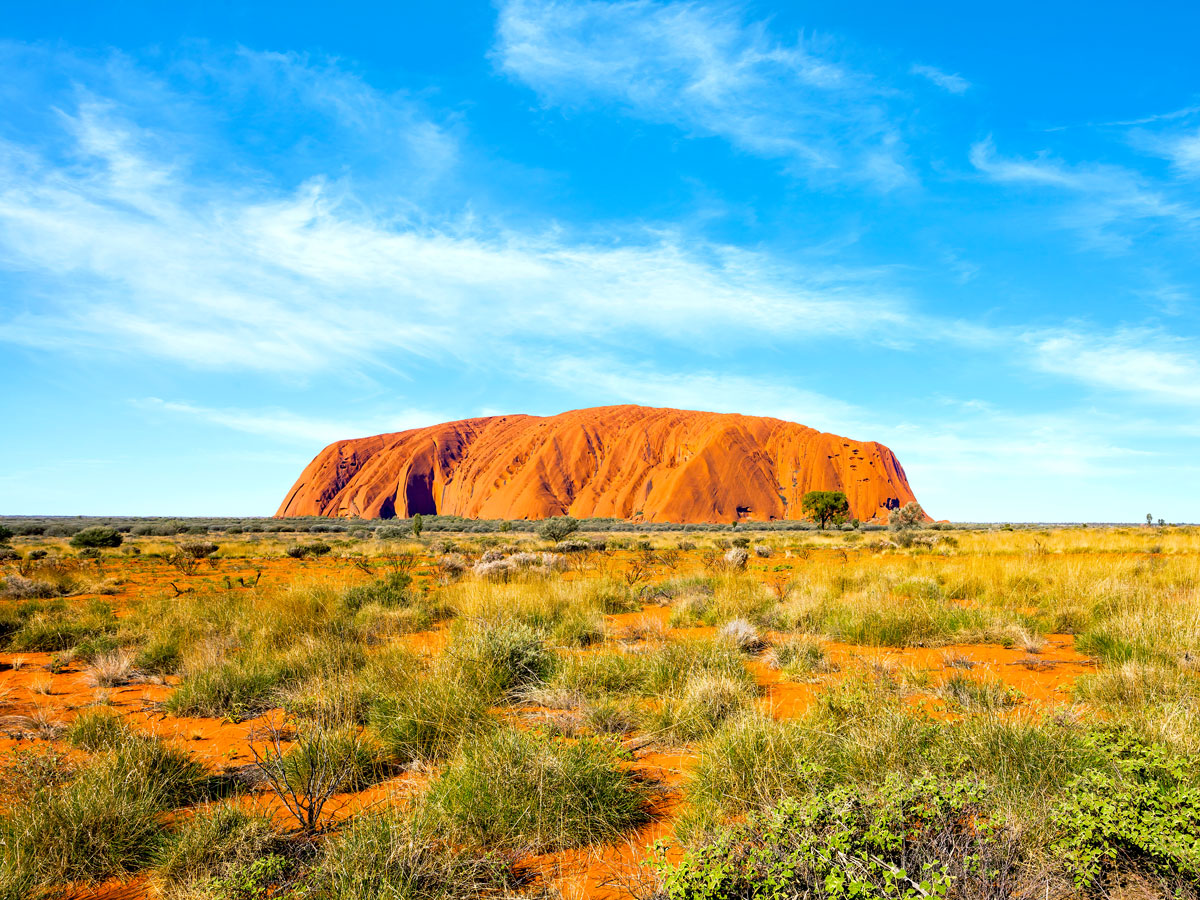
The world’s largest monolith, Uluru, is easily the most famous landmark in the exceptional landscape of Australia’s UNESCO-recognized Uluru-Kata Tjuta National Park (formerly known as Ayers Rock-Mount Olga National Park). For more than 10,000 years, the Anangu Aboriginal groups have lived in Uluru’s ovoid shadow, regarding the 1,142-foot-tall sandstone block as a resting place for ancestral spirits.
Located in Australia’s Northern Territory, Uluru has a circumference that exceeds 6 miles, but sightseers often opt for an excursion around one specific part of the half-billion-year-old rock. The popular 90-minute Mala Walk — named after the Anangu’s forebears — offers the chance to tour caves and behold ancient petroglyphs before arriving at Kantu Gorge. As you (and the sun) move, the sandstone seems to change color, emanating an enchanting mix of red, orange, or purple hues — and it’s a particularly striking scene at sunset.
Great Barrier Reef
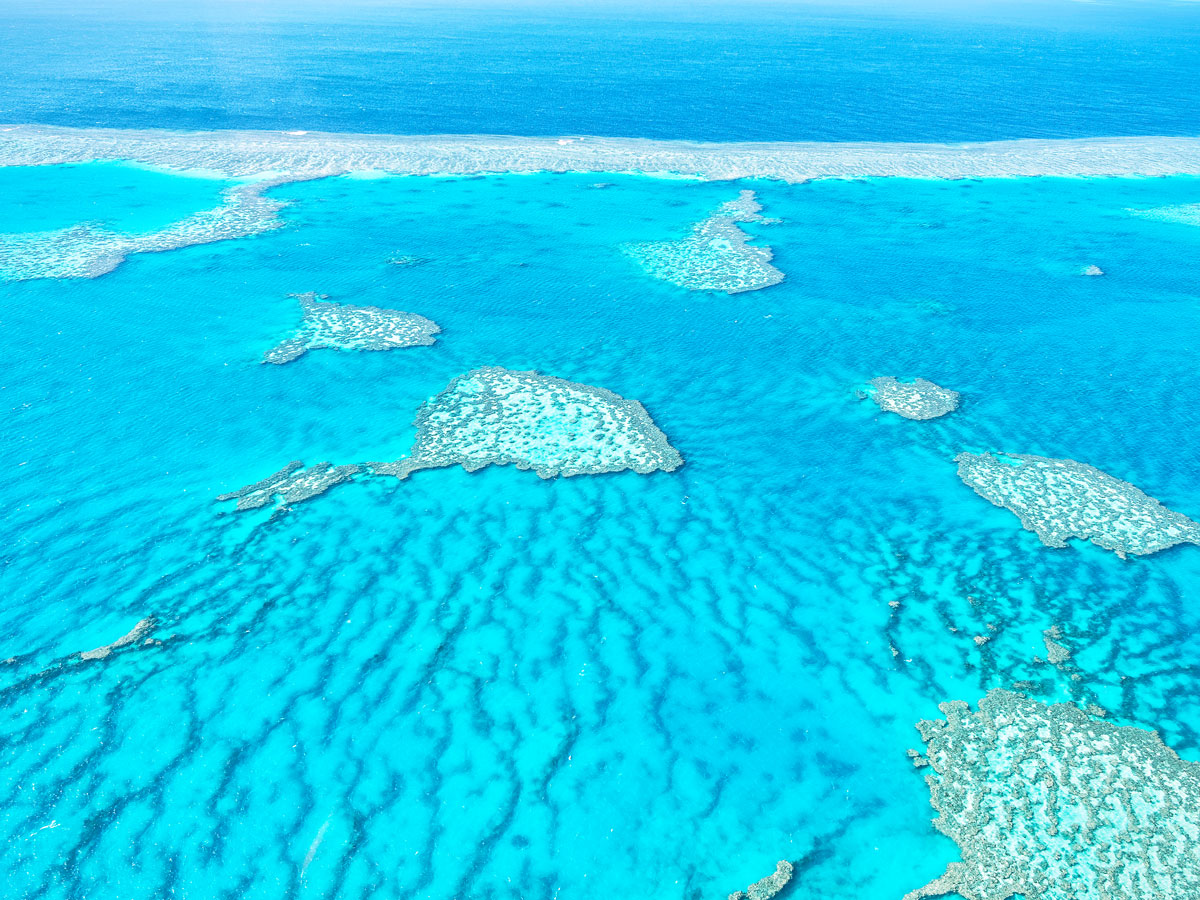
The Great Barrier Reef truly lives up to its name: The world’s longest reef stretches for 1,260 miles off the coast of Queensland in northeastern Australia. The UNESCO World Heritage Site is also the largest coral reef ecosystem on the planet, covering an area of approximately 135,000 square miles (nearly the entire size of Germany). The largest living structure on Earth, the Great Barrier Reef actually comprises about 2,500 to 3,000 separate but interconnected smaller reefs, as well as over 900 coral or sand islands known as cays. Approximately three-quarters of the world’s coral species can be found here.
Teeming with wildlife and stunning beauty, the Great Barrier Reef has long been a highly sought-after destination for snorkeling and scuba diving. However, in recent years, large swaths of the coral have been dying and major conservation efforts are underway to protect it from disappearing altogether. So, if you go, be gentle with one of Earth’s most precious natural sites.
Nullarbor Plain
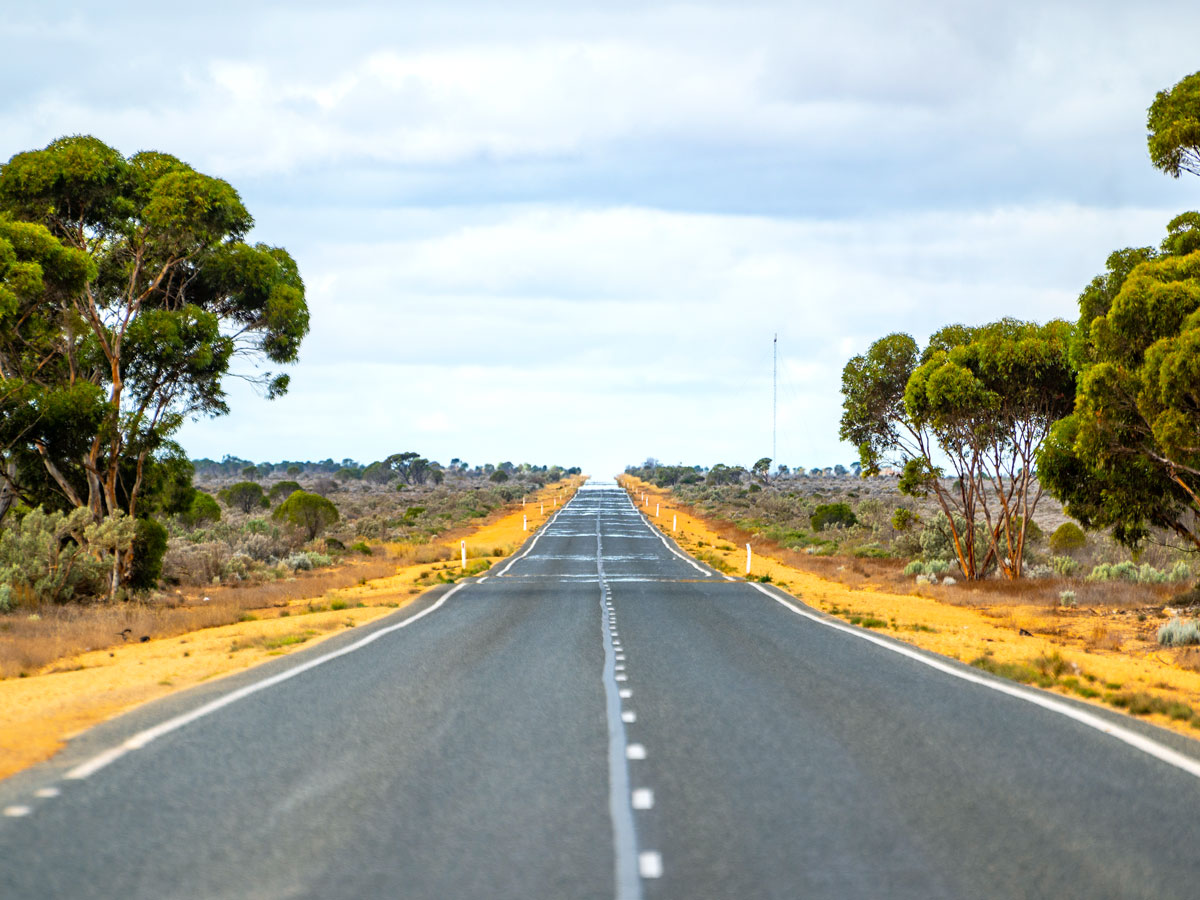
The world’s largest arid limestone karst landscape, the Nullarbor Plain stretches between Perth and Adelaide on the southern coast of Australia. A mostly empty and arid region covering an area of more than 77,000 square miles, the desert derives its name from its sparse vegetation: “Nullarbor” combines the Latin word “nullus” (nothing) and “arbor” (trees).
The Nullarbor does indeed lack trees, but the 50 million-year-old former seabed (formed when the continent separated from Antarctica) is home to plenty of camels and dingoes, among other interesting creatures. One of the planet’s most isolated road trips, the Nullarbor is also home to one of the longest stretches of straight road in the world (a section of the Eyre Highway nicknamed the “90-Mile Straight”), as well as the longest stretch of straight railway (297 miles).
But the grandest record is the one held by the Bunda Cliffs. The world’s largest stretch of uninterrupted sea cliffs, the Bunda Cliffs rise approximately 200 to 400 feet high, along a length of more than 60 miles. The bordering waters of the Indian Ocean are a calving ground for southern right whales, which were once hunted almost to extinction but now number approximately 3,000 to 4,000. Between May and October, the edge of the windy cliffs are an excellent site for watching the whales, and the rugged seas lure many surfers.
Wineglass Bay
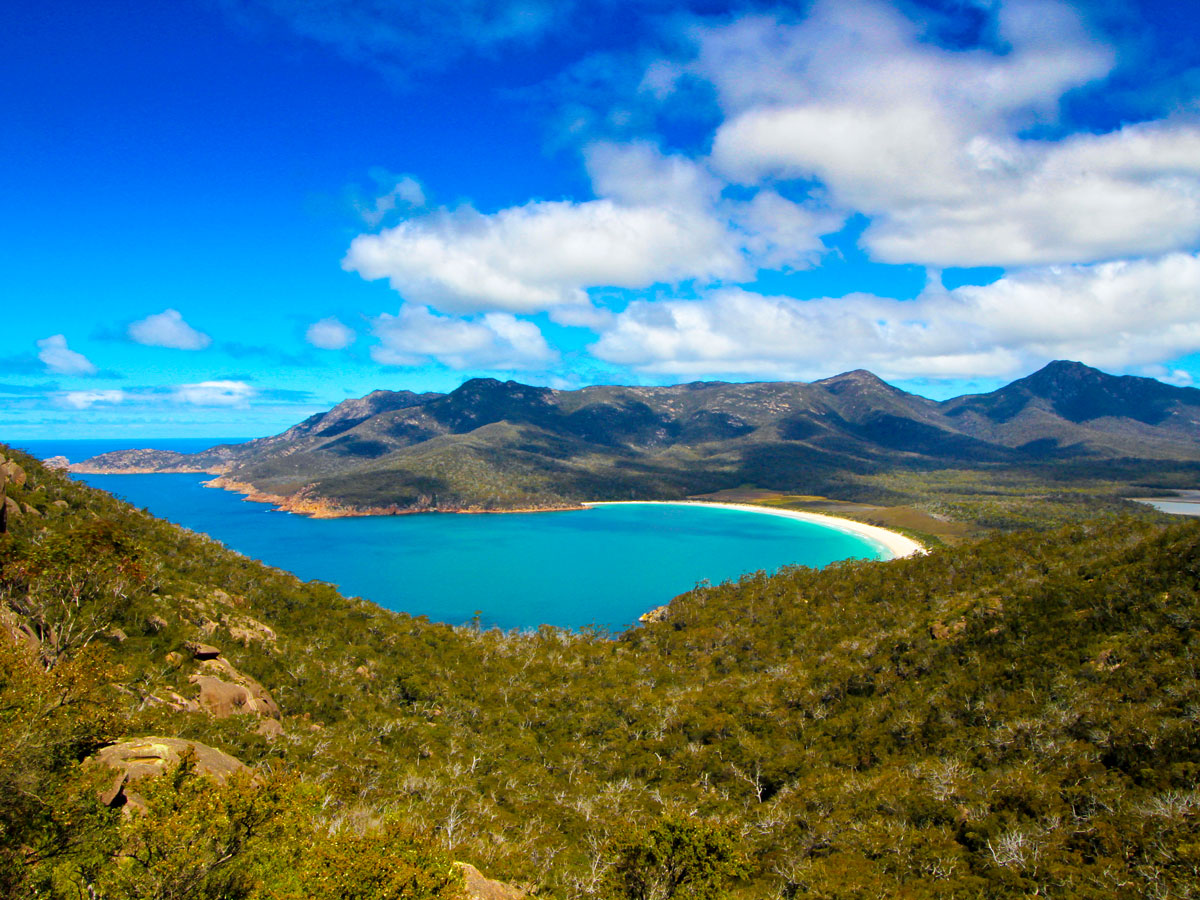
Part of the Freycinet Peninsula on the east coast of the island state of Tasmania, Wineglass Bay is home to what’s often cited as one of the world’s best beaches, as well as the state’s most photographed vista. And given the mountain-backed swirl of transparent turquoise you’ll find here, both superlatives make perfect sense. The origins of the name itself, though, are a little less straightforward — it comes not from the crescent-shaped shoreline that might resemble a wineglass when viewed from above, but from a darker history. In the 1800s, whalers would set out from these shores to harpoon passing prey, and as the unfortunate catch was towed back in, the bay would turn blood-red (or wine-red, as the imaginative onlooker might see).
Fortunately, by the mid-19th century, shore-based whaling had ceased in the area, and in 1916, Freycinet became a 65-square-mile national park. The combined result is that these waters are now protected and pristine — to the elation of visiting divers, kayakers, eco-cruisers, hikers, and nature photographers from around the world who come to visit the photogenic bay.
More from our network
Daily Passport is part of Inbox Studio, an email-first media company. *Indicates a third-party property.