






7 Outdated Travel Tips That Still Apply
7 Outdated Travel Tips That Still Apply


Travel has never been more streamlined and convenient. Smartphones let you instantly translate menus in a foreign language, while modern banking systems have rendered travelers checks obsolete. While a number of travel tips from 20 years ago are unnecessary — you probably don’t need to carry that 500-page printed guidebook around — there are still some low-tech, old-school habits that can be lifesavers. Here are some of our favorite “outdated” travel tips to keep your trips on track.
Print Your Confirmations and Boarding Passes
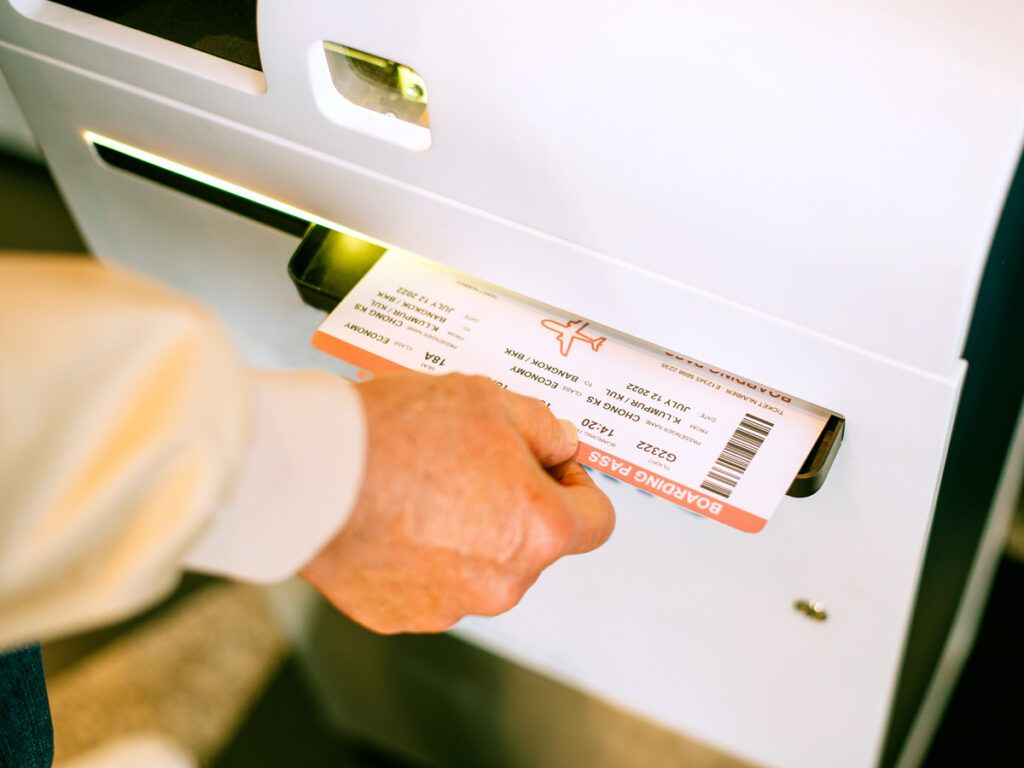
Airlines and hotels love digital check-ins and boarding passes because they cut down on costs, but an old-fashioned, printed-on-paper confirmation can absolutely protect you from spotty Wi-Fi, cellular dead zones, a drained phone battery, tech outages, or simple human error. In addition, some international border agents may still insist on seeing physical proof of a return airline ticket, and a printed hotel confirmation can turn the dreaded “we don’t have you in our system” into “our mistake, let’s get you an upgrade.”
Grab a Hotel Business Card

Language barriers, a lost or stolen phone, or running out of cellular data can be a real pain when you’re turned around in a strange city. Grabbing a physical business card from your hotel (with the address printed in the local language) ensures that you can get safely back to your lodgings if you’re suddenly unable to access Google Maps.
Carry Cold, Hard Cash

Tap-to-pay and credit and debit cards are undeniably convenient, but cash is still king in some countries — and particularly in rural places, at street food stalls and local markets, and when tipping. It’s still a good idea to carry a small supply of local currency in case the ATM runs out of money — it’s happened to me! — or a card reader goes down. Your bank might also suddenly flag your foreign purchases as a fraudulent transaction. (Though a lot of major banks use algorithms and location-enabled apps to know when you’re traveling, a quick call to let them know you’ll be traveling is never a bad idea.)
Bring a Carry-On Pen

Digital visas are on the rise, but some countries still require paper forms on arrival. Tucking a pen in an easily accessible spot in your carry-on means you can fill out customs and immigration documents mid-flight instead of waiting in line at the arrival desk, hoping to borrow one from another passenger.
Have Passport Photos and Copies
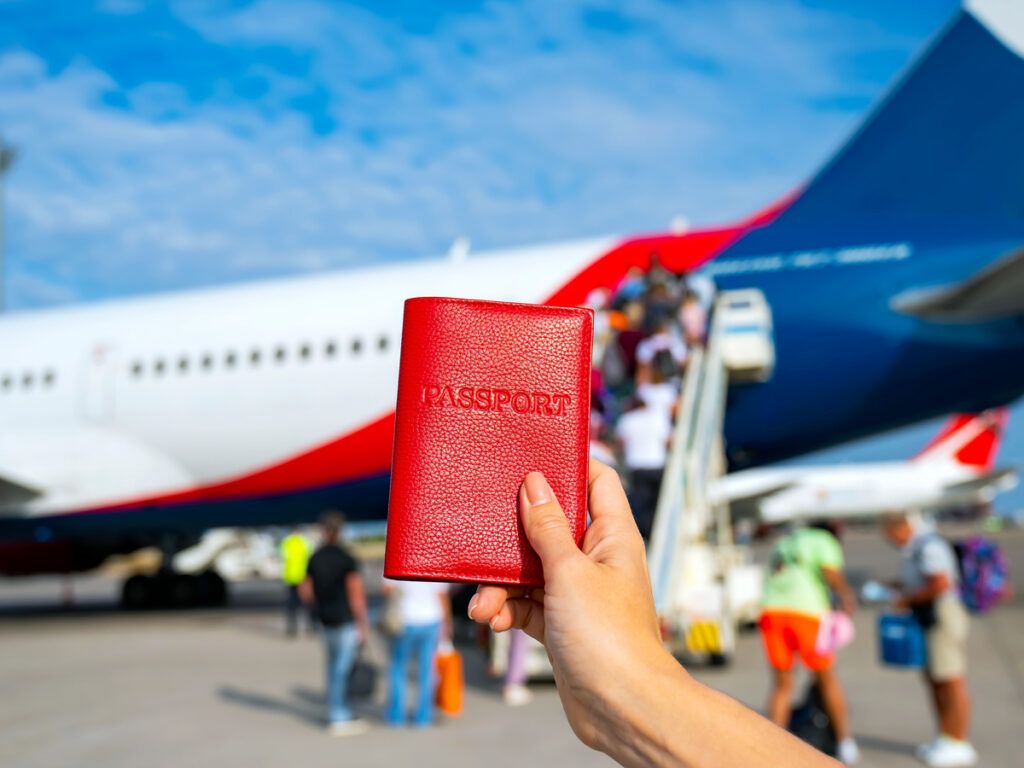
Emergency document replacements and last-minute visas still routinely require printed photos. Keeping a few glossy, physical copies tucked away saves you from frantically trying to find a photo booth or a printer. It’s also smart to carry a laminated color copy of your primary passport page — it will serve as proof of U.S. citizenship if your passport gets lost and you need to apply for a new one abroad, and it can prevent you from having to leave your most important travel document in the hands of hotels or car rental agencies.
Use a Luggage Tag
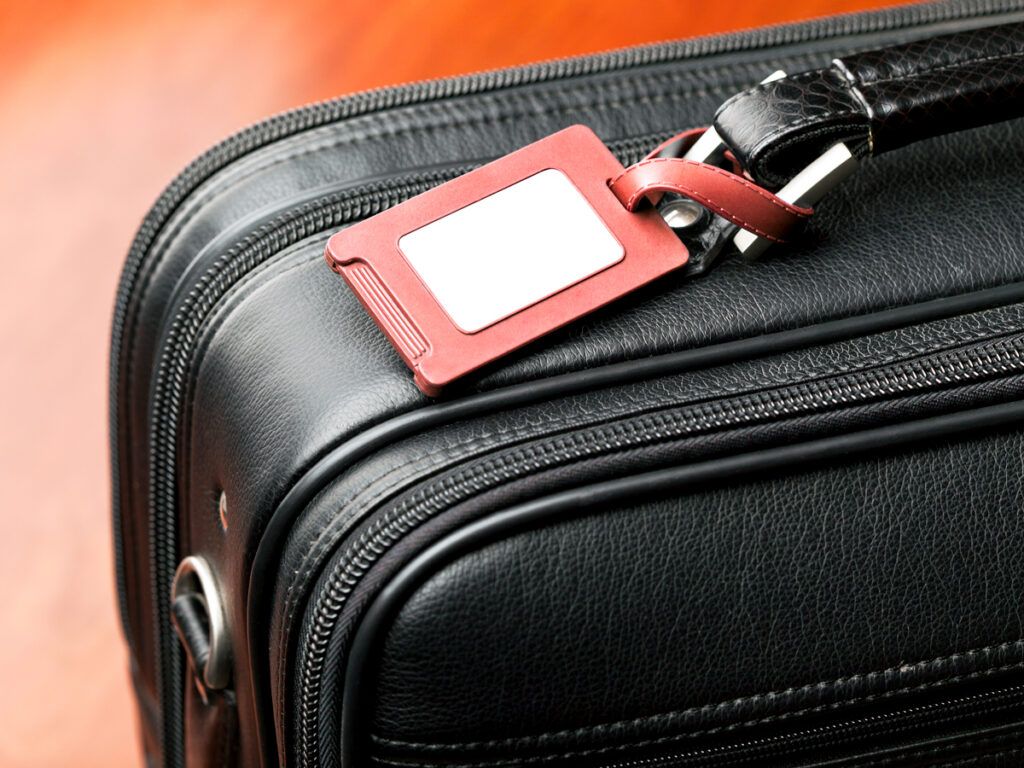
We love a Bluetooth tracker, but it’s not a bag-saver if it’s out of range or dead. Automated airline stickers also can be damaged during transit, so make sure your airline can match you and your suitcase by adding a physical luggage tag. (Bonus: A unique one will help differentiate your bag on the carousel.) Choose a tag with a privacy flap to keep strangers from seeing your personal information, and toss a spare information card inside your bag as a backup.
Memorize Currency Conversions

Pulling out your phone in a crowded market to calculate currency exchange rates can make you a mark for pickpockets. Memorizing a “close enough” conversion rate protects you from bad math and allows you to quickly spot an overinflated price while maintaining a focus on your surroundings.
More from our network
Daily Passport is part of Inbox Studio, an email-first media company. *Indicates a third-party property.