





The Credit Card Mistake That Costs Travelers the Most
The Credit Card Mistake That Costs Travelers the Most
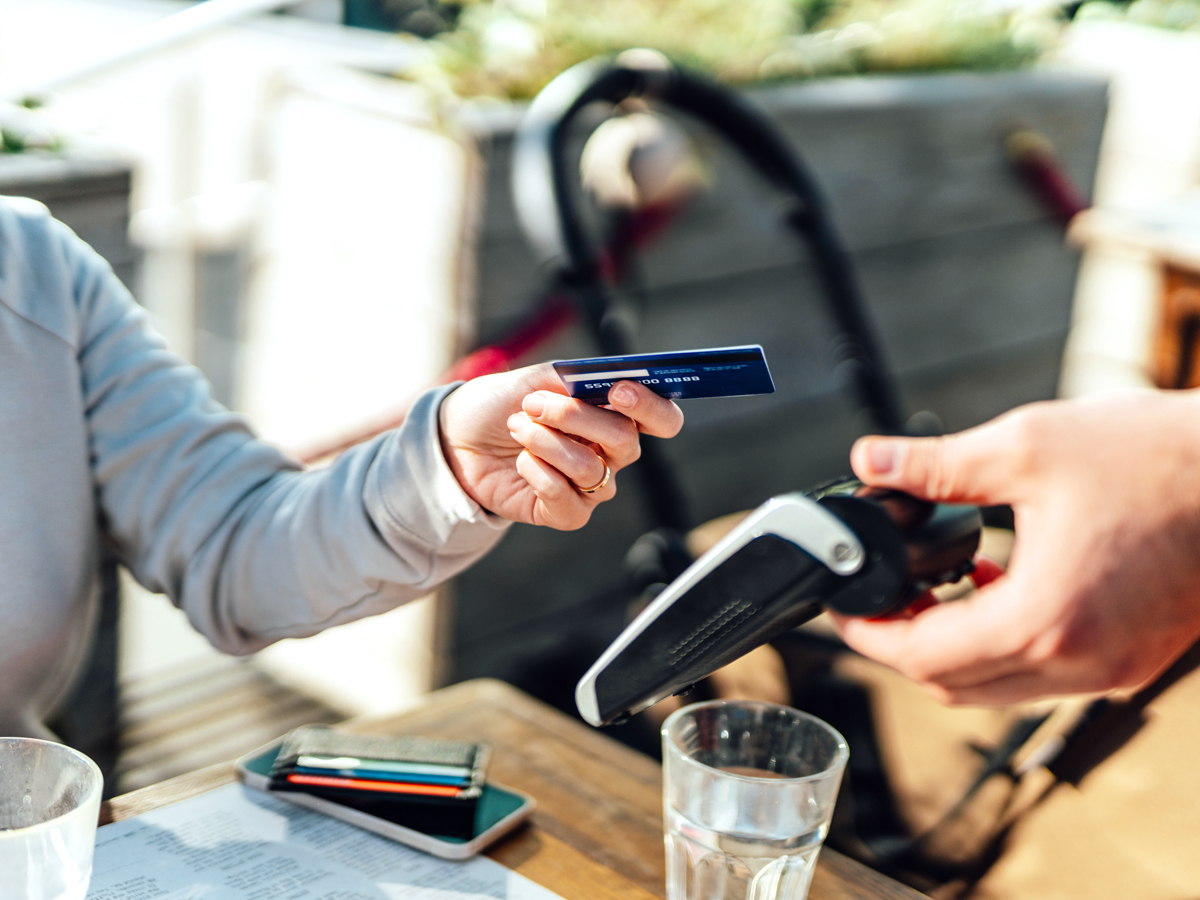

While some countries still prefer cash, cashless purchases are becoming increasingly common around the globe. Both customers and merchants are relying more than ever on credit cards and digital wallets. But despite the added convenience and security, there’s one potential downside to paying by credit card that international travelers should be aware of. Here’s how to avoid paying more than necessary when tapping a card overseas.
The Important Currency Question
When you pay by credit card in a foreign country, you’ll typically be asked on the payment terminal or by the employee helping you which currency you prefer to use. You’ll have two choices: paying in your home currency (e.g., U.S. dollars if you live in the U.S.) or paying with the local currency of the country in which you’re making the purchase.
Many travelers opt to pay using their home currency, and while that may make sense from a convenience perspective, they actually end up paying more than they would have paid if they’d chosen the local currency. Many merchants use a technology called Dynamic Currency Conversion (DCC) to convert transactions from local currency to the currency of the customer’s home country.
The issue is that the exchange rates for DCC are set by either a third-party service or a foreign bank, and are typically marked up several percentage points higher than the fair going exchange rate. Ostensibly, this is so the merchant can cover the cost of any transaction fees, but merchants often set a higher rate to increase their profit on each transaction. Travel expert Rick Steves warns that paying in home currency may end up costing you up to a 20% markup.
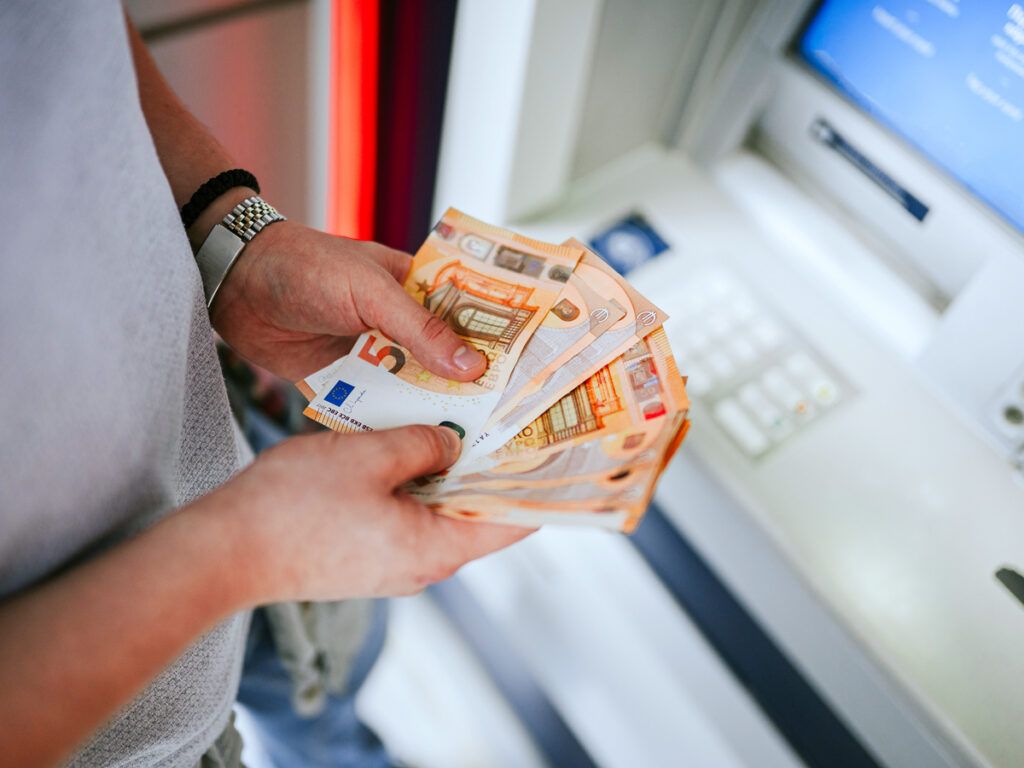
The same goes for withdrawing money from a foreign ATM with your debit card: While it may be tempting to withdraw money in USD (since it gives you a precise total for how much cash you’re withdrawing), this process is also subject to the same inflated fees and exchange rates.
Always Pay in Local Currency

Paying in local currency is highly recommended no matter where you travel, as the exchange rates for making a purchase in local currency are less predatory. That’s because the exchange rates are set by your bank and credit card company back home, meaning they’re more in line with the market exchange rate. The same goes for using an ATM — always withdraw money using local currency.
One potential downside with paying in local currency is that you may have a vague idea of how much you’ve spent, but you won’t know the precise amount until you examine your credit card statement later on. But for most travelers, the cost savings are worth this mild inconvenience. You’ll end up saving a few percentage points on each transaction, which can total a good chunk of cash by the end of your trip.
Pro tip: When traveling overseas, always use a credit card that doesn’t charge foreign transaction fees, if possible. These fees average around 3% per transaction, but many credit cards waive such fees. (Though you’ll typically pay an annual fee with such cards, there are usually other perks and benefits to offset the cost.)
Lastly, if you’re not explicitly asked what type of currency you’d like to pay in, you can rest easy, as the default in such situations is to process transactions in local currency.
Featured image credit: © Oscar Wong—Moment/Getty Images
More from our network
Daily Passport is part of Inbox Studio, an email-first media company. *Indicates a third-party property.