





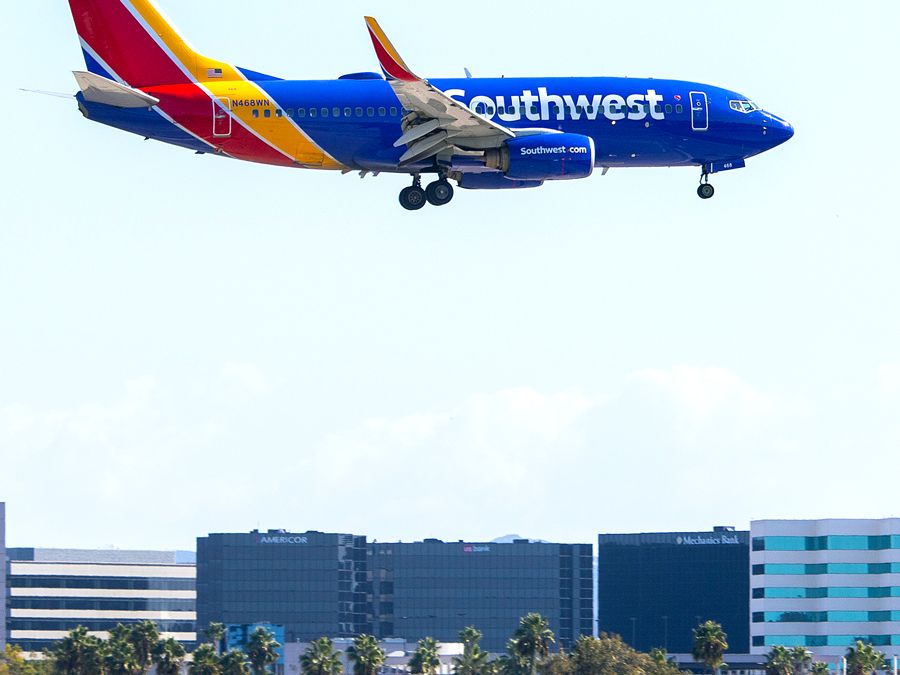
The Strange Item Now Banned by Southwest Airlines
The Strange Item Now Banned by Southwest Airlines
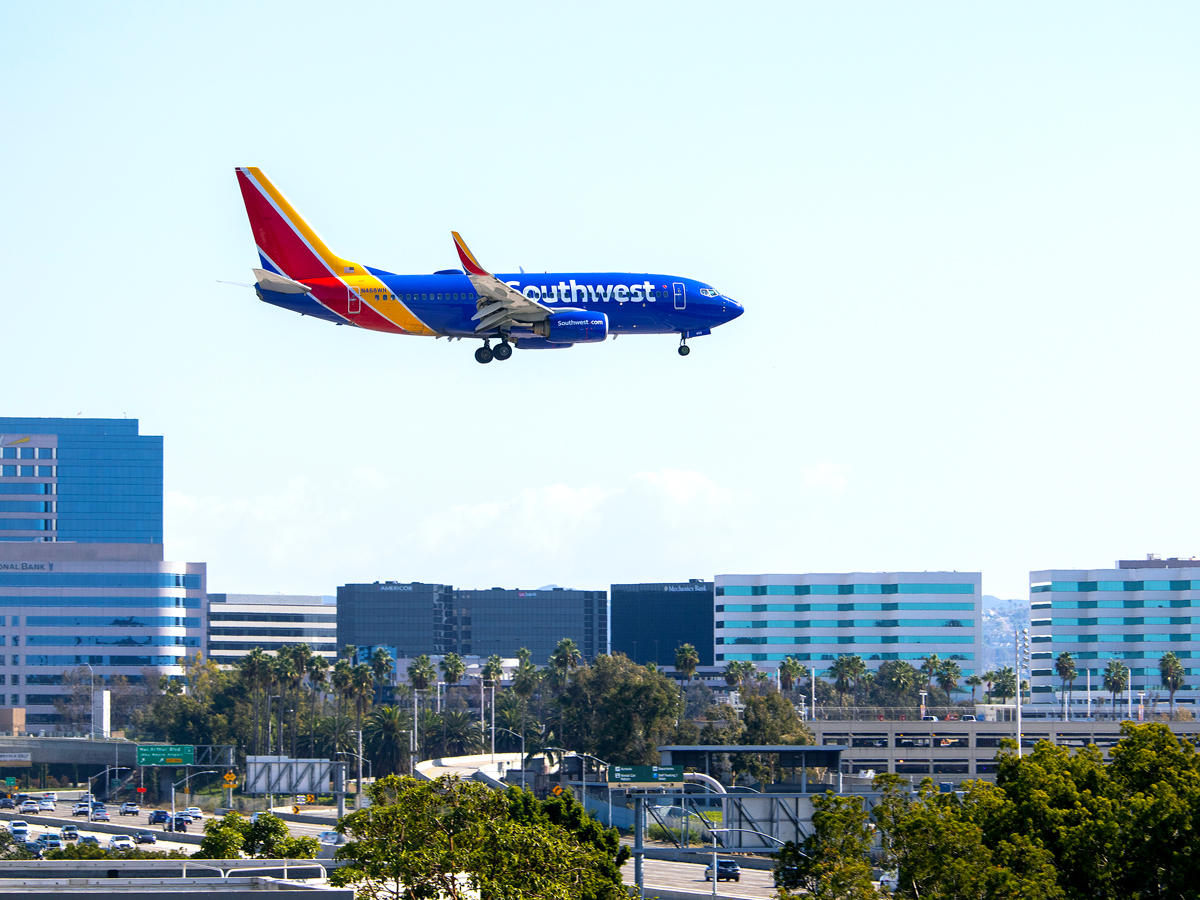

In recent weeks, we’ve seen airlines tightening their carry-on policies for certain devices, such as power banks. But here’s one we haven’t seen yet: Southwest Airlines has saddened automaton enthusiasts everywhere by announcing that “humanlike robots” are banned from its fleet effective immediately, ditto their “animal-like” counterparts. Here’s what’s behind the strange ban.
Stewie in the Sky
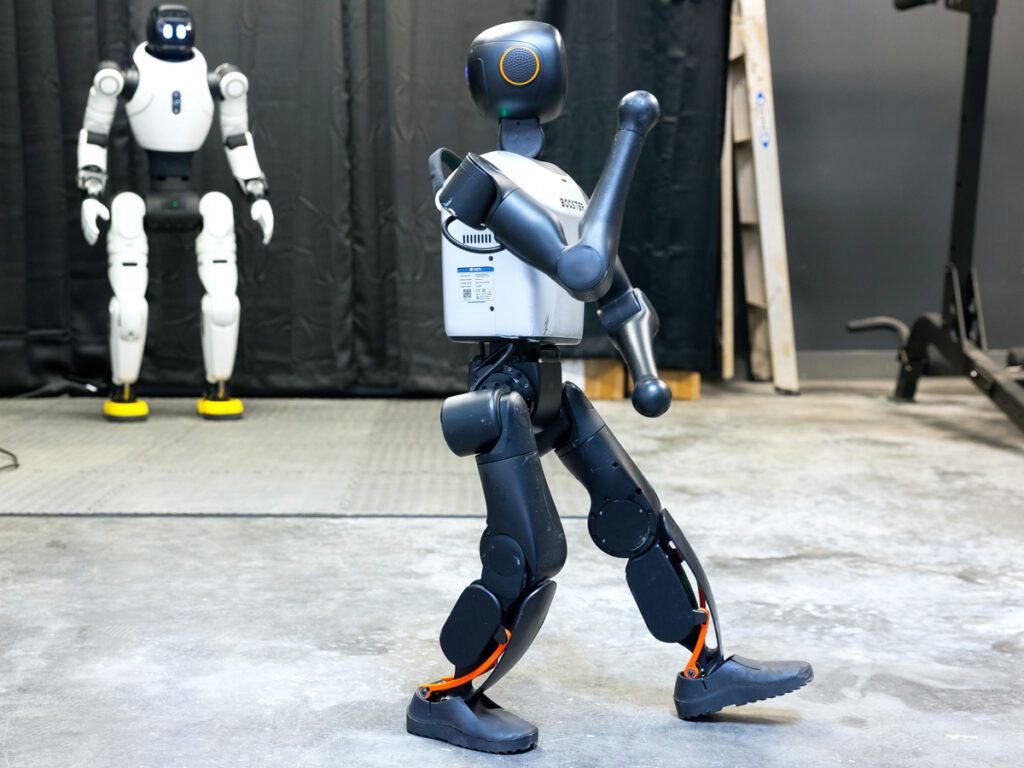
According to Southwest’s new policy, neither humanlike nor animal-like robots are allowed “to be transported in the cabin or as checked baggage, regardless of size or purpose.” To remove any ambiguity, the airline defines a humanlike robot as “a robot designed to resemble or imitate a human in its appearance, movement, or behavior,” which pretty much covers it.
The announcement didn’t come out of thin air: It was prompted by Stewie, a 3.5-foot-tall humanoid robot designed by the Robot Studio, which recently flew in the cabin of a Southwest flight from Las Vegas to Dallas, where both the airline and the studio are based. Aaron Mehdizadeh, the Robot Studio’s founder, purchased Stewie a seat and fitted it with a battery small enough to pass through security. The robot, for its part, enjoyed the experience: “I had the perfect window seat, clouds like cotton candy, and everyone’s snapping selfies with me,” Stewie told CBS News through a programmed voice.
In a statement shared with People regarding the new policy, Southwest said that the chief concern with Stewie and similar robots is “the size of lithium-ion batteries used to power [robots] and the risk they pose during flight.” The carrier added that Stewie’s lithium battery “exceeded the maximum allowable size, so the customer was asked to remove it. We appreciate the professionalism of our flight crew in addressing this situation.”
Battery Bans
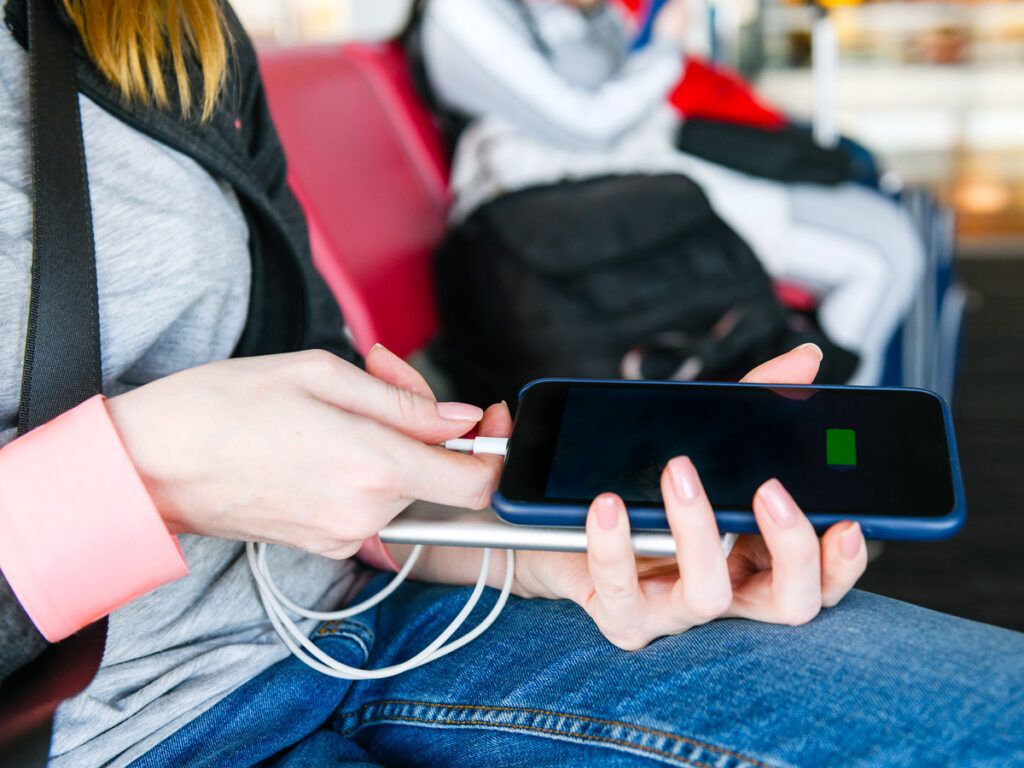
Southwest is hardly the only airline or aviation authority concerned about lithium-ion batteries. American, United, and Delta have all implemented similar restrictions in recent months, following a number of incidents in which the batteries caught on fire. Federal Aviation Administration statistics note a total of 724 incidents between March 2006 and May of this year involving the batteries, which countless passengers bring aboard in their phones, laptops, and other electronic devices every single day.
Power banks are no longer allowed in the overhead compartments on Southwest, American, United, and Delta flights due to the risk of fire, and each carrier has its own restrictions on the size of lithium-ion batteries allowed both in the cabin and in checked bags.
And as of March 2025, TSA rules prohibit passengers from packing portable chargers, power banks, and cellphone battery charging cases that contain lithium-ion batteries in checked luggage. This rule also applies to spare external lithium batteries. So, it seems like next time Stewie wants to take a trip to Vegas, it’ll probably have to be a road trip.
Featured image credit: © Sven Piper—iStock Editorial/Getty Images
More from our network
Daily Passport is part of Inbox Studio, an email-first media company. *Indicates a third-party property.