






10 Bizarre Tourist Attractions You Won’t Believe Exist
10 Bizarre Tourist Attractions You Won’t Believe Exist
For every run-of-the-mill monument around the world, you’ll find many other, far weirder tourist attractions. Think: temples overflowing with rats, islands ruled by cats, and museums dedicated to hair and heartache. Whether fascinating, unsettling, or borderline absurd, these tourist sites prove that travel is sometimes most memorable when things get a little bizarre. Check out 10 of the planet’s most unusual tourist attractions.
Cat Island – Japan

If you’re the type of traveler who enjoys close encounters with local wildlife, consider Tashirojima. Commonly known as “Cat Island,” this rural islet off Japan’s northeastern Oshika Peninsula is ruled by felines. Cats are estimated to outnumber humans by roughly four to one, and it’s neither natural nor accidental. They were originally introduced to protect the island’s silkworm farms from rats. Later, local fishermen came to see them as symbols of good luck, even observing their behavior to predict weather and fishing conditions.
Today, though the silkworm farms are long gone, cats still roam the island’s quiet lanes, fishing ports, and forest paths with confidence. Cars are largely absent, and perhaps most importantly for the feline residents, dogs are banned altogether. Visitors can hike to the tiny Myori Shrine, dedicated to a cat accidentally killed by a falling rock, or stay overnight in quirky cat-shaped cabins on nearby Manga Island.
Karni Mata Temple – India
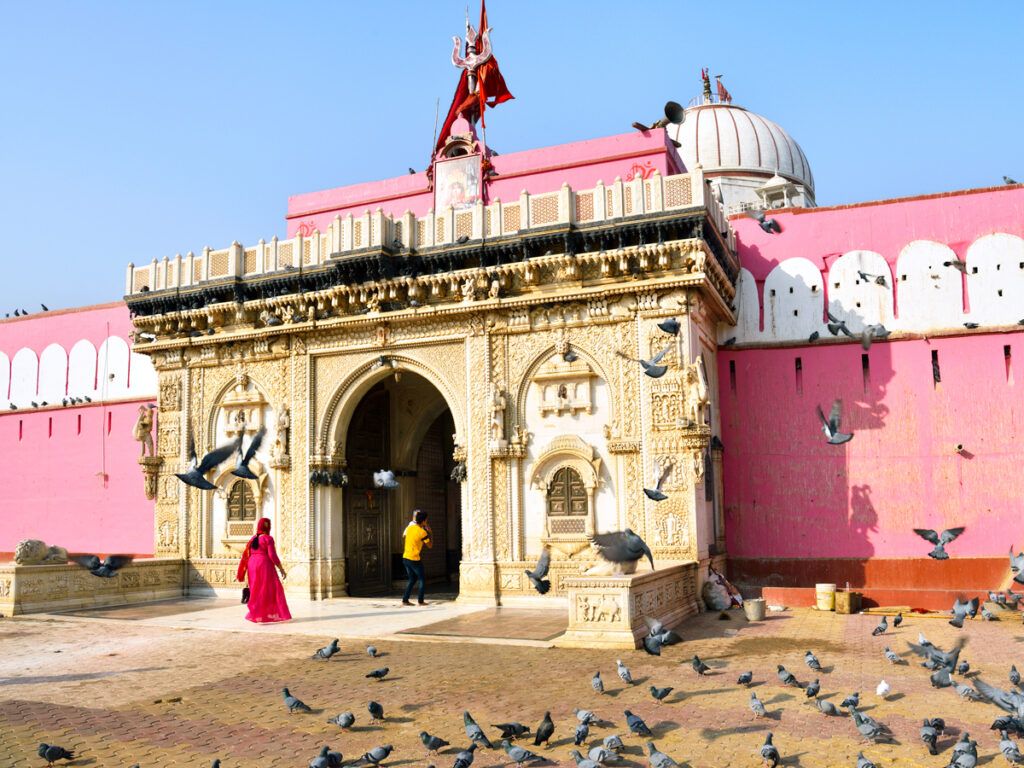
From the Golden Temple to the Taj Mahal, India is spoiled with magnificent works of architecture. At first glance, Karni Mata Temple, with its ornate silver doors and marble floors, is another shining example. But inside, an estimated 25,000 rats await worshippers and visitors. These rodent inhabitants roam freely, darting between the bare feet of temple visitors, drinking from bowls of milk, and snacking on crumbs left for them by priests and pilgrims.
The rats, locally known as kabbas, are believed to be reincarnated descendants and devotees of Karni Mata, herself an incarnation of the Hindu goddess Durga. According to legend, when Karni Mata’s son died, she struck a deal with Yama, the god of death. For the return of her son, she promised that her followers would turn into sacred rats before reincarnating as humans. Nowadays, paying respect to the rats, or even having one scurry across your feet, is said to bring health and prosperity.
Bubblegum Alley – California
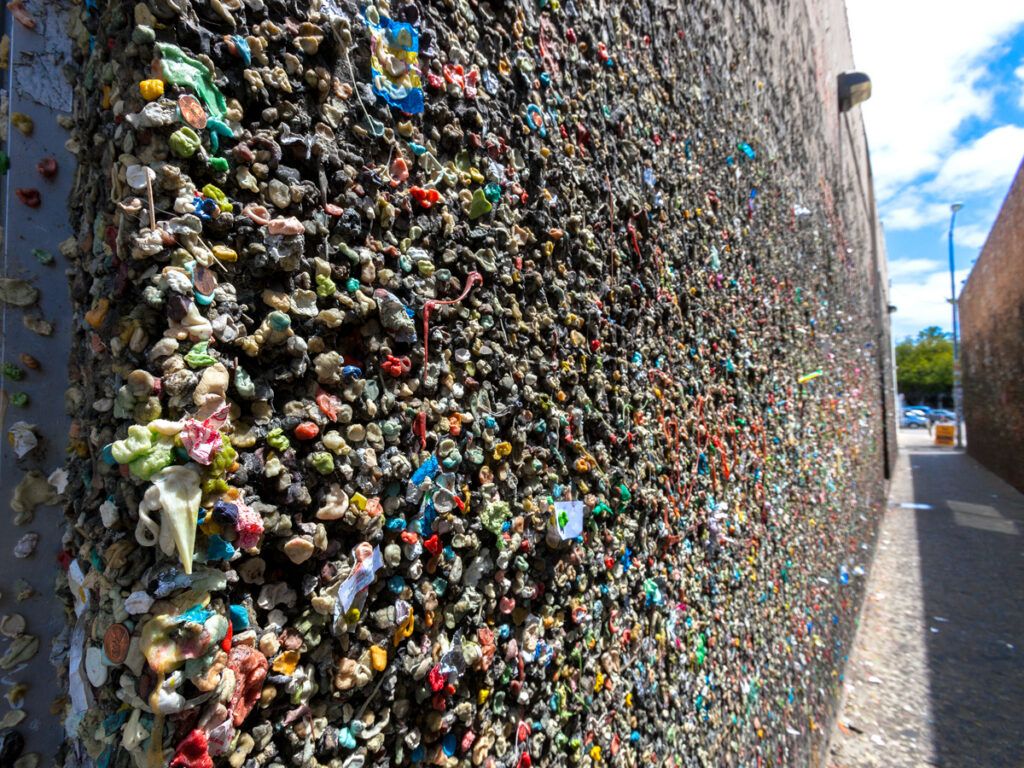
Tucked away in downtown San Luis Obispo, Bubblegum Alley is exactly as it sounds: a 15-foot-high and 70-foot-long alleyway plastered in used gum. For some, it’s a sticky, germ-covered nightmare. For others, it’s an ever-evolving piece of public art, with locals and visitors contributing colorful additions daily. Some just attach their chewed gum to a free space, while others get creative by forming pictures and letters.
The origins of this unusual attraction are debated. One story traces back to a rivalry between students of San Luis Obispo High School and Cal Poly in the 1950s. Another references a San Luis Obispo High School graduation event that started after World War II. Either way, Bubblegum Alley has gained international recognition in the years since. Musician Weird Al Jankovic even mentioned the alley in his 2017 song “Take Me Down.”
Museum of Broken Relationships – Croatia
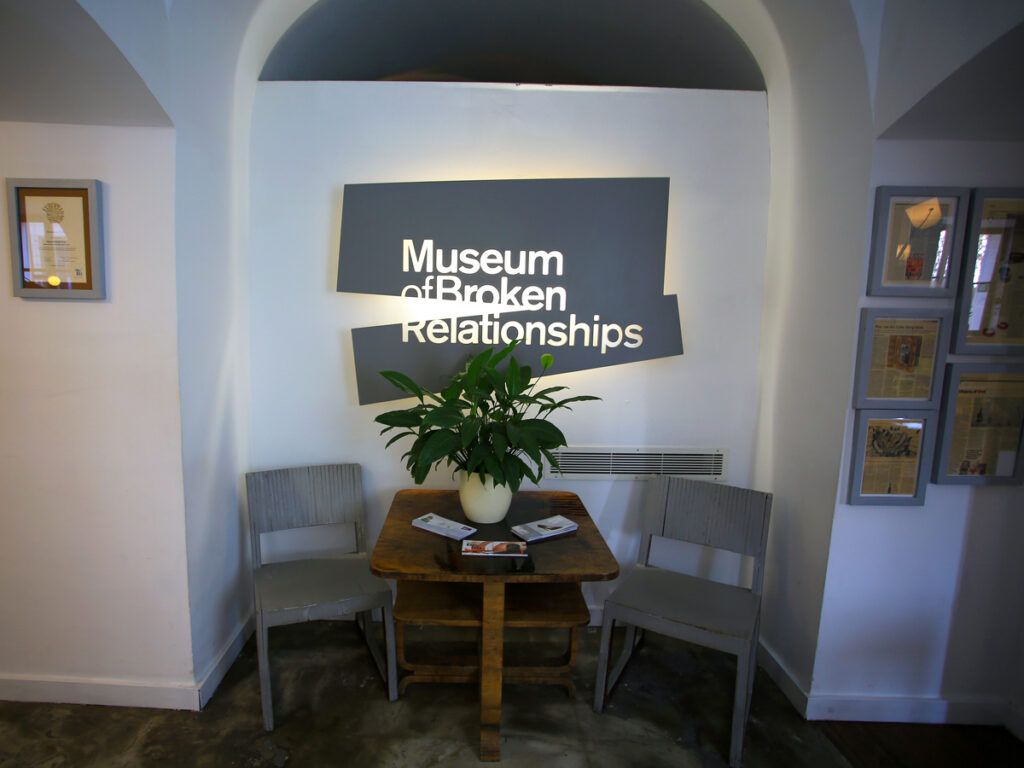
It’s a familiar story all around the world: A couple breaks up, but neither person knows what to do with the objects left behind. This was the spark for one of Europe’s most unlikely exhibition spaces, the Museum of Broken Relationships in Zagreb, Croatia. It began as an art project by Olinka Vištica and Dražen Grubišić after their own relationship ended. Instead of dividing up their shared belongings or throwing them out, the former couple put them on display. Eventually, they acquired items from other couples and opened a museum dedicated to the concept in 2006.
Inside the museum are items donated from all over the world. Some are romantic, some are funny, and others are downright peculiar. There are toys, locks of hair, a 27-year-old scab from a first love’s wound, and even an axe used to destroy an ex-partner’s furniture. The museum’s success led to a sister museum opening in Chiang Mai, Thailand, in 2024.
Capuchin Catacombs – Italy
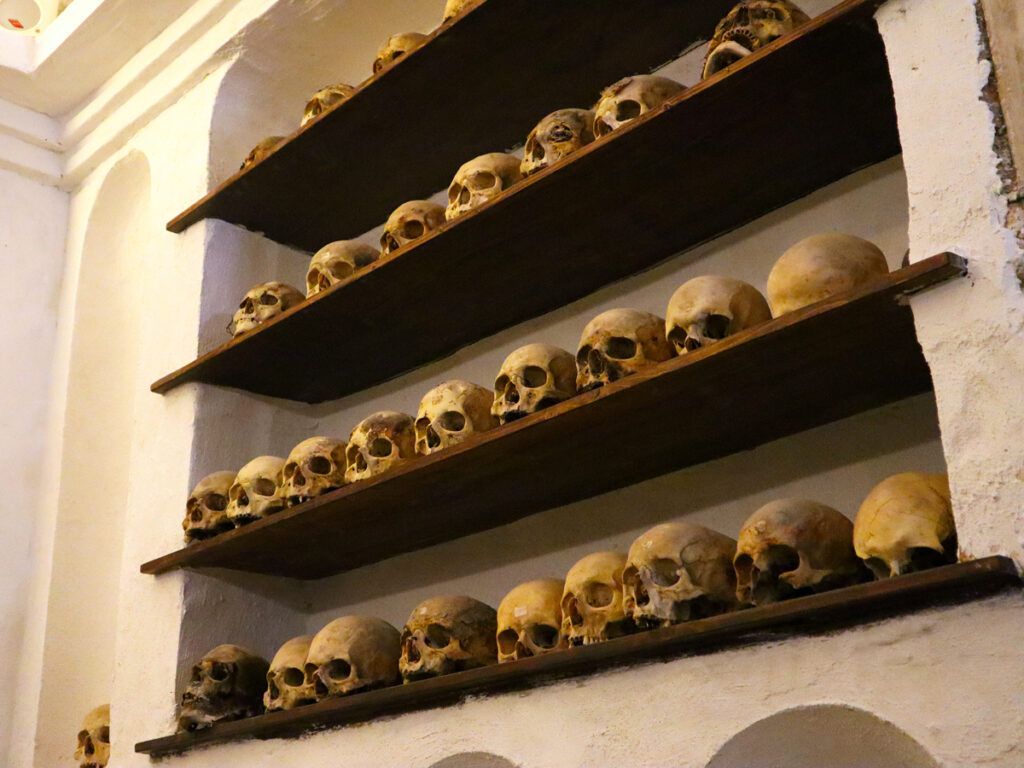
The Catacombe dei Cappuccini di Palermo in Sicily dates to the 16th century, when it began as a cemetery for Capuchin (members of a Catholic religious order) monks. In 1599, when friars were moving 45 bodies to a larger resting place, they found a group of perfectly preserved corpses. The stunning discovery was deemed an act of God, and the mummies were later put on display.
Today, a visit to the eerie catacombs takes you through corridors filled with over a thousand mummified bodies. Some stand in niches, while others hang from walls, dressed in their original clothing and with facial features intact. The bodies are arranged by social status, gender, and profession, with 2-year-old Rosalia Lombardo being one of the best-preserved mummies. If you’re interested in more of the macabre, nearby Palermo Cathedral houses the tombs of Roman and Sicilian royalty.
Salina Turda – Romania
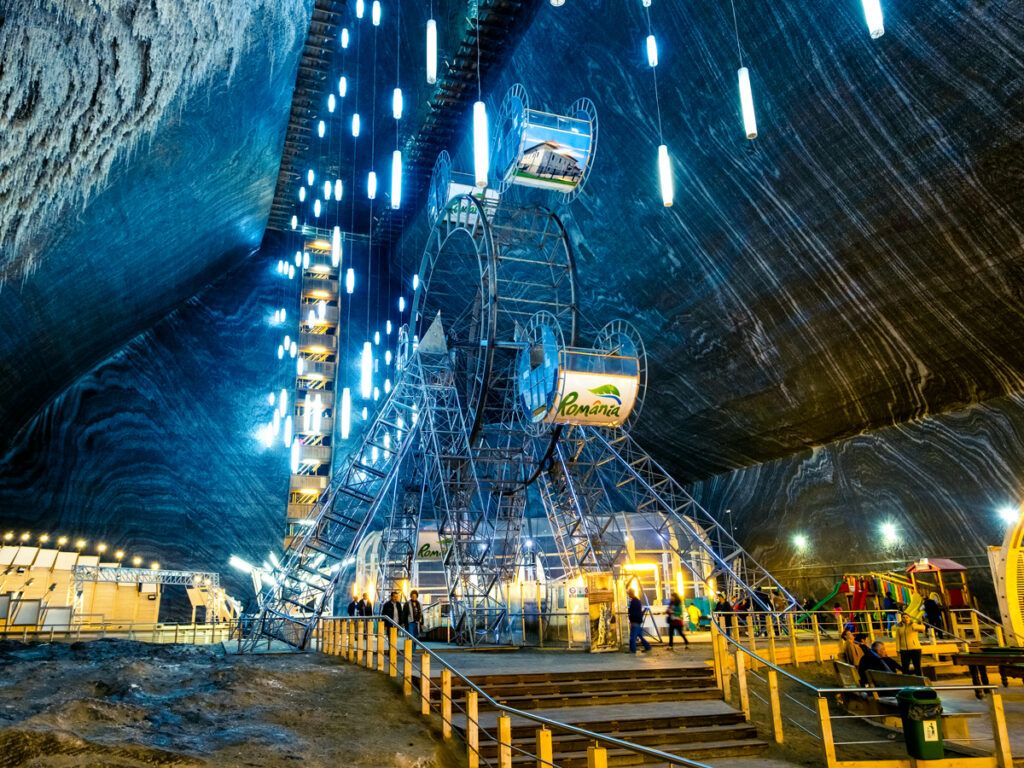
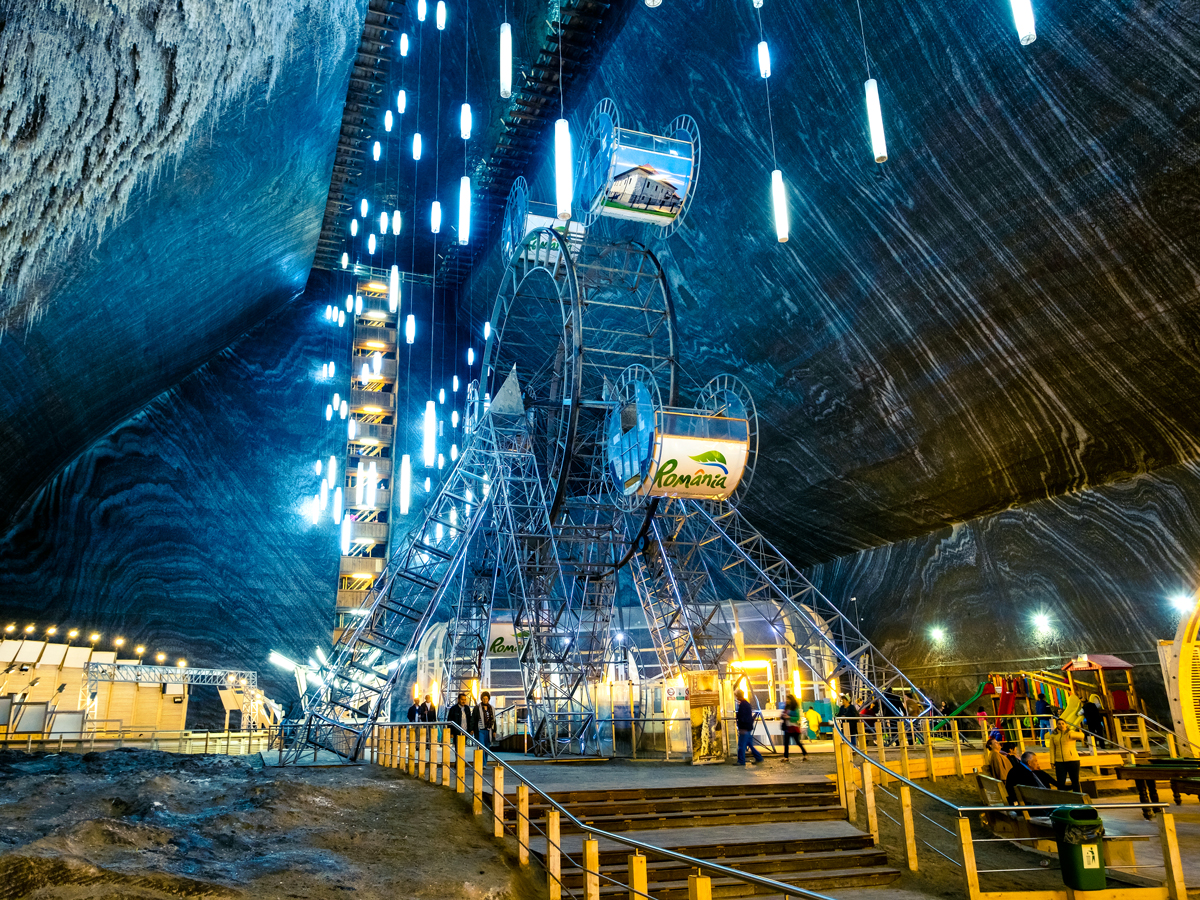
When considering what to do with an old salt mine located in the heart of Transylvania, officials had an unconventional idea: Turn it into a vast, subterranean leisure and entertainment complex. The history of Salina Turda dates back to ancient times. Following its closure in 1932, it was reused as a World War II air raid shelter and a cheese warehouse, before opening to the public in 1992.
Today, glass-doored elevators descend into the cathedral-like natural chambers around 390 feet below the surface. There, visitors will find a Ferris wheel, a mini golf course, bowling lanes, sports courts, and a boating lake. Those in the mood for pampering and wellness treatments can also make use of Jacuzzis, saunas, and freshwater pools.
Mannakin Hall – England
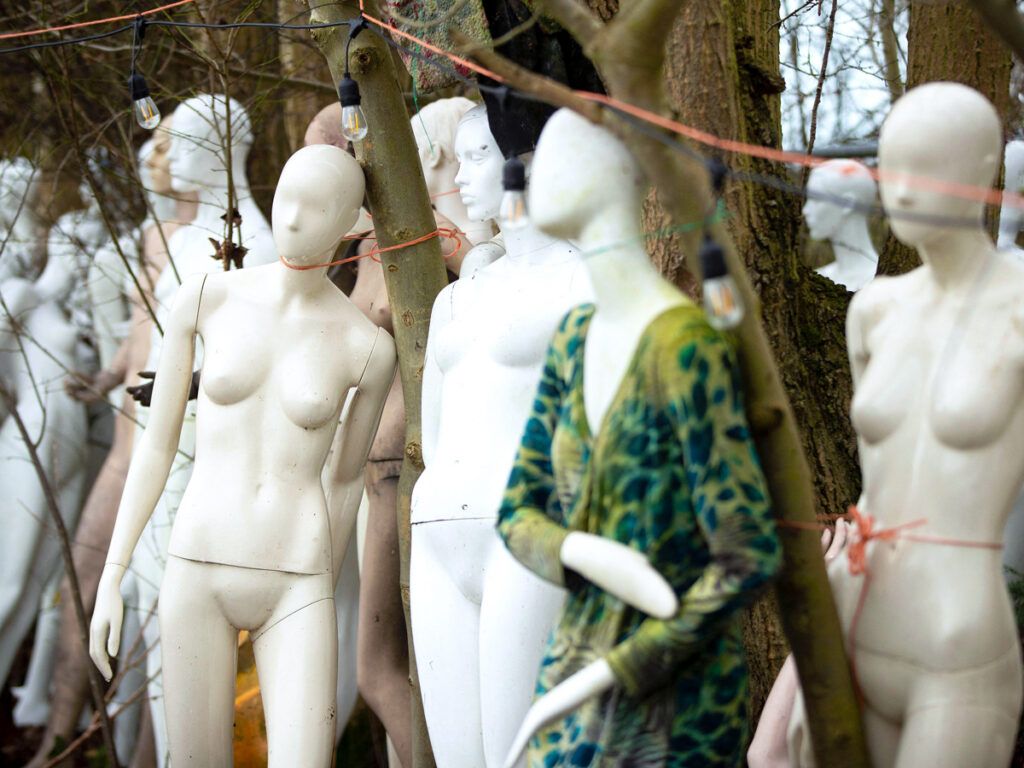
In 2007, former retail consultant Roz Edwards had an idea to salvage and restore unwanted mannequins. She has since amassed around 15,000 fiberglass and plastic human bodies, creating what many call the “Mannequin Graveyard” in Fulbeck, England. Some have been recovered from landfill sites, while others were acquired from clothing stores that went out of business. The mannequins are available for rent and purchase, with many ending up in art exhibitions and television series. Edwards even supplied 20 pieces to Lady Gaga for her 2009 Glastonbury performance.
On the second Saturday of the month from March to October, the collection is open to the public, offering visitors a chance to experience the art and history of the humble mannequin. The ultimate experience, however, is the Drive Through Body Part Heist. For a 50-pound fee, mannequin fanatics will have 15 minutes to fill their trunk with as many body parts as will fit as part of a game.
Avanos Hair Museum – Turkey
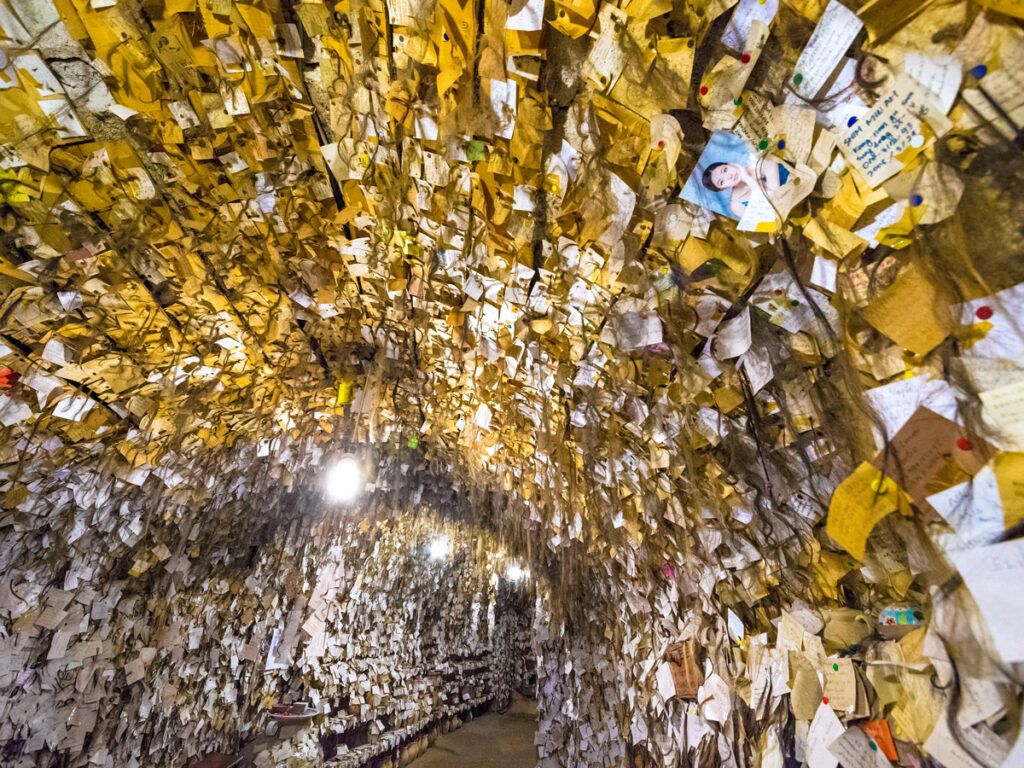
Turkey’s Cappadocia region is famous for its rock formations, cave dwellings, and hot-air balloon rides. Head to Avanos, a town famous for millennia-old pottery traditions, and you’ll find a somewhat stranger attraction. Beneath the studio of potter Galip Körükçü is the one-of-a-kind Avanos Hair Museum, a cavelike space decorated floor to ceiling with 16,000 locks of women’s hair of varying colors, lengths, and styles. Each lock has a handwritten note detailing the donor’s name and place of residence.
The donations began over 30 years ago, when Körükçü had to say a tearful farewell to a friend. To soften the departure, the friend gave Körükçü a lock of hair as a memento. Since then, women entering the shop have been invited to leave a piece of their own hair. And twice a year, the first customer to enter the shop is asked to select 10 locks from the display. The owners of the chosen ones are invited on a weeklong trip to Cappadocia with free pottery workshops.
Nagoro “Scarecrow” Village – Japan

Scarecrows are typically used by farmers to distract birds from feeding on their crops and seeds. But in the small, riverside village of Nagoro, the human-shaped decoys have been given a new lease on life. There are an estimated 350 scarecrow residents (outnumbering human residents of the village), who can be seen sitting at bus stops and inside school classrooms, fishing by the river, performing road maintenance, or simply hanging out along the street.
The scarecrow story started in 2009, when village resident Tsukimi Ayano made one to resemble her father. She placed it in her garden but noticed that locals would stop and say “hello.” So, she decided to make an entire population of scarecrows, which has since turned into one of Japan’s most fascinating outdoor art exhibitions. Ayano displays a scarecrow registry outside her house, which gives the name, age, sex, personality traits, and life story of each one.
Coral Castle – Florida
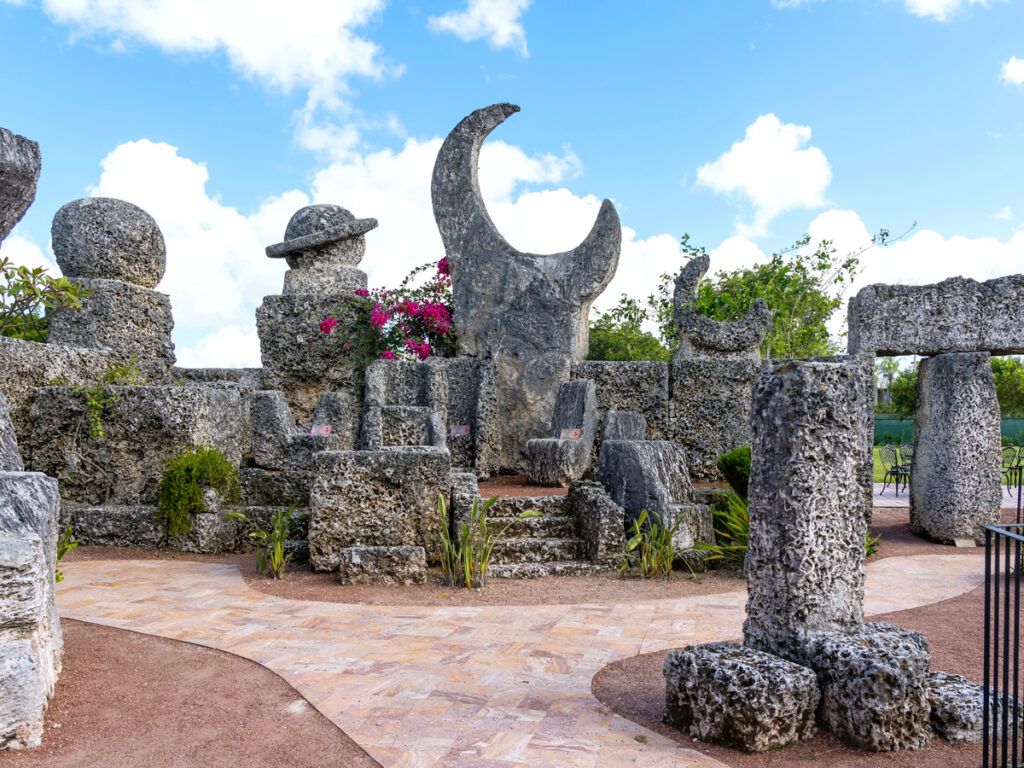
Carved from over 1,000 tons of coral, this striking limestone landmark in Homestead, Florida, is the work of Latvian-born engineer Edward Leedskalnin. Heartbroken after being abandoned at the altar, he decided to create a labor of love. He worked alone, mostly at night, for almost 30 years, from 1923 to 1951, to create an open-air, mazelike complex of surreal structures.
The landmark feels equal parts sculpture park and engineering marvel, and experts still don’t fully understand how Leedskalnin achieved it all. Touring the castle reveals dozens of architectural and artistic curiosities, including an exhibition of the creator’s personal items, the tools he used, and newspaper articles about him. Interestingly, this is the castle’s second location: It first stood in Florida City, before being moved a couple of miles north to Homestead.
More from our network
Daily Passport is part of Inbox Studio, an email-first media company. *Indicates a third-party property.