



The Surprising U.S. City Where People Live 10 Years Longer
The Surprising U.S. City Where People Live 10 Years Longer

Of all the places in the world, only five are designated “Blue Zones,” geographic areas where people have higher life expectancies than the norm. Spread across the globe in Japan, Greece, Italy, and Costa Rica, the inhabitants of these areas are documented to live well into their 80s, 90s, and even 100s. Residents also have lower rates of chronic disease, including cancer, heart disease, and dementia. But there’s one place closer to home where people have figured out the secret to a longer, happier life — and it’s probably not where you’d expect. Read on to find out more about America’s only Blue Zone.
The Recipe for Longevity
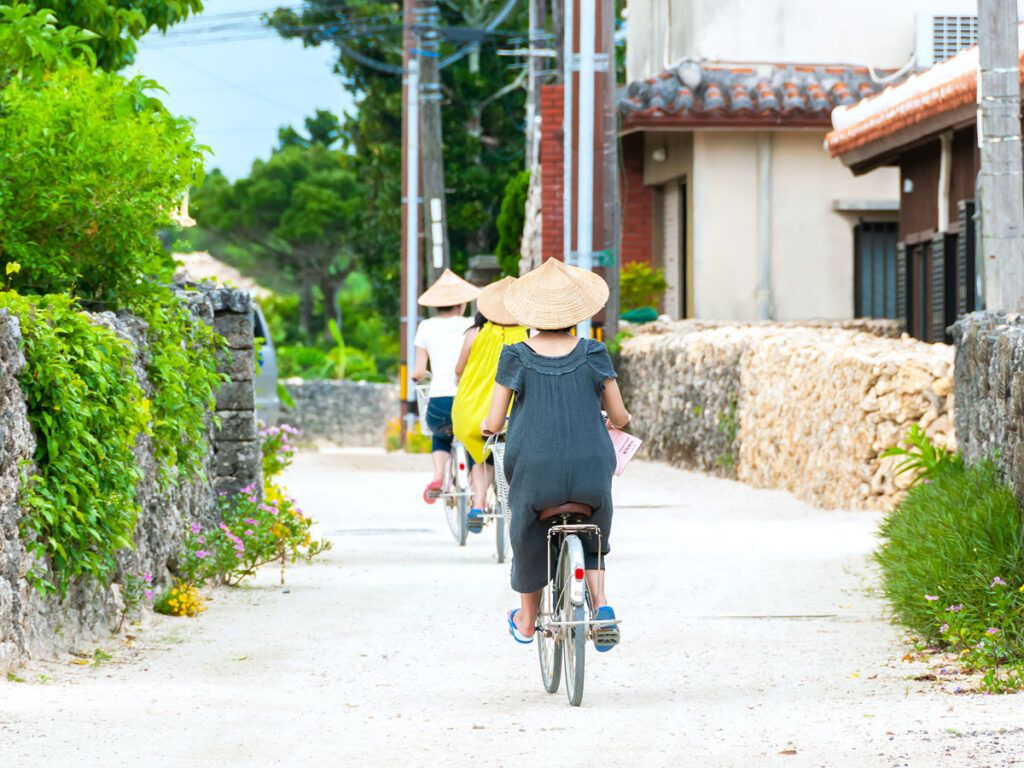
When researchers originally studied and identified the five Blue Zones in 2004, they discovered a number of similarities among these seemingly disparate areas and their inhabitants. Some of the noted commonalities are to be expected, such as regular daily exercise and a diet rich in plants. Residents of Blue Zones find natural movement in their daily life and stick to diets that maintain an emphasis on plants, legumes, and other minimally processed foods.
Other similarities, however, go beyond body health. According to the Blue Zones organization, a key component in living a longer life is maintaining strong social connections — proving that close ties to others are important to a healthy (and happy) lifestyle.
Residents of Blue Zones also share a sense of purpose in their daily lives, which is best defined in the Japanese concept of ikigai, a term that translates to “reason for being.” In Okinawa, Japan’s only Blue Zone, people find their ikigai not through earning a living, but rather through family, community, hobbies, and simple day-to-day pleasures.
A U.S. Blue Zone
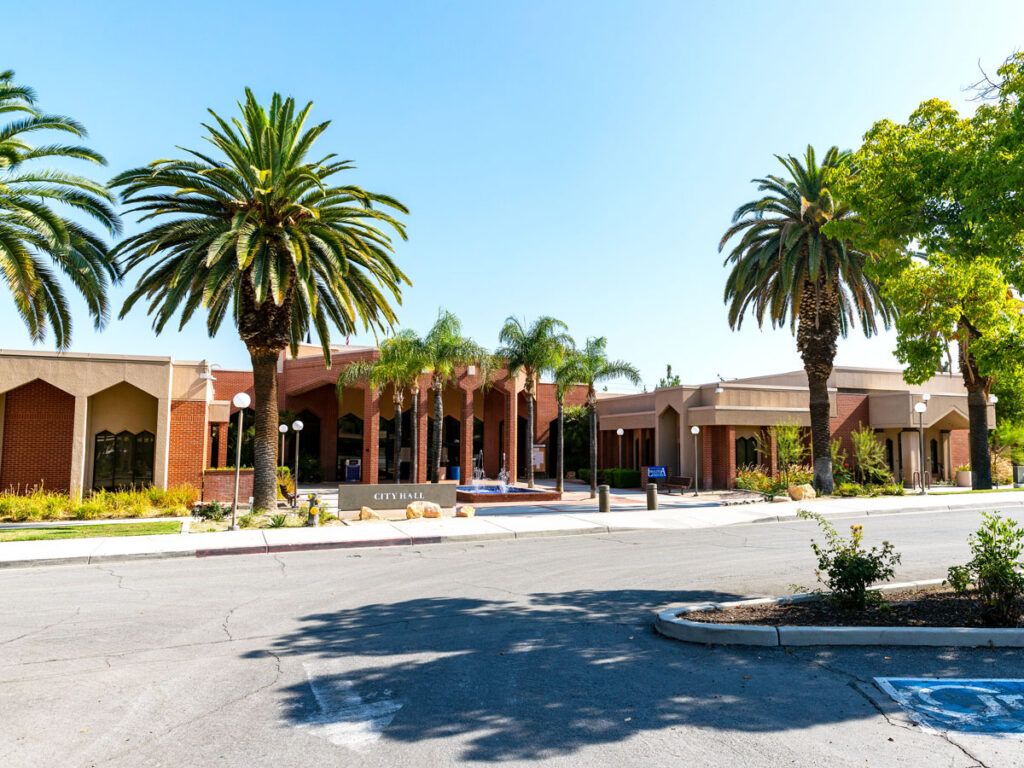
For some, perhaps even more surprising than why people live longer is where they live longer. The only Blue Zone in the United States can be found in an unassuming place: Loma Linda, California. Unlike the other four Blue Zones — Okinawa, Japan; Ikaria, Greece; Sardinia, Italy; and Nicoya, Costa Rica — which tend to be more isolated from the trappings of modern life, Loma Linda is a seemingly typical California suburb about 60 miles east of Los Angeles.
On the surface, residents of Loma Linda seem to have normal American suburban lives: They have the same access to fast food, shop in the same grocery stores, drive the same cars, and get stuck in the same traffic. However, they notably tend to live four to 10 years longer than the average Californian, whose average life expectancy is 79.3 years.
What’s Different About Loma Linda?
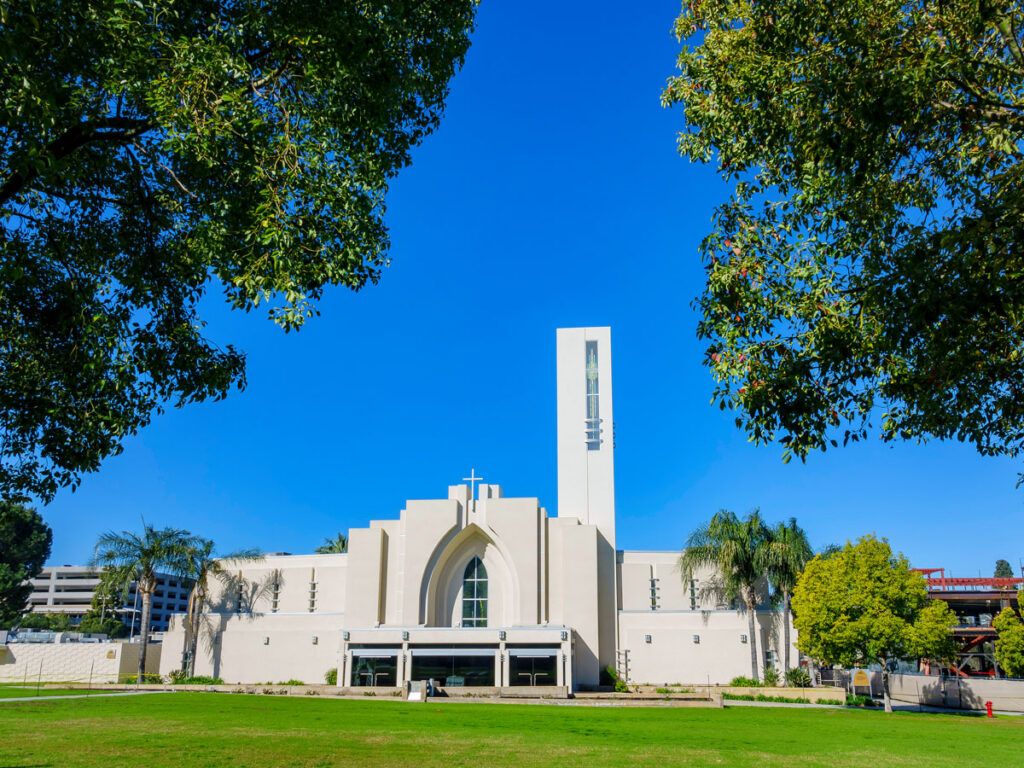
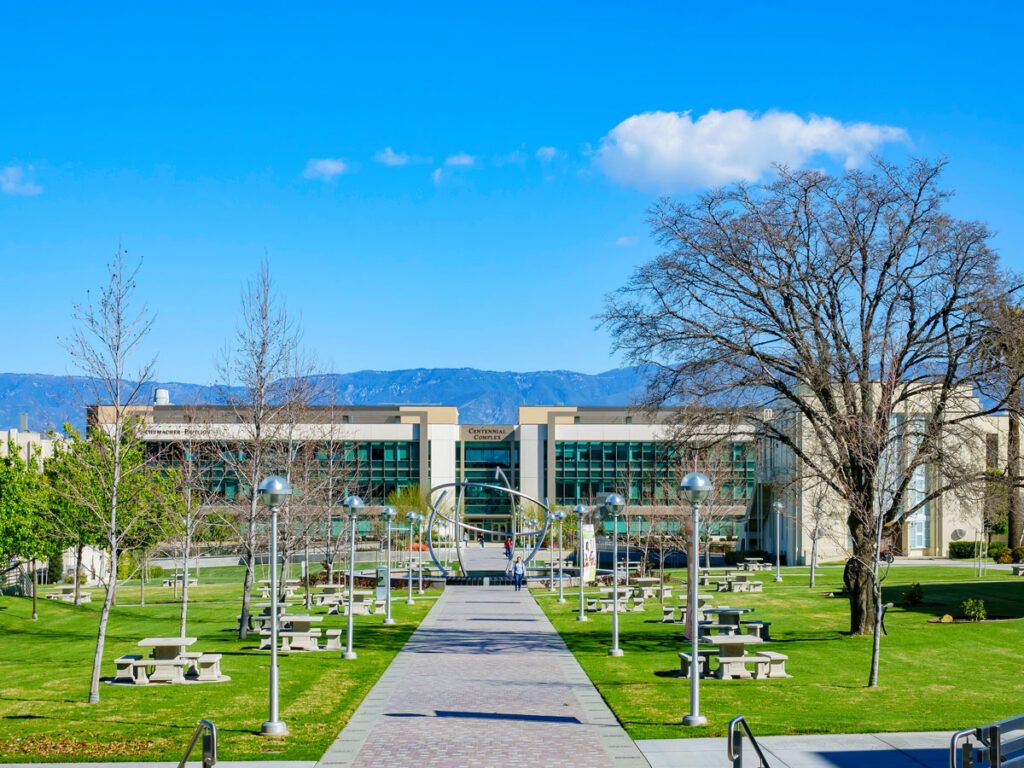
Interestingly, Loma Linda has a high concentration of members of the Seventh-Day Adventist Church, a health-conscious church that dates back to the mid-1800s. Estimates put the number of Adventists at one-third to one half of Loma Linda’s population. The city is also home to Loma Linda University, the medical and educational headquarters for the church. The town grew around the university after it was established in 1905. This fostered a culture that naturally adhered to many of the factors that contribute to the longevity found in other Blue Zones.
Many Adventists avoid meat as a part of the church’s plant-based dietary guidelines, instead favoring fruits, vegetables, nuts, grains, and legumes in their daily diet. As a result, a resident of Loma Linda is more likely to choose heart-healthy and fiber-rich oatmeal for breakfast, as opposed to a high-calorie breakfast sandwich. Adventists also tend to avoid both smoking and alcohol, which lowers the risk of chronic disease, cancer, and stroke, and offers other health advantages throughout life.
Community and Connection
Another unique custom in Loma Linda is honoring the Sabbath, a weekly rest period that lasts from Friday evening until Saturday evening. During this time, Adventists stop working in order to rest, socialize, spend time outside, go to church, and disconnect from the stressors of everyday life. Research has long documented the adverse effects of stress levels on health, and this weekly reset allows people to recover from the busy workweek to prioritize family time, hobbies, and rest.
The church and university also create a natural social network for people of all ages, which helps residents stay connected to the community throughout their lives. Many locals make time to volunteer, too, which strengthens their social network and creates more purpose and fulfillment in their day-to-day lives. Indeed, studies show that those who volunteer feel less chronic pain and have an overall higher sense of well-being.
Creating More Longevity

The good news? You don’t have to pack your bags and move to Loma Linda to prolong your life. Instead, you can begin to adopt some of the lifestyle habits that tend to create healthier and happier people. Introducing more plants into your diet is a good start, in addition to daily movement practices. Finding ways to be a part of your community — whether through volunteering, organizations, or neighborliness — can also be highly beneficial. And if you can find ways to unplug, relax, and unwind, your body will certainly thank you.
More from our network
Daily Passport is part of Inbox Studio, an email-first media company. *Indicates a third-party property.