




5 Things You Should Never Do in an Airplane Bathroom
5 Things You Should Never Do in an Airplane Bathroom
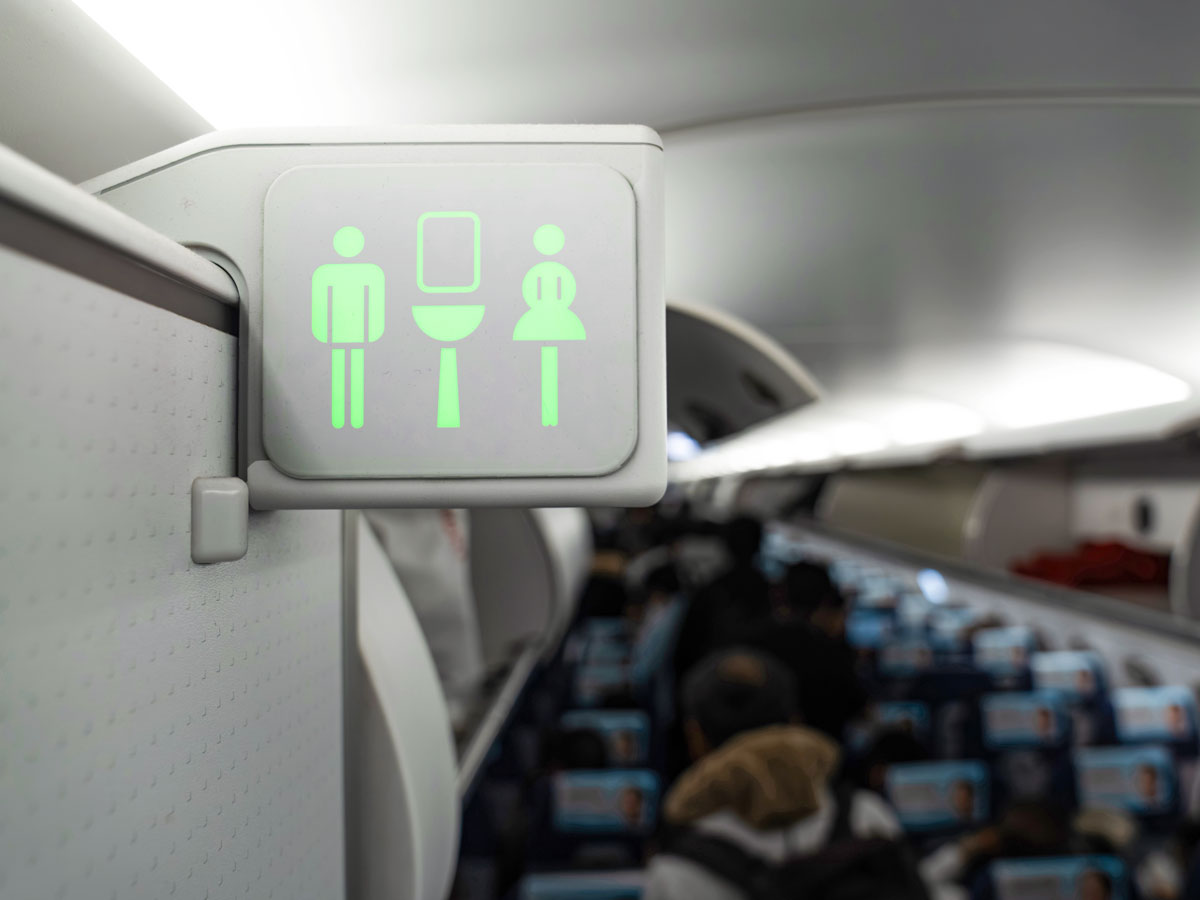

Air travel, like most public settings, has its own set of rules — some of them unwritten. And though airplane etiquette can be harder to observe when you’re already feeling jet-lagged, it doesn’t stop being important just because you’re 30,000 feet in the air. That’s especially true of the lavatory, which many would prefer not having to use in the first place but everyone should do their part to keep clean. With that in mind, here are five behaviors to avoid in an airplane bathroom.
Go Without Shoes
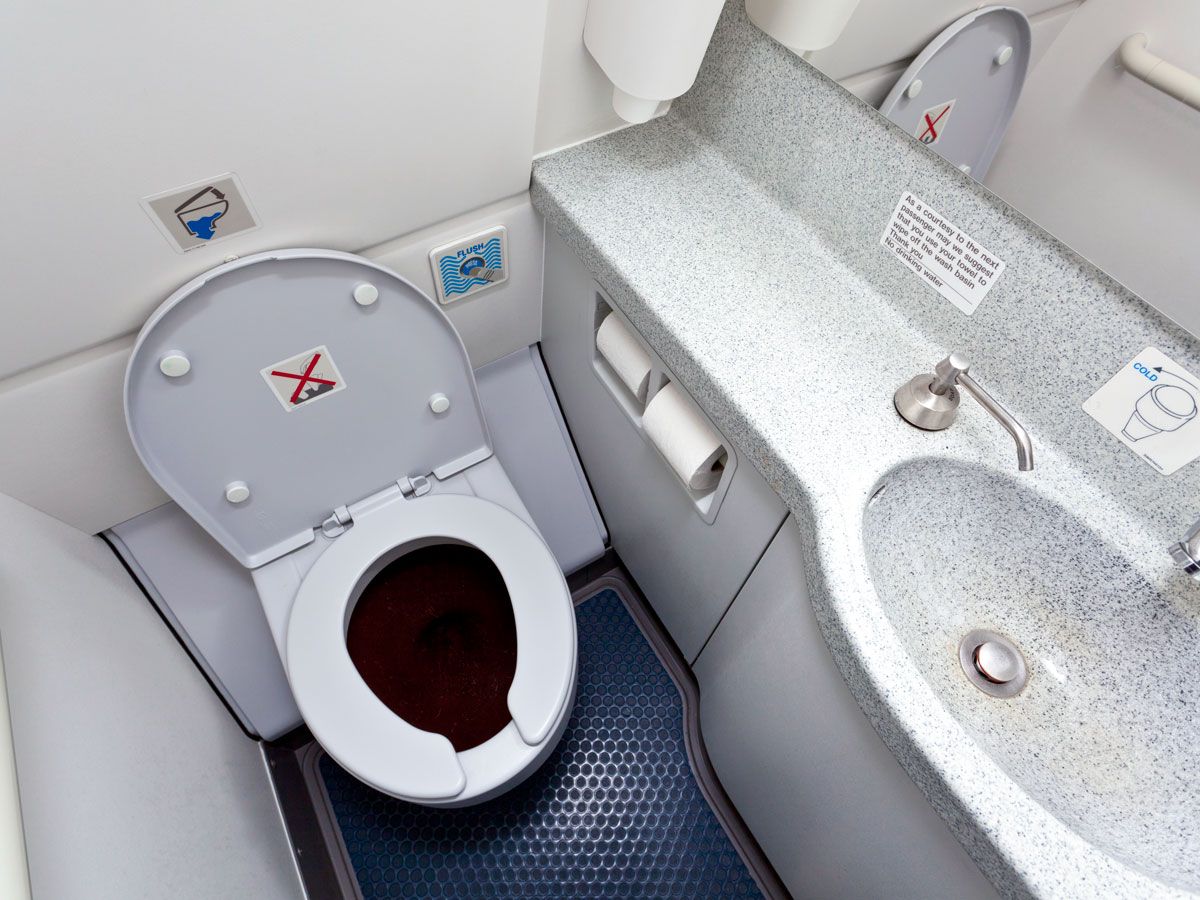
It’s safe to say that most travelers don’t need to be told not to use the lavatory barefoot, but some still brave it in their socks. They really shouldn’t. As flight attendant Honorine Nsengiyumva told Good Housekeeping, “The liquid on the floor is not water, and your socks or bare feet will soak it up.”
Keep your shoes on at all times while availing yourself of the facilities at cruising altitude, as it’s the only way to protect yourself from the myriad bacteria all over the well-trod floor. In addition to shielding your feet from germs, doing so has the added benefit of not grossing out your fellow passengers.
Leave Without Washing Your Hands
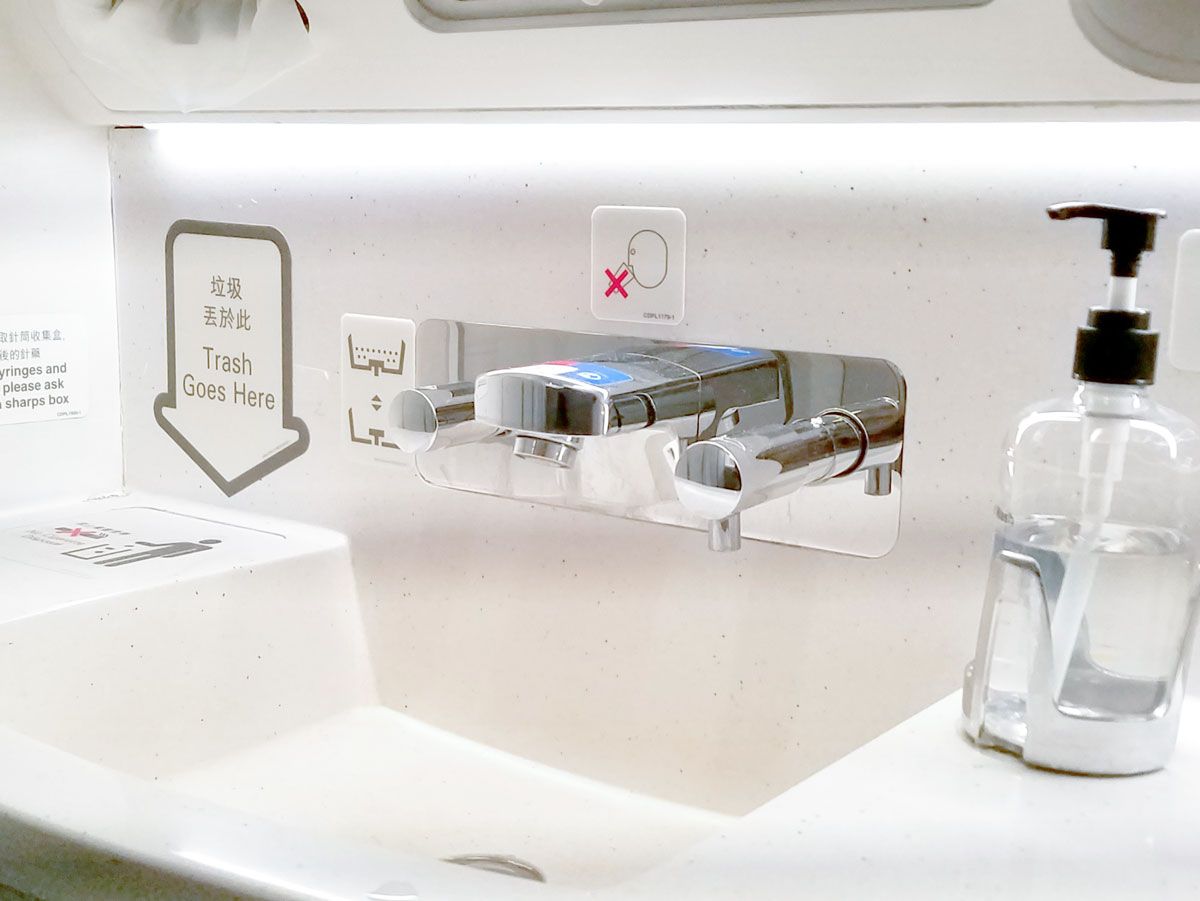
You know what else is covered in germs? Every other surface in that very same lavatory, which has most likely been used by dozens of other passengers by the time you wait for the seat belt sign to turn off and navigate the center aisle on your way to it. According to various cabin tests over the years, the bathroom door handle and bathroom sink tap handle were found to be among the dirtiest parts of an airplane cabin, with traces of bacteria, yeast, and mold present.
We realize washing your hands isn’t always easy in the tight quarters of an airplane lavatory — those sinks should really stay on for a few seconds longer — but your hands and future self will both thank you. (If you have hand sanitizer, even better to use that, too.)
Flush Without Closing the Lid
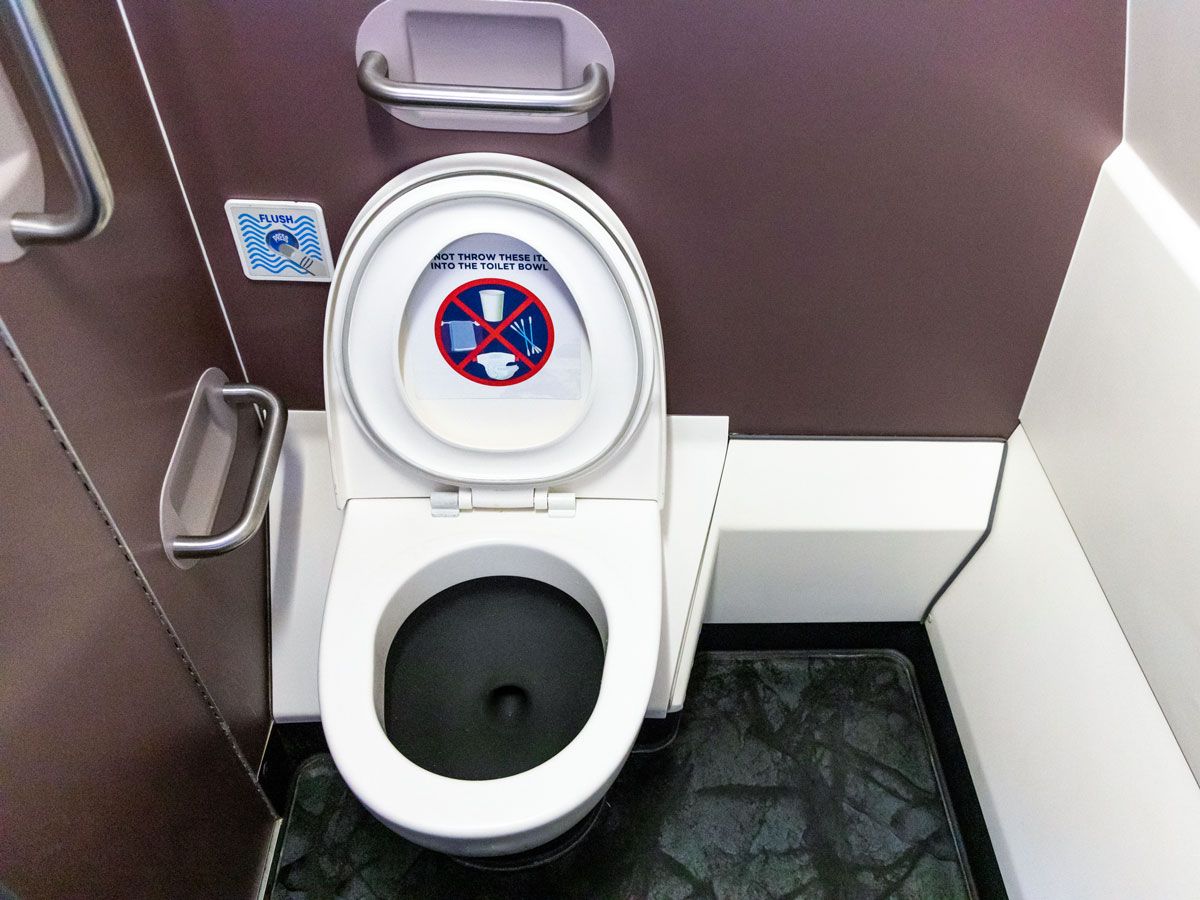
Airplane toilets are powerful for the simple reason that they have to be. Using a vacuum system allows them to be effective inside the pressurized cabin; it also saves on water. But it still spews particles into the confined lavatory as any toilet would, which is why you should always close the lid before flushing. Those airborne droplets can and will cover anything and everything they come in contact with, including you.
Drink the Tap Water
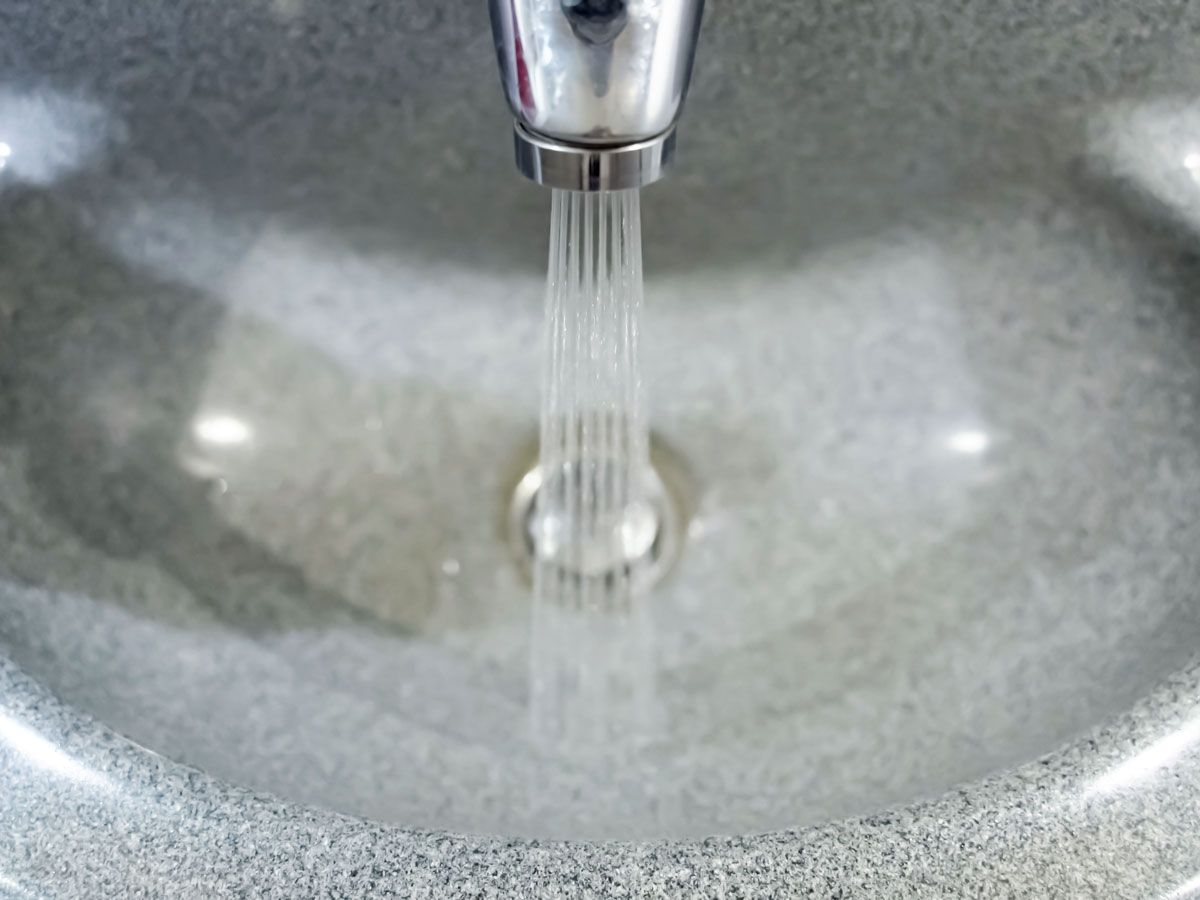
You might have been able to drink the tap water on your trip abroad, but that doesn’t mean you should do the same on an airplane. It isn’t intended for drinking, and trying your luck could easily get you sick.
Water storage tanks on aircraft are rarely cleaned and often harbor harmful bacteria including E. coli and coliform, according to a 2019 study conducted by the Hunter College NYC Food Policy Center. The highest score any major airline received for its water safety was 3.3 out of five points, which both Alaska and Allegiant Air earned. Meanwhile, JetBlue and Spirit both received one out of five points. Even the cleanest water from an airplane bathroom sink isn’t intended to be ingested, however. Tip: To stay hydrated, always bring your own refillable travel water bottle instead, and fill up at a designated water fountain in the terminal before you board.
Vape or Smoke
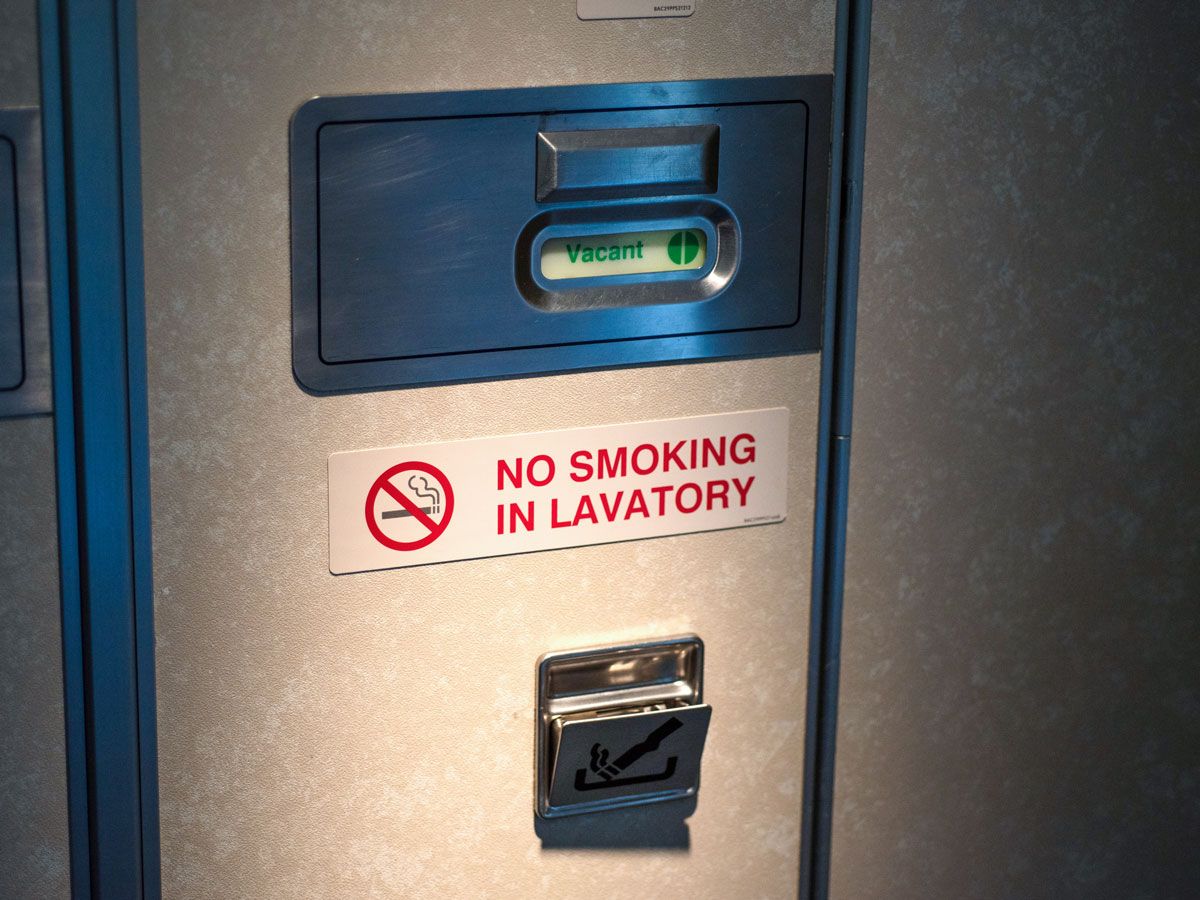
Travelers of a certain age will remember a time when smoking on planes was ubiquitous. Sure, there were nonsmoking sections, but that didn’t mean much when you were in a confined space just a few rows away from the passengers who calmed their nerves by chain-smoking for the entire flight.
In-flight smoking has been banned nationwide since 2000. However, that hasn’t prevented many passengers in the years since from trying to skirt these regulations — usually in the lavatory. Vaping has largely supplanted smoking in recent years, but it’s just as verboten. Airplane lavatories are equipped with smoke detectors for safety reasons; tampering with one is a federal offense that can result in fines of up to $2,000. Plus, in addition to releasing aerosolized particles in the air, some vapes also have lithium-ion batteries that can pose a fire hazard on board.
More from our network
Daily Passport is part of Inbox Studio, an email-first media company. *Indicates a third-party property.