




The Unwritten Rules of the Airplane Armrest
The Unwritten Rules of the Airplane Armrest
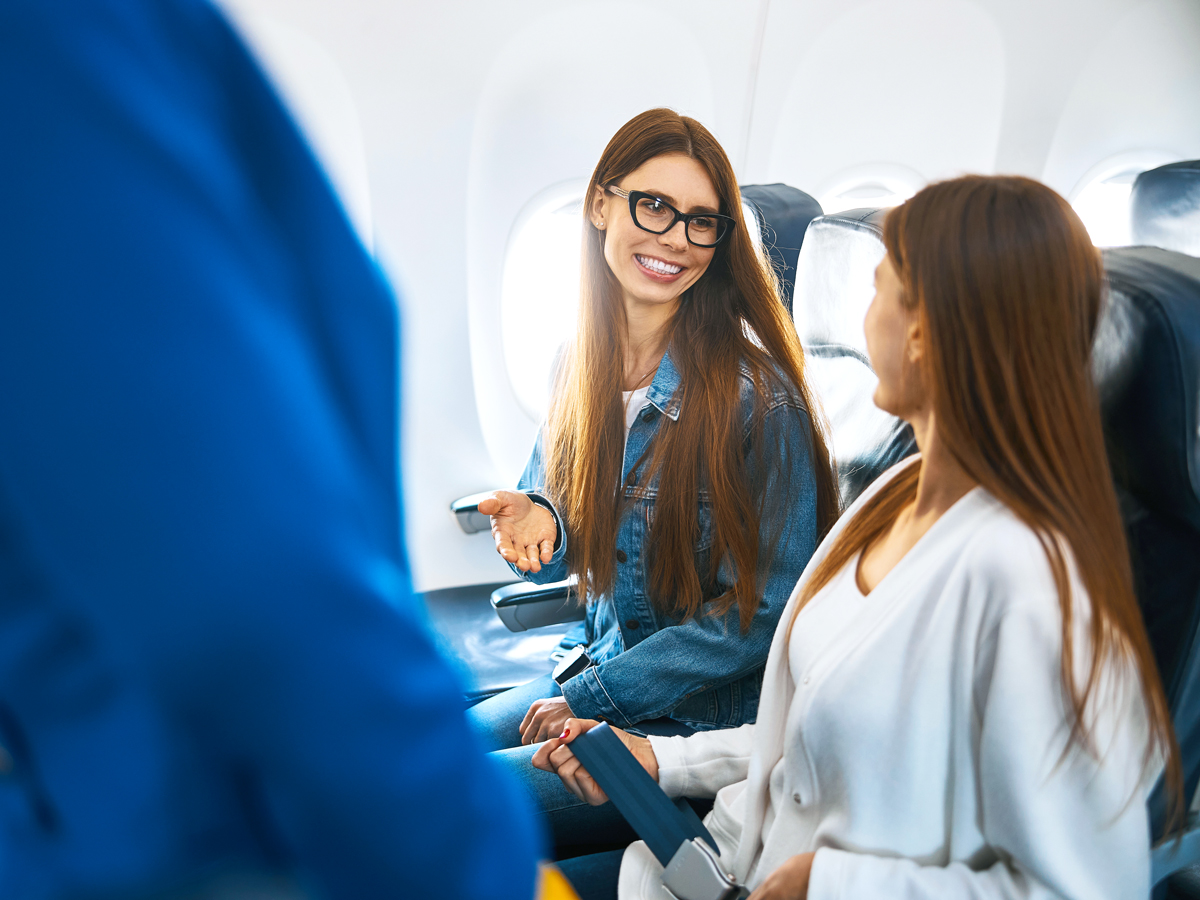

Along with all of the airline regulations, boarding a flight comes with plenty of unspoken etiquette, too. For example, wait until it’s your row’s turn to exit the plane, think twice before reclining your seat, and make sure you’re using headphones. Another common in-flight issue? Who, exactly, gets to use the armrests. As airlines’ economy cabins have become increasingly cramped, armrests have become valuable — and often contested — personal space. To settle the debate, we asked some etiquette experts about the unwritten rules you should know about the armrests when traveling on an airplane.
The Middle Seat Gets Both Armrests
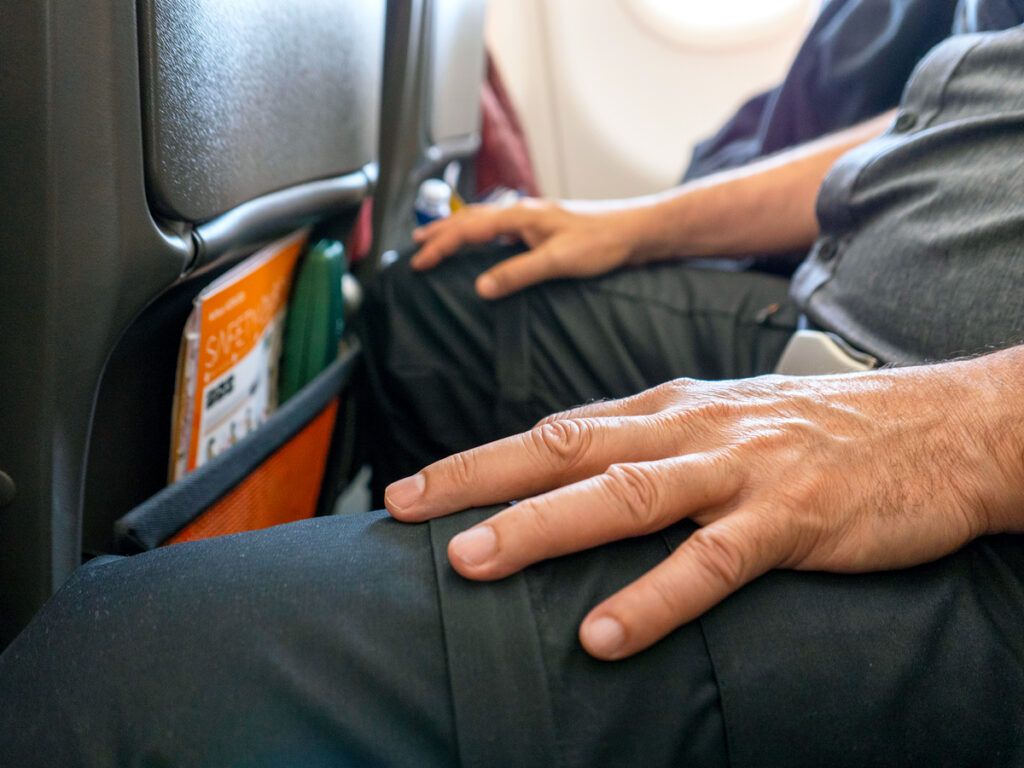
Many etiquette experts agree that the passenger in the middle seat gets first dibs on both shared armrests. The reasoning is simple: The middle seat gets the short end of the stick, comfort-wise. “The middle seat gets both inner armrests,” says Nick Leighton, host of the modern etiquette advice podcast Were You Raised By Wolves?. “Given the unique benefits that window and aisle passengers get, I think giving the middle seat the armrests is really the least we can do for this poor person.”
He has a point: Window-seat passengers have a wall to lean against (not to mention the best view out the window), while aisle-seat passengers have easier access to get in and out of their seat as needed (plus a little extra room to stretch their legs). The middle-seat passenger gets neither, so that’s where the armrest comes in.
Think of Them as Elbow Rests
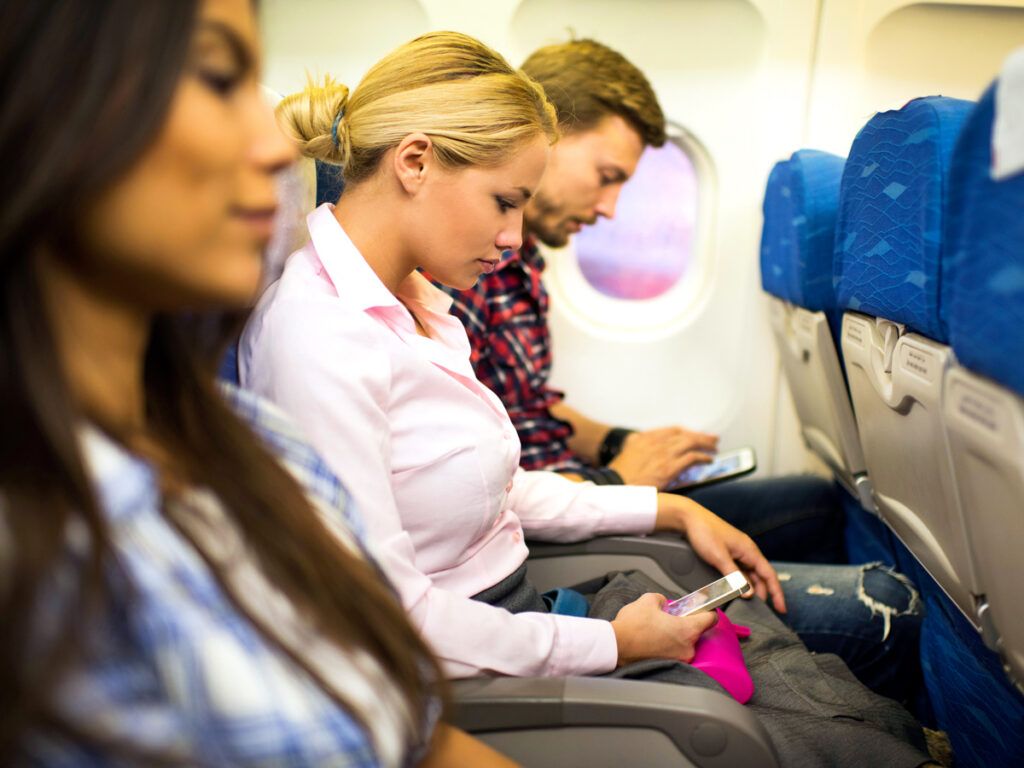
Jo Hayes, founder of EtiquetteExpert.org, suggests thinking of them less as full armrests and more as elbow rests, making room for more than just one person to use them. Rather than spreading your entire forearm across the shared space, each passenger can often comfortably rest an elbow on opposite sides of the armrest. Hayes reminds us that a little awareness goes a long way: “That means not hogging the arm rest,” she says, but instead “being charitable and courteous and nonverbally agreeing to share.”
What if Someone Takes Your Armrest?
Sometimes, your seatmate may not even realize they’ve claimed both armrests. According to Leighton, most armrest disputes aren’t deliberate — they’re simply the result of someone not paying attention. Instead of immediately getting frustrated, “a light request with a small gesture often does the trick,” he says. Gently resting your elbow on the armrest or even politely asking if you can use a bit of the armrest may be all it takes.
If the other passenger refuses to share and the situation becomes genuinely uncomfortable, quietly mentioning the issue to a flight attendant is reasonable, Leighton says. There’s no need to turn a few inches of plastic into an in-flight argument.
When Flexibility Is the Better Choice
As with most etiquette rules, there are exceptions. Hayes notes that if you’re seated beside someone with circumstances that would make it physically difficult to share, insisting on your right to the armrest will only make the situation more uncomfortable for everyone. “I would encourage the middle-seat passenger to posture themselves as comfortably as possible,” she says. “If it’s particularly unpleasant, simply hail the [flight attendant] to see if they can possibly help, or perhaps move you to another seat, if one is available.”
With tight airplane cabins, it’s important to practice patience with our fellow passengers. “Shrinking seats haven’t changed any etiquette rules,” Leighton says. “It’s actually made all of us more aware of just how important etiquette is and how very real and relevant it is to all our lives. The general idea is that the closer we all are, the more mindful we need to be of those around us.”
The Bottom Line
There may not be an official airline rulebook covering elbow placement, but courtesy, above all, is what matters. A little awareness of your neighbors, a willingness to share when possible, and a polite conversation when necessary can help prevent in-flight discomfort or tension.
And you never know when you may be pleasantly surprised. “The middle-seat passenger can certainly offer the armrests to other passengers as a courtesy,” Leighton says. “Just because the middle passenger gets first dibs doesn’t mean they’re obligated to use them throughout the flight.”
More from our network
Daily Passport is part of Inbox Studio, an email-first media company. *Indicates a third-party property.