






Why You Should Think Twice Before Adding Airline Travel Insurance
Why You Should Think Twice Before Adding Airline Travel Insurance


Buying a flight involves making a series of choices, such as picking which cabin to book, pinning down the best seat, and deciding whether to check a bag or not. Mostly, those decisions are straightforward, but there’s one that often trips up travelers: the question of whether or not to purchase the airline’s travel insurance offered at checkout. It’s an upsell that can feel hard to reject, especially when the airline asks, “Are you sure you don’t want to insure your trip?” But before you check the box and add the airline’s travel insurance to your booking, let’s take a look at what it’s likely to cover — and whether buying it is the best method of safeguarding your trip.
What Does the Airline’s Travel Insurance Cover?

Airline trip insurance policies and providers differ somewhat. American Airlines, Delta and JetBlue partner with Allianz to supply their trip insurance, while United sells Travel Guard policies — as does Southwest (though not to New Yorkers, which has strict state regulations for insurance). Before you sign up for any of these plans, it’s important that you understand what you’ll be insured for.
Airline trip insurance is different from a standard third-party travel insurance policy, and coverage can be more limited. Airline policies tend to cover your flights and flight-related disruptions, while a standard travel insurance policy typically covers your entire trip, from the cost of emergency medical care to unexpected expenses.
According to the travel experts at Thrifty Traveler, one phrase you’ll see repeated time and time again in both types of insurance policies is “covered reason.” Thrifty Traveler says that, for airline policies, the covered reasons tend to be “extremely narrow.” It’s crucial, therefore, to read the terms and conditions to explore what isn’t considered a covered reason. In addition, pay attention to the monetary amounts listed; you may have to pay out of pocket even if you make a claim.
Are Airline Plans Available to All Travelers?

Whatever type of policy they choose, travelers need to ensure that they make an accurate and comprehensive declaration, or they may find a policy is void. This means travelers with preexisting medical conditions should notify the insurance company up front. A declaration should include symptoms you may be experiencing from as-yet undiagnosed conditions that you have consulted a doctor about.
It also matters where you live. For example, the fine print for the Allianz policies offered through American Airlines clearly states that you must be a U.S. resident to qualify. Where you live within the U.S. can also matter — as is the case with Southwest, certain state variations or exclusions sometimes apply.
Take a Look at Alternate Coverage
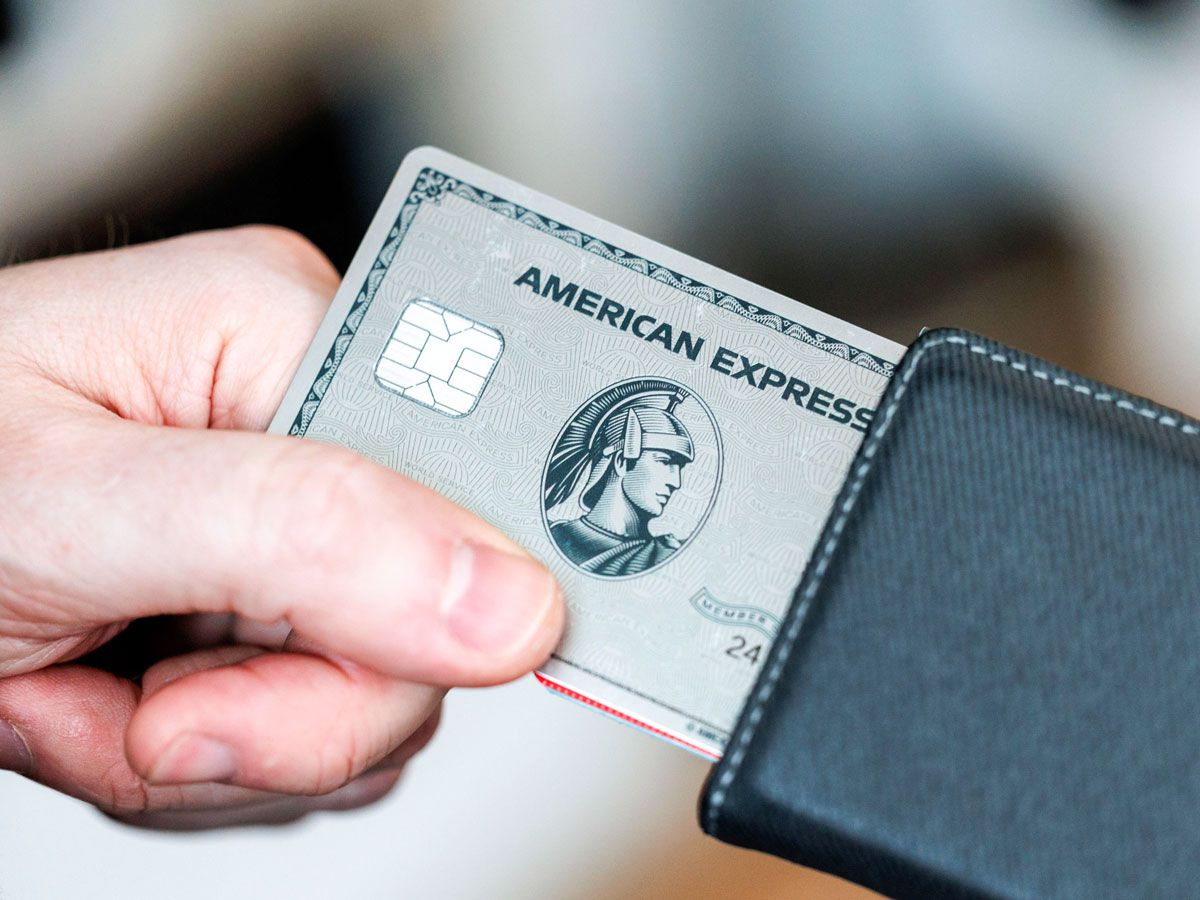
Depending on the credit card you hold, you may not need to purchase the airline’s travel insurance at all, because you may already have equivalent — or better —coverage. Credit cards such as the Chase Sapphire Preferred and Sapphire Reserve, the American Express Platinum Card, Bank of America’s Premium Rewards Elite credit card, and the Capital One Venture X are just a handful of the cards on the market that incorporate some level of travel insurance within their list of benefits.
Of course, you’ll pay an annual fee, but if you’re paying it anyway, there’s no need to double up with the airline’s trip insurance so long as the coverage is sufficient for your needs. Similarly, if you’ve already taken out an annual travel policy, there’s no point in insuring a flight separately through the airline’s option on the booking portal. Just be sure to review the covered reasons, exclusions, and monetary amounts of your credit card insurance carefully.
You May Be Due Compensation Regardless of Coverage
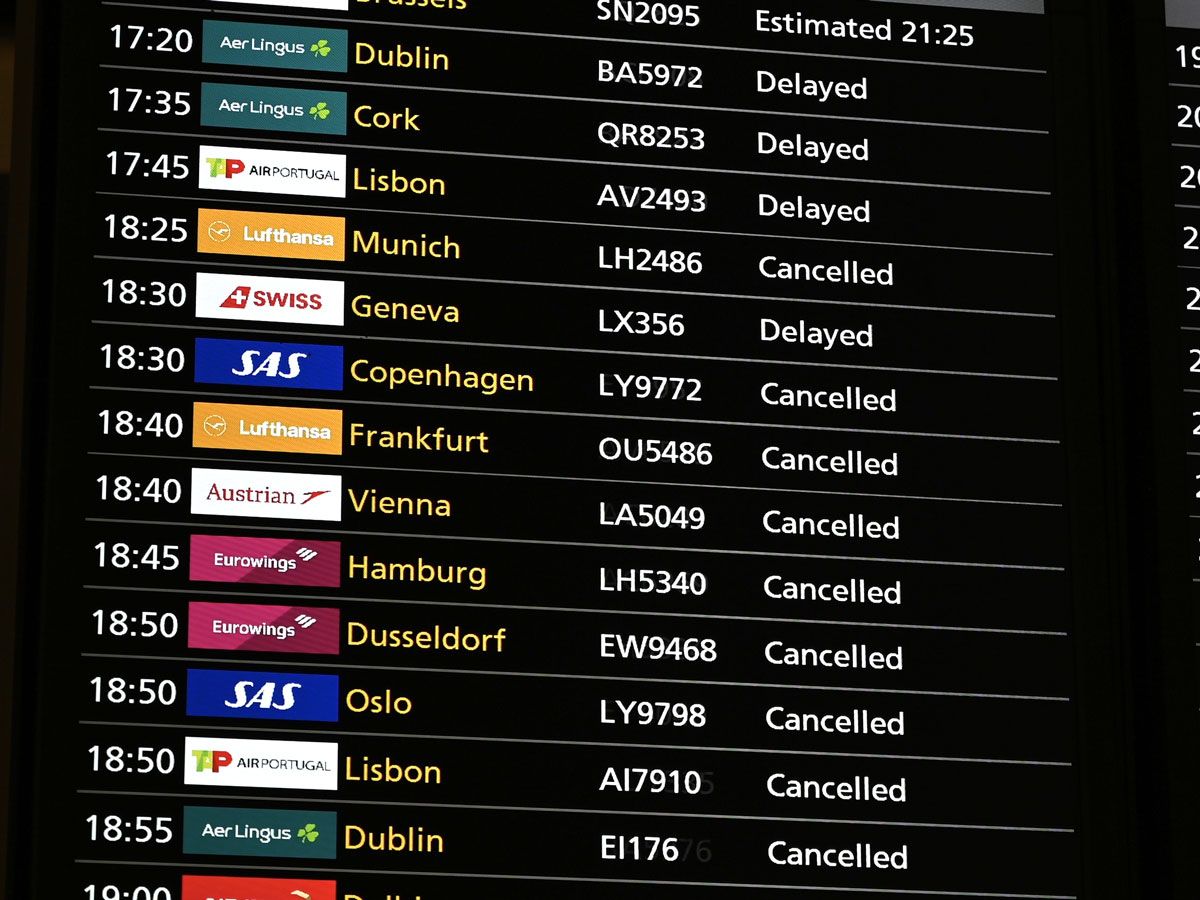
It’s also worth mentioning that if you’re traveling to or from the EU or U.K., local regulations may stipulate that the airline owes you compensation in certain circumstances if your flight is delayed or canceled. This means that even if your trip insurance doesn’t pay out, there’s a chance you could still recoup some of your losses.
Under regulations EU 261 and U.K. 261, if your journey is severely disrupted for reasons deemed within the airline’s control, you may be able to claim compensation. The amount is fixed (ranging from 250 to 600 euros for EU 261) and shouldn’t be viewed as a replacement for comprehensive travel insurance, but it can be used to offset at least some of the costs you may incur.
Common exclusions include severe weather, political unrest, and air traffic control strikes, which are often categorized as extraordinary circumstances. It’s also worth noting that while the European regulation covers any inbound flight departing from an EU destination regardless of who you’re flying with, the outbound journey won’t be covered if you aren’t traveling on an airline based in the EU.
What if You’ve Already Bought a Policy?

Regardless of how you choose to insure a trip, it’s always a good idea to read through the policy document carefully. That’s especially the case with airline trip insurance — when you may feel pressure to lock in a flight before a fare deal expires.
That said, even after you’ve bought insurance, there’s usually a “cooling off” period when you’re able to change your mind and get a full refund. Typically this is 15 days with an Allianz policy, though according to InsureMyTrip, the refund window can be as little as 10 days. Of course, a policy can’t be canceled if travelers have already started their trip or filed a claim, or if the period of validity has already ended. Lastly, be aware that the rules and regulations regarding cancellation can vary from policy to policy or from state to state.
Featured image credit: © pressmaster/stock.adobe.com
More from our network
Daily Passport is part of Inbox Studio, an email-first media company. *Indicates a third-party property.