



5 Things You Shouldn’t Drink on a Plane
5 Things You Shouldn’t Drink on a Plane
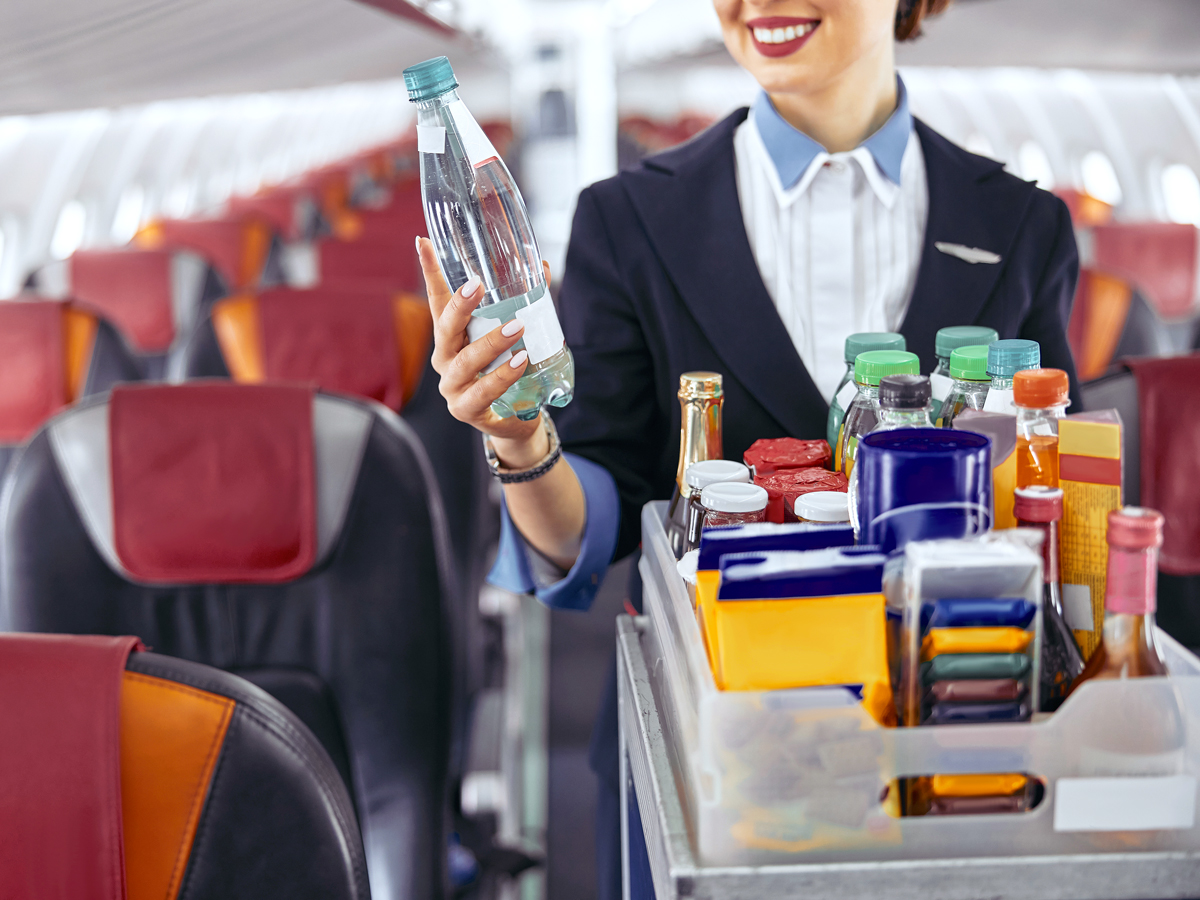

Turbulence, crying babies, flight delays — a lot of things that can make flying miserable are out of our control. But what we choose to order from the beverage cart is entirely up to us, and the choice of liquids can make a surprisingly big difference in how we feel between point A and point B. Here are a few drinks you should enjoy only when your feet are firmly on the ground.
Onboard Coffee and Tea
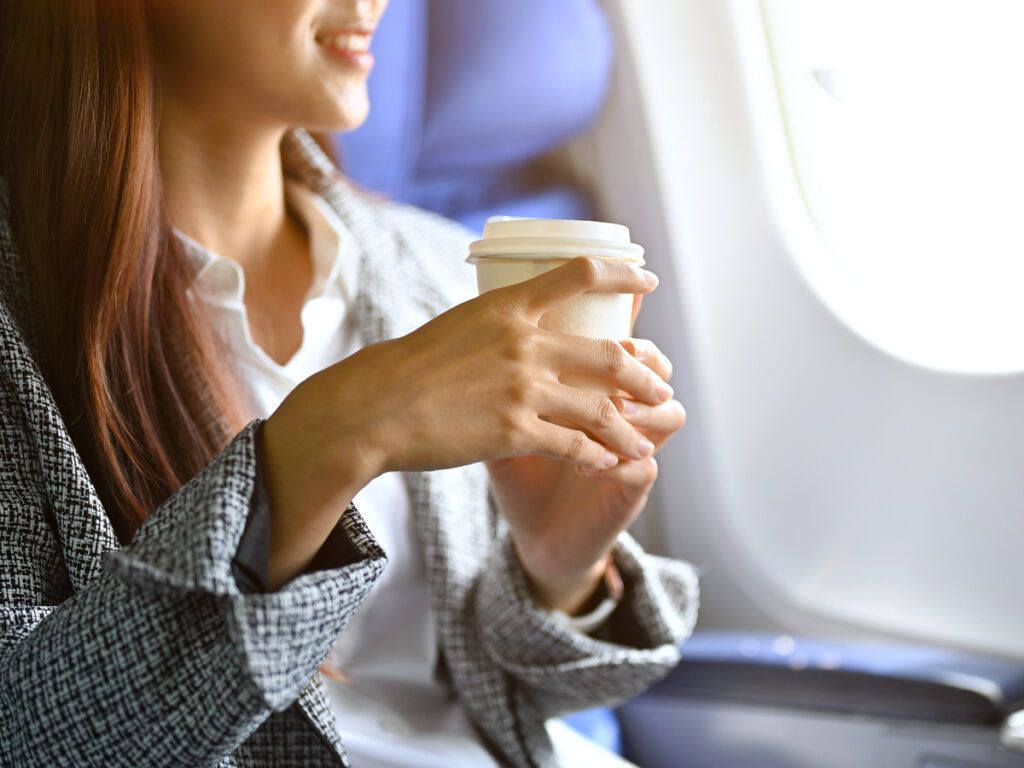
Flight attendants and frequent flyers usually skip coffee and tea. Why? The beans and bags are fine (if not always fresh), but the water comes straight from an onboard tank. Sue Fogwell, who flew for 22 years, told Travel + Leisure she never drank the tap water on a plane and noted that coffee and tea are made with it. Former flight attendant Alex Quigley was blunter in an interview with Delish. “There’s no telling how often or when the tank has been cleaned last,” he said.
In-flight water quality is subject to federal regulation, but enforcement can be lax. The water for brewing coffee and filling your tea cup does get heated to near boiling, though, which kills most bacteria. And plenty of passengers and flight crew have been drinking it for decades, so enjoy it according to your own comfort level.
Alcohol
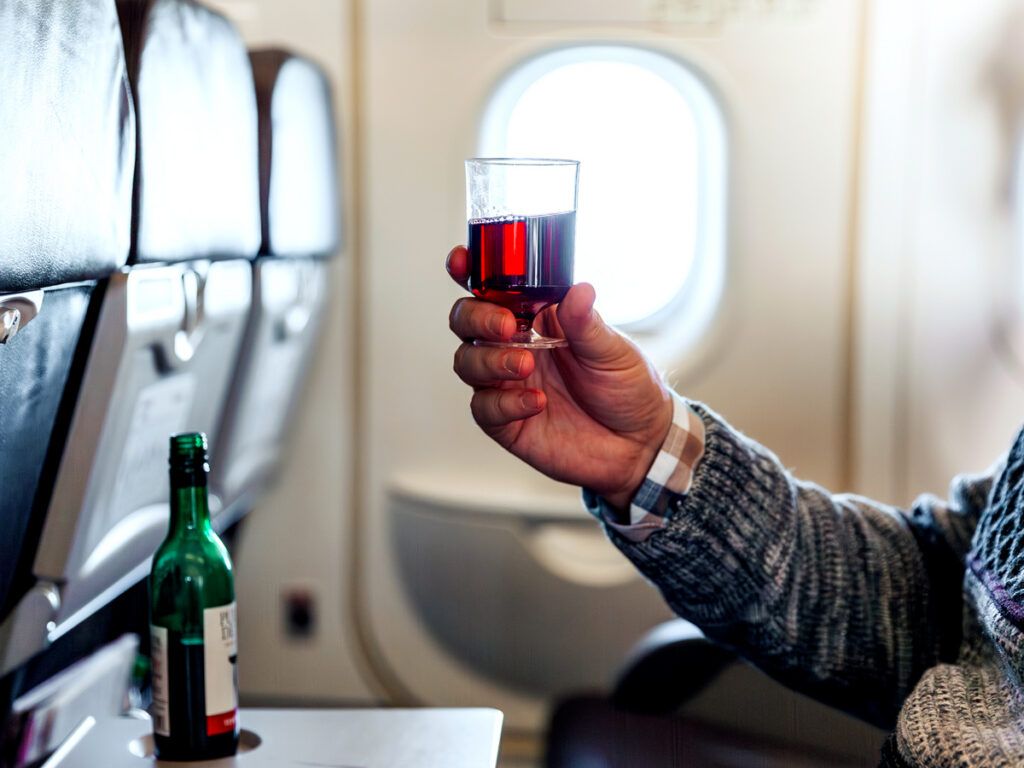
An adult beverage enjoyed at altitude is one of flying’s small pleasures, and one alcoholic beverage isn’t likely to have negative effects. Still, registered dietitian Angel Luk recommends skipping it. “It’s already easier to become dehydrated during air travel,” she tells us. Luk also highlighted a risk that rarely appears in travel coverage: For people living with diabetes, alcohol can trigger a delayed low blood sugar event, particularly in quantity or without food alongside it.
Luk suggests substitution rather than abstinence. If you want a beer, ask whether a zero-alcohol option is available, or just opt for water. “It’s not the same, I know,” she says. “But dehydration can contribute to headaches and fatigue, two things that are usually already an issue once you arrive at your destination.”
Energy Drinks
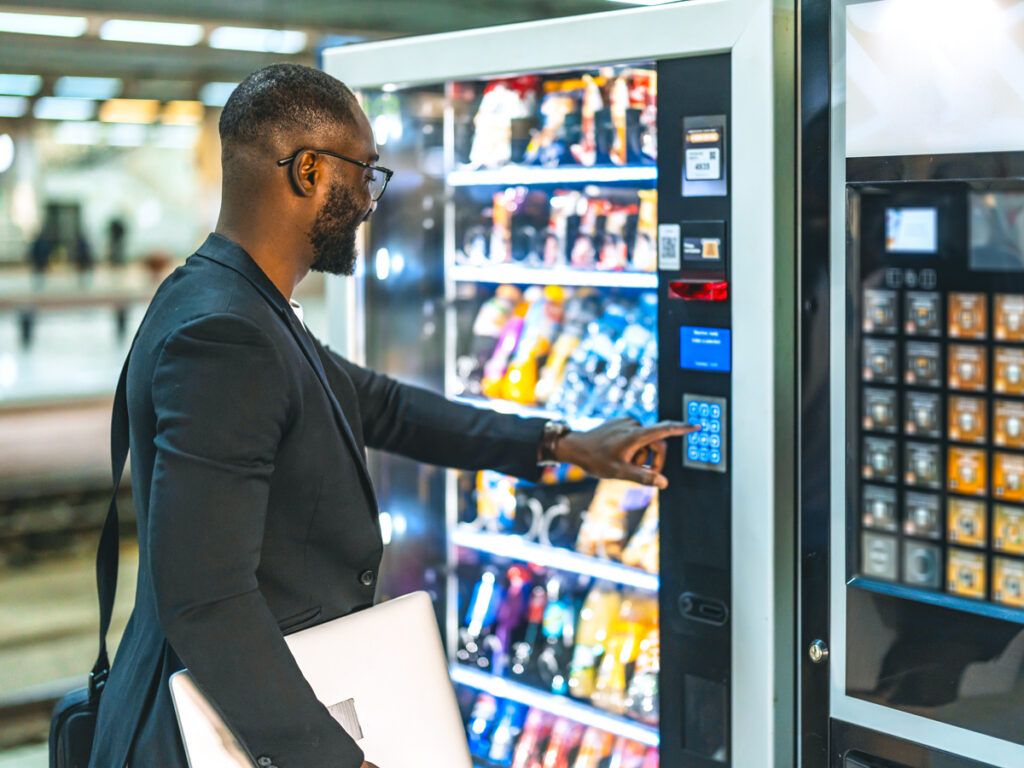
Some travelers turn to energy drinks to push through exhaustion on a red-eye flight, but you may want to think twice before doing so. The Sleep Foundation cautions against combining them with alcohol and advises avoiding them within nine hours of when you plan to sleep.
Fruit Juice
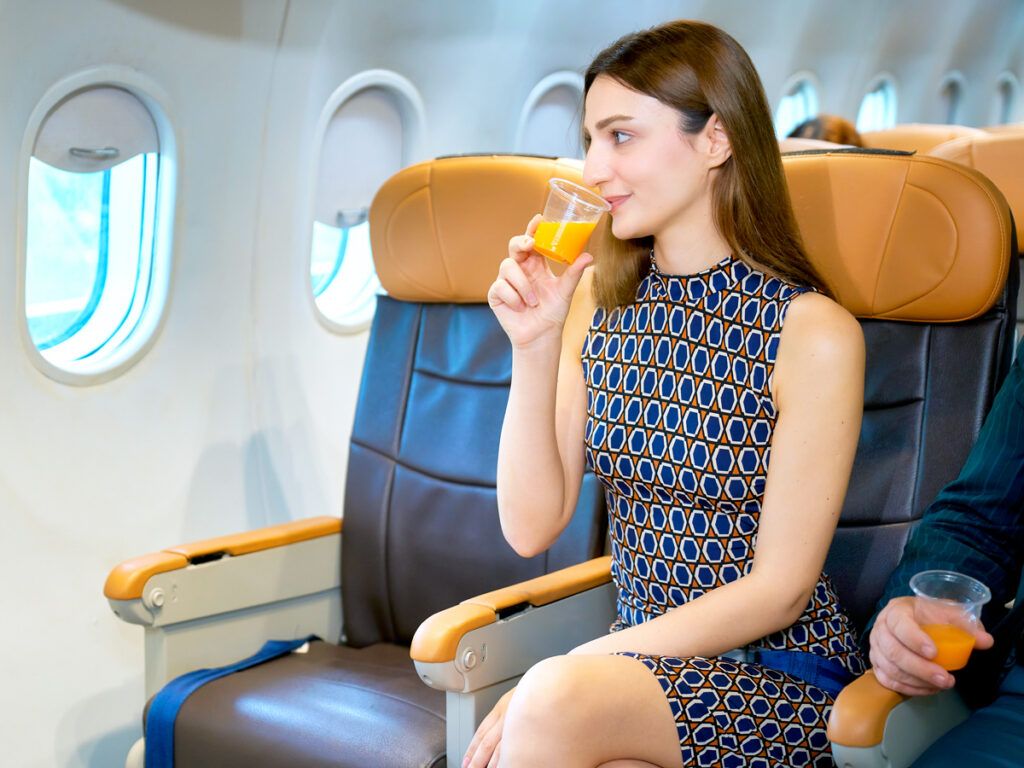
Juice may seem like a healthy and wholesome order from the beverage cart, but many flyers underestimate the sugar content. According to USDA data, one cup of orange juice carries a whopping 21 grams of sugar, about the same as a lot of sweetened soft drinks.
Carbonated Drinks
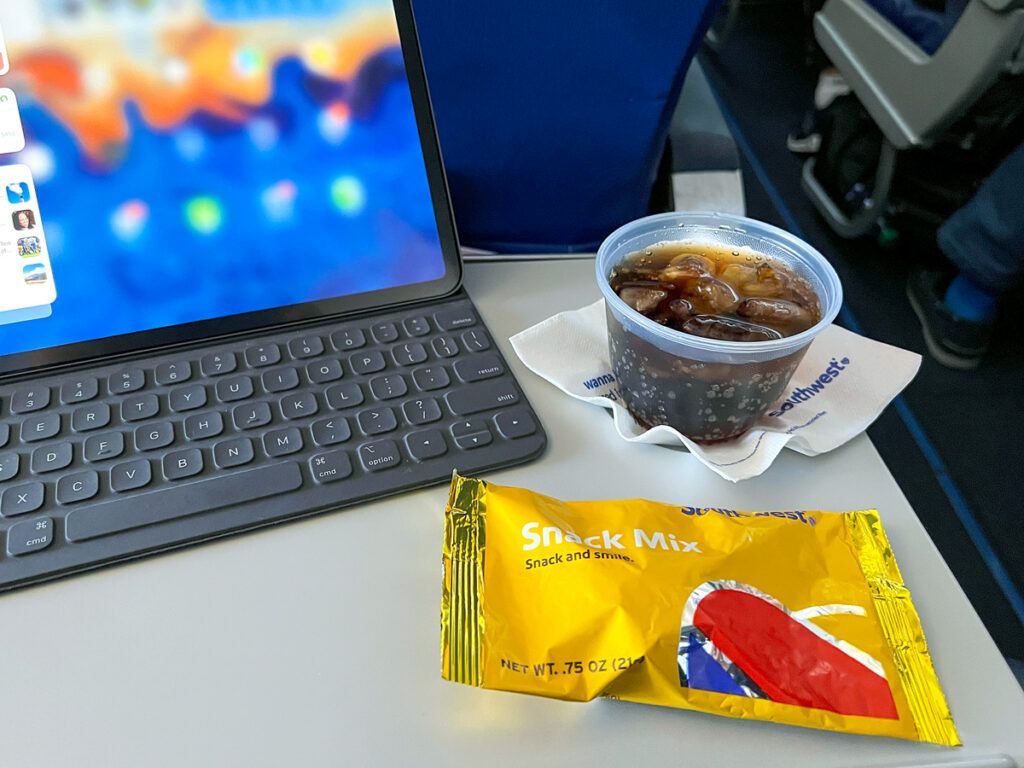
Your ears aren’t the only thing that can pop on a plane: Air trapped in your body’s cavities expands at 8,000 feet, with some estimates putting the expansion at up to 30%. Being compressed in a small seat definitely doesn’t improve matters. If you’re prone to bloating, save the bubbles until after you land.
What To Order Instead
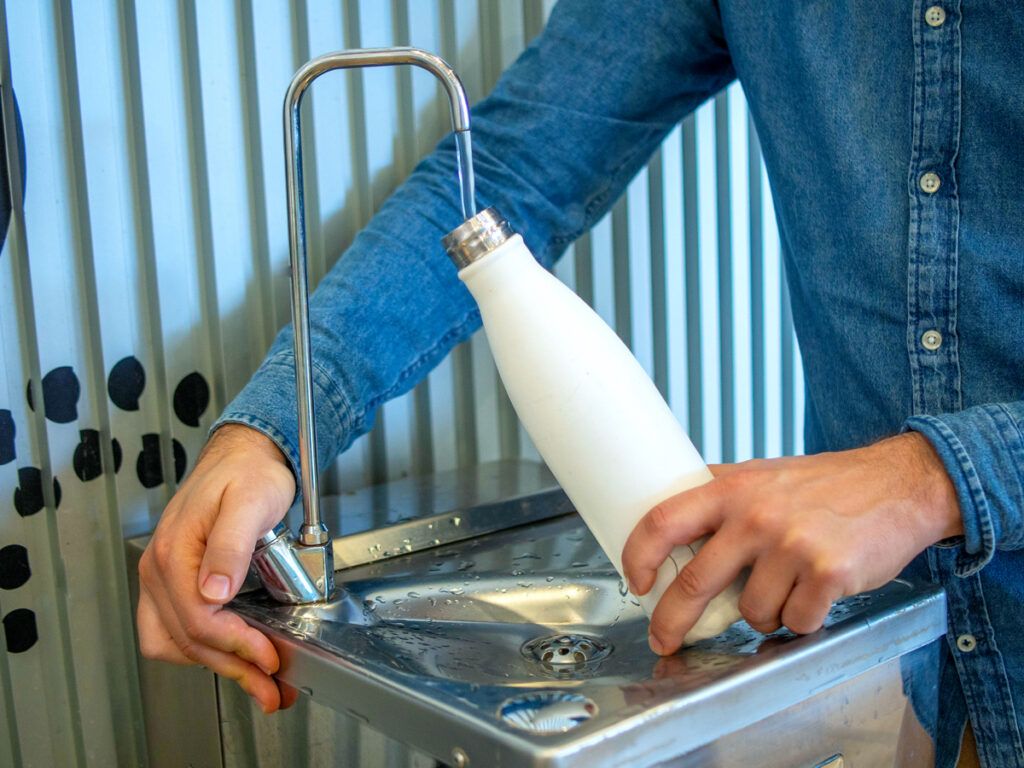
Considering that cabin air runs drier than most deserts (the average humidity sits around 20%), keeping hydrated is key. Water is the best choice: The Aerospace Medical Association recommends drinking 8 ounces of water for every hour in the air, an amount that few flyers achieve.
Otherwise, subject to your own tolerances for sugar, alcohol, and carbonation, anything from a sealed can or bottle is fine. The best option? Bring your own H2O on board, avoiding the pricey post-security purchase and filling your own reusable bottle once you’ve cleared TSA.
More from our network
Daily Passport is part of Inbox Studio, an email-first media company. *Indicates a third-party property.