
7 New UNESCO World Heritage Sites You Should Know About
7 New UNESCO World Heritage Sites You Should Know About

If you’ve ever drafted a wish list of travel destinations you hope to reach someday, it likely included at least one UNESCO World Heritage Site. From Machu Picchu to the Great Wall of China to the Taj Mahal to Stonehenge, these landmarks of cultural or historical significance mesmerize millions of tourists annually. At present, there are 1,273 UNESCO World Heritage Sites across 173 countries, but more are added each year after dialogue and consensus from the committee at the annual World Heritage Convention. This year, 25 new sites were officially inscribed to the list. Here are seven highlights you should know more about.
Village of Sidi Bou Saïd – Tunisia
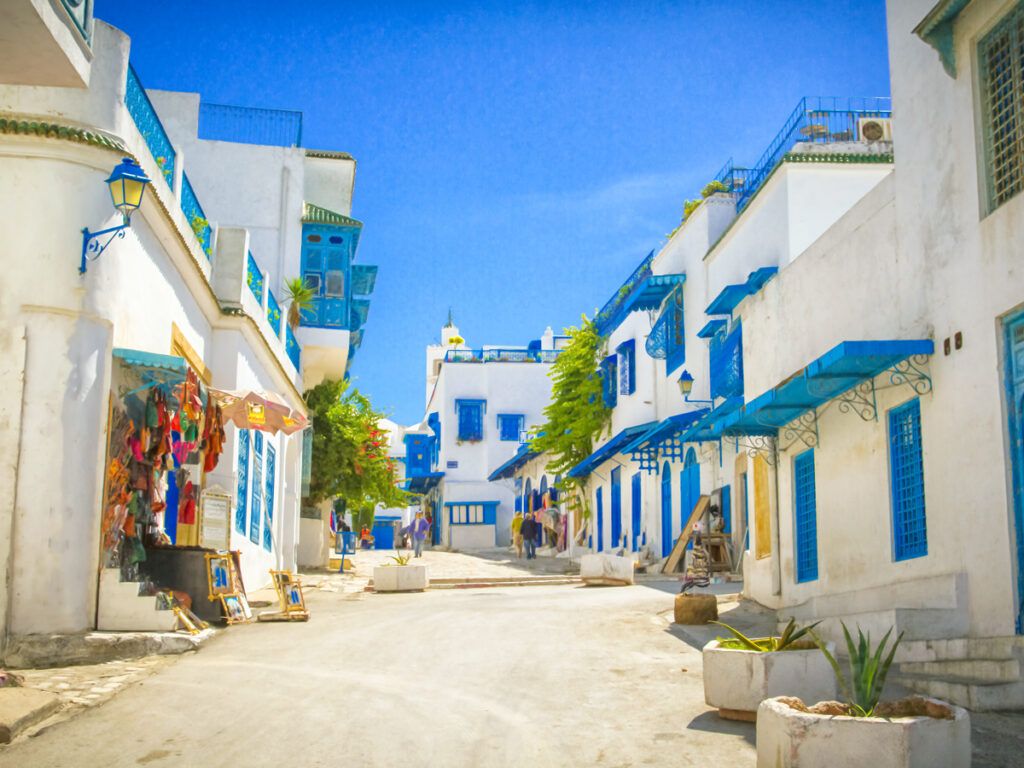
The Tunisian clifftop village of Sidi Bou Saïd was developed around the tomb of Sufi master and Islamic scholar Abu Said al-Baji, who lived in the 12th and 13th centuries and became a saint. The village captivates tourists with its striking Arab-Andalusian architecture, featuring whitewashed walls and vibrant blue doors and windows. The iconic coloring of the so-called “Blue and White City” became prominent in the 1920s, after local resident and French artist Baron Rodolphe d’Erlanger chose the colors for his palace. Local tradition says the color blue keeps insects at bay and white reflects sunlight, so the paint job serves a practical purpose, too.
Aqaba Marine Reserve – Jordan
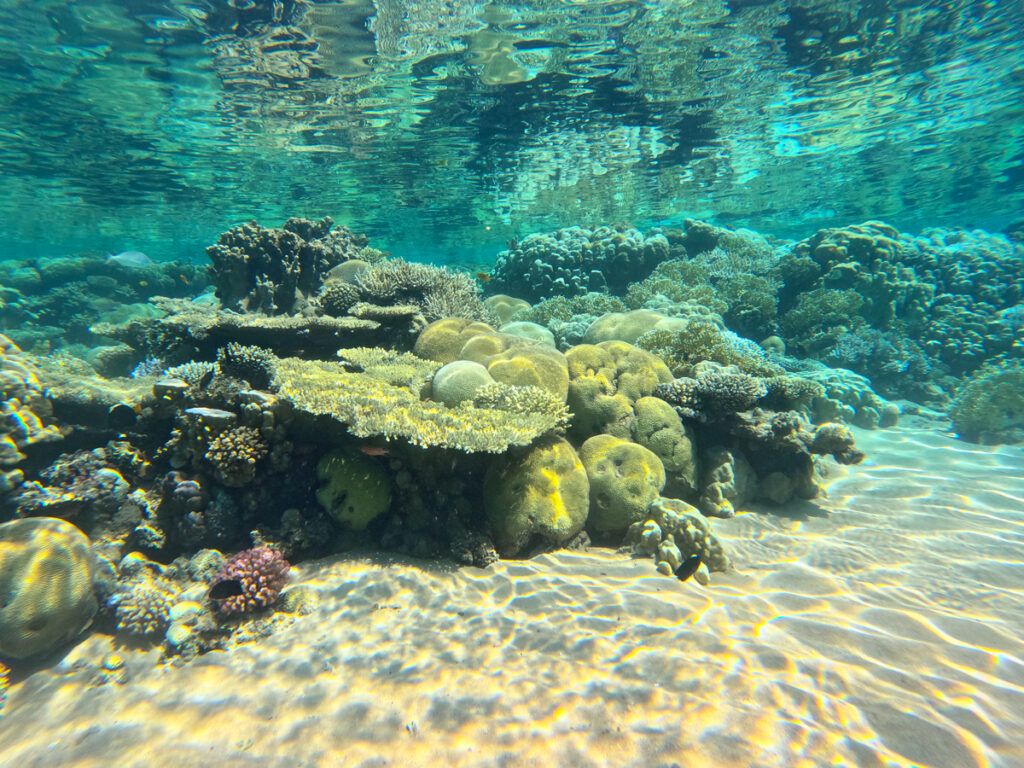
Located at the northernmost tip of the Red Sea, the Aqaba Marine Reserve in Jordan is the world’s northernmost tropical coral reef system. Home to coral and seagrass beds that sustain diverse marine life and ecological processes, Aqaba Marine Reserve is notable for its thermally resilient organisms, which have adapted to heat waves and high salinity over the last 10,000 years. Marine biologists estimate there are 50 species of hard coral, more than 500 species of fish, and roughly 1,000 species of mollusks.
Boma-Badingilo Migratory Landscape – South Sudan
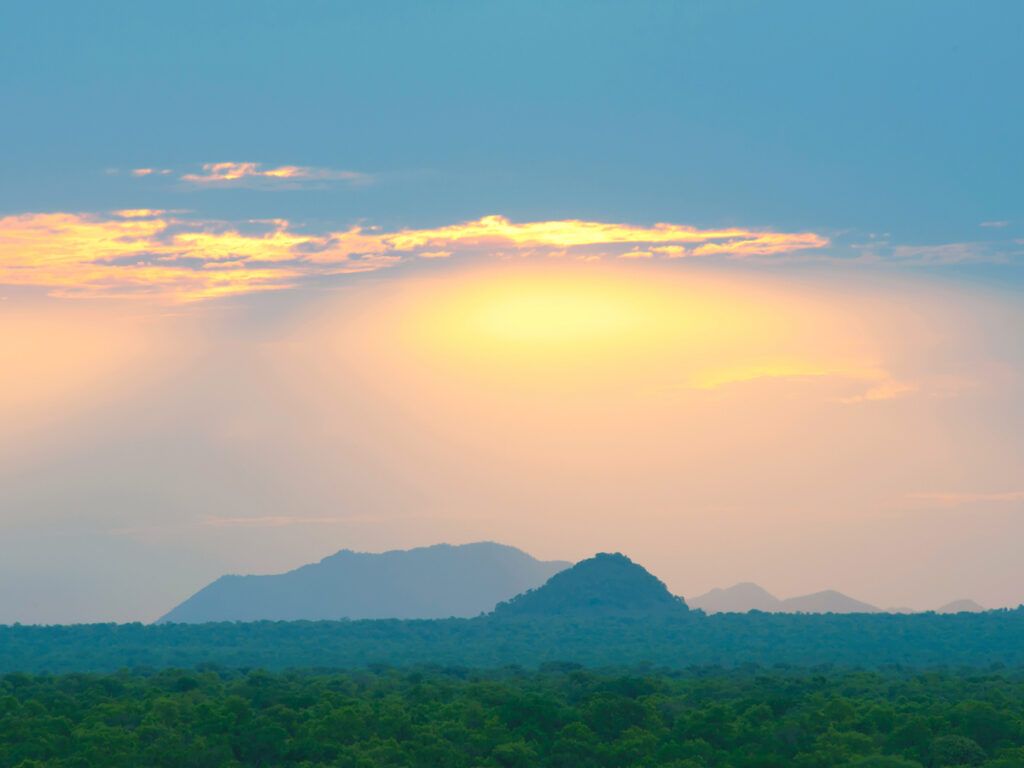
In 2026, South Sudan received its first-ever UNESCO World Heritage title. Comprising Boma National Park, Badingilo National Park, and the surrounding floodplain and savanna landscapes, the Boma-Badingilo Migratory Landscape encompasses numerous important ecosystems. These include grasslands and wetlands that are shaped by seasonal rainfall, where African wild dogs, cheetahs, lions, elephants, leopards, raptors, and migratory bird species thrive.
Additionally, the site is home to the Murle, Dinka, Nuer, Anyuak, Toposa, and other ethnic groups who have herded, farmed, and fished on the land for centuries (and even millennia). The Indigenous groups are culturally and linguistically diverse, making the preservation of the region even more significant.
Ancient Capitals of Asuka and Fujiwara – Japan
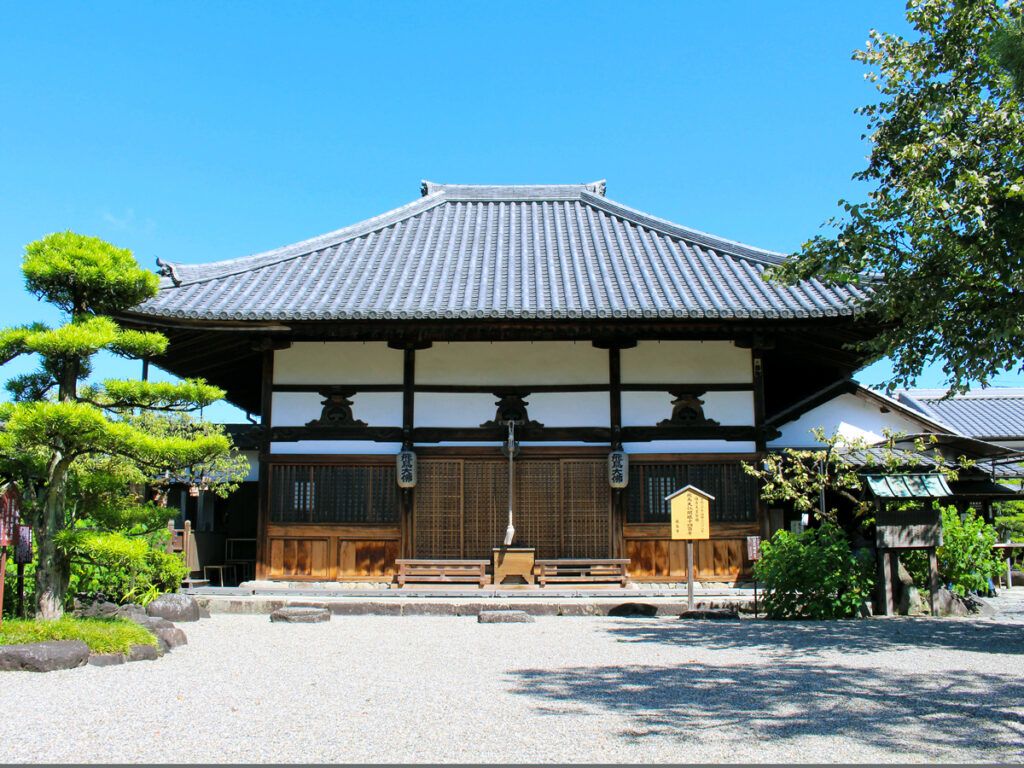
The 19 archaeological ruins across the two ancient capitals of Asuka and Fujiwara were inscribed as one UNESCO World Heritage Site, since they marked the establishment of a centralized Japanese state system known as ritsuryō from 588 to 710 CE. While there are many sites to explore, one of the most notable is Ishibutai Tumulus, which is believed to be the tomb of the powerful statesman Soga no Umako. It features more than 30 megalithic rocks weighing an estimated 2,300 total tons. The UNESCO site is also home to Japan’s oldest Buddhist temple, Asuka-dera, which was founded in 588 CE.
Mount Olympus – Greece
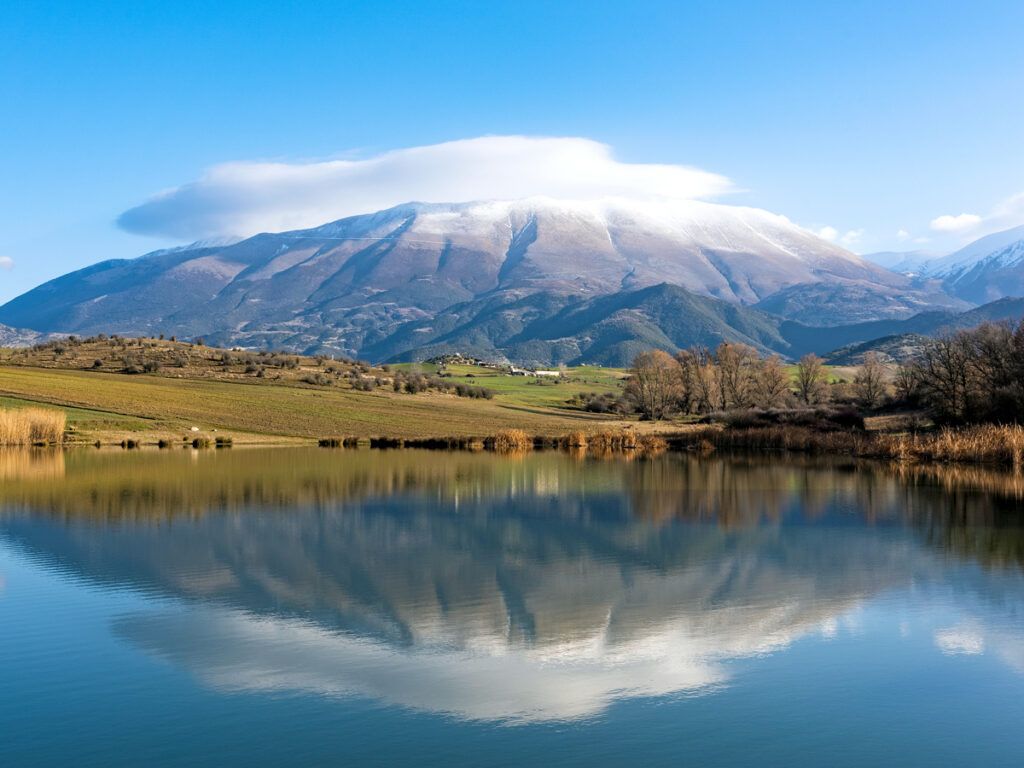
It might come as a surprise that Mount Olympus only recently earned UNESCO status, as you’ve likely heard of the famous mountain from ancient Greek and Roman mythology. Situated in northern mainland Greece, Mount Olympus is the tallest peak in the country, standing nearly 2,918 feet above sea level. While the writings of Hesiod and Homer introduced many to the story of the 12 Olympian gods who lived atop the majestic mountain, biologists also revere Olympus for its striking landforms, including glacial cirques, limestone cliffs, karstic sinkholes, and olistolith fields.
Royal Capetian Fortresses of Languedoc – France
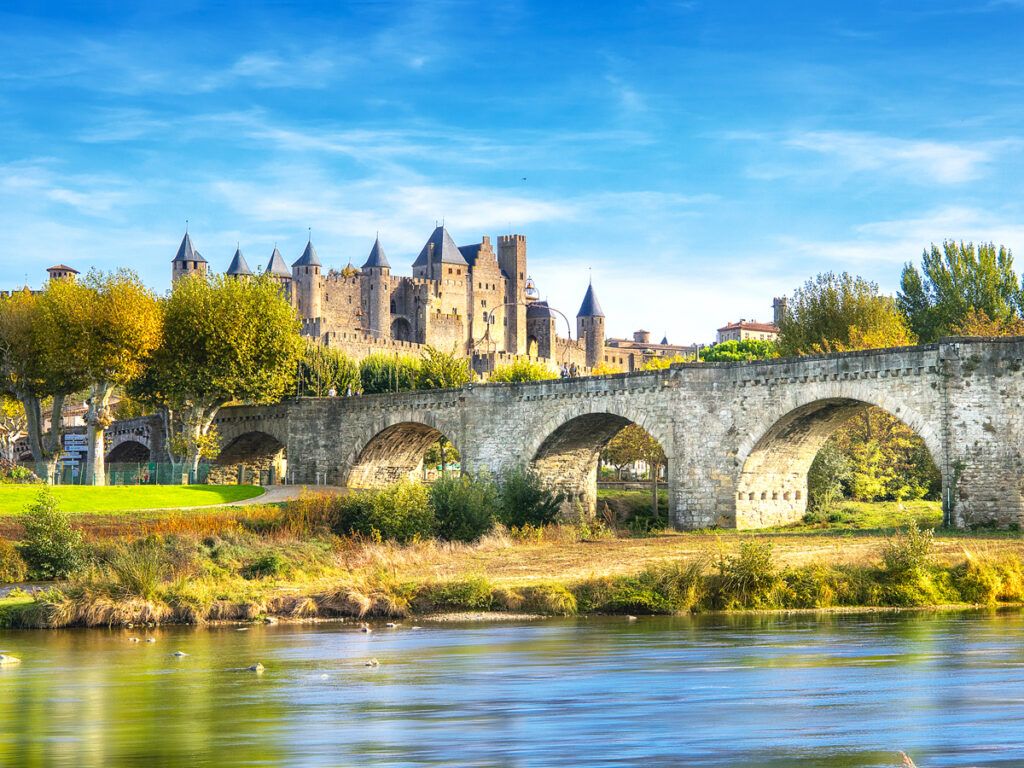
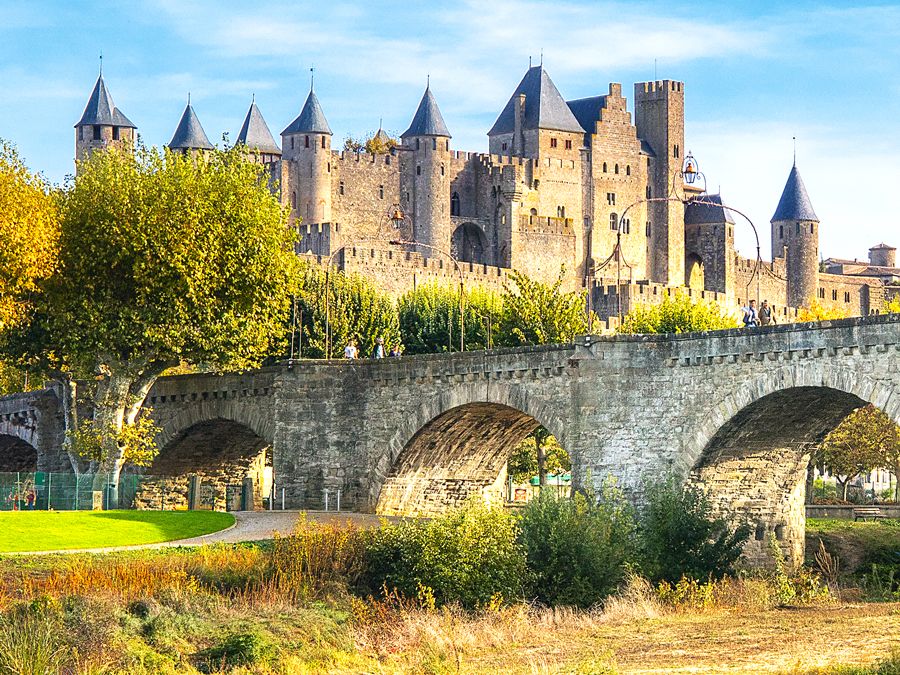
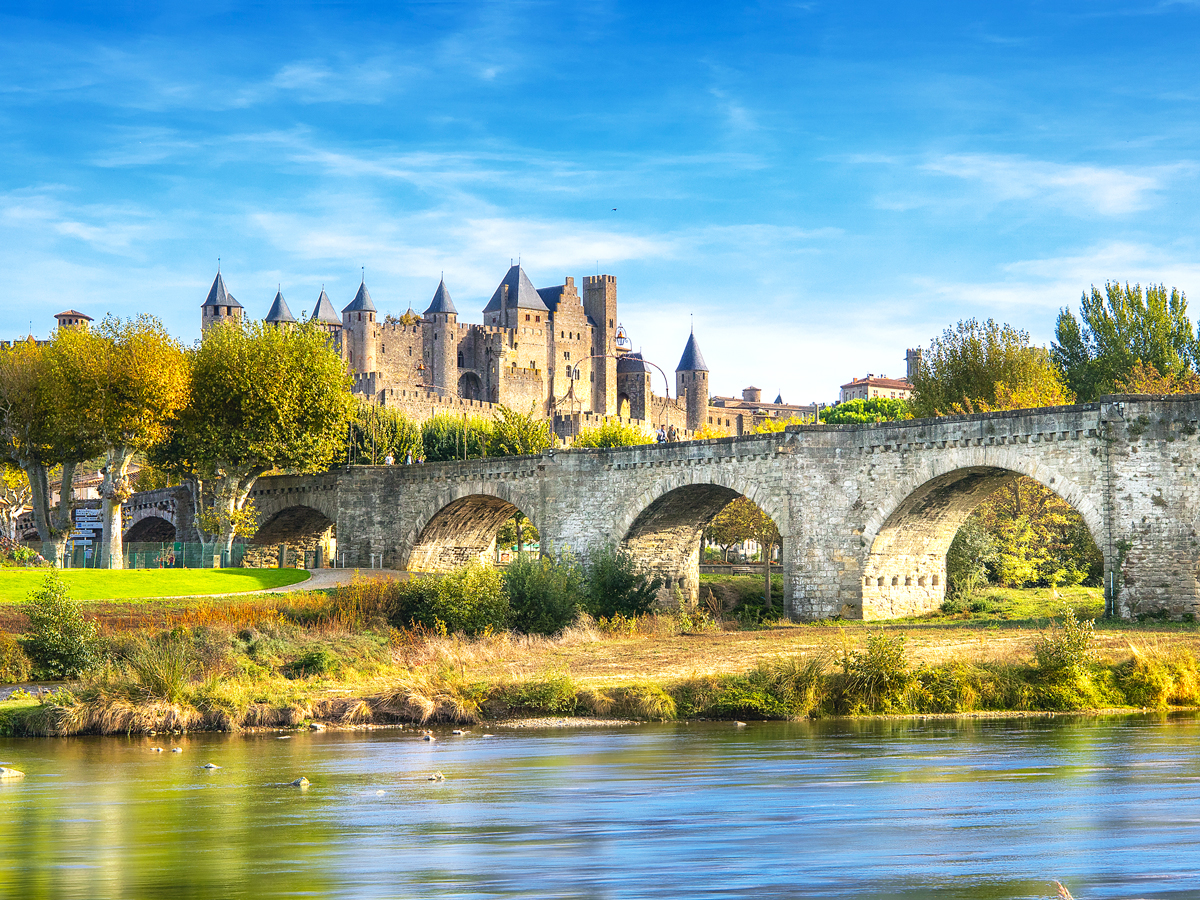
Comprising eight fortified sites of castles and ramparts in southern France, the Royal Capetian Fortresses of Languedoc are a marvel. Built in the 13th and 14th centuries, the fortresses were meant to intimidate independent lords in the region, who monarchs believed would threaten the Capetian Crown in Languedoc after the Albigensian Crusade. Standing as symbols of conquest, the magnificent structures are hard to miss, making them quite deserving of their new UNESCO title.
Amazonia Theaters – Brazil
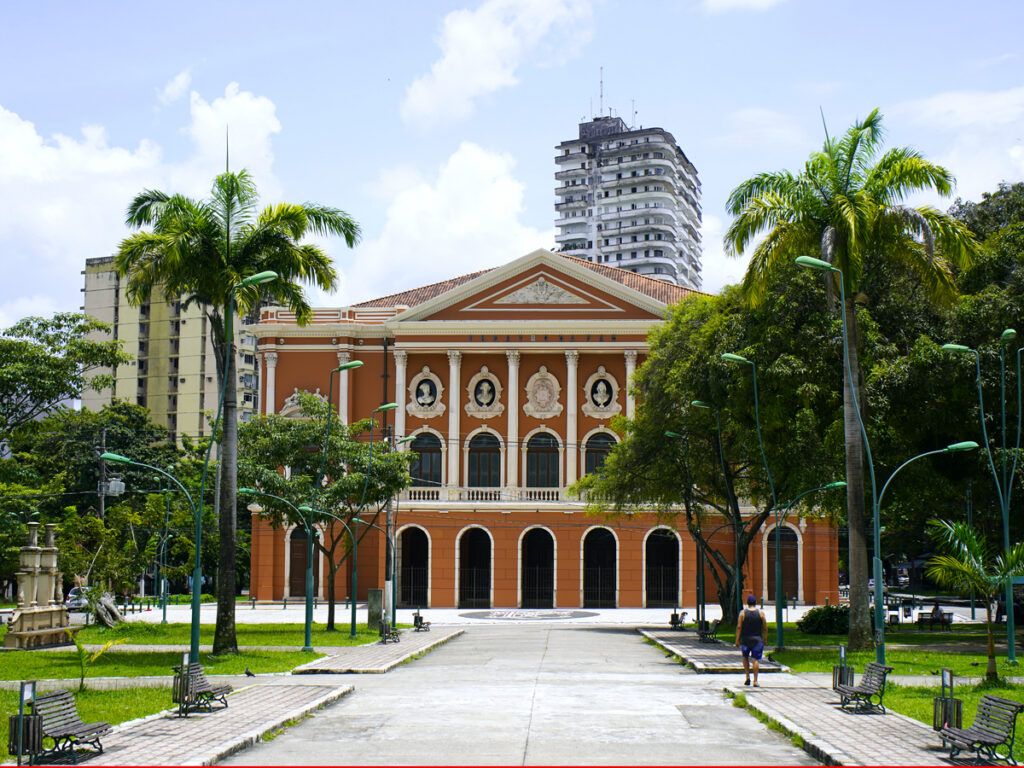
The Theatro da Paz and the Praça da República in Belém, as well as the Teatro Amazonas and the Largo de São Sebastião in Manaus, were built during the Amazonian golden age, which marked the economic peak of the rubber boom between 1879 and 1912.
Collectively part of the Amazonia Theaters UNESCO site, they feature elaborate imported materials from Europe such as Italian Murano glass, Carrara marble, French furnishings, and steel walls from Glasgow — symbolizing the region’s extreme wealth during the time of their construction. The Teatro Amazonas even has a dome featuring 36,000 ceramic tiles painted in the green and yellow colors of the Brazilian flag. Today, the historic theaters still host active cultural performances, concerts, and operas.
More from our network
Daily Passport is part of Inbox Studio, an email-first media company. *Indicates a third-party property.